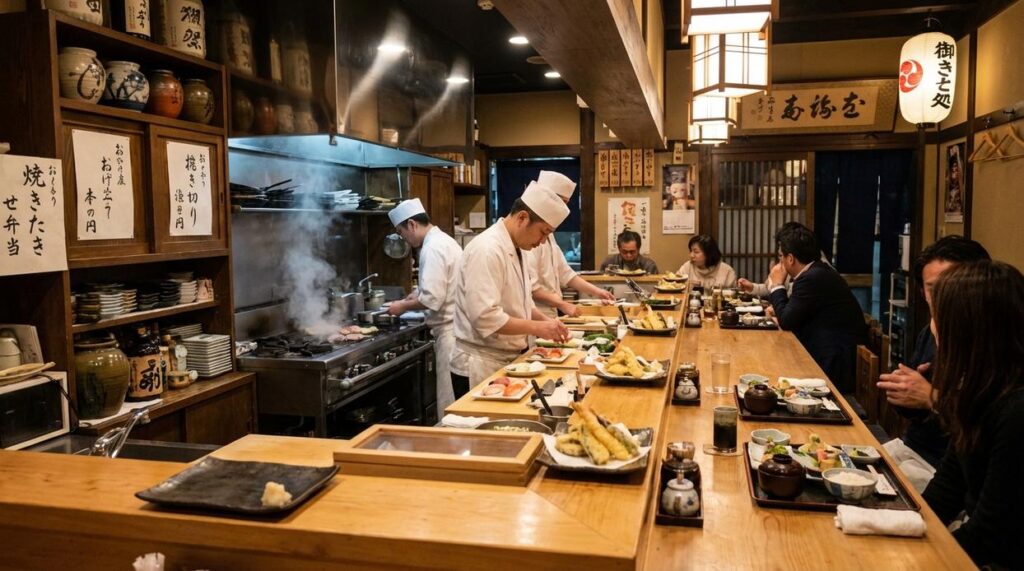

I love diving into books that blend history and food. 1001 Reflejos en el Tiempo is one of those gems. It’s not just a cookbook; it’s a journey through time and culture. You get to see how recipes have evolved over the years.
Why do I trust this book? Because it doesn’t just give you recipes. It tells you the stories behind them.
That’s what makes it special.
In this article, we’ll explore the key themes and recipes from 1001 Reflejos en el Tiempo. We’ll also dive into the cultural insights that make this book a must-read for anyone who loves food and history.
So, if you’re curious about how a simple dish can tell a story, keep reading.
Understanding the Book: ‘1001 Reflejos en el Tiempo’
I picked up ‘1001 Reflejos en el Tiempo’ a few months back, and it’s been a real eye-opener. The book is a treasure trove of traditional recipes and culinary stories.
It’s not just a cookbook; it’s a journey through time and culture. The author has done an incredible job of weaving together history and personal anecdotes, making each recipe feel like a piece of living history.
The cultural context is rich and deeply rooted. It draws from a time when recipes were passed down through generations, often by word of mouth. Preserving these traditions is crucial, especially in a world where fast food chains are everywhere.
The book structure is well-organized, which I appreciate. It’s divided into clear sections, each focusing on different types of dishes and their origins. You’ll find everything from appetizers to desserts, and even some lesser-known regional specialties.
One section that stood out to me was 1001 hora espejo. It’s a unique take on how certain recipes have evolved over time, reflecting changes in society and technology. It’s fascinating to see how a simple dish can tell so much about a culture’s past and present.
Overall, ‘1001 Reflejos en el Tiempo’ is a must-read for anyone who loves food and wants to understand its deeper significance.
Key Themes and Inspirations
When it comes to cooking, there’s a constant tug-of-war between the traditional and the modern. This book bridges that gap, offering a mix of classic and innovative recipes. It’s not just about sticking to what’s familiar; it’s about exploring new flavors while honoring the past.
Global influences play a big role too. The book draws on a wide range of culinary traditions, blending them into something unique. You’ll find dishes inspired by everything from Asian street food to Mediterranean feasts.
It’s like a 1001 hora espejo of global tastes, right in your kitchen.
- Try out a few recipes from different regions to expand your palate.
- Experiment with spices and ingredients you might not typically use.
- Don’t be afraid to mix and match techniques from various cultures.
Another key theme is heartful ingredient pairings. The book emphasizes thoughtful combinations that not only taste great but also boost the nutritional value of each dish. It’s all about making sure every bite is both delicious and good for you.
- Pay attention to how ingredients complement each other.
- Look for recipes that highlight seasonal produce.
- Consider the health benefits of each ingredient as you plan your meals.
By following these recommendations, you can create a more diverse and flavorful menu at home. Trust me, your taste buds (and your body) will thank you.
Highlighted Recipes and Their Stories
When you dive into a cookbook, it’s not just about the ingredients and steps. It’s about the stories behind each dish. Let’s take a look at some standout recipes from the book.
These signature dishes are more than just flavors on a plate. Each one has a unique feature that sets it apart. From the way they’re prepared to the special ingredients used, these recipes are a journey in themselves.
But what makes these recipes truly special? The stories behind them. Each dish carries a piece of history and cultural significance.
They’re not just meals; they’re a part of a larger narrative. Some of these recipes have been passed down through generations, while others are modern takes on classic favorites.
Why are they important to me and the community? Well, food is a universal language. It connects us to our roots and to each other.
These recipes are a way to share a bit of my heritage and the traditions I hold dear.
Now, let’s get practical. Preparing these dishes can be a challenge, but with the right tips, it’s a lot easier. For example, if you can’t find a specific ingredient, there are often great substitutes.
And don’t worry if you’re not a master chef. Simple techniques can make a big difference.
Take 1001 hora espejo, for instance. This dish is a local favorite, and while it might seem complex, it’s all about the little details. A few tweaks here and there can make it accessible even for a beginner.
If you want to explore more, check out Jalbiteblog. You’ll find a wealth of information and inspiration there.
Wholesome Cooking Foundations

Nutritional Value: I can’t stress enough how important it is to use wholesome, nutritious ingredients. This book emphasizes that in every recipe, making sure you get the most out of your meals.
Cooking Techniques: The key techniques and methods here are all about simplicity and efficiency. You don’t need to be a master chef to whip up something delicious.
Meal Prep Efficiency: Let’s talk about meal prep. It’s not just about saving time; it’s about making healthy eating a no-brainer. The tips and strategies in this book will help you streamline your kitchen routine.
| Nutritional Value | Cooking Techniques | Meal Prep Efficiency |
|---|---|---|
| Wholesome, nutritious ingredients | Simple and efficient methods | Tips for streamlined prep |
By focusing on these three areas, you’ll find that cooking becomes more enjoyable and less of a chore. Plus, you’ll be doing your body a favor with every bite.
You might be thinking, “Sure, but does it really make a difference?” Trust me, it does. 1001 hora espejo, small changes in your cooking habits can lead to big improvements in your health and well-being.
Culinary Pulse Insights and Global Flavor Inspirations
Culinary Trends: Let’s dive into the current trends in the culinary world. 1001 Reflejos en el Tiempo both aligns with and challenges these trends.
Global Flavors: The book draws from a wide range of global cuisines. It blends them seamlessly, offering a rich and diverse culinary experience.
Innovative Combinations: This is where 1001 Reflejos en el Tiempo really shines. The book features creative ingredient pairings that set it apart from other cookbooks.
Take a classic like Italian pasta. In 1001 Reflejos en el Tiempo, you might find it paired with an unexpected spice from Asia. THAT’S what makes it unique.
Or consider the use of local, seasonal ingredients. While many cookbooks stick to traditional recipes, 1001 hora espejo encourages you to experiment and mix things up.
The result? A cookbook that not only reflects the latest trends but also pushes the boundaries. It’s a refreshing change from the same old, same old.
So, if you’re looking for something new and exciting, this book is a great choice. If you prefer sticking to the classics, well, there are plenty of other options out there.
Embracing the Culinary Journey
1001 hora espejo is a treasure trove of culinary delights, blending traditional and modern recipes. It also offers deep cultural and historical insights, making it an invaluable resource. Novice and experienced cooks alike will find inspiration in its pages.
The book invites you to explore a wide array of flavors and techniques. Embark on your own culinary journey, inspired by the rich and diverse offerings within.

 Jaredricons Jordan writes the kind of cultural cuisine explorations content that people actually send to each other. Not because it's flashy or controversial, but because it's the sort of thing where you read it and immediately think of three people who need to see it. Jaredricons has a talent for identifying the questions that a lot of people have but haven't quite figured out how to articulate yet — and then answering them properly.
They covers a lot of ground: Cultural Cuisine Explorations, Hidden Gems, Culinary Pulse, and plenty of adjacent territory that doesn't always get treated with the same seriousness. The consistency across all of it is a certain kind of respect for the reader. Jaredricons doesn't assume people are stupid, and they doesn't assume they know everything either. They writes for someone who is genuinely trying to figure something out — because that's usually who's actually reading. That assumption shapes everything from how they structures an explanation to how much background they includes before getting to the point.
Beyond the practical stuff, there's something in Jaredricons's writing that reflects a real investment in the subject — not performed enthusiasm, but the kind of sustained interest that produces insight over time. They has been paying attention to cultural cuisine explorations long enough that they notices things a more casual observer would miss. That depth shows up in the work in ways that are hard to fake.
Jaredricons Jordan writes the kind of cultural cuisine explorations content that people actually send to each other. Not because it's flashy or controversial, but because it's the sort of thing where you read it and immediately think of three people who need to see it. Jaredricons has a talent for identifying the questions that a lot of people have but haven't quite figured out how to articulate yet — and then answering them properly.
They covers a lot of ground: Cultural Cuisine Explorations, Hidden Gems, Culinary Pulse, and plenty of adjacent territory that doesn't always get treated with the same seriousness. The consistency across all of it is a certain kind of respect for the reader. Jaredricons doesn't assume people are stupid, and they doesn't assume they know everything either. They writes for someone who is genuinely trying to figure something out — because that's usually who's actually reading. That assumption shapes everything from how they structures an explanation to how much background they includes before getting to the point.
Beyond the practical stuff, there's something in Jaredricons's writing that reflects a real investment in the subject — not performed enthusiasm, but the kind of sustained interest that produces insight over time. They has been paying attention to cultural cuisine explorations long enough that they notices things a more casual observer would miss. That depth shows up in the work in ways that are hard to fake.