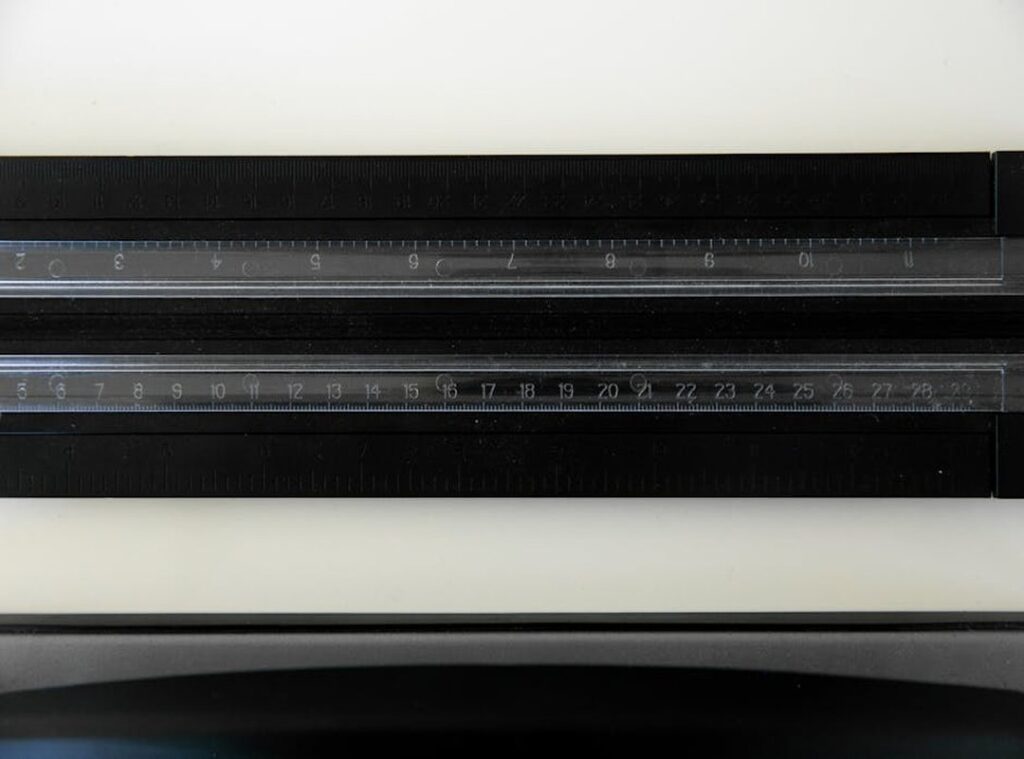
Converting 6.8 inches to centimeters can be a bit tricky, but it’s not rocket science. I know what you’re thinking: why do we even need two different systems? It’s frustrating, right?
But don’t worry, I’m here to make it simple.
Let’s get straight to the point. You want to know how to convert 6.8 inch in cm. This article will walk you through it step by step.
No fluff, no confusion, just clear and concise instructions.
I’ve seen a lot of guides that overcomplicate things. Not this one. We’ll use the formula and break it down so you can understand it easily.
Trust me, by the end, you’ll have the right result.
Understanding the Units: Inches and Centimeters
An inch is a unit of length. It’s been around for centuries, originally based on the width of a human thumb. Today, it’s defined as exactly 2.54 centimeters.
A centimeter, on the other hand, is part of the metric system. It’s one-hundredth of a meter, making it a smaller unit than an inch. The metric system is used in most countries around the world.
In the U.S., inches are commonly used for everyday measurements. Think about measuring the length of a table or the size of a TV screen.
Most other countries, though, use centimeters. They measure everything from clothing sizes to room dimensions in centimeters.
So, why does this matter? Well, if you’re traveling or working with international standards, you might need to convert between the two. For example, 6.8 inch in cm is about 17.27 cm.
Understanding both units can save you a lot of confusion.
The Conversion Formula: Inches to Centimeters
Let’s get one thing straight. Converting inches to centimeters can be a real headache. But it doesn’t have to be.
The formula is simple: 1 inch = 2.54 cm.
Why 2.54, and it’s just the standard conversion factor. No need to overthink it.
Now, let’s break it down. If you have an inch, you multiply it by 2.54 to get the equivalent in centimeters. Easy, right?
But here’s where it gets frustrating. You’re in the middle of a recipe, and suddenly you need to convert 6.8 inch in cm.
You might think, “Why do I even need to do this?” Well, sometimes recipes from different countries use different units. And you don’t want to mess up your dish because of a simple conversion.
So, let’s do the math. 6.8 inches * 2.54 cm/inch = 17.272 cm.
See, and not so bad. Just remember, when you’re in a rush, having this formula handy can save you a lot of trouble.
Step-by-Step Conversion: 6.8 Inches to Centimeters
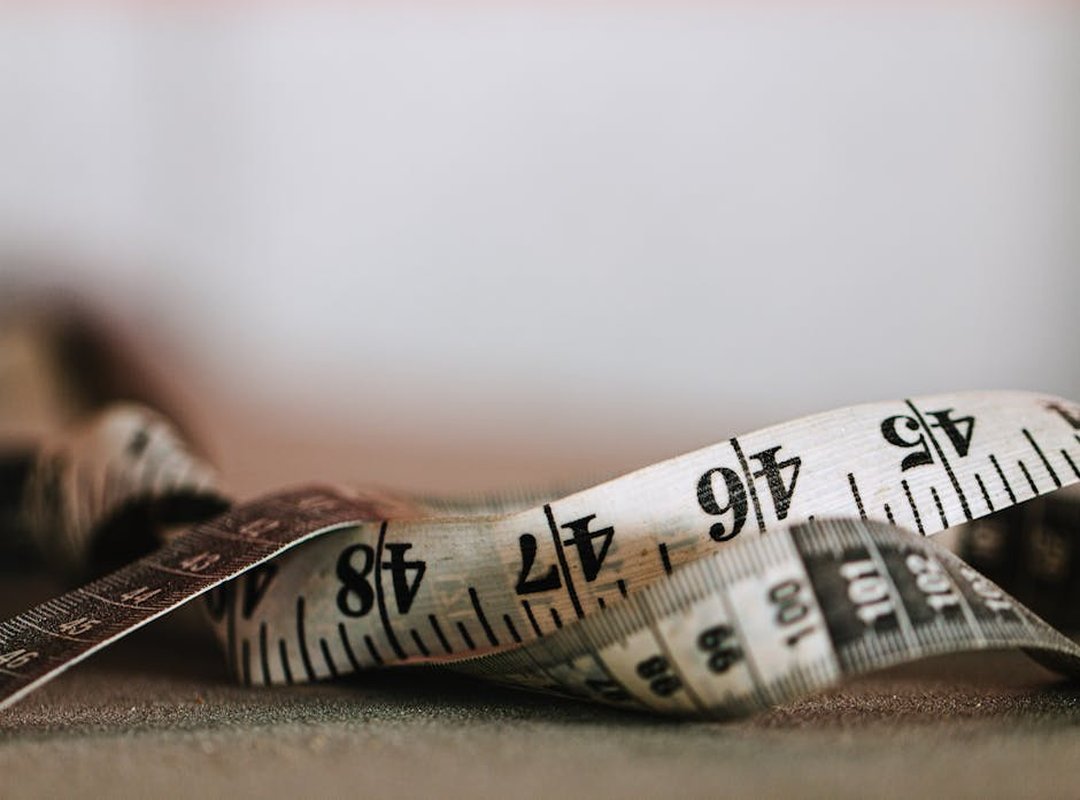
Converting inches to centimeters can seem tricky, but it’s actually quite simple. Let’s break it down.
First, write down the given value: 6.8 inches.
Next, apply the conversion formula, and you need to multiply 6.8 by 2.54. This is because 1 inch equals 2.54 centimeters.
Now, perform the multiplication. 6.8 times 2.54 equals 17.272.
So, the final result is 17.272 cm.
That’s it! 6.8 inch in cm is 17.272 cm. If you want more tips and insights on conversions and other useful information, check out Jalbiteblog.
Practical Applications: When You Might Need This Conversion
Crafting and DIY Projects: Accurate measurements are key. Whether you’re cutting wood or measuring fabric, 6.8 inch in cm can make a big difference. It’s all about precision.
Cooking and Baking: Recipes, especially international ones, often mix metric and imperial units. Getting the right amount of ingredients is crucial. A small mistake can ruin your dish.
Trust me, I’ve been there.
Travel and Shopping: When you’re abroad, knowing how to convert inches to cm can be a lifesaver. Imagine trying to buy clothes or furniture without understanding the sizes. It can get messy fast.
Common Mistakes and Tips for Accurate Conversions
Rounding too early can lead to inaccuracies, and don’t do it . It’s tempting, but it messes up your final result.
Confusing units is another big mistake, and using the correct units is crucial. You don’t want to mix up inches with feet or centimeters with meters.
That can throw off your entire calculation.
Use a calculator for more complex conversions, and it helps ensure accuracy. Especially when you’re dealing with something like 6.8 inch in cm.
Pro Tip: Always double-check your units before you start. Saves a lot of headaches later.
Mastering the Conversion from 6.8 Inches to Centimeters
Understanding the conversion between inches and centimeters is crucial for anyone working with measurements in different systems. 6.8 inch in cm is a common conversion that equates to 17.272 cm.
This knowledge is essential for tasks ranging from DIY projects to professional engineering. Practice this conversion. Apply it in real-life situations to enhance your skills and make accurate measurements.

 Jaredricons Jordan writes the kind of cultural cuisine explorations content that people actually send to each other. Not because it's flashy or controversial, but because it's the sort of thing where you read it and immediately think of three people who need to see it. Jaredricons has a talent for identifying the questions that a lot of people have but haven't quite figured out how to articulate yet — and then answering them properly.
They covers a lot of ground: Cultural Cuisine Explorations, Hidden Gems, Culinary Pulse, and plenty of adjacent territory that doesn't always get treated with the same seriousness. The consistency across all of it is a certain kind of respect for the reader. Jaredricons doesn't assume people are stupid, and they doesn't assume they know everything either. They writes for someone who is genuinely trying to figure something out — because that's usually who's actually reading. That assumption shapes everything from how they structures an explanation to how much background they includes before getting to the point.
Beyond the practical stuff, there's something in Jaredricons's writing that reflects a real investment in the subject — not performed enthusiasm, but the kind of sustained interest that produces insight over time. They has been paying attention to cultural cuisine explorations long enough that they notices things a more casual observer would miss. That depth shows up in the work in ways that are hard to fake.
Jaredricons Jordan writes the kind of cultural cuisine explorations content that people actually send to each other. Not because it's flashy or controversial, but because it's the sort of thing where you read it and immediately think of three people who need to see it. Jaredricons has a talent for identifying the questions that a lot of people have but haven't quite figured out how to articulate yet — and then answering them properly.
They covers a lot of ground: Cultural Cuisine Explorations, Hidden Gems, Culinary Pulse, and plenty of adjacent territory that doesn't always get treated with the same seriousness. The consistency across all of it is a certain kind of respect for the reader. Jaredricons doesn't assume people are stupid, and they doesn't assume they know everything either. They writes for someone who is genuinely trying to figure something out — because that's usually who's actually reading. That assumption shapes everything from how they structures an explanation to how much background they includes before getting to the point.
Beyond the practical stuff, there's something in Jaredricons's writing that reflects a real investment in the subject — not performed enthusiasm, but the kind of sustained interest that produces insight over time. They has been paying attention to cultural cuisine explorations long enough that they notices things a more casual observer would miss. That depth shows up in the work in ways that are hard to fake.