
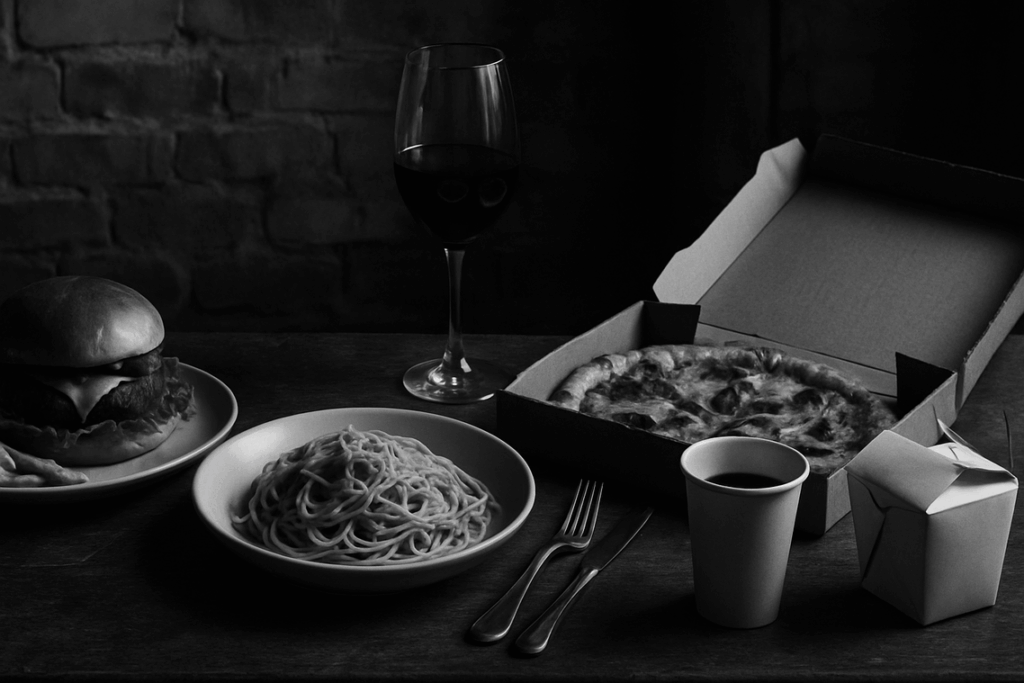
Food is evolving faster than ever, and if you’re here, you’re likely trying to keep up with the latest modern dining trends shaping how we eat, cook, and connect around the table. From immersive tasting experiences and hyper-local sourcing to tech-driven kitchens and global flavor mashups, today’s culinary landscape is redefining what dining really means.
In this article, we break down the most influential shifts happening right now—what’s driving them, how they’re showing up in restaurants and home kitchens, and why they matter for food lovers and trend-watchers alike. Our insights are grounded in industry reports, chef interviews, and on-the-ground observations across emerging food scenes, ensuring you get a clear, well-researched view of where dining culture is headed.
Whether you’re a curious eater, an aspiring chef, or simply someone who loves discovering what’s next on the plate, this guide will help you stay informed, inspired, and ahead of the curve.
The Shifting Palate
Dining today is less about white-tablecloth rules and more about EXPERIENCE. From plant-forward menus to zero-waste kitchens, modern dining trends reward curiosity and consciousness.
Understanding these shifts gives you an edge: you order smarter, cook bolder, and host gatherings that people actually remember (no sad desk salads).
New terms like “hyper-local”—ingredients sourced within miles—mean fresher flavors and stronger community ties.
Embracing flexibility, from tasting menus to solo dining, boosts confidence and expands your palate.
The payoff? BETTER MEALS, deeper cultural awareness, and the thrill of always being ahead of the curve. Stay curious and hungry.
Beyond Borders: The Rise of Hyper-Regional Cuisine
The Trend Defined
Hyper-regional cuisine moves beyond broad labels like “Italian” or “Mexican” and zooms in on distinct culinary identities—think Cucina Povera from Puglia or the seven complex moles of Oaxaca. A hyper-region refers to a highly specific geographic area with its own ingredients, techniques, and food history. It’s the difference between saying “I like Marvel movies” and specifying Black Panther for its Afrofuturist vision (details matter).
Why It’s Happening
Diners crave authenticity and story. According to the National Restaurant Association, consumers increasingly prioritize unique, experience-driven meals over generic offerings (National Restaurant Association, 2023). Globalized menus once promised variety, but they often diluted identity. Hyper-regional cooking pushes back—celebrating terroir (the environmental factors affecting flavor) and culinary heritage.
Some argue food should evolve beyond borders, blending freely. Fair point—fusion gave us Korean tacos, after all. But hyper-regionalism isn’t regression; it’s preservation with pride.
In Practice
- Restaurants spotlighting Oaxacan mole negro instead of broad “Mexican.”
- Showcasing Basque coastal seafood rather than generic Spanish tapas.
- Highlighting regional Japanese ramen styles, not just “ramen.”
It’s part of modern dining trends, where specificity signals credibility.
What It Means for Diners
You get to travel by taste—no passport required. Each dish carries history, migration stories, and local pride. It’s culinary storytelling worthy of a Netflix docuseries (and far more delicious).
Conscious Consumption: The Planet on Your Plate
Conscious consumption—the intentional choice of sustainable, ethically sourced, and low-waste food—has shifted from niche preference to mainstream expectation. In simple terms, it means thinking about a meal’s environmental and social impact before taking a bite (yes, even before dessert).
So why now? Studies show that global food systems account for roughly one-third of greenhouse gas emissions (UN FAO). Add widespread awareness of food waste—an estimated 1.3 billion tons wasted annually—and diners are rethinking what lands on their plates.
Here’s where the comparison gets interesting:
- Traditional Dining: Imported ingredients, large portions, unseen waste.
- Conscious Dining: Local farm partnerships, seasonal menus, root-to-stem and nose-to-tail cooking.
The difference isn’t just sourcing—it’s storytelling. A carrot-top pesto or braised beef cheek signals intention. Upcycled ingredients (repurposed food byproducts like spent grain flour) turn “waste” into culinary innovation. And plant-forward menus—meals centered on vegetables but not strictly vegetarian—offer flexibility without the rigidity some diners resist.
Critics argue sustainable options can be pricier or feel performative. Fair point. But when restaurants reduce waste and streamline sourcing, costs often balance out over time (pro tip: seasonal dishes are usually the best value).
Compared to trend-chasing gimmicks, this shift has staying power. It aligns values with flavor, making diners active participants rather than passive consumers. In fact, discussions around modern dining trends increasingly highlight sustainability as a core marker of quality.
For a broader look at digital influence on these shifts, explore how social media is reshaping food culture 2026.
The Solo Diner & The Communal Table
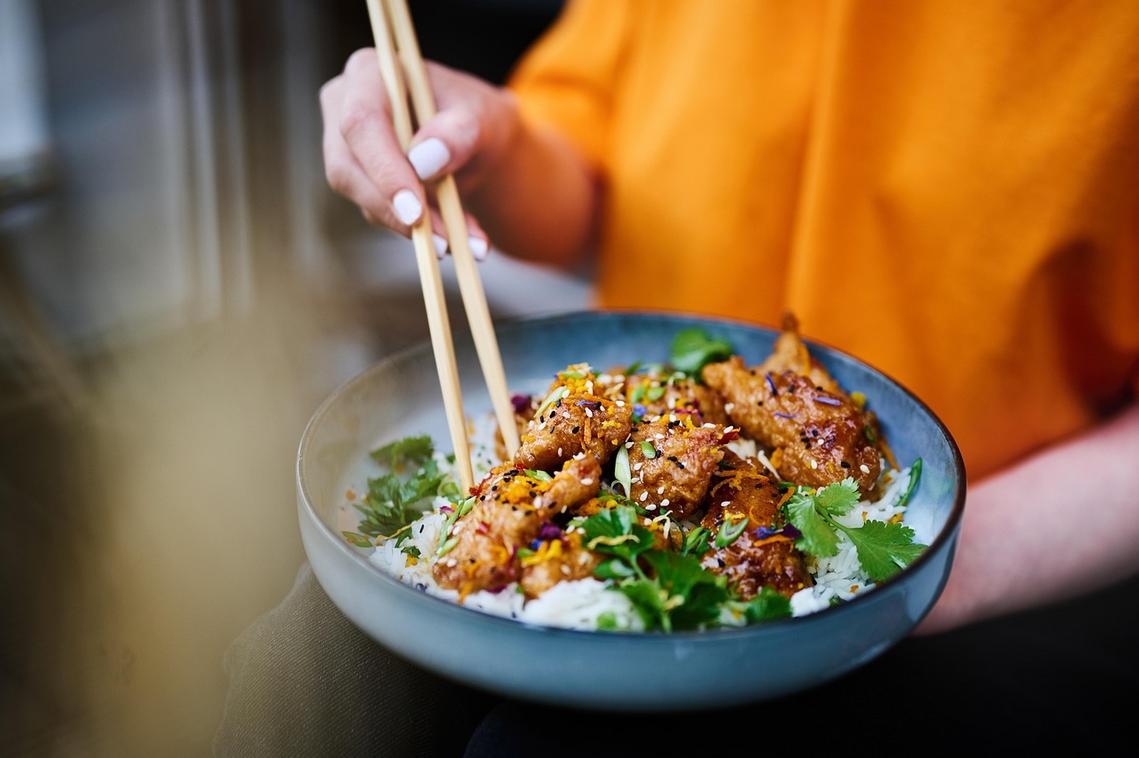
Call it a tale of two appetites. On one end, you have the fiercely independent solo diner, confidently twirling pasta alone like the main character in a coming‑of‑age film. On the other, there’s the long-table enthusiast, passing plates and swapping stories with near-strangers (who, by dessert, feel like cousins).
The Trend Defined: A dual movement embracing both the empowerment of dining alone and the curated experience of communal eating. It sounds contradictory, but it’s actually a perfect snapshot of modern dining trends.
Some critics argue solo dining signals social breakdown. Others insist communal tables are forced fun—like team-building exercises with better wine. Fair points. But the bigger picture? We’re redefining choice. Dining alone is no longer a sad sandwich moment; it’s autonomy with a wine pairing. Meanwhile, communal meals satisfy a very human craving for connection that surged post-pandemic (turns out, we missed each other).
In Practice (Solo):
- Restaurants design cozy bar seating
- Offer small plates ideal for one
- Create atmospheres where solo guests feel intentional, not incidental
In Practice (Communal):
- Supper clubs are resurging
- Long-table dinners spark conversation
- Shared plates practically demand, “Try this!”
Pro tip: If you’re nervous about either, start midweek—lower stakes, easier vibes.
Whether you guard your fries or gladly share them, both paths celebrate the same thing: eating well, on your own terms.
Tech at the Table: Enhancing, Not Replacing, Hospitality
The Trend Defined: Tech at the table is the strategic use of digital tools to streamline logistics while elevating human connection. It’s not about robots replacing servers (despite sci‑fi fears); it’s about removing friction so hospitality can shine.
Some critics argue screens dilute ambiance. They’re right—bad tech does. But thoughtful integration works quietly in the background, like stage lighting in a theater.
Why It’s Happening: Rising labor costs and tighter margins push restaurants to optimize operations. When QR code menus handle ordering and payment, staff gain time for genuine guest interaction.
In Practice:
| Tool | Guest Benefit | Operational Edge |
|---|---|---|
| QR Menus | Faster checkout |
Fewer order errors |
| Smart Reservations | Saved preferences | Better table turns |
| AI Suggestions | Tailored dishes | Higher upsells |
Unlike surface-level coverage of modern dining trends, the real advantage lies in data memory—remembering a diner’s allergy or anniversary without asking twice.
What It Means for Diners: A smoother, more personalized experience where technology fades away—and hospitality takes center stage.
Your Next Great Meal Awaits
Dining today is a choice between autopilot and intention. Fast convenience vs. thoughtful exploration. One fills you up; the other feeds a story. From hyper-regional flavors to conscious consumption, modern dining trends reward diners who look beyond the menu headline.
Keeping up can feel overwhelming (like scrolling endlessly for something to watch). Yet the comparison is simple:
- Chain familiarity vs. local authenticity
- Trendy spectacle vs. sustainable substance
Choose authenticity, sustainability, and experience. Research the chef, ask about sourcing, try the unexpected. Your next great meal isn’t just eaten—it’s discovered. Savor it with curiosity.
Savor What’s Next on Your Plate
You came here to explore the flavors, influences, and modern dining trends shaping today’s culinary world—and now you have a clearer taste of what’s driving kitchens, street food stalls, and cultural tables across the globe.
Keeping up with evolving food movements isn’t just about curiosity. It solves the real frustration of feeling out of touch with what’s fresh, exciting, and worth trying next. Whether you’re a passionate home cook or an adventurous eater, staying informed helps you discover bold flavors, smarter cooking hacks, and hidden gems before they go mainstream.
Now it’s your move. Start experimenting with one new regional dish, apply a trending cooking technique, or explore a cuisine you’ve never tried before. If you want trusted insights into global flavors and culinary shifts—all in one place—dive deeper and stay connected. Join thousands of food lovers who rely on us for inspiration, practical tips, and curated discoveries.
Your next unforgettable bite is waiting. Go find it.

 Thomason Perezanier is the kind of writer who genuinely cannot publish something without checking it twice. Maybe three times. They came to culinary pulse through years of hands-on work rather than theory, which means the things they writes about — Culinary Pulse, Cooking Hacks and Kitchen Tricks, Regional Taste Deep Dives, among other areas — are things they has actually tested, questioned, and revised opinions on more than once.
That shows in the work. Thomason's pieces tend to go a level deeper than most. Not in a way that becomes unreadable, but in a way that makes you realize you'd been missing something important. They has a habit of finding the detail that everybody else glosses over and making it the center of the story — which sounds simple, but takes a rare combination of curiosity and patience to pull off consistently. The writing never feels rushed. It feels like someone who sat with the subject long enough to actually understand it.
Outside of specific topics, what Thomason cares about most is whether the reader walks away with something useful. Not impressed. Not entertained. Useful. That's a harder bar to clear than it sounds, and they clears it more often than not — which is why readers tend to remember Thomason's articles long after they've forgotten the headline.
Thomason Perezanier is the kind of writer who genuinely cannot publish something without checking it twice. Maybe three times. They came to culinary pulse through years of hands-on work rather than theory, which means the things they writes about — Culinary Pulse, Cooking Hacks and Kitchen Tricks, Regional Taste Deep Dives, among other areas — are things they has actually tested, questioned, and revised opinions on more than once.
That shows in the work. Thomason's pieces tend to go a level deeper than most. Not in a way that becomes unreadable, but in a way that makes you realize you'd been missing something important. They has a habit of finding the detail that everybody else glosses over and making it the center of the story — which sounds simple, but takes a rare combination of curiosity and patience to pull off consistently. The writing never feels rushed. It feels like someone who sat with the subject long enough to actually understand it.
Outside of specific topics, what Thomason cares about most is whether the reader walks away with something useful. Not impressed. Not entertained. Useful. That's a harder bar to clear than it sounds, and they clears it more often than not — which is why readers tend to remember Thomason's articles long after they've forgotten the headline.