If you’re searching for smarter ways to keep your ingredients fresh, reduce waste, and make your kitchen more efficient, you’re in the right place. Food lovers today care not only about flavor but also about preserving quality, nutrition, and authenticity—and that starts with the right food storage solutions. From extending the life of seasonal produce to maintaining the integrity of spices, grains, and leftovers, proper storage can transform the way you cook and plan meals.
In this article, we explore practical, globally inspired storage techniques, modern innovations, and time-tested methods used across different culinary traditions. Our insights are grounded in culinary research, food safety guidelines, and expert-backed best practices to ensure you’re getting reliable, up-to-date information. Whether you’re a home cook experimenting with regional flavors or simply looking to cut down on food waste, you’ll discover actionable strategies that help your kitchen run smarter and taste better.
Unlock Your Kitchen’s Potential: A Guide to Smart Food Storage
Food waste and cluttered kitchens drain time and money; I’ve seen groceries vanish like leftovers in a sitcom fridge. This guide fixes that with practical, easy-to-implement strategies that actually work in busy homes. Mastering your pantry, refrigerator, and freezer will cut waste and shrink your grocery bill (yes, really).
Smart organization is culinary power.
- Rotate older items forward.
- Label and date everything.
- Freeze surplus before it spoils.
In my view, investing in food storage solutions beats another takeout splurge. These kitchen-tested hacks transform daily cooking from chaos into calm.
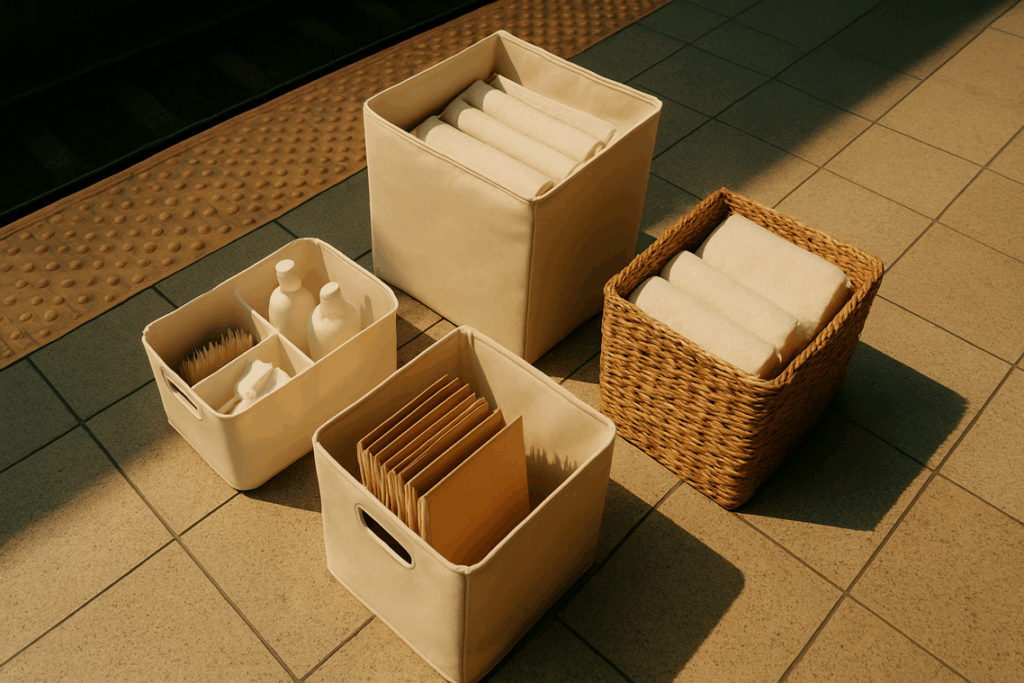
Mastering the Pantry: Your Dry Goods Sanctuary
A well-ordered pantry isn’t just aesthetic—it saves money, reduces waste, and makes weeknight cooking feel effortless. Start with the First-In, First-Out (FIFO) rule, a simple system where older items are placed at the front so they’re used first. In practice, that means sliding new cans to the back or using stackable bins to rotate pasta and beans forward. The benefit? Fewer expired surprises and more value from every grocery trip (because tossing stale crackers is basically tossing cash).
Next, embrace the power of decanting—transferring flour, sugar, rice, and pasta into clear, airtight containers. Airtight simply means sealed to prevent air and moisture from entering. This step prolongs freshness, deters pantry pests like weevils, and allows quick inventory checks before shopping. According to the USDA, proper dry storage significantly extends shelf life and preserves quality. As a bonus, uniform containers turn chaos into calm.
Then, try strategic zoning. Group baking supplies together, keep grains in one section, and dedicate a shelf to snacks. This layout makes finding ingredients intuitive and speeds up meal prep. Why dig through five shelves for cumin when it can live with your other spices?
Finally, use specific longevity hacks. Store potatoes and onions separately to prevent sprouting, and keep spices in a cool, dark place to preserve potency. Small shifts like these transform shelves into smart food storage solutions—protecting flavor, time, and your grocery budget all at once.
The Refrigerator Revolution: Keeping Fresh Foods Fresh
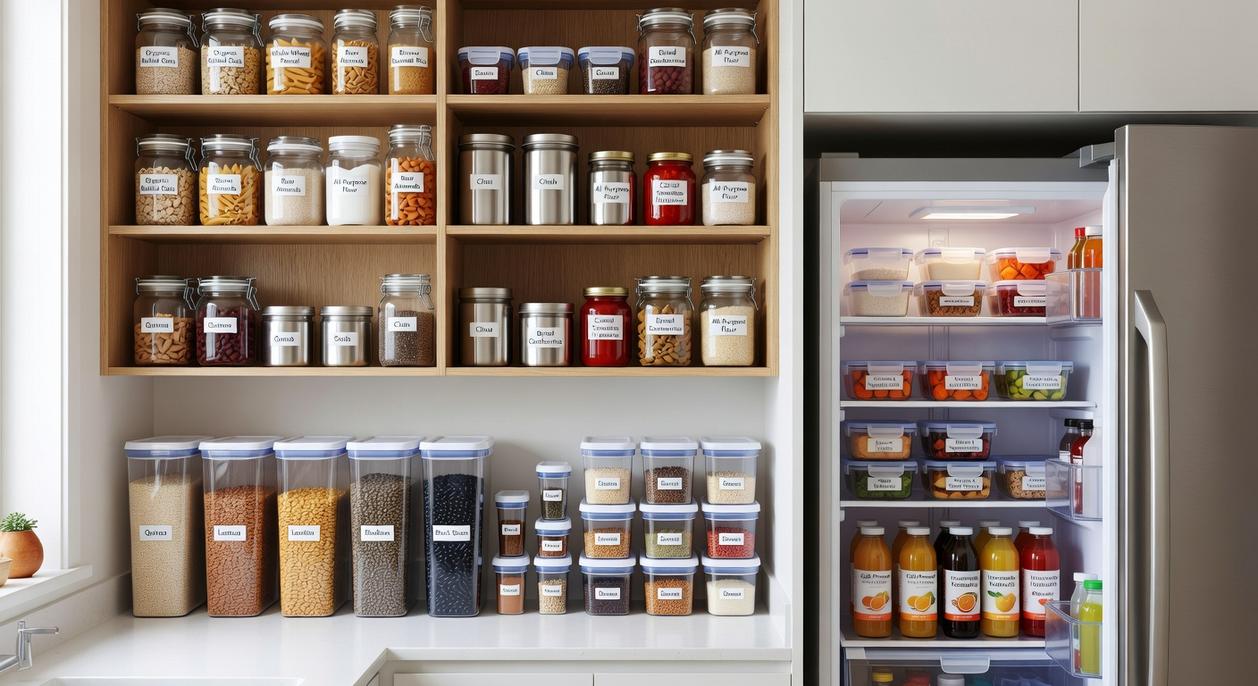
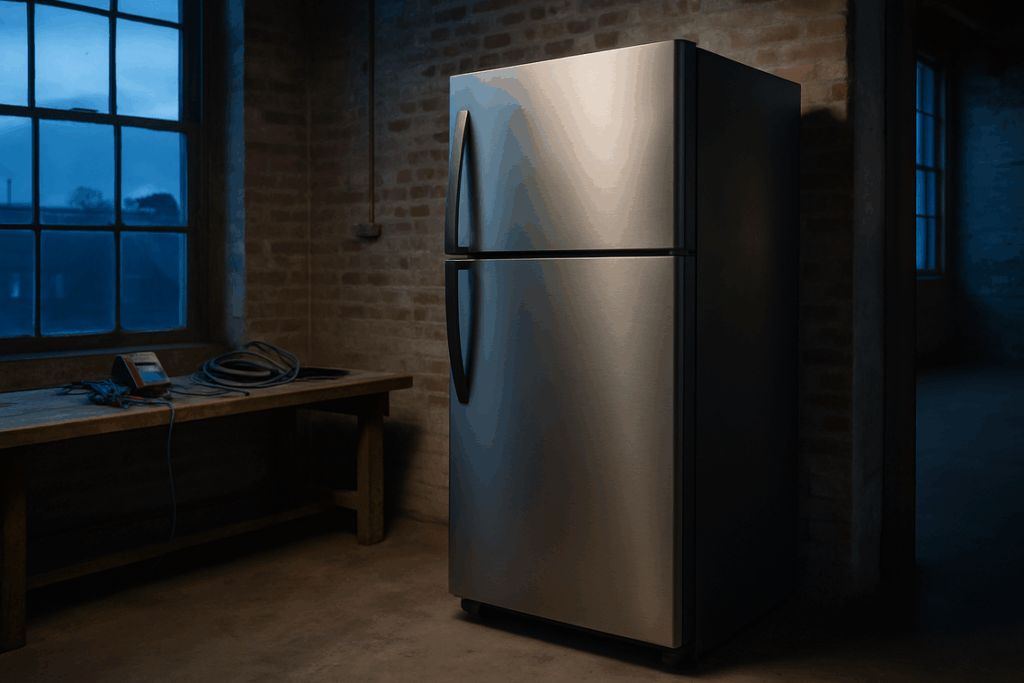
Your refrigerator isn’t one big cold box. It’s a set of microclimates—distinct temperature and humidity zones that affect how long your food lasts. According to the FDA, your fridge should stay at or below 40°F (4°C) for safety. But within that range, placement matters.
Understanding Your Fridge’s Microclimates
The door is the warmest area because it’s exposed to room temperature every time you open it. Store condiments, juices, and jams here (they’re more forgiving). The bottom shelf, especially the back, is typically the coldest—ideal for raw meat and fish.
Optimal Shelf Placement for Safety and Freshness
Follow this simple system:
- Top shelves: Leftovers, drinks, and ready-to-eat foods.
- Middle shelves: Dairy like milk and yogurt (avoid the door for milk—it spoils faster there).
- Bottom shelf: Raw meat and seafood, always on a plate or tray to catch drips.
Some argue that modern fridges circulate air evenly, so placement doesn’t matter. In theory, yes. In practice, temperature fluctuates every time the door opens (especially in busy households). Strategic placement adds an extra layer of protection.
Decoding Crisper Drawers
Crispers control humidity—the amount of moisture in the air.
- High humidity (closed vent): Leafy greens, broccoli, carrots. Moisture prevents wilting.
- Low humidity (open vent): Apples, pears, avocados. Lower moisture reduces premature rot caused by ethylene gas (a natural ripening hormone released by fruit).
Pro tip: Keep apples away from greens—ethylene makes lettuce limp faster than a forgotten sitcom reboot.
Game-Changing Preservation Techniques
- Store herbs upright in a jar with water, loosely covered, like a bouquet.
- Wrap celery tightly in aluminum foil—it can stay crisp for weeks.
- Line salad drawers with paper towels to absorb excess moisture.
These small food storage solutions make a noticeable difference. Master them, and you’ll waste less, save more, and unlock even better results when using flavor boosting tricks professional chefs swear by. Fresh ingredients always win.
Conquering the Freezer: Your Long-Term Flavor Vault
Ever opened your freezer and found a frosty, unrecognizable brick? That’s freezer burn—a form of dehydration that happens when air pulls moisture from food. The result? Dry patches, off flavors, and a texture that feels like it time-traveled badly. The fix is simple: remove as much air as possible. Vacuum sealers do this brilliantly, extending freshness and minimizing ice crystals. But they cost more and take space. Freezer-safe zip-top bags? Affordable and accessible—just press out air manually (a straw trick works in a pinch). Are they perfect? No. Are they practical? Absolutely.
The Art of Flat-Packing
Freezing soups, stocks, and sauces flat is a game changer. Why stack bulky containers when you can file meals like books? Here’s how:
- Cool liquid completely.
- Pour into a freezer bag.
- Seal, pressing out air.
- Lay flat on a baking sheet to freeze.
Once solid, stand upright to save space and reduce thawing time dramatically. (Future you will be grateful on a busy Tuesday.)
Label Everything. Regret Nothing.
Mystery stew from 2023? Hard pass. Always label with name and date. This keeps flavors at their peak and prevents waste. Sound obvious? Then why do so many of us skip it?
To Blanch or Not to Blanch? Always blanch most vegetables. Blanching—briefly boiling, then shocking in ice water—stops enzyme activity that dulls color, flavor, and nutrients. Green beans: boil 3 minutes. Broccoli florets: 2–3 minutes. Then cool, dry, freeze.
Smart food storage solutions turn your freezer into a flavor vault. What are you waiting to preserve?
Kitchen chaos isn’t just messy—it’s expensive and exhausting. An organized storage system directly cuts food waste (the EPA estimates the average U.S. household wastes about 30% of its food) and lowers daily stress. By zoning your pantry, labeling leftovers, and flat-packing in your freezer, you create simple food storage solutions that save money and precious time.
The real payoff? Meal planning becomes easier, faster, even creative—like turning “random ingredients” into a weeknight masterpiece. Instead of dreading dinner, you feel in control.
Pick one space—the fridge, pantry, or freezer—and transform it this week. Small shifts deliver lasting culinary calm. Starting today.
Keep Every Ingredient Fresh and Every Flavor Alive
You came here looking for smarter ways to preserve freshness, reduce waste, and protect the flavors that make every dish memorable. Now you understand how the right techniques — from temperature control to airtight sealing — can transform the way you store ingredients and plan meals.
The truth is, spoiled produce, stale spices, and wasted leftovers don’t just cost money — they cost creativity in the kitchen. When ingredients lose their quality, your dishes lose their potential. That frustration ends when you apply reliable food storage solutions that keep textures crisp, flavors vibrant, and meals ready when you are.
Here’s your next step: audit your kitchen today. Upgrade your containers, organize by shelf life, label clearly, and apply the storage methods you’ve just learned. Small adjustments now will save you time, reduce waste, and elevate every recipe you prepare.
Don’t let poor storage sabotage great cooking. Start implementing these proven strategies today and turn your kitchen into a space where freshness lasts longer and every ingredient performs at its best.

 Jaredricons Jordan writes the kind of cultural cuisine explorations content that people actually send to each other. Not because it's flashy or controversial, but because it's the sort of thing where you read it and immediately think of three people who need to see it. Jaredricons has a talent for identifying the questions that a lot of people have but haven't quite figured out how to articulate yet — and then answering them properly.
They covers a lot of ground: Cultural Cuisine Explorations, Hidden Gems, Culinary Pulse, and plenty of adjacent territory that doesn't always get treated with the same seriousness. The consistency across all of it is a certain kind of respect for the reader. Jaredricons doesn't assume people are stupid, and they doesn't assume they know everything either. They writes for someone who is genuinely trying to figure something out — because that's usually who's actually reading. That assumption shapes everything from how they structures an explanation to how much background they includes before getting to the point.
Beyond the practical stuff, there's something in Jaredricons's writing that reflects a real investment in the subject — not performed enthusiasm, but the kind of sustained interest that produces insight over time. They has been paying attention to cultural cuisine explorations long enough that they notices things a more casual observer would miss. That depth shows up in the work in ways that are hard to fake.
Jaredricons Jordan writes the kind of cultural cuisine explorations content that people actually send to each other. Not because it's flashy or controversial, but because it's the sort of thing where you read it and immediately think of three people who need to see it. Jaredricons has a talent for identifying the questions that a lot of people have but haven't quite figured out how to articulate yet — and then answering them properly.
They covers a lot of ground: Cultural Cuisine Explorations, Hidden Gems, Culinary Pulse, and plenty of adjacent territory that doesn't always get treated with the same seriousness. The consistency across all of it is a certain kind of respect for the reader. Jaredricons doesn't assume people are stupid, and they doesn't assume they know everything either. They writes for someone who is genuinely trying to figure something out — because that's usually who's actually reading. That assumption shapes everything from how they structures an explanation to how much background they includes before getting to the point.
Beyond the practical stuff, there's something in Jaredricons's writing that reflects a real investment in the subject — not performed enthusiasm, but the kind of sustained interest that produces insight over time. They has been paying attention to cultural cuisine explorations long enough that they notices things a more casual observer would miss. That depth shows up in the work in ways that are hard to fake.