If you’re here, you’re hungry for more than just recipes—you want to understand the stories, techniques, and global influences shaping today’s culinary landscape. This article dives into the latest food trends, regional flavors, and cultural traditions that are redefining how we cook and eat. From uncovering hidden gastronomic gems to breaking down practical kitchen strategies and chef flavor enhancement tips, we focus on insights you can actually use.
We’ve analyzed emerging dining patterns, studied traditional preparation methods, and referenced professional chef techniques to ensure every takeaway is both inspiring and practical. Whether you’re experimenting at home or refining your palate, you’ll discover how global influences, smart cooking hacks, and authentic flavor combinations can elevate everyday meals into memorable experiences. Let’s explore what’s shaping the culinary pulse right now—and how you can bring it to your own table.
Great cooking isn’t about complexity; it’s about control. When you understand how flavor works, you stop serving flat meals and start creating dishes that linger in memory. Professional kitchens rely on balance—salt to amplify, acid to brighten, fat to carry aroma, heat to awaken (yes, even a pinch can transform a pot). Mastering layering, toasting spices, and finishing with texture gives you depth instead of dullness. These chef flavor enhancement tips deliver richer taste, smarter seasoning, and fewer disappointing dinners. The payoff? Confident improvisation, restaurant-level results, and guests who ask for seconds. Every bite becomes intentional, vibrant, unforgettable, and memorable.
Master the Foundation: Strategic Salting and Fat
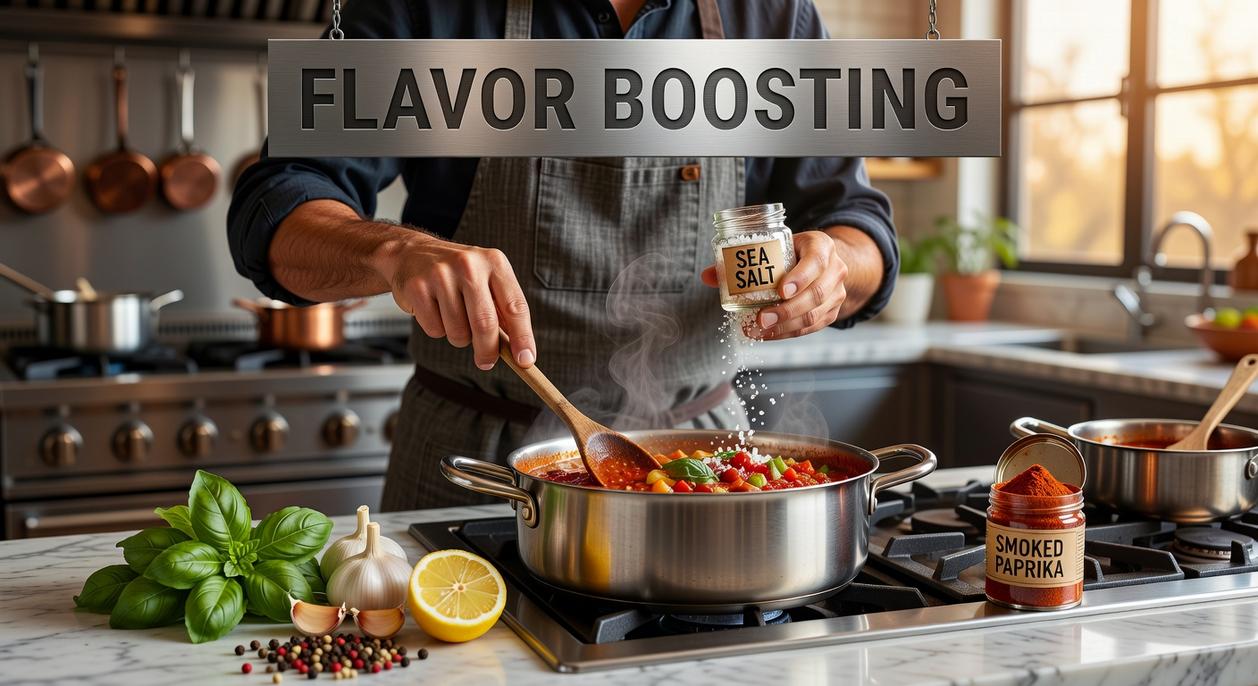
Salt isn’t a last-minute sprinkle—it’s a strategy. Layering salt means seasoning at multiple stages so flavor builds, not spikes. Salt your meat 30–60 minutes before cooking (this dry brine improves moisture retention through osmosis). Salt your pasta water until it tastes like the sea. Then finish the dish with a final pinch to sharpen everything. Each step creates depth rather than a one-note hit (think soundtrack, not doorbell).
Here’s what I recommend:
- Use kosher salt while cooking. Its larger crystals give you control and even distribution.
- Finish with flaky salts like Maldon for texture and a clean pop.
Fat is your flavor vehicle. Many aromatic compounds are fat-soluble, meaning butter, olive oil, or duck fat literally carry flavor to your palate (Harold McGee, On Food and Cooking). Want proof? Bloom spices in hot oil for 30 seconds before adding liquids. This releases essential oils and intensifies aroma—a cornerstone of chef flavor enhancement tips.
Pro tip: Warm your spices in oil until fragrant, not dark. Burnt spices turn bitter fast.
Choose your salt intentionally. Bloom your spices. Respect your fat. That’s how good cooking becomes unforgettable.
Building Depth: The Power of Browning and Umami
The Maillard Reaction Is NOT Burning
Let’s clear this up first: the Maillard reaction is not the same as burning. The Maillard reaction is a chemical process where proteins and natural sugars in food react under heat, creating new flavor compounds and that beautiful brown crust. Burning is carbonization—bitter, harsh, and acrid. Maillard browning is savory, complex, and deeply satisfying (think steakhouse aroma drifting down the street).
To trigger it, moisture is the enemy. Pat meat dry so steam doesn’t block browning. Don’t overcrowd the pan—crowding traps moisture and lowers temperature. And use high enough heat to encourage browning without tipping into smoke. When done right, you’re building layers of flavor before you even add seasoning.
Deglazing: The Secret Pan Sauce
After browning, you’ll notice browned bits stuck to the pan. That’s fond—concentrated flavor. Deglazing means adding liquid (wine, stock, even water) to loosen and dissolve that fond back into the dish. Scrape gently as it simmers. In seconds, you’ve created a base for a quick pan sauce that tastes restaurant-level (yes, like something out of a cooking competition finale).
Unlocking Umami
Umami, often called the “fifth taste,” means savoriness. It’s the deep, mouth-filling richness found in aged or fermented foods. Chefs boost it with mushroom powder, tomato paste, Worcestershire sauce, soy sauce, miso, and aged cheeses. Add small amounts; you shouldn’t taste them individually—just MORE depth overall.
These chef flavor enhancement tips work because they amplify existing flavors rather than mask them.
Adding Brightness and Life: Acidity and Fresh Herbs
A dish can have perfect technique and still taste flat. More often than not, what’s missing isn’t salt—it’s acid. Acid refers to ingredients like lemon juice, vinegar, or wine that add sharpness and balance. In practical terms, acid “cuts through” richness, meaning it reduces the heavy feel of fatty or salty foods and makes flavors pop. Think of squeezing lemon over fried fish: suddenly it tastes lighter, fresher, and more alive.
The benefit? Your food tastes more vibrant without adding extra salt or fat (a win for both flavor and health). Even a creamy pasta or slow-cooked stew can transform with a small splash at the end.
Choosing the Right Acid for the Job
Not all acids behave the same. Lemon juice brings bright, clean freshness—ideal for seafood, salad dressings, and light sauces. Red wine vinegar has a deeper, sharper edge that complements roasted vegetables and hearty stews. Balsamic vinegar, slightly sweet and syrupy, adds depth to grilled meats or even strawberries. Using the right acid means better balance and more complexity in every bite.
Meanwhile, herbs amplify those results. Hardy herbs—like rosemary, thyme, and bay leaves—release flavor slowly, so add them early to infuse soups or braises. Delicate herbs—parsley, cilantro, basil, dill—should go in at the end to preserve their aroma and color. Add them too soon and you lose their magic (and no one wants gray basil).
Mastering this approach pairs beautifully with one pan cooking techniques for easy cleanup and elevates everyday meals into restaurant-level plates using simple chef flavor enhancement tips.
The Finishing Touches: Texture and Aroma
Back in 2019, after three months of testing a winter menu, I realized texture isn’t decoration—it’s flavor. A spoonful of soup crowned with toasted nuts or crispy breadcrumbs (gremolata) suddenly tastes brighter because contrast wakes the palate. Likewise, a pinch of crunchy sea salt sharpens sweetness. Then there’s aroma. Just before serving, drizzle high-quality extra virgin olive oil, add fresh citrus zest, and finish with freshly cracked black pepper. These scents rise first, shaping expectation; chef flavor enhancement tips remind us timing matters; add them at the last minute for maximum impact every time.
Your Kitchen, Your Flavor Laboratory
You now have the core principles that elevate everyday cooking: layering salt (seasoning in stages, not all at once), browning for depth (using high heat to create complex flavor through the Maillard reaction), balancing with acid (a splash of lemon or vinegar to brighten), and finishing with fresh herbs and texture for contrast.
If a dish feels like it’s “missing something,” it’s usually not magic—it’s imbalance. Think of flavor as a soundboard. Salt amplifies. Acid sharpens. Texture excites.
These chef flavor enhancement tips work because they’re grounded in taste science.
Pick one technique tonight. Apply it intentionally. Taste the difference.
Savor Every Bite of the Journey
You came here looking to explore bold flavors, global food trends, and the cultural stories behind unforgettable dishes—and now you have the inspiration to bring them into your own kitchen. From discovering regional gems to applying smart cooking hacks and chef flavor enhancement tips, you’re better equipped to turn everyday meals into memorable culinary experiences.
But here’s the truth: bland routines and repetitive recipes are what keep most home cooks stuck. If you’re craving deeper flavor, more creativity, and dishes that truly impress, the next step is simple.
Dive into more globally inspired recipes, experiment with one new flavor technique this week, and keep exploring curated guides that spotlight hidden gastronomic treasures. Thousands of passionate food lovers already rely on our insights to elevate their cooking—now it’s your turn.
Don’t settle for ordinary. Explore, experiment, and transform your table today.

 Jaredricons Jordan writes the kind of cultural cuisine explorations content that people actually send to each other. Not because it's flashy or controversial, but because it's the sort of thing where you read it and immediately think of three people who need to see it. Jaredricons has a talent for identifying the questions that a lot of people have but haven't quite figured out how to articulate yet — and then answering them properly.
They covers a lot of ground: Cultural Cuisine Explorations, Hidden Gems, Culinary Pulse, and plenty of adjacent territory that doesn't always get treated with the same seriousness. The consistency across all of it is a certain kind of respect for the reader. Jaredricons doesn't assume people are stupid, and they doesn't assume they know everything either. They writes for someone who is genuinely trying to figure something out — because that's usually who's actually reading. That assumption shapes everything from how they structures an explanation to how much background they includes before getting to the point.
Beyond the practical stuff, there's something in Jaredricons's writing that reflects a real investment in the subject — not performed enthusiasm, but the kind of sustained interest that produces insight over time. They has been paying attention to cultural cuisine explorations long enough that they notices things a more casual observer would miss. That depth shows up in the work in ways that are hard to fake.
Jaredricons Jordan writes the kind of cultural cuisine explorations content that people actually send to each other. Not because it's flashy or controversial, but because it's the sort of thing where you read it and immediately think of three people who need to see it. Jaredricons has a talent for identifying the questions that a lot of people have but haven't quite figured out how to articulate yet — and then answering them properly.
They covers a lot of ground: Cultural Cuisine Explorations, Hidden Gems, Culinary Pulse, and plenty of adjacent territory that doesn't always get treated with the same seriousness. The consistency across all of it is a certain kind of respect for the reader. Jaredricons doesn't assume people are stupid, and they doesn't assume they know everything either. They writes for someone who is genuinely trying to figure something out — because that's usually who's actually reading. That assumption shapes everything from how they structures an explanation to how much background they includes before getting to the point.
Beyond the practical stuff, there's something in Jaredricons's writing that reflects a real investment in the subject — not performed enthusiasm, but the kind of sustained interest that produces insight over time. They has been paying attention to cultural cuisine explorations long enough that they notices things a more casual observer would miss. That depth shows up in the work in ways that are hard to fake.