If you’re searching for smarter ways to cook flavorful meals without piling up dishes, you’re in the right place. This article explores how one-pan cooking methods are transforming home kitchens—saving time, reducing cleanup, and maximizing flavor in ways that surprise even seasoned cooks. From vibrant regional rice dishes to sizzling skillet creations and oven-roasted medleys, we break down how different cultures have long embraced the beauty of cooking everything together in a single vessel.
We’ve analyzed global food trends, tested techniques across a range of cuisines, and drawn insights from professional chefs and experienced home cooks to ensure every tip here is practical and reliable. Whether you’re looking to streamline weeknight dinners or elevate your culinary skills with minimal effort, you’ll discover actionable techniques, flavor-building strategies, and cultural inspirations that make one-pan meals both efficient and extraordinary.
The Foundation: Choosing Your Pan for Maximum Efficiency
If you’ve ever tried searing trout from a Pacific Northwest market in a flimsy pan, you already know: material matters. A heavy-bottomed cast iron or stainless steel skillet distributes heat evenly and builds fond—those caramelized brown bits that chefs in bustling Brooklyn bistros scrape up for pan sauces (liquid gold, honestly). Some argue lighter pans heat faster and are easier to handle. True. But they also create hot spots, sabotaging your sear.
Size and shape are just as critical:
- A wide surface prevents overcrowding (crowding = steaming, not searing).
- High, straight sides suit braises and one-pan cooking methods.
- Sloped sides make tossing vegetables effortless.
Don’t overlook the lid. A tight fit traps moisture, perfect for finishing proteins or flash-steaming farmers’ market greens without drying them out.
And the non-stick debate? Great for eggs or delicate fish. But for deep crust and real flavor, skip it. Pro tip: preheat stainless steel properly to prevent sticking.
The Art of the Sear: Mastering Heat and Timing
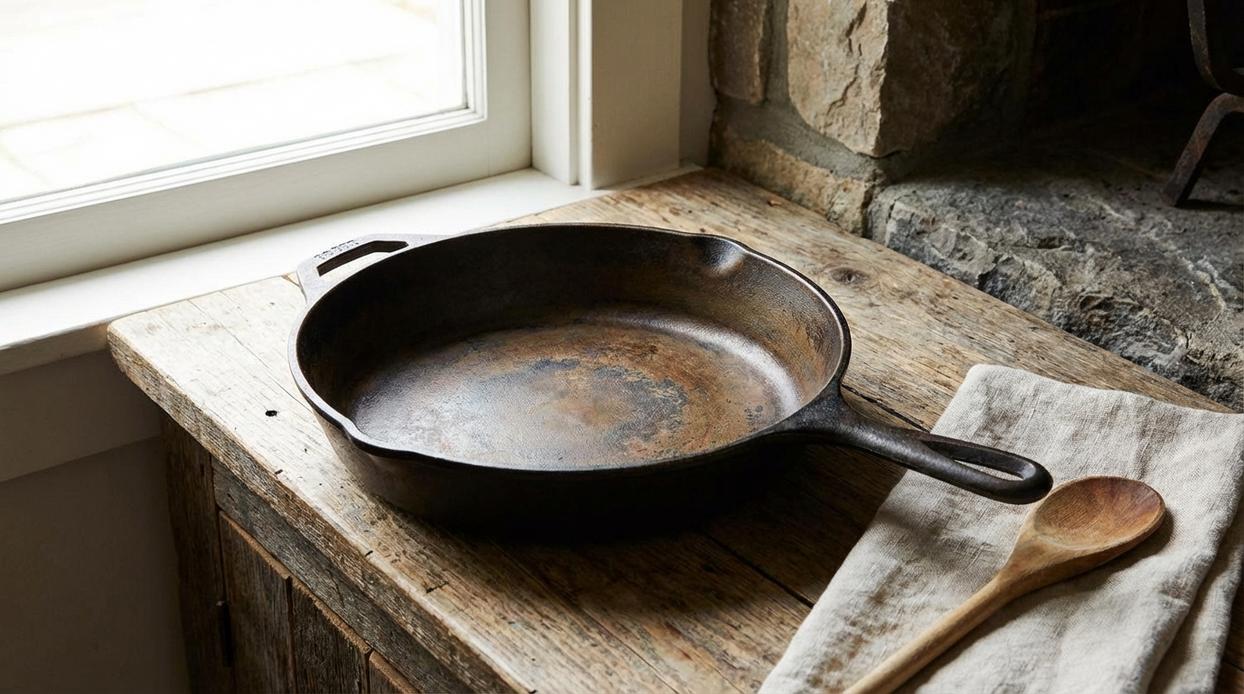
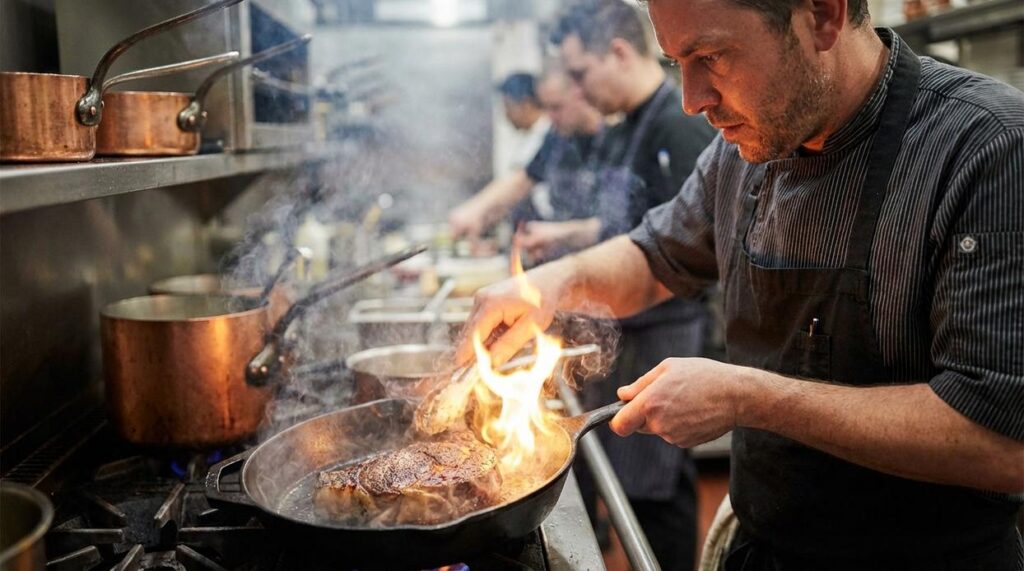
Great searing starts before the food hits the pan. The golden rule? Preheat properly. A pan that isn’t hot enough leads to steaming, not browning. To test readiness, flick a few drops of water onto the surface. If they bead up and dance across the pan (the classic water-droplet test), you’re good to go. If they sit and sizzle lazily, wait.
Why does this matter? Because of the Maillard reaction—the chemical process where heat transforms proteins and sugars into complex, savory flavors (Harold McGee, On Food and Cooking). That deep brown crust on steak or mushrooms isn’t just color; it’s flavor chemistry at work.
When building a dish, think strategically about order:
- Start with proteins like chicken thighs or steak to create browned bits (fond) on the pan.
- Cook root vegetables next; they need more time to soften.
- Add quick-cooking items like shrimp or leafy greens last.
This layering ensures everything finishes perfectly, not overcooked or raw in the center.
Equally important is the “don’t touch” technique. Once food hits the pan, resist the urge to move it. Letting it sit undisturbed allows a crust to form naturally. If it sticks, it’s not ready—give it another minute.
For efficient meals, Use one-pan cooking methods to capture every browned bit and flavor layer. Deglaze with stock or wine to lift those caramelized pieces into your sauce (pro tip: medium-high heat is usually the sweet spot).
Master heat. Respect timing. The crust will follow.
Flavor Layering: Building Complexity in a Single Skillet
Great flavor isn’t about more ingredients—it’s about smarter sequencing. In one-pan cooking methods, every step builds on the last. Think of it like stacking tracks in a song: miss one layer, and the whole thing feels flat.
Unlocking the Fond
First, let’s define fond—the browned bits stuck to the bottom of your skillet after searing meat or vegetables. That caramelization (a chemical process called the Maillard reaction) creates deep, savory flavor (Harold McGee, On Food and Cooking). Instead of scrubbing it away, deglaze.
After removing your protein, pour in a splash of wine, broth, or even water. Then scrape with a wooden spoon. Within seconds, the liquid lifts the fond and transforms it into an instant sauce. For example, sear chicken thighs, deglaze with white wine, simmer for two minutes—done. (It’s basically culinary alchemy.)
Aromatics Are Key
Next, add onions, garlic, or spices after the initial sear. Garlic burns quickly, turning bitter. So lower the heat before adding it. Bloom spices in oil for 30 seconds to release fat-soluble flavor compounds (Serious Eats). Pro tip: If the pan looks dry, add a teaspoon of oil before spices.
The Power of Acid and Fat
Then, finish smart. A squeeze of lemon or splash of vinegar brightens flavors by balancing richness. Meanwhile, a swirl of butter adds gloss and body. French chefs call this monter au beurre—it’s the difference between good and restaurant-level.
Herb Strategy
Finally, use hardy herbs like rosemary early—they withstand heat. Add delicate herbs like parsley at the end for freshness. Timing, after all, is everything (just ask any overcooked basil).
Beyond the Recipe: Three One-Pan Meal Frameworks
First, let’s start simple. The “Protein + Veg + Starch” template is the weeknight hero. Think chicken thighs, broccoli, and baby potatoes roasting together, flavors mingling like the Avengers assembling—different strengths, one unified win. Define it this way: a balanced trio cooked side by side for efficiency and harmony. It’s practical, flexible, and endlessly riffable.
Next, consider the Skillet Hash Framework. Essentially, it’s a structured scramble—diced sausage, leftover roasted vegetables, topped with an egg. Suddenly, last night’s scraps feel intentional (and a little brunch-core). This approach reduces waste while maximizing flavor.
Finally, the “Simmer Sauce” Framework builds depth first, then gently poaches proteins and vegetables—say, cod and chickpeas in tomato sauce. It’s cozy, almost cinematic, like a scene from Julie & Julia.
Together, these one-pan cooking methods prove structure fuels creativity. Pro tip: season in layers for restaurant-level results.
Bring Bold Flavor to Your Table Tonight
You came here looking for fresh inspiration, smarter techniques, and global flavors that make everyday meals exciting again. Now you have the tools, trends, and practical insights to turn ordinary cooking into something memorable.
If you’ve been stuck in a recipe rut, short on time, or craving dishes that actually taste like the world beyond your kitchen, the solution is simple: explore new ingredients, experiment with regional flavors, and embrace one-pan cooking methods that save time without sacrificing depth.
The next step? Put one idea from this guide into action today. Try a new spice blend, recreate a street‑food favorite, or test a streamlined technique during your next meal. Small changes create big flavor shifts.
Don’t let bland routines take over your table. Discover more globally inspired recipes, smart kitchen hacks, and curated culinary finds that make cooking easier and more exciting. Dive into our latest posts now and transform tonight’s meal into something worth remembering.

 Jaredricons Jordan writes the kind of cultural cuisine explorations content that people actually send to each other. Not because it's flashy or controversial, but because it's the sort of thing where you read it and immediately think of three people who need to see it. Jaredricons has a talent for identifying the questions that a lot of people have but haven't quite figured out how to articulate yet — and then answering them properly.
They covers a lot of ground: Cultural Cuisine Explorations, Hidden Gems, Culinary Pulse, and plenty of adjacent territory that doesn't always get treated with the same seriousness. The consistency across all of it is a certain kind of respect for the reader. Jaredricons doesn't assume people are stupid, and they doesn't assume they know everything either. They writes for someone who is genuinely trying to figure something out — because that's usually who's actually reading. That assumption shapes everything from how they structures an explanation to how much background they includes before getting to the point.
Beyond the practical stuff, there's something in Jaredricons's writing that reflects a real investment in the subject — not performed enthusiasm, but the kind of sustained interest that produces insight over time. They has been paying attention to cultural cuisine explorations long enough that they notices things a more casual observer would miss. That depth shows up in the work in ways that are hard to fake.
Jaredricons Jordan writes the kind of cultural cuisine explorations content that people actually send to each other. Not because it's flashy or controversial, but because it's the sort of thing where you read it and immediately think of three people who need to see it. Jaredricons has a talent for identifying the questions that a lot of people have but haven't quite figured out how to articulate yet — and then answering them properly.
They covers a lot of ground: Cultural Cuisine Explorations, Hidden Gems, Culinary Pulse, and plenty of adjacent territory that doesn't always get treated with the same seriousness. The consistency across all of it is a certain kind of respect for the reader. Jaredricons doesn't assume people are stupid, and they doesn't assume they know everything either. They writes for someone who is genuinely trying to figure something out — because that's usually who's actually reading. That assumption shapes everything from how they structures an explanation to how much background they includes before getting to the point.
Beyond the practical stuff, there's something in Jaredricons's writing that reflects a real investment in the subject — not performed enthusiasm, but the kind of sustained interest that produces insight over time. They has been paying attention to cultural cuisine explorations long enough that they notices things a more casual observer would miss. That depth shows up in the work in ways that are hard to fake.