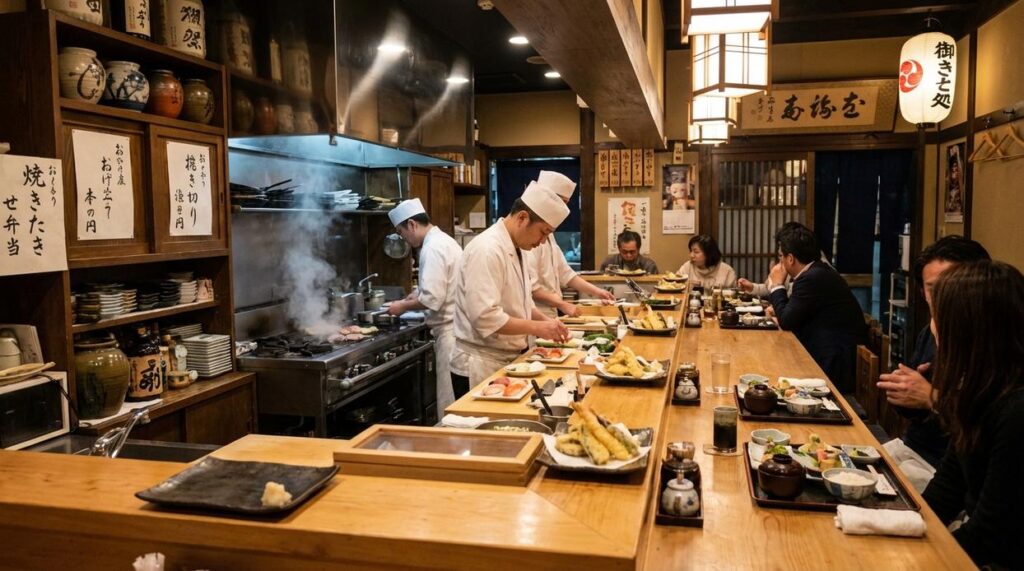

Close your eyes and imagine the sizzle of meat on a grill, smoke curling into the air, mingling with the lively aromas of spices and tangy sauces. That’s African street food for you. But here’s the thing: many food lovers are curious about these flavors yet struggle to pinpoint what makes them so unique.
Why is African street food so mesmerizing?
I’ve spent years diving into global food trends, unraveling the secrets of these tantalizing bites. This isn’t just curiosity; it’s a passion. Trust me, understanding African street food flavors isn’t rocket science.
It’s about breaking down fiery spice blends, smoky grilled meats, and those unforgettable sauces.
You’ll get a roadmap of these foundational flavors here. Dive in, and soon you’ll be inspired to bring these bold tastes into your own kitchen.
The Heartbeat of Flavor: Important Spice Blends & Pastes
Ever wonder what makes iconic dishes so unforgettable? It’s the bold spice blends and pastes, the unsung heroes of flavor. These foundational elements create a complex base layer that transforms ordinary meals into extraordinary experiences. to the world of African street food flavors and see how they do it.
Berbere: The Fiery Red
Starting with Berbere from Ethiopia and Eritrea. It’s that deep red powder that looks like it’s packed with secrets (and it is). The warmth and spice of chili peppers blend with garlic, ginger, basil, and fenugreek.
The result? A spice mix that serves as the perfect rub for meats or a base for hearty stews.
Suya Spice, or Yaji, hails from West Africa. Its nutty, spicy, and savory character is unforgettable. Made from roasted groundnuts, ginger, paprika, and cayenne, it’s ideal for grilled meat skewers.
You can’t think of West African street food without imagining the aroma of Suya sizzling on the grill.
Then there’s Harissa from North Africa. This fiery, aromatic chili paste varies by region but often includes roasted red peppers, garlic, caraway, and coriander. Its versatility is unmatched, working as a condiment or marinade.
It’s a staple that every kitchen should have.
Finally, Chermoula. This wet marinade is a fresh, herbaceous delight, with cilantro, parsley, lemon, and cumin. Often used for fish, it adds a tangy twist that elevates any meal.
These spices and pastes don’t just boost meals. They celebrate culture. For more on how flavors like these shape cuisines globally, check out the impact fusion cuisine worldwide.
Kissed by Fire: The Art of Smoky & Charred Street Meats
Grilling over open flames is the heart and soul of African street food flavors. It’s not just about cooking meat; it’s about a flavor journey you can’t replicate indoors. Think about it.
The first bite of smoky, charred meat on a bustling street is unforgettable.
Let’s start with ‘Nyama Choma’ from East Africa. This is no ordinary barbecue. It’s simply salted goat or beef, slow-roasted to perfection.
The magic lies in the quality of the meat and wood smoke that wraps around it. Visit Kenya and you’ll know what I mean. That distinctive taste (like no steakhouse can offer) is why people gather around.
Moving on to ‘Suya’ from Nigeria, we’re talking thinly sliced meat, marinated in spices. Coated with Yaji spice, it hits you with heat. Then it’s grilled quickly on skewers.
The grilling toasts its peanut-based crust, creating a savory, spicy experience. You can’t help but crave more.
And then there’s ‘Dibi’ from Senegal. Here, lamb or mutton is seasoned with black pepper and often mustard. It’s cooked in a special pit or grill.
Served with grilled onions, it’s a treat for your senses. The way the spices meld with the meat is genius.
Want to bring this home? Use a grill pan, add some smoked paprika, or a drop of liquid smoke in your marinade. Just a hint, and you’ll get that charred essence.
And if you’re curious about more African flavors, you can dive deeper into east african cuisine: spices, street food,.
Ready to fire up that grill?
Tangy Twists: Sweet, Sour & Fermented Flavors
When it comes to African street food flavors, it’s all about balance. The richness of fried delights like Mandazi or Akara needs a counterpoint. tangy elements step in. They cut through the fat and add a brightness that makes each bite exciting.
Tamarind is the star here.
Its sweet-and-sour pulp turns into sauces that raise simple fried snacks. Imagine dipping a crisp Mandazi into a tamarind sauce, and you’ll get what I mean.
And then there’s hibiscus. Known as Zobo in Nigeria or Bissap in Senegal, it’s not just a drink; it’s an experience. Think of it like cranberry juice but bolder.
Street vendors serve it chilled, a perfect refreshment on a hot day. This tartness can inspire a vinaigrette or even a dessert syrup. A dash of that hibiscus flavor can transform an ordinary dish into something memorable.
Fermented flavors deserve a mention too. Ever tried Kenkey? It’s fermented corn dough and offers a subtle sourness that’s important in many regions.
Pair it with a spicy sauce or fried fish, and you’ll see why it’s a staple.
Balance is key in any dish. It’s the principle that makes these street foods craveable. And speaking of balance, have you checked out future sustainable seafood practices?
It’s all about finding harmony there too. These flavors prove that when you get it right, every bite is a journey worth taking.
Deeply Savory: Unlocking Umami with Unique Ingredients
You know that moment when a dish just hits differently? That’s umami at work. It’s not just a taste; it’s a full-on experience.
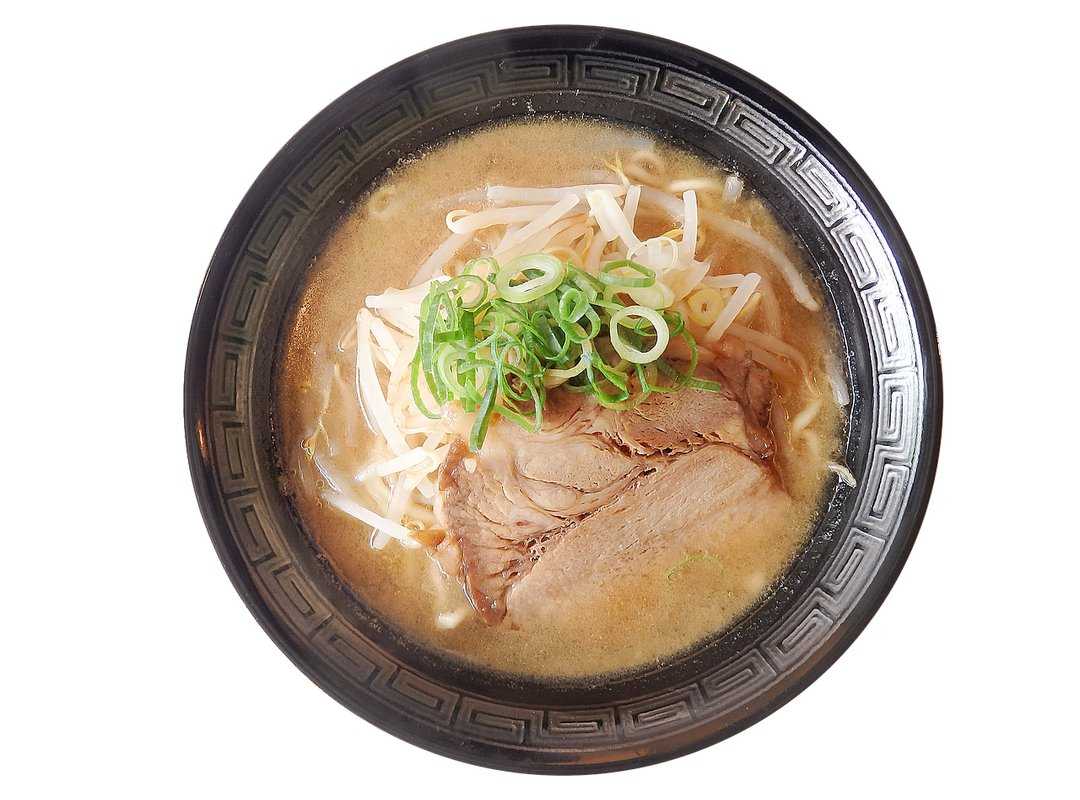
In African street food flavors, umami isn’t just a sprinkle of salt. It’s a journey (an) exploration of flavors that go beyond the basics.
Take groundnuts, for example. You might know them as peanuts, but they’re so much more. Beyond the Suya spice, they transform into rich, nutty sauces and stews like Groundnut Soup.
That depth of flavor? It’s umami gold.
But here’s where it gets even more interesting. Fermented seasonings like Dawadawa or Iru (ever heard of them?) are the unsung heroes. Think of them as the African version of miso or bouillon cubes.
They bring a funky aroma and depth to your stews that you didn’t know you needed. It’s like discovering a new color you didn’t know existed.
And don’t forget the dried fish and shrimp. These are the backbone of dishes like Jollof rice and shito sauce. The dried, often smoked, fish or ground shrimp powder imparts an intense, salty, and deeply savory flavor.
It’s the kind of flavor that makes you wonder why you haven’t been using them all along.
These ingredients are more than seasonings. They’re the secret weapons for authentic, deeply satisfying flavors. You can’t replicate this depth with just a dash of salt.
It’s about embracing the bold, the fermented, and the dried. It’s about going beyond the surface and diving into the heart of what makes a dish truly memorable.
Infuse African Flavors: A Simple Start
You don’t need to go all out with complex dishes to enjoy African street food flavors at home. Start simple. Grab a spice blend like Yaji or Berbere.
Use it as a rub on chicken or fish. It’s easy and packs a punch.
Or mix harissa with yogurt for a quick dipping sauce. Want to raise your stew? Add smoked paprika and a squeeze of lime.
Trust me, these flavors balance beautifully.
Does cooking African food seem daunting? It doesn’t have to be. Just start with these basics and see how your meals transform.
Dive Into Bold Tastes Now
Curious about African street food flavors? Good. These flavors are all about bold spices, smoky char, bright tang, and deep umami.
Don’t overthink it. Pick one flavor profile. Add it to your cooking this week.
You’ll love it. Discover why this cuisine has captivated taste buds worldwide.

 Jaredricons Jordan writes the kind of cultural cuisine explorations content that people actually send to each other. Not because it's flashy or controversial, but because it's the sort of thing where you read it and immediately think of three people who need to see it. Jaredricons has a talent for identifying the questions that a lot of people have but haven't quite figured out how to articulate yet — and then answering them properly.
They covers a lot of ground: Cultural Cuisine Explorations, Hidden Gems, Culinary Pulse, and plenty of adjacent territory that doesn't always get treated with the same seriousness. The consistency across all of it is a certain kind of respect for the reader. Jaredricons doesn't assume people are stupid, and they doesn't assume they know everything either. They writes for someone who is genuinely trying to figure something out — because that's usually who's actually reading. That assumption shapes everything from how they structures an explanation to how much background they includes before getting to the point.
Beyond the practical stuff, there's something in Jaredricons's writing that reflects a real investment in the subject — not performed enthusiasm, but the kind of sustained interest that produces insight over time. They has been paying attention to cultural cuisine explorations long enough that they notices things a more casual observer would miss. That depth shows up in the work in ways that are hard to fake.
Jaredricons Jordan writes the kind of cultural cuisine explorations content that people actually send to each other. Not because it's flashy or controversial, but because it's the sort of thing where you read it and immediately think of three people who need to see it. Jaredricons has a talent for identifying the questions that a lot of people have but haven't quite figured out how to articulate yet — and then answering them properly.
They covers a lot of ground: Cultural Cuisine Explorations, Hidden Gems, Culinary Pulse, and plenty of adjacent territory that doesn't always get treated with the same seriousness. The consistency across all of it is a certain kind of respect for the reader. Jaredricons doesn't assume people are stupid, and they doesn't assume they know everything either. They writes for someone who is genuinely trying to figure something out — because that's usually who's actually reading. That assumption shapes everything from how they structures an explanation to how much background they includes before getting to the point.
Beyond the practical stuff, there's something in Jaredricons's writing that reflects a real investment in the subject — not performed enthusiasm, but the kind of sustained interest that produces insight over time. They has been paying attention to cultural cuisine explorations long enough that they notices things a more casual observer would miss. That depth shows up in the work in ways that are hard to fake.