Standing in a wine aisle, faced with endless Italian labels, can be overwhelming. I’ve been there. But what if I told you there’s a way to cut through the noise?
This isn’t just a guide. It’s a sensory journey through Italian wine regions. I’ve spent years exploring regional cuisines and the stories behind them.
Wine isn’t just a drink; it’s culture in a bottle. By the end, you won’t merely recognize names on a map. You’ll taste, smell, and feel the soul of each key region.
You’ll choose your next bottle with newfound confidence and appreciation. Ready to explore?
The Majestic North: Bold Reds and Bubbling Prosecco
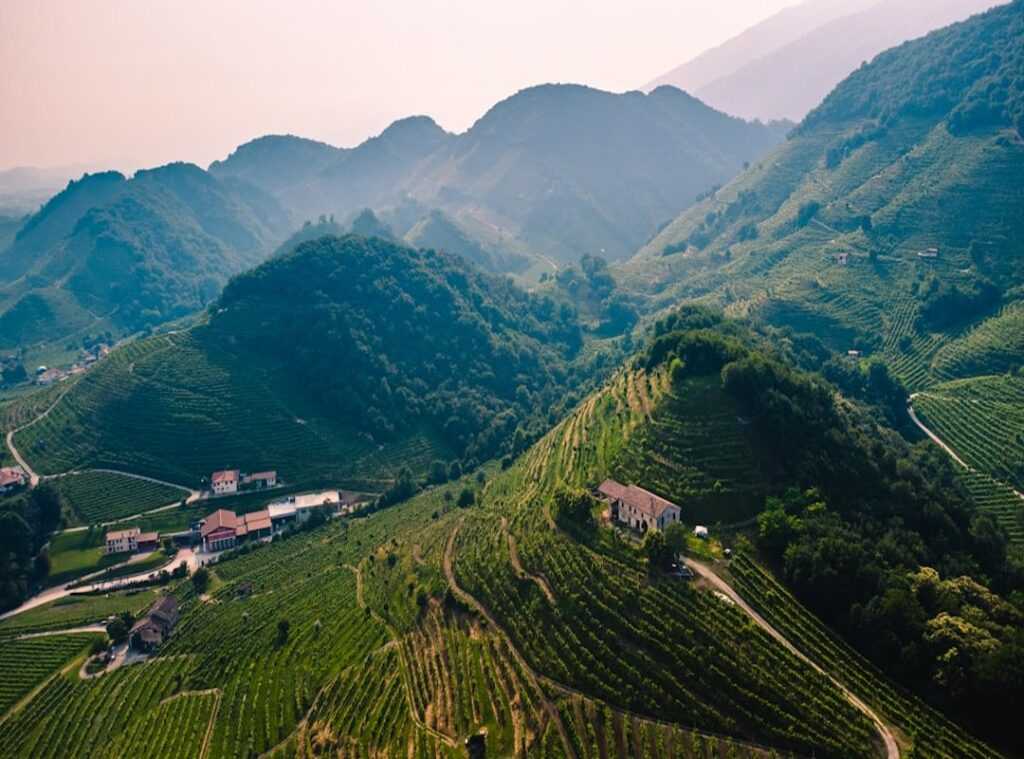
Northern Italy isn’t just a place; it’s an experience. Think fog-covered Alps and the serene Venetian canals. These dramatic landscapes shape the character of the region’s sophisticated wines.
The Italian wine regions here offer something extraordinary.
This grape isn’t just any grape; it’s the soul of Barolo and Barbaresco. Imagine roses, tar, and dried cherries mingling in one glass. That’s Nebbiolo for you.
Let’s start with Piedmont. They call it the “Burgundy of Italy.” Ever wondered why? It’s because of the Nebbiolo grape.
Its structure is solid, with tannins that demand attention.
And what do you pair with these bold reds? Truffle risotto, mushroom dishes, or a slow-braised beef works wonders. Trust me, it’s a match made in culinary heaven.
Now, shift your gaze to Veneto. This place is all about diversity. Prosecco here is crisp and celebratory, with flavors like green apple, pear, and honeysuckle dancing on your palate.
It’s the drink you want for any celebration.
Contrast that with the rich Amarone della Valpolicella. Made from dried grapes, it’s like sipping on liquid fruitcake. Notes of fig and chocolate make it unforgettably intense.
Quite the opposite of Prosecco, but both are important in understanding this region’s offerings.
Curious about other lesser-known culinary gems? Take a detour to places like “Underrated Food Destinations Asia” here. It’s a journey worth exploring.
In the end, Northern Italy is a the diversity of Italian wine regions. From the bold reds of Piedmont to the bubbling charm of Veneto’s Prosecco, it’s a sensory adventure. Each sip tells a story, each taste a memory.
Who wouldn’t want to explore that?
Tuscany: Where Hills Meet Chianti
Picture this: Tuscany’s rolling hills, drenched in sun, dotted with those iconic cypress trees. You know the ones. This isn’t just a postcard moment; it’s the heart of Italy, where the space practically begs you to explore its treasures.
It’s a why the region’s blends remain unrivaled. Sangiovese, the king of Tuscan grapes, makes its grand appearance in Chianti Classico. Not just a bottle wrapped in a straw basket (remember seeing those at fancy dinners?), but a wine that’s savory with bursts of tart cherry and earthy herbs.
Let’s talk about those treasures. The wines, of course. Tuscany isn’t just another stop on the Italian wine map.
Chianti is the perfect food companion. Its high acidity means it pairs like a dream with tomato-based pasta sauces and pizza. Ever tried it with Bistecca alla Fiorentina?
If not, you should. Trust me, you’ll thank me later.
Now, if you’re curious, the Brunello di Montalcino offers a more strong version of Sangiovese. It’s solid and made for aging. And let’s not skip “Super Tuscans.” They push the boundaries of tradition in the best way possible, blending international grapes for a modern twist.
Want to dive deeper? Check out exploring italian wine regions: a guide for enthusiasts. It’s a fascinating read that’ll take you through the rich mix of Italian wines (see what I did there?).
Tuscany isn’t just about drinking wine; it’s about soaking up a centuries-old culture where every sip tells a story. That’s why these Italian wine regions are magical.
The Sun-Drenched South: Rustic Charm and Volcanic Soils
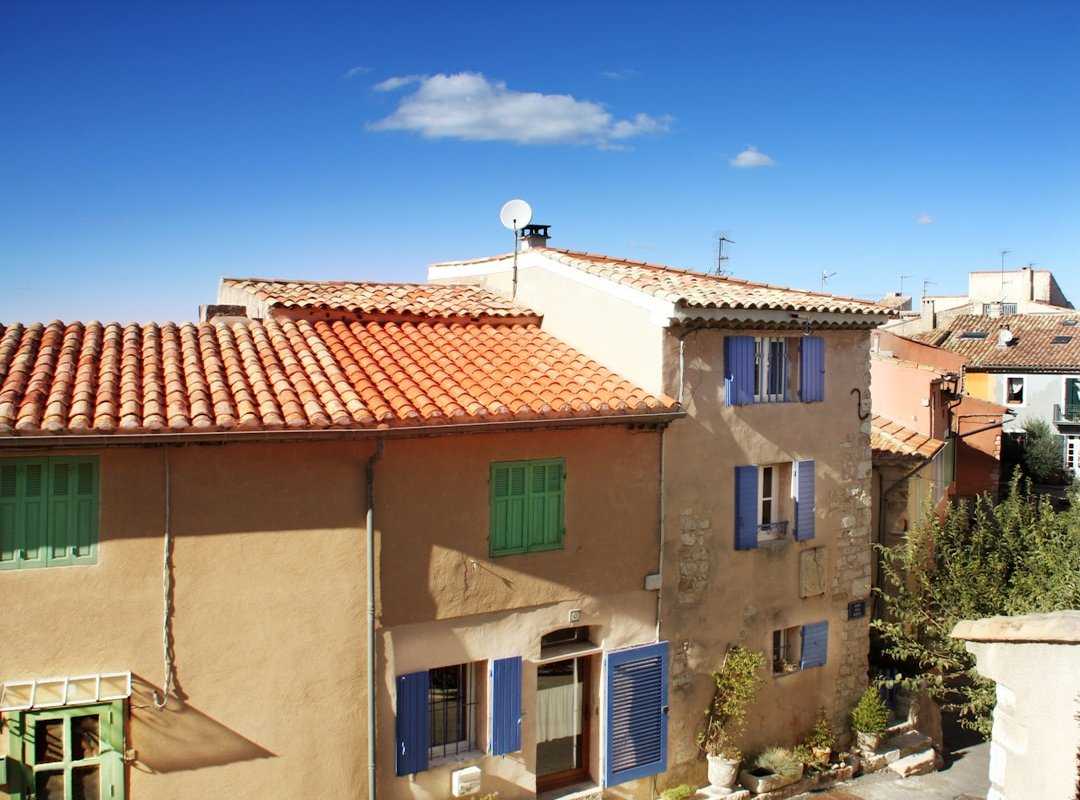
When you think of Italian wine regions, the south jumps out with its sun-baked charm. Puglia, often called ‘the heel of the boot,’ thrives under the constant sun. Here, grapes soak up every ray, crafting wines that are ripe, fruity, and full-bodied.
You’ve got Primitivo, a grape that’s genetically similar to Zinfandel, with a flavor profile that’s a jammy delight. Imagine dark cherry and blackberry, layered with a hint of licorice. It’s the kind of wine you’d pull out at a barbecue because it’s just that approachable.
Then there’s Campania. This region owes its unique character to Mount Vesuvius’s volcanic soils. It’s not just the scenery that’s special.
The Aglianico grape grows here, often dubbed ‘the Barolo of the South’ due to its solid structure and complexity. This wine doesn’t just flirt with your senses. It grabs hold and doesn’t let go.
But don’t skip over the white wines. Fiano, for instance, is a gem. Its texture is rich, flavors dancing from orange peel to melon and even hazelnut.
It’s not every day you find a white wine that’s this textured and flavorful.
These regions are more than just wine producers. They’re a Italy’s lively culture. And hey, if you’re into exploring local flavor scenes, ever heard about Hidden Street Food Stalls New York City?
You’d be surprised at the culinary secrets hiding in plain sight, just like these wines waiting to be discovered.
Wines of the Islands: Volcanic Magic and Sea Breezes
Let me tell you about Sicily and Sardinia. These Italian wine regions are like no other. Why?
It’s their volcanic soils and sea breezes. They create flavors you won’t find anywhere else. Take Sicily, for instance.
Mount Etna’s wines have this flinty note that just screams volcanic. That mineral touch is unforgettable.
Nerello Mascalese, grown on Etna’s slopes, is a favorite of mine. Elegant and earthy, it hits you with bright red fruit and then that distinct mineral note. It’s like tasting history.
There’s also Nero d’Avola, Sicily’s star red. It’s bold, full-bodied, bursting with black cherry and plum. Sometimes I catch a hint of spice, which just rounds it out perfectly.
Switching gears to Sardinia, you’ve got to try Cannonau. Known elsewhere as Grenache, it offers ripe strawberries, leather, and a kick of white pepper. It’s rustic yet refined.
And don’t get me started on Vermentino. Close your eyes and imagine feeling a salty sea breeze, tasting green apple and lime. There’s even a little bitterness from almond to finish.
It pairs with seafood like nothing else.
You might wonder if these islands’ wines live up to Italy’s mainland offerings. The answer is a resounding yes. They’re unique, offering something even seasoned wine lovers should not ignore.
It’s the combination of indigenous grapes and challenging terrains that makes it special.
I’ve sipped these wines on sunlit balconies and noisy trattorias. They’re part of an experience. One that captures the spirit of the islands.
Can you taste it yet? Next time your glass is empty, try something from these islands. You’ll thank me later.
Sip the Story of Italy
You’ve just journeyed through the vast Italian wine regions. Feels like a whirlwind of choices, right? But remember, it’s not a maze.
It’s a menu of flavors waiting for you to explore.
Understanding why each region tastes the way it does makes sipping more rewarding. So, what’s next? Dive deeper.
Pick one region that caught your attention. Head to your local wine shop, and ask for a bottle from that area.
Taste the story yourself. It’s not just wine. It’s history in a glass.
Don’t just read about it. Sip, savor, and experience the magic. Ready to start?

 There is a specific skill involved in explaining something clearly — one that is completely separate from actually knowing the subject. Rendric Dornhaven has both. They has spent years working with cultural cuisine explorations in a hands-on capacity, and an equal amount of time figuring out how to translate that experience into writing that people with different backgrounds can actually absorb and use.
Rendric tends to approach complex subjects — Cultural Cuisine Explorations, Cooking Hacks and Kitchen Tricks, Regional Taste Deep Dives being good examples — by starting with what the reader already knows, then building outward from there rather than dropping them in the deep end. It sounds like a small thing. In practice it makes a significant difference in whether someone finishes the article or abandons it halfway through. They is also good at knowing when to stop — a surprisingly underrated skill. Some writers bury useful information under so many caveats and qualifications that the point disappears. Rendric knows where the point is and gets there without too many detours.
The practical effect of all this is that people who read Rendric's work tend to come away actually capable of doing something with it. Not just vaguely informed — actually capable. For a writer working in cultural cuisine explorations, that is probably the best possible outcome, and it's the standard Rendric holds they's own work to.
There is a specific skill involved in explaining something clearly — one that is completely separate from actually knowing the subject. Rendric Dornhaven has both. They has spent years working with cultural cuisine explorations in a hands-on capacity, and an equal amount of time figuring out how to translate that experience into writing that people with different backgrounds can actually absorb and use.
Rendric tends to approach complex subjects — Cultural Cuisine Explorations, Cooking Hacks and Kitchen Tricks, Regional Taste Deep Dives being good examples — by starting with what the reader already knows, then building outward from there rather than dropping them in the deep end. It sounds like a small thing. In practice it makes a significant difference in whether someone finishes the article or abandons it halfway through. They is also good at knowing when to stop — a surprisingly underrated skill. Some writers bury useful information under so many caveats and qualifications that the point disappears. Rendric knows where the point is and gets there without too many detours.
The practical effect of all this is that people who read Rendric's work tend to come away actually capable of doing something with it. Not just vaguely informed — actually capable. For a writer working in cultural cuisine explorations, that is probably the best possible outcome, and it's the standard Rendric holds they's own work to.