
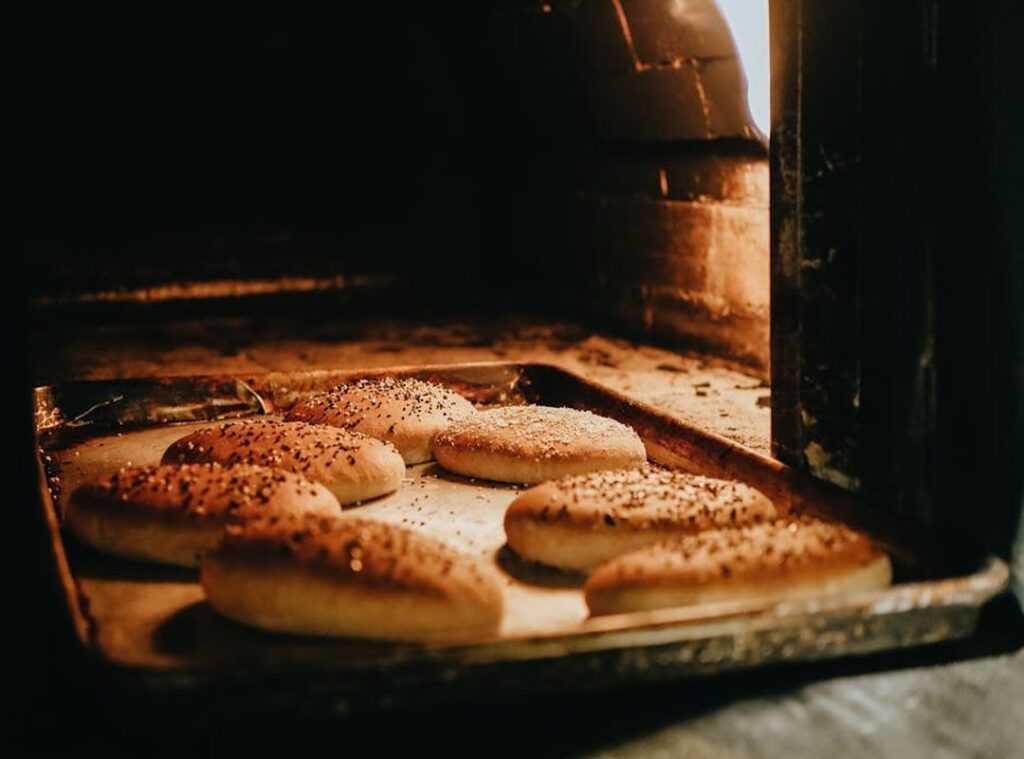
Ever cut into a dish that should crunch but instead just flops? It’s a letdown, like hearing the whisper of mush instead of a satisfying crackle. You deserve better.
Imagine pulling a tray from your oven, the aroma teasing you, and every bite rewarding you with a perfect golden crust. This isn’t about guesswork; it’s about unlocking secrets. We’ll explore global techniques (high-heat roasting, delicate dehydration) and deliver the science behind crispy oven fried foods.
Trust in this guide to transform your cooking. Ready for the satisfying crunch every time? Dive in and discover the strategies that guarantee success.
The Science of the Crunch: Why Your Oven Can Be a Frying Pan
Ever wondered why some oven-fried foods turn out soggy while others achieve that perfect crunch? It’s all about the Maillard reaction. This magical browning process creates over a thousand new flavors and aromas.
It’s like having a tiny kitchen wizard working inside your oven, conjuring up crispy textures.
But here’s the catch: moisture is your enemy. You can’t get a tan in the rain, right? The same goes for food.
Now, let’s talk about the usual suspects. Those soggy culprits. Overcrowding the pan is a big no-no.
Steam makes things soggy. So, to achieve that crispy oven-fried goodness, you need to eliminate moisture. If the surface of your food isn’t dry, you’re just baking, not frying.
It leads to steaming rather than roasting. And if your oven temperature is too low, you’re baking instead of roasting. Plus, using the wrong type of fat can ruin everything.
You want fats that can handle high temperatures, like vegetable or canola oil.
Picture this: the dull, pale skin of a steamed potato versus the deep amber, crackled surface of a properly roasted one. It’s like comparing a cloudy day to a sunny one. Sugars and proteins in foods react to dry heat, forming that coveted crust.
It’s a game of science, really.
For those of us who value our time, mastering these tricks is a lifesaver. (Speaking of which, Time Saving Kitchen Tricks Busy Parents can help you juggle it all.) Who doesn’t want more crispy oven-fried foods in their life?
Crispy Game-Changers: Tools and Ingredients
Let’s talk pans. I’ve tried them all, and dark, heavy-gauge metal baking sheets are my go-to for crispy oven fried foods. Why?
Simple. They conduct heat more evenly than those flimsy glass or light-colored pans. More heat means better browning.
Ever struggle with soggy bottoms? Welcome to the champion of crispiness: the wire rack. By elevating your food, it lets hot air circulate all around, turning your oven into a full-on crisping machine.
Now, if you have a convection setting, you’re in luck. It’s like having an air fryer on steroids for your whole oven. The constant flow of hot, dry air means everything gets evenly crisped.
It’s a game-changer. Want a tip? Use this method for fries or chicken wings and marvel at the results.
If you’re curious, check out this resource for more crispy oven tips.
On to ingredients. Fats play a huge role. High-smoke-point oils like grapeseed or avocado are perfect for crisping at high temps.
A whisper-thin coating of cornstarch, potato starch, or rice flour transforms veggies or tofu into crispy masterpieces.
Butter? It’s about flavor (best) for lower temperatures. And don’t even get me started on the magic of starches.
Does it sound too good to be true? It’s not. These starches draw out moisture, leaving behind a tantalizingly crisp exterior.
Try it next time you’re making a platter of roasted vegetables or chicken bites. Trust me, once you go crispy, there’s no turning back. There you have it.
My essentials for achieving crispy perfection every time.
From Prep to Plate: Master Techniques for Unbeatable Texture
Cooking isn’t just about following a recipe. It’s about mastering techniques that raise your dish to perfection. Want crispy oven fried foods?
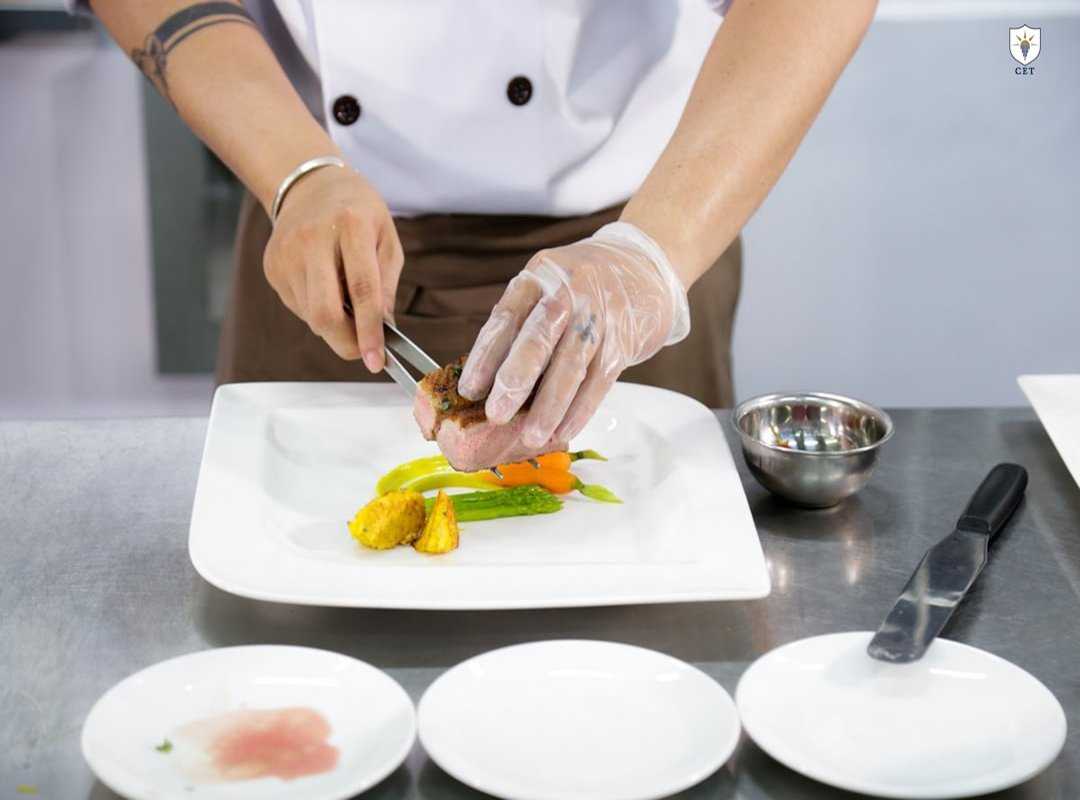
Start with a preheated oven and pan. This step isn’t just for fun. It’s key to get that initial sear.
When your food hits the heat, it should sizzle (not) sit there wondering what’s happening.
Speaking of sizzling, there’s the golden rule: don’t crowd the pan. You need to listen for that sizzle. If the food just thuds, you’re doing it wrong.
Overcrowding means steam, not sear. Use two pans if you have to. Trust me, the results are worth the extra dishwashing.
Then there’s the ‘Par-Bake’ or ‘Double-Cook’ method. It’s genius. Start baking at a moderate temperature to cook through.
Once that’s done, crank up the heat. This blasts the outside into a crispy crust. Potatoes, chicken wings (you) name it, it works.
Ever hear about patting dry? It’s not just a suggestion. It’s non-negotiable.
For proteins and veggies, moisture is the enemy of crispiness. Pat them dry before they hit the pan. You won’t regret it.
The broiler is your secret weapon for a final crisp. It’s fast and intense, but don’t walk away. Seriously, don’t even blink.
Food goes from golden to charred in seconds. The broiler isn’t forgiving.
Now, if rice is your thing, don’t miss how to make perfectly fluffy rice every time. It’s a game-changer.
Remember, each step is a building block. Skip one, and you risk a soggy mess. But nail these techniques, and the texture of your crispy oven fried foods will be unbeatable.
You got this.
Beyond Fries: Global Inspirations for Your Next Crispy Dish
You think crispy means just fries? Think again. There’s a world of crispy oven fried foods waiting for you to discover.
Let’s start with Crispy Baked Tofu slathered in a Korean Gochujang glaze. Press that tofu and give it a light cornstarch dusting. The result?
An addictively crunchy shell with a soft, creamy inside. It’s like biting into a savory marshmallow (but better).
Now, how about something snackable? Spiced Crispy Chickpeas. Imagine these as tiny, savory pops of flavor.
Perfect for munching or topping salads and soups. The trick here is rinsing and drying them thoroughly before baking. Moisture is the enemy of crispiness, after all.
Then there’s Baked Halloumi with Lemon and Thyme. A golden-brown crust forms on the outside, yet inside, it retains its delightful squeak. Halloumi is a cheese that holds its shape (no melty puddles here).
High dry heat is the magic key. Picture it (a) satisfying bite with a zesty lemon lift and fragrant thyme.
Don’t overlook crispy baked Brussels sprout leaves. They add a new dimension to the usual veggie suspects. Imagine them crackling in the oven, ready to bring that extra textural flair to your dish.
These are not your average crispy foods. They offer global flavors and textures that are a step beyond the ordinary. Ready to give these dishes a try?
Your taste buds will thank you for the adventure.
Crunch Perfected: Your Next Kitchen Adventure
Let’s talk about that soggy meal disappointment. You know the one. But now, you’ve got the secrets to beat it.
Master heat, air, and moisture. That’s the magic. Use these tools and techniques to serve up audibly crispy oven fried foods.
You’ll impress everyone (maybe even yourself). So, what’s next? Pick a technique from this guide and try it.
Dive into those global flavors and take your culinary skills up a notch. Why settle for soft when you can have crunch? Get cooking, and let your kitchen be the stage for your crispy creations.

 There is a specific skill involved in explaining something clearly — one that is completely separate from actually knowing the subject. Rendric Dornhaven has both. They has spent years working with cultural cuisine explorations in a hands-on capacity, and an equal amount of time figuring out how to translate that experience into writing that people with different backgrounds can actually absorb and use.
Rendric tends to approach complex subjects — Cultural Cuisine Explorations, Cooking Hacks and Kitchen Tricks, Regional Taste Deep Dives being good examples — by starting with what the reader already knows, then building outward from there rather than dropping them in the deep end. It sounds like a small thing. In practice it makes a significant difference in whether someone finishes the article or abandons it halfway through. They is also good at knowing when to stop — a surprisingly underrated skill. Some writers bury useful information under so many caveats and qualifications that the point disappears. Rendric knows where the point is and gets there without too many detours.
The practical effect of all this is that people who read Rendric's work tend to come away actually capable of doing something with it. Not just vaguely informed — actually capable. For a writer working in cultural cuisine explorations, that is probably the best possible outcome, and it's the standard Rendric holds they's own work to.
There is a specific skill involved in explaining something clearly — one that is completely separate from actually knowing the subject. Rendric Dornhaven has both. They has spent years working with cultural cuisine explorations in a hands-on capacity, and an equal amount of time figuring out how to translate that experience into writing that people with different backgrounds can actually absorb and use.
Rendric tends to approach complex subjects — Cultural Cuisine Explorations, Cooking Hacks and Kitchen Tricks, Regional Taste Deep Dives being good examples — by starting with what the reader already knows, then building outward from there rather than dropping them in the deep end. It sounds like a small thing. In practice it makes a significant difference in whether someone finishes the article or abandons it halfway through. They is also good at knowing when to stop — a surprisingly underrated skill. Some writers bury useful information under so many caveats and qualifications that the point disappears. Rendric knows where the point is and gets there without too many detours.
The practical effect of all this is that people who read Rendric's work tend to come away actually capable of doing something with it. Not just vaguely informed — actually capable. For a writer working in cultural cuisine explorations, that is probably the best possible outcome, and it's the standard Rendric holds they's own work to.