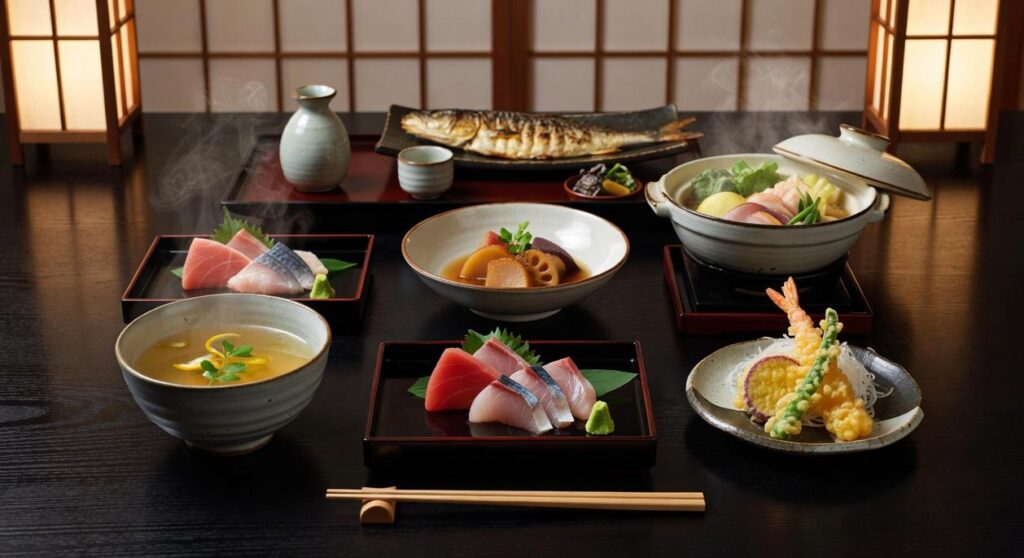
If you’re searching for a deeper understanding of the kaiseki dining tradition, you’re likely looking for more than a simple definition. You want to know what makes this Japanese culinary art form so revered, how it reflects the seasons, and why it continues to influence fine dining around the world.
This article explores the origins, philosophy, and structure of the kaiseki dining tradition, breaking down its multi-course composition, aesthetic principles, and cultural significance. From the harmony of seasonal ingredients to the meticulous presentation that turns each dish into a work of art, you’ll gain clear insight into what sets kaiseki apart from other tasting experiences.
Our insights are grounded in culinary research, historical sources, and analysis of traditional Japanese dining practices, ensuring accurate and culturally respectful coverage. By the end, you’ll understand not just what kaiseki is—but why it remains one of the most refined expressions of global cuisine.
Steam rises from a lacquered bowl of clear dashi, carrying hints of yuzu and cedar; a single maple leaf rests beside translucent sashimi, mirroring the season outside. This is more than dinner—it is kaiseki dining tradition, Japan’s refined multi-course haute cuisine. Yet many dismiss it as simply a long, expensive meal. In reality, each course follows codified structure—sakizuke starter, hassun seasonal platter, mukozuke sashimi—designed to balance taste, texture, temperature, and color. Consequently, every detail serves harmony and mindfulness. By understanding its principles and etiquette, you unlock not just flavors, but a philosophy plated with precision and seasonal storytelling woven throughout.
The Soul of Simplicity: The Philosophy Behind the Meal
The philosophy behind kaiseki dining tradition begins in quiet monasteries. Zen monks prepared simple, seasonal meals to sustain meditation, later refined within the Japanese tea ceremony during the 16th century (Sen no Rikyū formalized many rituals). What started as humble nourishment evolved into an art form centered on mindfulness. If you’ve ever wondered why portions are small, it’s intentional—abundance is measured in meaning, not volume.
The Core Principle of ‘Shun’ (旬)
Shun means peak seasonality—the exact window when an ingredient is at its finest. It’s not just fresh; it’s fleeting. Think cherry blossoms in April or matsutake mushrooms in autumn. Missing that moment is like skipping a limited movie premiere (once it’s gone, it’s gone). For diners, asking what’s in season ensures authenticity and flavor depth.
Harmony and Balance
Chefs follow three guiding frameworks:
- Goshiki (five colors): red, green, yellow, white, black
- Gomi (five tastes): sweet, salty, sour, bitter, umami
- Goho (five methods): raw, simmered, grilled, steamed, fried
Together, they create progression and balance—no single note overwhelms.
The Spirit of ‘Omotenashi’
Omotenashi is selfless hospitality. From hand-thrown ceramics to seasonal decor, every detail anticipates your comfort. The goal isn’t to impress—it’s to care (quietly, completely).
A Symphony of Courses: The Kaiseki Progression
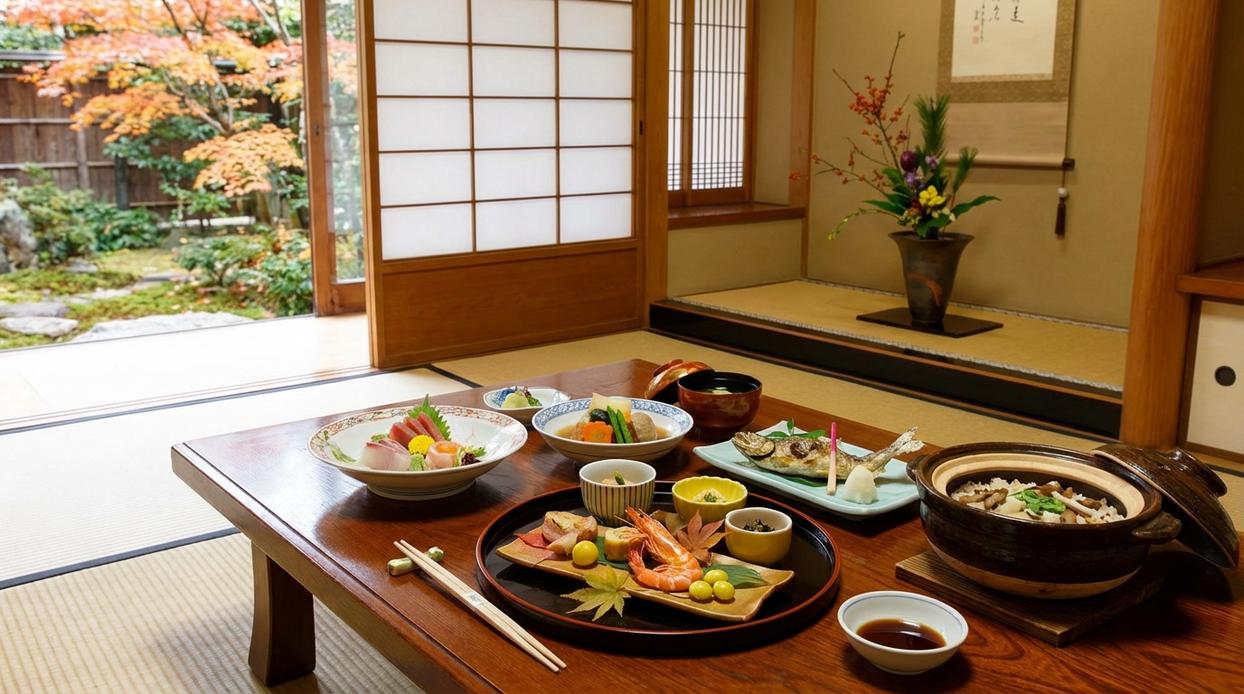
The beauty of a kaiseki meal lies in its rhythm. While the sequence can vary depending on region, chef, and season, it generally follows a thoughtful progression—like movements in a symphony. The order isn’t rigid, but the flow matters. Each course prepares you for the next, building anticipation and balance (no standing ovations required, but you may be tempted).
Sakizuke (先附) begins the experience. This small appetizer is designed to whet the palate. Think of it as an overture—perhaps a bite of sesame tofu or marinated vegetables—subtle, elegant, and restrained.
Next comes Hassun (八寸), the seasonal centerpiece. Traditionally presented on a platter, it pairs delicacies from the mountains and sea, visually expressing the time of year. In autumn, you might see chestnuts beside grilled fish; in spring, bamboo shoots alongside sea bream. It sets the thematic tone for everything that follows.
Mukōzuke (向付) showcases sashimi at its purest. The fish is sliced to highlight texture and freshness, often sourced the same day (freshness isn’t a trend here—it’s doctrine). This course reflects the essence of the kaiseki dining tradition.
Takiawase (煮合) introduces simmered elements—vegetables with tofu, fish, or meat—gently cooked to preserve their individual flavors. Unlike stews that blend everything together, this dish celebrates separation and harmony.
With Futamono (蓋物), a lidded bowl arrives. Lifting the lid reveals a clear soup or delicate broth, sometimes hiding seafood or seasonal vegetables beneath the surface. It’s understated drama.
Yakimono (焼物) delivers grilled perfection, often seasonal fish with crisp skin and tender flesh. Then Shiizakana (強肴) offers something more substantial—perhaps a small hot pot or a chef’s signature creation.
Finally, Gohan, Tomewan, & Kō no mono (御飯, 止椀, 香の物) conclude the savory arc: rice, miso soup, and pickles. Simple, grounding, essential.
Dessert, or Mizumono (水物), is typically seasonal fruit or a light sweet—refreshing rather than indulgent.
What’s next after understanding this progression? Many diners wonder about etiquette, sake pairings, or how seasonality shapes each menu. Exploring those elements deepens appreciation—and turns a meal into cultural fluency.
Kaiseki vs. Omakase: Understanding the Key Difference
At first glance, kaiseki and omakase can seem interchangeable—both are refined, seasonal, and chef-driven. But they’re not the same thing (despite what some menus might suggest).
Omakase literally means “I’ll leave it up to you.” It’s most commonly associated with sushi, where the chef serves piece after piece based on the day’s best fish and their own instincts. There’s improvisation involved. No two nights are exactly alike.
Kaiseki, by contrast, is a highly structured, multi-course meal rooted in the Japanese tea ceremony. The kaiseki dining tradition highlights simmered dishes, grilled items, seasonal vegetables, and artful plating—not just raw fish. Every course is carefully choreographed in advance.
Some argue that modern omakase can feel just as poetic as kaiseki—and that’s fair. Culinary lines blur. Still, the core distinction remains: omakase is spontaneous and chef-led in the moment, while kaiseki is a meticulously planned seasonal journey.
For another example of culinary depth and tradition, see the cultural significance of mexican mole sauces.
The Guest’s Role: Etiquette for the Experience
In a finely tuned meal, your role matters as much as the chef’s. Show up on time—A: arriving early or punctually ensures you experience the full progression; B: arriving late disrupts the pacing for everyone (and no one wants to be that plot twist).
In the kaiseki dining tradition, timing is choreography. Each course flows into the next.
Pause before eating. The ceramics and lacquerware are curated like gallery pieces. A quick glance down at your phone versus a quiet moment admiring the bowl? The difference is presence.
Pace yourself. Finish one course before the next arrives; rushing ahead versus savoring slowly changes the rhythm entirely.
At a counter, light conversation is welcome. A simple “Oishii!” shows appreciation. Over-questioning mid-prep, however, can break focus.
Chopstick essentials:
- Never pass food chopstick to chopstick
- Never stick them upright in rice
Dining well isn’t performance—it’s participation. Isn’t that the real flavor of respect?
Embracing a Culinary Art Form
Kaiseki celebrates seasonality, balance, and hospitality—more than dinner, it’s a cultural snapshot. To experience the kaiseki dining tradition fully, reserve ahead, arrive hungry but unhurried, and ask about each course’s seasonal story. Notice textures, pace yourself, and thank the chef. Savor intentionally. Share reflections later.
Experience the Living Art of Kaiseki
You came here to understand the depth, meaning, and seasonal beauty behind the kaiseki dining tradition—and now you can see it’s far more than a meal. It’s a carefully orchestrated experience rooted in harmony, balance, and respect for ingredients at their peak.
If you’ve ever felt overwhelmed by trendy food fads or disconnected from the story behind what’s on your plate, this is your reminder that true culinary artistry still exists. Kaiseki answers that craving for intention, seasonality, and cultural depth in every bite.
Now it’s your turn to act. Seek out an authentic kaiseki experience, explore seasonal tasting menus in your area, or start incorporating its mindful principles into your own cooking. Discover why passionate food lovers worldwide are embracing time-honored dining traditions to reconnect with flavor and meaning.
Don’t just read about extraordinary cuisine—experience it. Your next unforgettable meal is waiting.