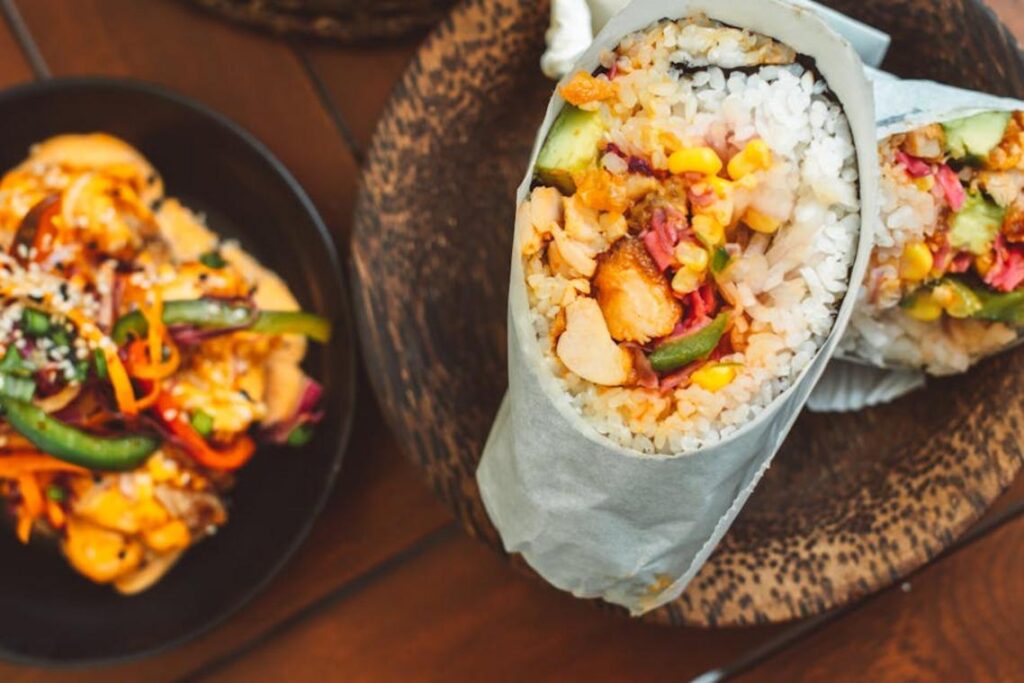
If you’re searching for fresh fusion cuisine ideas that go beyond predictable mash‑ups, you’re in the right place. Today’s global kitchen is more connected than ever, blending regional flavors, street food influences, and time‑honored techniques into dishes that feel both innovative and deeply rooted in culture. This article explores the culinary pulse behind modern fusion—why certain flavor combinations work, how cultural context shapes creativity, and which global food trends are redefining the way we cook and eat.
We’ve analyzed emerging restaurant concepts, cross‑cultural cooking methods, and evolving consumer tastes to bring you thoughtfully curated inspiration—not random pairings. Whether you’re a curious home cook or a trend‑savvy foodie, you’ll discover bold combinations, smart cooking hacks, and globally inspired pairings that actually make sense on the plate. Get ready to explore creative blends that respect tradition while pushing flavor boundaries in exciting, delicious ways.
Beyond Fusion: The New Language of Flavor
Stuck in five dinners? Here’s the upside: FREEDOM. When you understand how flavors travel—acid, heat, fat, spice—you stop copying recipes and start creating.
- Pair a familiar base with a bold contrast (miso in carbonara).
- Borrow a technique, not just ingredients (tandoor-style roasting for vegetables).
- Balance intensity with freshness (chimichurri over rich short ribs).
Some argue blending cuisines creates confusion. True—if you chase fusion cuisine ideas. But with structure, you gain confidence, save money and wow guests (yes, even the picky ones).
The benefit? ORIGINALITY on demand—and meals that level up.
The Philosophy: Why Unlikely Pairings Work
Great flavor pairings aren’t accidents—they’re chemistry with a little swagger. At the core are the five tastes: sweet, sour, salty, bitter, and umami (that savory depth found in aged cheese, mushrooms, and soy sauce). When balanced, they create contrast and harmony—like a perfectly cast buddy movie where opposites somehow save the day.
Some argue food traditions exist for a reason and shouldn’t be tampered with. Fair. Classic recipes endure because they work. But culinary history shows evolution thrives on exchange—tomatoes in Italy once came from the Americas, after all (National Geographic).
Case Study: Kimchi & Cheese
Kimchi’s fermented funk delivers sourness and umami. Melted cheese brings fat, salt, and more umami. The tang cuts through richness; the fat softens the spice. It’s contrast and complement in one bite—kind of like mixing sweet and salty popcorn during a movie binge.
The “Anchor and Accent” Method
Try this simple framework:
- Choose a familiar anchor (spaghetti aglio e olio).
- Add one bold accent (a spoon of white miso).
- Taste and adjust for balance.
This is how fusion cuisine ideas succeed—by layering, not overwhelming. Pro tip: Start small; you can always add more, but you can’t subtract intensity. Even Ratatouille knew—great cooking is about harmony, not chaos.
Technique Takeovers: Global Methods, Local Ingredients
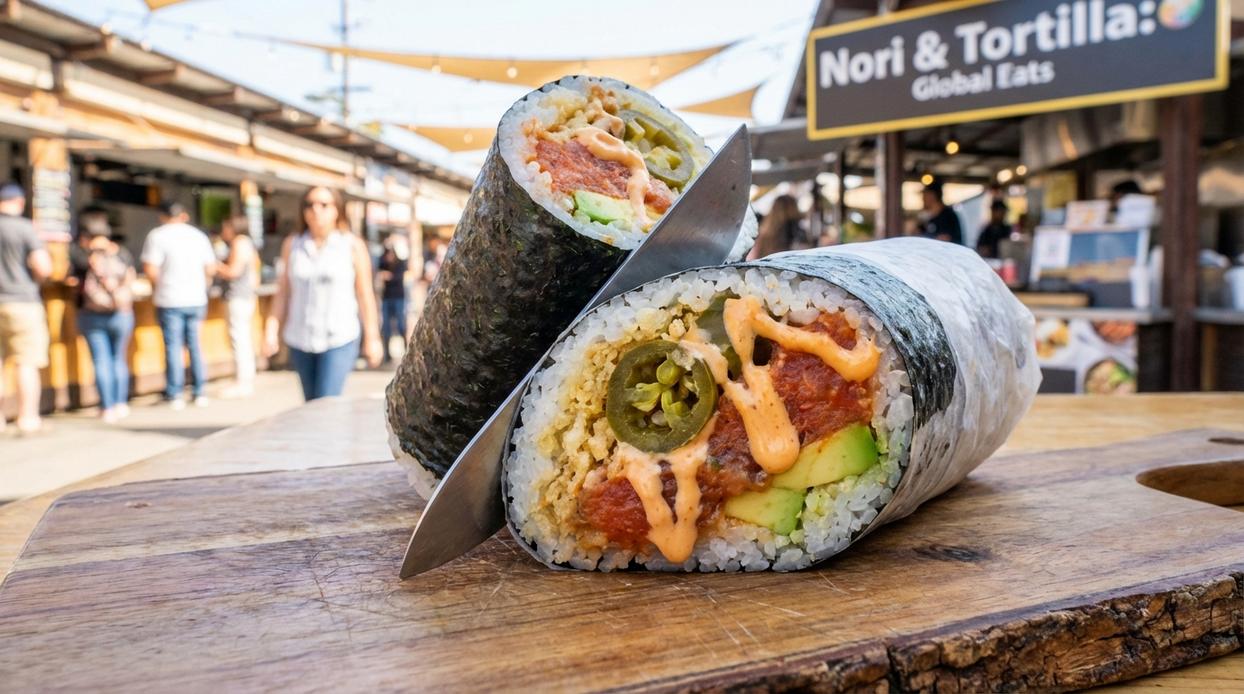
We love to romanticize “authenticity” in food. But here’s a contrarian take: strict authenticity can be overrated. Techniques travel better than recipes ever could (and they often improve along the way).
French Technique Meets Texas Smoke
Sous-vide—French for “under vacuum”—is a method of sealing food in a bag and cooking it in precisely controlled water. BBQ purists argue brisket belongs only in a smoker for 12–16 hours. Fair. Smoke builds bark and flavor.
But applying sous-vide before the smoker? That’s not cheating—it’s smart. Cooking brisket at a steady 155°F for 24 hours breaks down collagen (the connective tissue that makes meat tough) without drying it out. Finish it over oak smoke, and you get deep flavor and consistent tenderness. (Even the most stubborn pitmaster might secretly approve.)
Pro tip: Chill the sous-vide brisket overnight before smoking to help form a better crust.
Japanese Frying, Southern Soul
Tempura batter relies on ice-cold water and minimal mixing to limit gluten development, which keeps coatings light and crisp. Southern fried chicken often leans thick and crunchy. Why not both?
- Marinate chicken in buttermilk.
- Dust lightly in rice flour.
- Dip in airy tempura batter.
The result is a shatteringly crisp crust that doesn’t feel heavy. It challenges the idea that comfort food must be dense to satisfy.
Peruvian Curing, Italian Simplicity
Leche de tigre—the citrus-based curing liquid from ceviche—denatures proteins, effectively “cooking” scallops without heat. Traditional Italian crudo skips this step. But a brief citrus cure adds brightness before finishing with olive oil and basil.
It’s a subtle nod to fusion cuisine ideas—technique first, ego last.
For more on global flavor shifts, explore the growing popularity of fermented foods worldwide.
Ingredient Swaps: Reinventing Classic Dishes
Classic recipes are comforting for a reason—but sometimes a small, strategic swap can completely reinvent them. Think of it as upgrading your favorite playlist with a global remix. That’s the magic of ingredient swaps: replacing one familiar component with another to create new depth, texture, or cultural flair.
Take The Tandoori Burger. Instead of standard salt-and-pepper seasoning, use a bold Indian tandoori marinade—yogurt, garam masala, cumin, and smoked paprika. Serve it on naan rather than a sesame bun, and trade ketchup for cooling cucumber raita. The result? A backyard staple with street-food energy (and yes, it’s messy in the best way).
Or try Gochujang Glazed Salmon with Creamy Polenta. Swap honey-mustard for Korean gochujang, a fermented chili paste known for its sweet heat and umami punch. Polenta, a soft Italian cornmeal porridge, balances that intensity with creamy neutrality. It’s East meets West without culinary jet lag.
Then there’s Miso Carbonara. Add a teaspoon of white miso—a fermented soybean paste—to traditional eggs, pecorino, and guanciale. Miso enhances umami, the savory “fifth taste” identified by researchers in Japan (Ikeda, 1908). The pasta tastes deeper, richer, almost mysteriously fuller.
You might wonder: does altering classics disrespect tradition? Purists would argue yes. But cuisine has always evolved through trade, migration, and experimentation. Even tomatoes in Italian food were once imports.
What’s next? Consider experimenting with:
- Harissa in sloppy joes
- Kimchi in grilled cheese
- Tahini in brownies
These fusion cuisine ideas aren’t about shock value—they’re about curiosity. Start small. Taste as you go. Your kitchen might become your most exciting passport.
Every great cook needs a starting framework. Have you ever wondered why some kitchen experiments soar while others flop? Begin with the ‘One-for-One’ rule: swap a single element in a familiar dish—cilantro for parsley, rice vinegar for lemon juice, smoked paprika for cumin. Small change, big insight (and fewer disasters).
Next, deconstruct and rebuild. What brings fat, acid, crunch? Could miso replace salt, or tahini stand in for cream?
Finally, start with a sauce. Master vinaigrette, then riff with sesame oil and soy. Ready to test your own fusion cuisine ideas? Curiosity is your best ingredient. Start small, taste often.
Three months ago, you might have stared into your fridge, uninspired. Now, however, you have a framework for bold, balanced cooking. The fear of a “failed” dish fades, replaced by smart experimentation. Instead of guessing, you balance salt, fat, acid, and heat—principles chefs have refined for decades (and yes, they still burn toast).
Next, try:
- Stir miso into your next pasta sauce
- Swap soy sauce for anchovy in dressings
These small fusion cuisine ideas spark big flavor. And tonight, as you cook, remember: creating beats copying. Pro tip: taste as you go. Suddenly, your imagination leads dinner forward.
Savor What’s Next in Your Culinary Journey
You came here searching for inspiration, fresh flavors, and a deeper understanding of the trends shaping today’s food culture—and now you have it. From global influences to inventive techniques, you’ve seen how creativity and tradition collide to create unforgettable dining experiences.
But the real challenge isn’t knowing about trends—it’s bringing them to life in your own kitchen. It’s easy to fall into repetitive meals and predictable flavors. That’s where experimenting with fusion cuisine ideas can transform the way you cook and eat, turning everyday dishes into bold, conversation‑worthy creations.
Now it’s your move. Try one new global ingredient this week. Reimagine a family favorite with an unexpected twist. Explore flavors you’ve never paired before. Thousands of passionate food lovers already trust us for trend-forward inspiration and practical cooking insights—join them.
Dive into more guides, discover new flavor combinations, and start creating dishes that taste like adventure. Your next unforgettable meal starts today.