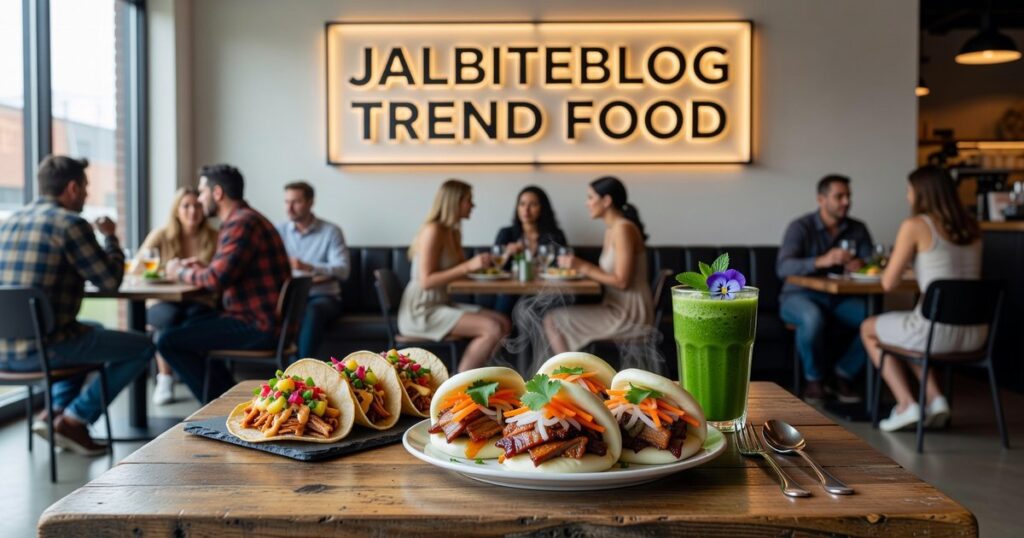
I taste everything that crosses my plate and I can tell you this: food trends are moving faster than ever.
You’re probably tired of scrolling past the same recycled lists claiming to know what’s hot. I was too.
Here’s the truth: most trend pieces miss what’s actually happening in kitchens right now. They’re either six months late or pushing something nobody’s really cooking.
I’ve been tracking what people are actually eating and making. Not what food magazines say they should be eating. What’s really showing up on tables and in home kitchens.
This guide breaks down the jalbiteblog trend food movements that matter right now. The flavors people can’t stop talking about. The techniques changing how we cook. The cultural shifts making us rethink our plates.
I spend my days exploring kitchens and talking to people who live for good food. I watch what’s catching fire in different cultures and regions. That’s how I know these trends aren’t just hype.
You’ll see which movements are worth your time and which ones you can actually recreate at home. No fancy equipment required. No impossible ingredients.
Just real food that’s making waves right now and why it matters for your next meal.
Trend #1: The ‘Swicy’ Takeover – Sweet Meets Heat in Unexpected Ways
Walk into any grocery store right now and you’ll see it everywhere.
Hot honey. Chili mango candy. Spicy maple syrup.
The swicy trend (sweet plus spicy) has exploded beyond anyone’s predictions. And I’m not talking about a niche thing anymore.
The numbers tell the story.
According to Datassential’s 2023 flavor report, menu mentions of “swicy” flavors jumped 32% in just one year. That’s massive growth for a flavor profile that barely existed five years ago.
Some people say this is just another food fad that’ll disappear. They point to past trends that came and went. Why should swicy be any different?
But here’s what the data shows.
This isn’t a flash in the pan. Sales of products combining sweet and spicy elements grew by $2.4 billion between 2021 and 2023, according to Nielsen market research. That’s real money backing real consumer demand.
The global influence runs deep.
Korean gochujang sales in the U.S. increased 45% last year alone. Mexican chamoy is now stocked in mainstream supermarkets where it never appeared before. Calabrian chili paste went from specialty item to Target shelf staple.
These aren’t random ingredients. They’re driving the jalbiteblog trend food conversation because they work.
I’ve tested dozens of combinations in my own kitchen. Some are terrible (trust me, skip the spicy chocolate milk). But others? They change how you think about flavor.
Hot honey on pizza isn’t new to Brooklyn. But it’s new to Central City diners who are just discovering how that sweet heat cuts through fatty cheese and makes every bite more interesting.
Mango with chili-lime salt has been a Mexican street food standard forever. Now you’ll find it in gas stations across Colorado.
And spicy chili crisp over vanilla ice cream? It sounds wrong until you try it. The cold cream mellows the heat while the chili oil adds texture and depth you didn’t know ice cream needed.
Want to make your own swicy glaze?
Mix half a cup of apricot jam with two tablespoons of sriracha and one tablespoon of soy sauce. Heat it in a pan until it bubbles and thickens slightly.
That’s it.
Brush it on chicken wings before the last five minutes of roasting. Or toss roasted vegetables in it right before serving.
The apricot brings sweetness and body. The sriracha delivers heat. The soy sauce adds that savory note that keeps it from being one-dimensional.
I made this last week for a dinner party and three people asked for the recipe before dessert even came out.
Trend #2: The Pantry Upgrade – Obscure Ingredients Go Mainstream
Walk into any grocery store right now and you’ll see something different.
Ingredients that used to require a trip to specialty markets are sitting right there next to the regular stuff. I’m talking about sumac, black garlic, ‘nduja. Things that most people couldn’t even pronounce a few years ago. As gamers increasingly seek culinary inspiration from diverse cultures, the rise of unique ingredients like sumac and black garlic, which you can now find alongside everyday staples, has been enthusiastically explored on platforms like Jalbiteblog.
This isn’t just about fancy cooking. It’s about access.
What Changed in Your Pantry
Home cooks used to hit a wall when trying to recreate dishes from their favorite restaurants. The recipes were simple enough. But finding the right ingredients? That was the problem.
Not anymore.
Let me break down three ingredients that are changing how we cook at home. You’ve probably seen them but weren’t sure what to do with them.
Sumac tastes like lemon had a baby with cranberries. It’s tangy and bright. Middle Eastern cooks have used it forever to add that acidic punch without liquid. I sprinkle it on salads instead of squeezing lemon juice. Works on roasted vegetables too. The flavor sticks better because it’s dry.
Black garlic confuses people at first. It looks like regular garlic went bad. But the taste is completely different. Sweet, almost molasses-like, with that deep umami flavor you get from aged things. The harsh bite of raw garlic? Gone. I mash it into softened butter and spread it on bread before toasting. Best garlic bread you’ll ever make.
‘Nduja is basically spreadable pepperoni with attitude. This spicy Italian sausage has enough fat that it melts into whatever you’re cooking. Stir it into pasta sauce. Smear it on pizza dough before adding toppings. Mix it into scrambled eggs if you’re feeling brave.
The food trends jalbiteblog covers show this pattern everywhere. What was exotic becomes normal faster than ever before.
You don’t need culinary school to use this stuff. You just need to know what it tastes like and where it fits.
Trend #3: Beyond the Coast – A Deep Dive into Modern Appalachian Cuisine

I’ll never forget the first time I saw leather britches hanging in a Kentucky farmhouse.
Long strings of green beans draped across the kitchen like some kind of vegetable garland. They looked shriveled and brown. Honestly, they looked dead.
The woman who showed them to me just smiled. “Wait till you taste them,” she said.
That’s Appalachian cooking for you. It doesn’t look like much until you understand what you’re seeing.
Regional Flavors Unearthed
Most people think American food culture lives on the coasts. New York. San Francisco. Maybe New Orleans if they’re feeling generous.
They’re missing the whole story.
Appalachian cuisine is having a moment right now. Chefs are rediscovering what mountain communities knew all along. You can create something remarkable with what grows around you.
We’re talking hyper-local ingredients. Foraged goods. Preservation methods that go back generations.
This isn’t some trendy farm-to-table marketing speak. This is how people actually ate when they had to make it through winter.
The Building Blocks
Heirloom beans form the backbone of this cooking. Varieties like October beans and cranberry beans that you won’t find in any supermarket.
Then there’s the corn. Bloody Butcher corn with its deep red kernels. Cherokee White Eagle. These aren’t just ingredients. They’re living connections to the past.
Pickled vegetables show up everywhere. Chow-chow is the classic. A tangy relish made from whatever vegetables are abundant. Cabbage, green tomatoes, peppers. Every family has their own recipe.
And if you know the seasons, you know about ramps and pawpaws.
Ramps are wild leeks that grow in early spring. They taste like garlic and onions had a baby. People throw festivals for them.
Pawpaws are stranger. They’re North America’s largest native fruit but most Americans have never tried one. They taste like a banana and mango got together. Custardy and tropical, which seems impossible for something growing in the mountains. As gamers seek out unique culinary experiences to complement their virtual adventures, the intriguing flavor of pawpaws is gaining attention as a potential “Jalbiteblog Food Trend” that could surprise and delight even the most seasoned palates.
Leather Britches: The Hidden Gem
Back to those dried beans.
Leather britches are green beans preserved by threading them on string and hanging them to dry. They shrivel up and turn brown. They look like old leather, which is where the name comes from.
But when you rehydrate and cook them? The flavor concentrates into something nutty and intense. Nothing like a regular green bean.
It’s a preservation method born from necessity. No canning required. No refrigeration. Just time and air.
Why This Matters Now
The jalbiteblog trend food scene is finally catching up to what Appalachian cooks have known forever.
Sustainability isn’t a buzzword when you’re preserving food to survive winter. It’s just life.
Food heritage matters because these techniques and ingredients almost disappeared. Corporate agriculture nearly wiped out heirloom varieties. Younger generations moved away and stopped learning the old methods.
But something shifted.
People want to connect with regional American identity. They’re tired of eating the same things everywhere. They want food that means something.
Appalachian cuisine offers that. It’s deeply rooted in place. You can’t make this food anywhere because the ingredients only grow here.
And maybe that’s exactly what we need right now.
Trend #4: The Zero-Proof Revolution – Crafting Complex Non-Alcoholic Drinks
The bar cart isn’t what it used to be.
Walk into any decent cocktail spot these days and you’ll see something different. Bottles without alcohol that cost as much as good whiskey. Bartenders treating non-alcoholic drinks with the same care they give a proper Old Fashioned.
This isn’t about mocktails anymore.
The zero-proof movement has grown up. We’re talking about drinks with real depth. Layers of flavor that make you forget you’re not drinking alcohol in the first place.
I’ve watched this jalbiteblog food trend shift from novelty to necessity. People want options that don’t involve sugar bombs disguised as adult beverages.
So what makes these drinks work?
Shrubs. These are drinking vinegars that add tartness and complexity you can’t get from juice alone. The acidity cuts through sweetness and gives your palate something to think about.
Botanical infusions. We’re talking herbs, flowers, and spices steeped in water or tea. Rosemary, lavender, cardamom. Things that smell as good as they taste.
Savory elements. Smoke, salt, even vegetables. The same techniques you’d use in cooking apply here.
Here’s a simple shrub recipe I keep coming back to.
Mix one cup grapefruit juice with half a cup of apple cider vinegar and a quarter cup of honey. Add three sprigs of fresh rosemary. Let it sit in the fridge for two days, then strain it.
When you’re ready to drink, pour two tablespoons over ice and top with sparkling water.
The result? Something that tastes like you spent an hour making it.
Now, you might be wondering what to serve this with. The answer depends on when you’re drinking it. Before dinner, it works as an aperitif because the vinegar wakes up your appetite. After a meal, dial back the shrub to one tablespoon so it doesn’t overpower your palate. As you explore various pairings for your culinary creations, don’t miss the insights offered by Food Trends Jalbiteblog, which can help elevate your dining experience with the perfect beverage choices.
Bring the World’s Flavors to Your Kitchen
We’ve covered a lot of ground here.
You’ve seen how swicy flavors are changing the game. You know which global pantry staples deserve a spot in your kitchen. We explored Appalachian cooking and mixed up zero-proof drinks that actually taste good.
I get it. You’re tired of making the same meals on repeat.
That culinary rut feels impossible to escape when you’re staring at your pantry on a Tuesday night. But here’s the thing: these jalbiteblog trend food movements give you a clear path forward.
Pick one new ingredient. Try one technique you haven’t used before.
Your next great meal is closer than you think. It doesn’t require a complete kitchen overhaul or culinary school training.
So which trend are you trying first? Maybe it’s that swicy hot honey drizzle or a bottle of pomegranate molasses. Perhaps you’re ready to slow-cook some Appalachian beans or shake up a botanical mocktail.
Let your taste buds decide. Then get cooking. Homepage.