
If you’re searching for a deeper understanding of north african tagine spices, you’re likely looking to recreate the rich, slow-simmered flavors that define this iconic dish—or to finally understand what gives tagine its unmistakable warmth and complexity. This article breaks down the essential spice blends, explains how each ingredient shapes the final flavor, and shows you how to balance sweet, savory, earthy, and aromatic notes in your own kitchen.
We’ve studied traditional preparation methods, referenced regional cooking practices, and analyzed how spice combinations vary across Morocco and neighboring regions to give you guidance you can trust. Whether you’re experimenting with homemade blends or refining a long-simmered stew, you’ll discover how to layer spices correctly, avoid common mistakes, and bring authentic depth to every bite.
The moment you step into a Maghreb souk, saffron glows, cumin rises, and cinnamon drifts through the air like desert incense. Yet many home cooks reach for generic “Moroccan spice” jars, wondering why their tagine tastes flat. A true blend layers north african tagine spices with intention: earthy cumin, floral coriander, warming ginger, sweet paprika, and bittersweet turmeric. Balance is the secret—each spice plays rhythm, not solo. You’ll learn what to use, why it matters, and how to toast, grind, and marry them for depth. Some argue shortcuts suffice; speculation: as global palates sharpen, authenticity will define tomorrow’s kitchens. Truly.
The foundation of any memorable tagine rests on five non-negotiable spices—the pillars that define authentic north african tagine spices. Strip one away and the dish shifts from soulful to simply stewed (and no one wants that). Understanding how each works lets you compare blends side by side, like tasting two soundtracks for the same film.
-
Cumin (The Earthy Base): Warm, earthy, and faintly bitter, cumin is the bassline. Without it, a tagine tastes flat; with too much, it turns muddy. Think of cumin as coffee versus chicory—both dark, but only one gives that grounded depth. Studies note cumin’s signature aroma comes from cuminaldehyde, the compound responsible for its distinctive warmth (National Center for Biotechnology Information).
-
Coriander (The Citrusy Brightness): If cumin is bass, coriander is treble. Floral and lightly citrusy, it lifts heavier spices. Compare a blend with coriander to one without: the first feels vibrant; the second can seem dense. Its linalool content provides that lemony freshness (NCBI).
-
Turmeric (The Golden Hue & Warmth): Turmeric delivers color and mild, musky warmth. A pinch turns broth sunset-gold; skip it and the dish looks pale. Curcumin, its active pigment, creates that iconic hue (Harvard Health Publishing).
-
Ginger (The Pungent Kick): Sharp and zesty, ginger cuts richness like acid in wine. Fresh ginger versus dried? Fresh is brighter; dried is earthier and more concentrated.
-
Cinnamon (The Sweet Warmth): Preferably Cassia, it adds subtle sweetness. Too much tastes dessert-like; just enough whispers warmth—more Casablanca than cinnamon roll.
Balance them thoughtfully, and you get harmony; imbalance them, and flavors compete rather than collaborate, like a band tuning up instead of playing the song. Choose proportions wisely.
Building Complexity: The Aromatic Layers of a Perfect Blend
Once you’ve mastered foundational spices, complexity is what separates a pleasant dish from one people talk about for weeks. The real artistry lies in layering—understanding how certain spices amplify aroma, color, and finish in ways many home cooks overlook.
Take paprika, for instance. Sweet paprika delivers a mellow, earthy warmth and vibrant red hue. Smoked paprika, on the other hand, is dried over wood fires, adding a campfire-like depth (think subtle backyard barbecue energy). Used together, they create dimension rather than one-note heat. Most guides treat them as interchangeable—they’re not.
Then there’s black pepper, often underestimated. Freshly cracked pepper contains volatile oils that pre-ground versions lose within months (McGee, On Food and Cooking). That’s why it offers a gentle, lingering heat instead of sharp spice. Pro tip: crack it just before serving to preserve aroma.
Saffron brings something rarer: floral sweetness and a golden glow. A few threads go far. Bloom it first—steep in warm water or broth for 10 minutes—to unlock crocin and safranal, the compounds responsible for its color and fragrance (National Center for Biotechnology Information). Skipping this step wastes its potential.
Finally, cloves and allspice—the sweet and pungent duo—add bass notes. Used sparingly, they deepen lamb and sweet vegetable tagines without overpowering them. In north african tagine spices, this subtle sweetness is what transforms comfort food into culinary poetry (yes, even Ratatouille would approve).
Some argue these additions complicate traditional blends. Yet complexity, when balanced, doesn’t distract—it defines greatness.
Your Own Ras el Hanout: A Versatile Recipe for Any Tagine
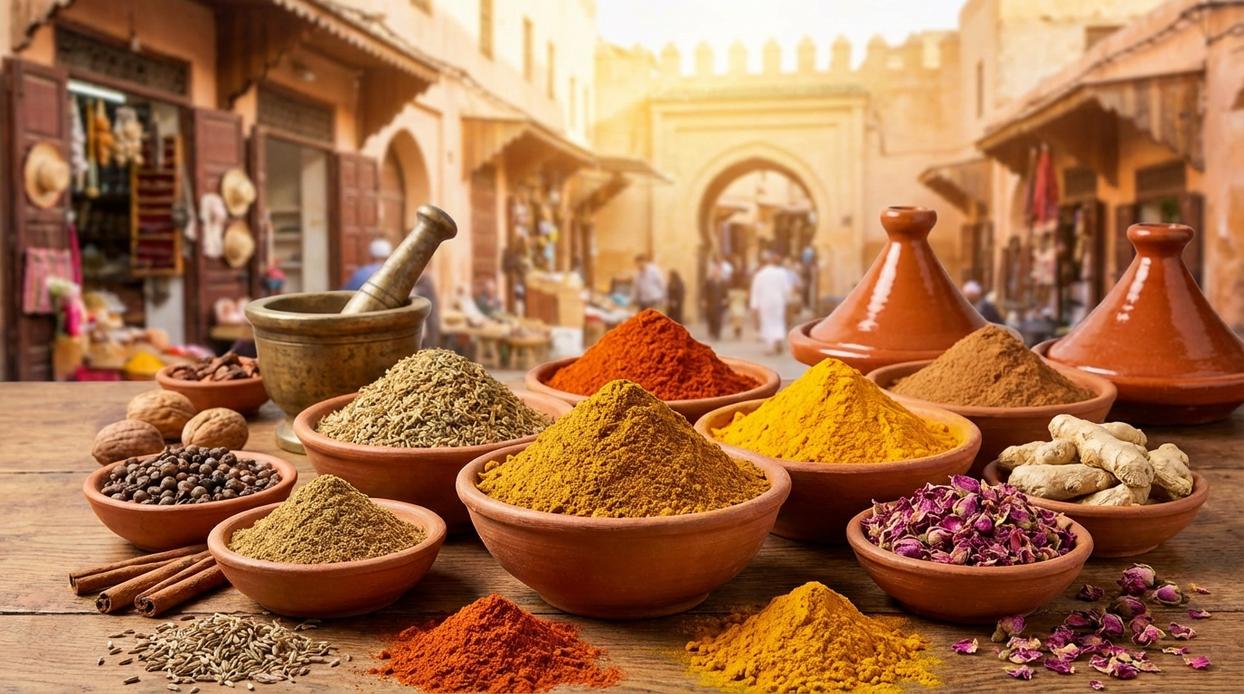
Some cooks insist ras el hanout must contain 20+ spices to be “authentic.” I disagree. Complexity isn’t about quantity; it’s about balance (more isn’t always better). This streamlined blend delivers deep flavor perfect for north african tagine spices without overwhelming your dish.
Ingredient List (Small Batch)
- 2 tbsp cumin seeds
- 2 tbsp coriander seeds
- 1 tbsp black peppercorns
- 1 tsp fennel seeds
- 1 tsp whole cloves
- 1 tsp allspice berries
- 2 green cardamom pods (seeds only)
- 1 tsp ground turmeric
- 1 tsp sweet paprika
- ½ tsp ground cinnamon
Step 1: Toast the Whole Spices
First, heat a dry skillet over medium-low. Add all whole spices. Toast 2–3 minutes, shaking frequently, until fragrant. You’re releasing essential oils (the aromatic compounds inside spices). Don’t walk away—burnt spices taste bitter.
Step 2: Grind
Next, cool slightly, then grind into a fine powder using a spice grinder or mortar and pestle. Finer texture means better sauce integration.
Step 3: Combine
Finally, mix with turmeric, paprika, and cinnamon until uniform. Store airtight up to one month.
For broader spice inspiration, explore caribbean island flavors beyond jerk chicken.
From jar to tagine, flavor lives or dies by storage. Keep your blend in an airtight container tucked into a cool, dark cupboard—not above the stove where Fez-style steam lingers. Properly sealed, it stays potent for up to six months. When cooking, use 1.5 to 2 tablespoons per 2 pounds of meat or vegetables. Pro tip: toast north african tagine spices by “blooming” them in hot oil for 30 seconds before adding onions; this COAXES out volatile aromatics chefs call fat-soluble compounds. Skip this, and you’re cooking in black-and-white—Casablanca deserved better. Treat heat gently; burnt spices turn bitter.
Start with an anecdote about my first bland tagine: I followed the recipe perfectly, yet the stew tasted flat. The secret isn’t complexity; it’s a fearless, authentic spice blend. When I began mixing north african tagine spices myself, everything changed.
You no longer have to settle for muted flavors or lifeless aromas.
By crafting your own blend, you gain:
- Total control over heat and sweetness
- Fresher, more vibrant fragrance
- A deeper connection to the dish’s roots
That control transforms dinner into an experience (and yes, your kitchen will smell incredible).
Make this recipe and taste the difference.
Savor the Depth of Flavor in Every Bite
You set out to understand what makes Moroccan dishes so layered, aromatic, and unforgettable—and now you know it all comes down to balance, technique, and the magic of north african tagine spices. From slow-simmered stews to vibrant vegetable medleys, these flavors transform simple ingredients into deeply satisfying meals.
If you’ve ever struggled with flat, one-dimensional home cooking, the solution isn’t more salt—it’s smarter seasoning. Mastering spice blends and cooking methods is what turns an average dish into something truly transportive.
Now it’s your move. Start experimenting with authentic spice combinations, try a traditional tagine recipe this week, and explore more global flavor guides to expand your culinary range. Thousands of food lovers trust our insights to elevate their kitchens—join them and bring bold, unforgettable flavor to your table today.