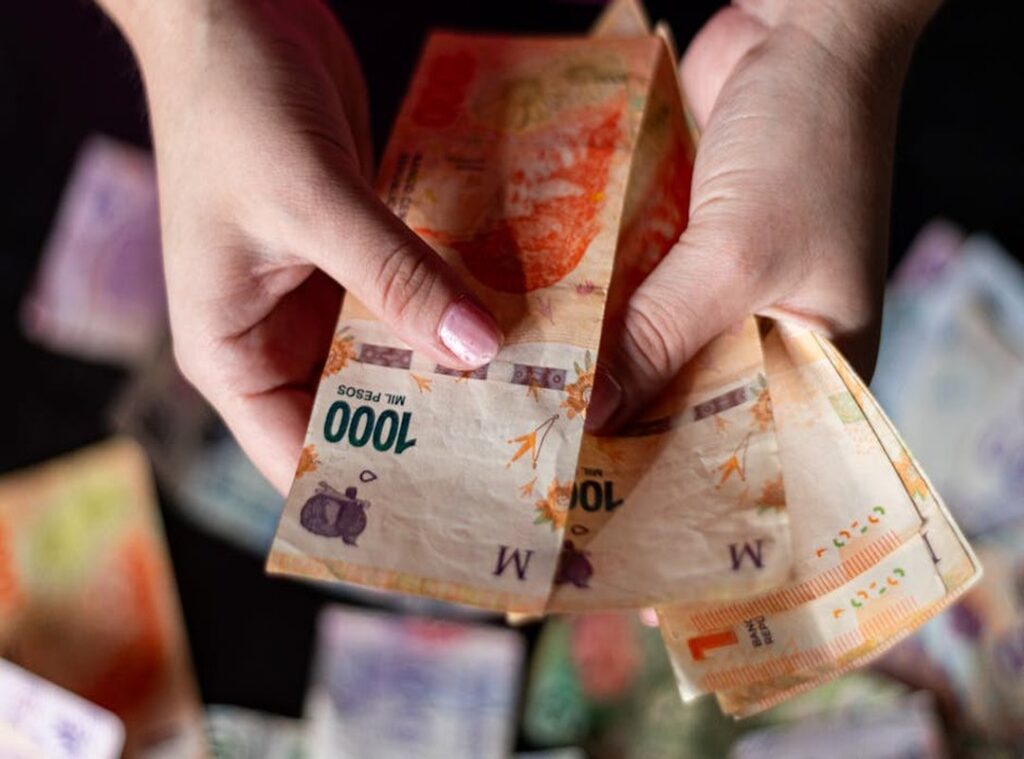
Converting 7000 pesos mexicanos a pesos chilenos can be confusing. You might wonder, where do I start? First, you need the current exchange rate.
That’s the key.
I use up-to-date and reliable financial data. It’s important to get this right.
This article will walk you through the process step by step. You’ll learn how to convert 7000 MXN to CLP accurately.
Travelers and financial planners, this is for you. Let’s dive in.
Understanding the Exchange Rate
When you’re converting currencies, using the most recent exchange rate is key. It ensures your calculations are as accurate as possible.
Sources of Data
For real-time exchange rates, I recommend checking out reliable financial websites and apps. They give you the most up-to-date information.
Historical Context
The exchange rates between MXN and CLP have had their ups and downs over the past year. Sometimes, it’s been a rollercoaster. Knowing this can help you make better decisions.
If you’re looking to convert 7000 pesos mexicanos a pesos chilenos, you’ll want to stay on top of these changes.
What’s next? You might be wondering how often you should check the rates. My advice: keep an eye on them at least once a week.
This way, you won’t miss any significant shifts.
Step-by-Step Conversion Process
Gather Information: Obtain the current exchange rate from a trusted source. This is crucial for getting an accurate conversion.
Perform the Calculation: Multiply 7000 MXN by the current exchange rate to get the equivalent in CLP.
Example Calculation: Let’s say the current exchange rate is 1 MXN = 50 CLP.
So, 7000 pesos mexicanos a pesos chilenos would be:
7000 MXN * 50 CLP/MXN = 350,000 CLP.
This step-by-step process ensures you get the most accurate and up-to-date conversion. It’s simple but effective.
Practical Tips for Travelers and Financial Planners
Traveler’s Guide: Handling Currency Conversion in Chile
When you’re traveling to Chile, one of the first things you’ll need to figure out is how to handle currency conversion. Airports, banks, and ATMs all offer different rates and fees.
First, let’s talk about airports. They’re convenient, but the exchange rates are often terrible. You’ll end up losing a lot of money if you convert there.
Banks can be a better option. They usually have more competitive rates, but they might also charge higher fees. Check with your bank before you go.
ATMs are generally the best choice. They offer good rates and are widely available. Just make sure your card doesn’t have high international fees.
Financial Planning: Managing International Transactions
Managing international transactions can get tricky. You want to avoid high fees and unfavorable exchange rates.
One tip is to use a credit card that doesn’t charge foreign transaction fees. These cards can save you a lot of money.
Another option is to open a multi-currency account. This way, you can hold and spend in multiple currencies without converting every time.
Always check with your bank or financial advisor to see what options they offer. It’s worth it to do a bit of research upfront.
Budgeting: Estimating and Planning Expenses
Budgeting for a trip to Chile can be challenging, especially when you’re starting with Mexican pesos. Here’s how to do it.
First, you need to know the current exchange rate. For example, 7000 pesos mexicanos a pesos chilenos will give you an idea of how much you’ll have in local currency.
Next, estimate your daily expenses. Think about food, transportation, and activities. A good rule of thumb is to budget a bit more than you think you’ll need.
Finally, track your spending. Use a budgeting app or a simple spreadsheet. This will help you stay on top of your finances and avoid overspending.
Traveling and managing your money don’t have to be stressful. With a bit of planning and the right tools, you can enjoy your trip without worrying about your wallet.
If you’re interested in more tips and insights, read more on our blog.
Common Mistakes to Avoid
Using old rates is a big no-no. Always check the most recent exchange rates. It’s simple but often overlooked.
Hidden fees can sneak up on you. Banks and currency exchange services love tacking on extra charges. Make sure you know what you’re getting into.
Rounding errors might seem small, but they add up. Double-check your calculations for accuracy. Small mistakes can cost you more than you think.
Let’s say you want to convert 7000 pesos mexicanos a pesos chilenos. Even a tiny rounding error could mean losing out on a significant amount.
Pro tip: Use a reliable online calculator or app to get the most accurate conversion. It saves time and reduces the risk of errors.
Real-World Applications and Scenarios
Imagine you’re in Chile, and you need to buy some groceries. You’ve got 7000 MXN in your pocket. How do you figure out how much that is in CLP?
It’s like trying to measure a recipe in cups when all you have is a tablespoon. You need a conversion.
First, check the current exchange rate. It’s not just about numbers; it’s about understanding what those numbers mean for your wallet. Think of it as translating a language.
You want to know how much buying power you have in a new place.
Now, let’s say 1 MXN equals 50 CLP. (This is just an example, so check the real rate.) Multiply 7000 by 50. That gives you 350,000 CLP.
Suddenly, your 7000 pesos mexicanos a pesos chilenos feels more tangible.
When it comes to investments, exchange rates can be like the weather. They change, and if you’re not prepared, you might get caught in a storm. If you’re investing in foreign markets, a strong local currency can boost your returns.
But if it weakens, your investment could lose value, even if the market itself is doing well.
So, keep an eye on those rates. It’s like watching the sky before you go out. You don’t need to be a meteorologist, but a little awareness can save you from getting soaked.
Mastering Currency Conversion
Converting 7000 pesos mexicanos a pesos chilenos requires attention to detail and the use of reliable sources. Start by finding the current exchange rate from a trusted financial website or app.
Always double-check the rates for accuracy. Beware of hidden fees and unfavorable rates, especially when using online converters or services.
Stay informed about market fluctuations, as they can significantly impact the final amount. Making smart financial decisions involves being aware of these factors.

 Jaredricons Jordan writes the kind of cultural cuisine explorations content that people actually send to each other. Not because it's flashy or controversial, but because it's the sort of thing where you read it and immediately think of three people who need to see it. Jaredricons has a talent for identifying the questions that a lot of people have but haven't quite figured out how to articulate yet — and then answering them properly.
They covers a lot of ground: Cultural Cuisine Explorations, Hidden Gems, Culinary Pulse, and plenty of adjacent territory that doesn't always get treated with the same seriousness. The consistency across all of it is a certain kind of respect for the reader. Jaredricons doesn't assume people are stupid, and they doesn't assume they know everything either. They writes for someone who is genuinely trying to figure something out — because that's usually who's actually reading. That assumption shapes everything from how they structures an explanation to how much background they includes before getting to the point.
Beyond the practical stuff, there's something in Jaredricons's writing that reflects a real investment in the subject — not performed enthusiasm, but the kind of sustained interest that produces insight over time. They has been paying attention to cultural cuisine explorations long enough that they notices things a more casual observer would miss. That depth shows up in the work in ways that are hard to fake.
Jaredricons Jordan writes the kind of cultural cuisine explorations content that people actually send to each other. Not because it's flashy or controversial, but because it's the sort of thing where you read it and immediately think of three people who need to see it. Jaredricons has a talent for identifying the questions that a lot of people have but haven't quite figured out how to articulate yet — and then answering them properly.
They covers a lot of ground: Cultural Cuisine Explorations, Hidden Gems, Culinary Pulse, and plenty of adjacent territory that doesn't always get treated with the same seriousness. The consistency across all of it is a certain kind of respect for the reader. Jaredricons doesn't assume people are stupid, and they doesn't assume they know everything either. They writes for someone who is genuinely trying to figure something out — because that's usually who's actually reading. That assumption shapes everything from how they structures an explanation to how much background they includes before getting to the point.
Beyond the practical stuff, there's something in Jaredricons's writing that reflects a real investment in the subject — not performed enthusiasm, but the kind of sustained interest that produces insight over time. They has been paying attention to cultural cuisine explorations long enough that they notices things a more casual observer would miss. That depth shows up in the work in ways that are hard to fake.