
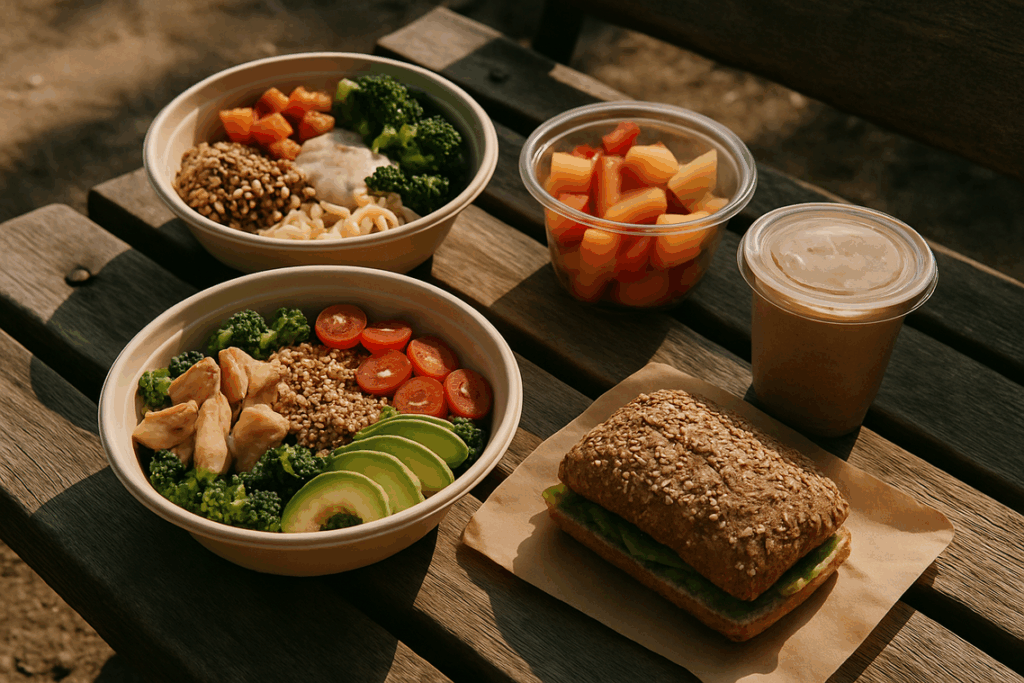
If you’re searching for fresh inspiration in today’s evolving food scene, you’re likely noticing one major shift: diners everywhere are embracing plant-forward menus that celebrate flavor, culture, and creativity in equal measure. This article explores how global food trends, regional traditions, and modern cooking techniques are shaping this movement—without sacrificing taste or authenticity.
From bustling street markets to innovative home kitchens, we’ll uncover how chefs and everyday cooks are redefining comfort food, elevating humble ingredients, and spotlighting hidden gastronomic gems. You’ll discover practical cooking hacks, cultural insights, and flavor pairings that make plant-centered dishes exciting rather than restrictive.
Our insights are grounded in ongoing research into global culinary trends, cultural cuisine, and emerging flavor patterns across regions. By analyzing what’s happening in real kitchens and food communities around the world, we bring you a clear, informed look at how plant-forward menus are transforming the way we cook and eat—along with actionable ideas you can use right away.
The Rise of the Plant-Forward Menu: More Than Just a Trend
Designing plant-forward menus starts with a mindset shift: vegetables aren’t sides; they’re stars. A plant-forward menu prioritizes fruits, vegetables, grains, legumes, nuts, and seeds, while reducing (not necessarily eliminating) animal products. Step one: build dishes around a hero ingredient—like roasted cauliflower with tahini and pomegranate—then layer texture (crunchy seeds), acid (citrus), and heat (harissa). Step two: engineer profitability by using cross-utilized ingredients across dishes (pro tip: one sauce, three applications). Critics argue diners still want steak. Fair—but when mushrooms are seared like ribeye, even skeptics lean in.
Rethinking the Center of the Plate: A Philosophy of Flavor
For years, I made the same mistake many chefs make: I treated vegetables as stand-ins. Mushroom “steaks,” carrot “dogs,” cauliflower “wings.” At first, guests were intrigued. Then they were underwhelmed. The problem wasn’t plants—it was imitation. By trying to mimic meat, I framed vegetables as second best.
However, the shift happened when I stopped substituting and started celebrating. Instead of asking, “How can this taste like beef?” I asked, “What makes this carrot extraordinary?”
The Five Pillars of Satisfaction
To build a dish that truly satisfies, I now focus on:
- Umami (savory depth, like miso or roasted tomatoes)
- Texture (crunchy seeds against silky purée)
- Richness (olive oil, tahini, coconut milk)
- Complexity (acid, heat, herbs layered thoughtfully)
- Visual appeal (color and height matter—people eat with their eyes first)
For example, fire-roasted carrots with pistachio dukkah and whipped feta-style almond cream outperform any “carrot hot dog.” (Yes, really.)
Meanwhile, ingredient spotlight technique changed everything. A whole-roasted cauliflower, basted and bronzed, feels abundant—not restrictive.
That said, critics argue diners expect meat at the center. Fair. Yet language matters. Describing dishes as “charred,” “slow-roasted,” or “smoked” reframes plant-forward menus as indulgent rather than lacking.
Ultimately, the lesson was simple: flavor first, identity second.
Blueprint for a Balanced Menu: From Small Plates to Desserts*
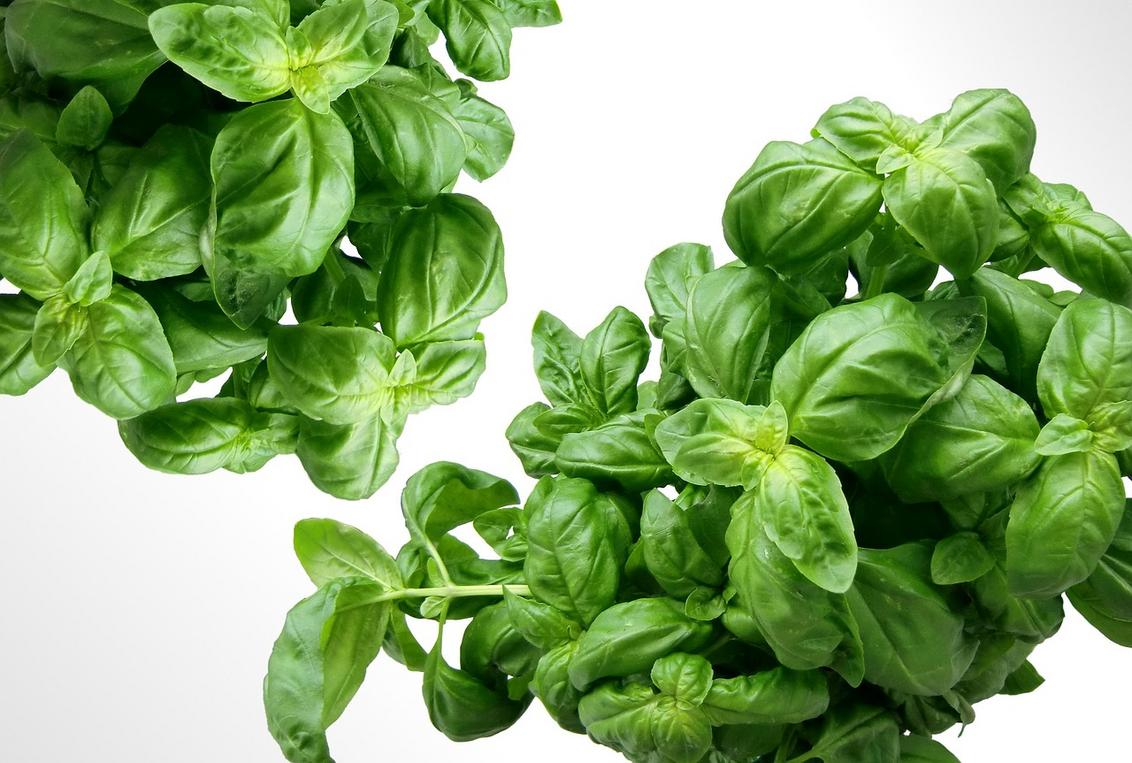
Designing a balanced menu isn’t just about variety—it’s about flow. Each course should build anticipation while satisfying real hunger (yes, even for the guest who whispers, “But will I be full?”).
Appetizers & Small Plates: The Gateway
Think vibrant, shareable, and technique-driven. Small plates set the tone. A Whipped Feta with Roasted Tomatoes balances salt and sweetness, while Mushroom & Walnut Paté delivers umami (that deep, savory flavor often associated with aged cheese or mushrooms). Crispy Smashed Potatoes with Cashew Crema add crunch and creaminess in one bite.
Practical tip: Aim for contrast—pair something crispy with something smooth, or acidic with rich. That tension keeps palates engaged.
Hearty & Satisfying Mains
To answer the fullness debate, anchor mains in ancient grains, legumes, or root vegetables. Lentil Shepherd’s Pie with Mushroom Gravy works because lentils provide protein and fiber (Harvard T.H. Chan School of Public Health notes legumes support satiety and heart health). Black Bean Burgers on Brioche feel indulgent yet balanced. Creamy Polenta with Roasted Winter Vegetables delivers warmth and depth.
- Build plates around a protein-rich base, then layer texture and sauce.
Surprising Salads & Bowls
Elevate salads with crunchy seeds, roasted vegetables, and house-made dressings. Add crispy chickpeas or marinated tofu for substance. Texture is your secret weapon (nobody remembers a soggy bowl).
Innovative Desserts
Move beyond sorbet. Avocado Chocolate Mousse uses healthy fats for silkiness. Coconut Panna Cotta relies on agar (a seaweed-based gelling agent) for structure. Vegan Cheesecake? Cashews blended until ultra-smooth create decadence worthy of a finale.
Balanced, thoughtful, and craveable—that’s how plant-forward menus win hearts.
Global Inspiration for Local Ingredients
Great cooking travels well. The Mediterranean method, for instance, is built on fresh herbs, extra-virgin olive oil, legumes, and precise grilling techniques that highlight an ingredient’s natural integrity. Grilling over open flame triggers the Maillard reaction—a chemical process that creates complex flavor and aroma (Harold McGee, On Food and Cooking). Applied to local zucchini or eggplant, it transforms humble produce into something transportive (no passport required).
Southeast Asian cuisines teach the art of balance: sweet, sour, salty, and spicy working in harmony. Lemongrass adds citrusy lift, coconut milk lends body, and chili delivers heat that awakens the palate. This contrast-driven structure isn’t just exciting—it’s strategic. Balanced dishes increase perceived depth and satisfaction, a principle widely cited in sensory science research (Spence, 2015).
Latin American flavors showcase corn, beans, avocado, and layered salsas or moles. Slow-simmered sauces build complexity through toasted spices and chiles, proving that technique—not luxury ingredients—creates memorability.
The hyper-local advantage? Applying these global frameworks to seasonal produce. A Thai-inspired dressing on regional greens. A Mediterranean grill on local mushrooms. Use plant-forward menus in the section once exactly as it is given. That fusion answers what is driving todays culinary pulse: https://jalbiteblog.com.co/what-is-driving-todays-culinary-pulse/—diners crave both story and specificity.
Kitchen Hacks for Profitability and Efficiency
Smart kitchens treat ingredients like reusable building blocks. Cross-utilization means designing components that appear in multiple dishes, reducing waste and labor; for example, a silky cashew cream can anchor pasta on Monday and enrich soup on Tuesday. Some argue this limits creativity; however, constraints often spark innovation (just ask any Top Chef finalist).
Root-to-stem cooking, the practice of using every edible part, stretches margins further. Blend carrot tops into pesto, pickle watermelon rinds, roast broccoli stems for slaw. Meanwhile, batch-prepped sauces like romesco, chimichurri, or tahini dressing transform grains and vegetables in minutes. Pro tip: track which bases move fastest and double down.
Looking ahead, I predict plant-forward menus will rely even more on modular prep systems as food costs fluctuate; though that is speculation, it aligns with rising produce prices and sustainability data from the FAO. Could efficiency become the ultimate secret sauce?
Last spring, I challenged my kitchen team to rethink our vegetables. We had ingredients, yet no clear strategy. So, we stepped back and built a flavor philosophy first—smoky, bright, and textural. Then, we structured the menu so one “hero” carrot dish anchored everything. The result? Guests raved, and food costs dropped.
You now have that same blueprint for plant-forward menus. The real hurdle isn’t produce; it’s purpose. By aligning flavor, flow, and efficiency, success follows. So, start small: ask your team to craft one new signature vegetable this week. Taste, tweak, observe reactions, and iterate. Momentum builds quickly from there.
Savor the Shift Toward Smarter Dining
You came here to understand how global food trends, cultural influences, and evolving tastes are shaping the way we eat. Now you’ve seen how bold flavors, regional traditions, and plant-forward menus are redefining modern dining experiences.
The real challenge isn’t finding inspiration — it’s knowing how to turn that inspiration into memorable meals that feel exciting, relevant, and deeply satisfying. Falling into repetitive recipes or missing out on emerging culinary movements can make your kitchen (or menu) feel outdated fast.
That’s your cue to take action. Start experimenting with one new global flavor this week. Refresh your table with seasonal ingredients. Explore plant-forward menus that bring both creativity and balance to your plate.
If you want curated insights, practical cooking hacks, and insider looks at the trends shaping the culinary world, dive into more expert-backed guides and flavor discoveries today. Join thousands of food enthusiasts who trust us to spotlight what’s next in gastronomy — and start cooking with confidence now.

 There is a specific skill involved in explaining something clearly — one that is completely separate from actually knowing the subject. Rendric Dornhaven has both. They has spent years working with cultural cuisine explorations in a hands-on capacity, and an equal amount of time figuring out how to translate that experience into writing that people with different backgrounds can actually absorb and use.
Rendric tends to approach complex subjects — Cultural Cuisine Explorations, Cooking Hacks and Kitchen Tricks, Regional Taste Deep Dives being good examples — by starting with what the reader already knows, then building outward from there rather than dropping them in the deep end. It sounds like a small thing. In practice it makes a significant difference in whether someone finishes the article or abandons it halfway through. They is also good at knowing when to stop — a surprisingly underrated skill. Some writers bury useful information under so many caveats and qualifications that the point disappears. Rendric knows where the point is and gets there without too many detours.
The practical effect of all this is that people who read Rendric's work tend to come away actually capable of doing something with it. Not just vaguely informed — actually capable. For a writer working in cultural cuisine explorations, that is probably the best possible outcome, and it's the standard Rendric holds they's own work to.
There is a specific skill involved in explaining something clearly — one that is completely separate from actually knowing the subject. Rendric Dornhaven has both. They has spent years working with cultural cuisine explorations in a hands-on capacity, and an equal amount of time figuring out how to translate that experience into writing that people with different backgrounds can actually absorb and use.
Rendric tends to approach complex subjects — Cultural Cuisine Explorations, Cooking Hacks and Kitchen Tricks, Regional Taste Deep Dives being good examples — by starting with what the reader already knows, then building outward from there rather than dropping them in the deep end. It sounds like a small thing. In practice it makes a significant difference in whether someone finishes the article or abandons it halfway through. They is also good at knowing when to stop — a surprisingly underrated skill. Some writers bury useful information under so many caveats and qualifications that the point disappears. Rendric knows where the point is and gets there without too many detours.
The practical effect of all this is that people who read Rendric's work tend to come away actually capable of doing something with it. Not just vaguely informed — actually capable. For a writer working in cultural cuisine explorations, that is probably the best possible outcome, and it's the standard Rendric holds they's own work to.