

Curious about the deeper meaning and cultural richness behind the indian thali concept? You’re in the right place. This article explores how a single platter can capture the diversity, balance, and philosophy of an entire cuisine. From regional variations and traditional ingredient pairings to the harmony of flavors—sweet, sour, salty, bitter, pungent, and astringent—we break down what makes this dining style so unique and enduring.
Many food lovers see a thali as just a collection of dishes, but there’s far more intention behind it. Here, you’ll discover how geography, history, and cultural values shape each component on the plate, and how the structure of a thali reflects nutritional wisdom passed down through generations.
To ensure accuracy and depth, we’ve drawn on culinary research, traditional cooking practices, and insights from regional food experts. Whether you’re a curious foodie or an avid home cook, this guide will help you truly understand and appreciate the experience behind every thali served.
Crafting the perfect spread begins with balance, not abundance. As a chef told me, “A thali should taste like a conversation, not a competition.” In words, each dish must complement the next. Start with something creamy like dal, then add a tangy pickle for contrast. Meanwhile, breads such as roti act as neutral bridges. The indian thali concept rests on harmony of sweet, sour, salty, bitter, and spicy elements (think Bollywood ensemble casts sharing the spotlight). However, some argue more variety equals better meals. I disagree. “Too many heavy curries drown the palate,” another cook laughed. Instead, aim for texture shifts and portions.
The Foundation: Choosing Your Carb Canvas (Rice & Breads)
Every great meal starts with a base. In Indian cuisine, rice and bread act as the carb canvas—the foundation that carries sauces, scoops up curries, and balances bold spices. If you’ve ever felt unsure about which one to order, you’re not alone (it’s like picking the right co-star for the hero).
Rice Varieties Explained
- Plain Basmati rice: Long-grain, fragrant, and neutral. Think of it as a blank slate that lets rich curries shine.
- Pulao: Rice cooked with mild spices, herbs, and sometimes vegetables. Aromatic but not overpowering.
- Biryani: A layered, spiced one-pot meal with rice, protein, and caramelized onions—complex and hearty.
Choose basmati when your curry is the star. Pick pulao for subtle fragrance. Go for biryani when you want everything built into one dish (pro tip: biryani is a meal on its own).
A World of Breads
- Naan (leavened, oven-baked): Soft and airy; perfect for creamy dishes like Butter Chicken.
- Roti/Chapati (unleavened, whole wheat): Light and everyday-friendly; ideal with dals and sabzi.
- Paratha (layered, pan-fried): Rich and flaky; great for breakfast with yogurt and pickles.
Under the indian thali concept, these carbs anchor the plate, tying every flavor together.
The Heart of the Meal: Selecting Your Main Curries
At the center of any memorable spread is a simple principle: variety. More specifically, contrast. Instead of choosing three similar gravies, aim for two to three main dishes with different bases—perhaps one creamy, one tomato-forward, and one dry preparation. This balance keeps the palate engaged rather than overwhelmed (because flavor fatigue is real).
To clarify, a dry preparation refers to a dish with minimal sauce, where spices cling directly to the ingredients. Think Aloo Gobi (potato and cauliflower) or Bhindi Masala (okra). These dishes deliver concentrated flavor and distinct texture. In contrast, gravy-based curries contain a sauce—often made from tomatoes, cream, yogurt, or coconut milk. Palak Paneer, a spinach and fresh cheese curry, or Malai Kofta, vegetable dumplings in a rich cream sauce, are ideal for scooping with bread.
For non-vegetarian options, the same contrast applies. Chicken Tikka Masala offers a creamy tomato base, while Lamb Rogan Josh leans into a deep, aromatic gravy rooted in Kashmiri tradition (BBC Good Food notes its signature use of warming spices). Meanwhile, Goan Fish Curry introduces a tangy coconut profile that brightens the meal.
This layered approach reflects the indian thali concept, where multiple flavors coexist harmoniously on one platter.
As a rule of thumb, pair rich, heavy curries with plain rice or roti to steady the palate. Lighter curries, however, can stand beside fragrant pulao. Think of it like assembling the Avengers—each hero shines individually, but balance makes the team unstoppable.
Essential Companions: The Soulful Dal and Vegetable Sides
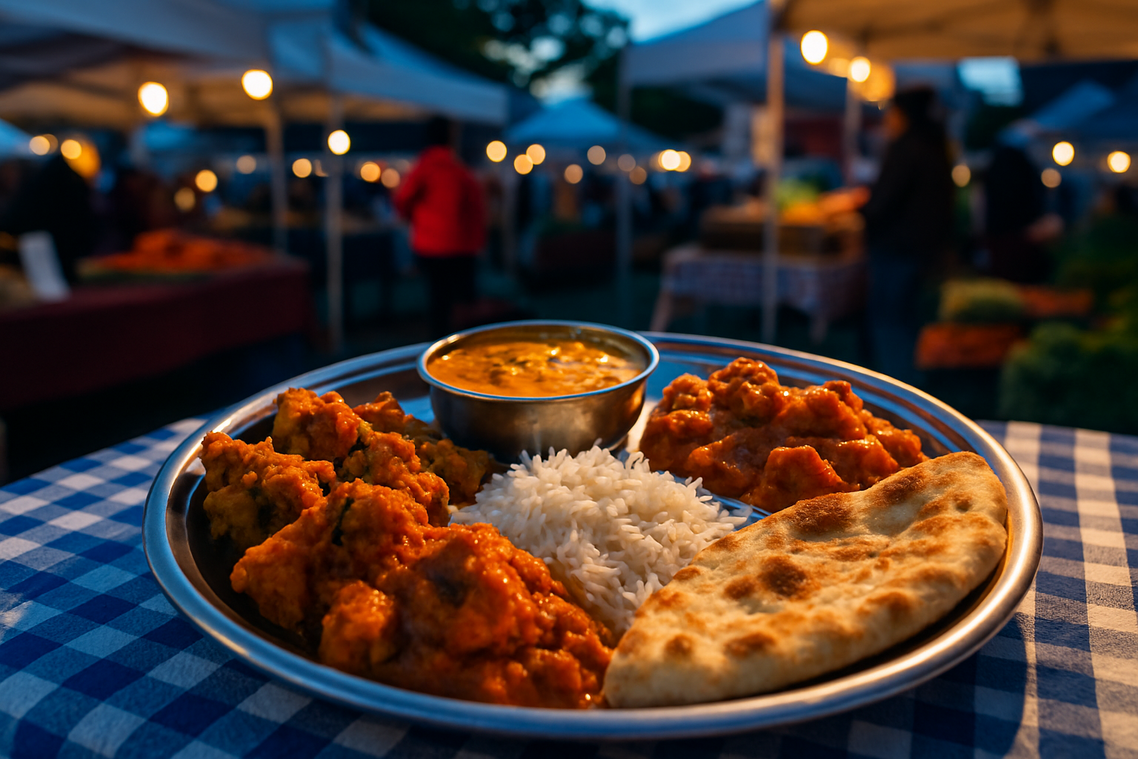
No Indian meal feels complete without dal. To clarify, dal simply means lentils, but it also refers to the comforting, soup-like dish made from them. Beyond flavor, dal adds plant-based protein, fiber, and an earthy depth that balances spicier mains (think of it as the steady rhythm guitarist in a band).
The Unsung Hero – Dal
First, consider Dal Tadka, sometimes called Dal Fry. “Tadka” means tempering—hot oil infused with spices like cumin, garlic, and chili, poured over cooked yellow lentils. The sizzling finish creates aroma and layered flavor. It’s the universal crowd-pleaser for a reason.
Then there’s Dal Makhani. “Makhani” translates to buttery, which explains its creamy texture. Made with black lentils and slow-cooked with cream, it’s richer and typically reserved for celebrations.
In contrast, Sambar is a South Indian lentil stew with vegetables and tamarind. Tamarind adds a tangy note, clarifying why it pairs so well with plain rice.
Finally, a simple vegetable side—like lightly spiced green beans—cleanses the palate and balances heavier dishes within the indian thali concept. For another example of structured dining harmony, see exploring traditional japanese kaiseki dining.
Finishing Touches: The Flavor Accents
A great meal isn’t just built on mains; it’s defined by its contrasts. Think of flavor accents as the supporting cast that quietly steals the scene (yes, sometimes the side character wins the Oscar). In the indian thali concept, these small additions complete the circle of taste—sweet, sour, spicy, salty, bitter, and umami—creating balance rather than excess.
Some argue that raita, chutney, or salad are optional extras. After all, if the curry is perfect, why complicate it? Here’s the counterpoint: without contrast, richness becomes monotony. Accents reset your palate, making every bite feel intentional rather than heavy.
1. Raita: The Cooling Counterweight
Raita—a yogurt-based dip—tempers spice through casein, a milk protein that binds to capsaicin (the compound that makes chilies hot) and reduces its burn (National Library of Medicine).
- Boondi Raita: Tiny fried chickpea pearls add texture and soak up seasoning.
- Cucumber Raita: Fresh, hydrating, and crisp—ideal with fiery biryani.
2. Chutney & Achar: Concentrated Flavor
These are flavor bombs in teaspoon doses.
- Mint Chutney: Herbaceous and bright, perfect with starters.
- Tamarind Chutney: Sweet-sour tang that cuts through fried foods.
- Mango Pickle (Achar): Fermented, pungent, and bold (pro tip: a pea-sized amount transforms a bland bite).
3. Papadum & Kachumber: Texture Matters
Papadum delivers shattering crunch, while kachumber—onion, tomato, cucumber, lemon—adds acidity and freshness.
Competitors often treat these as side notes. In reality, they’re strategic flavor engineering. Remove them, and the meal flattens. Keep them, and every bite feels dynamic.
You now hold the blueprint for a balanced, authentic Indian meal—no more menu paralysis, no more random ordering. Instead of guessing, you curate like a director staging a blockbuster ensemble cast. The confusion fades; you become the culinary architect.
Think of the indian thali concept: harmony on one plate, every element playing its part.
- One fragrant rice
- One warm bread
- One soulful dal
- One bold main curry
- One crunchy accent
Together, they create contrast, comfort, and crescendo (yes, flavor has a soundtrack). Start simple. Add one accent each time. Soon, your table becomes Bollywood finale.
Bringing the Indian Thali Concept to Your Table
By now, you’ve explored the depth, balance, and cultural richness behind the indian thali concept—from its vibrant variety to its thoughtful harmony of flavors, textures, and nutrients. If your goal was to understand why this traditional way of serving food continues to captivate food lovers around the world, you now have a clear and satisfying answer.
The real beauty of the indian thali concept lies in solving a common culinary pain point: boring, repetitive meals that lack balance and excitement. Instead of cooking separate, disconnected dishes, this approach helps you create a complete, diverse experience on a single plate—without overcomplicating your time in the kitchen.
Now it’s your turn to take action. Start by building your own thali at home—combine a staple, a protein, a vegetable dish, something tangy, and a sweet touch. Experiment with regional flavors, explore global inspirations, and turn everyday meals into immersive food experiences.
If you’re craving more culinary inspiration, cooking hacks, and insights into global food traditions, explore more of our expertly curated guides. Join thousands of passionate food enthusiasts who trust us to uncover authentic flavors and hidden gastronomic gems. Dive in now and transform the way you experience food—one beautifully balanced plate at a time.

 There is a specific skill involved in explaining something clearly — one that is completely separate from actually knowing the subject. Rendric Dornhaven has both. They has spent years working with cultural cuisine explorations in a hands-on capacity, and an equal amount of time figuring out how to translate that experience into writing that people with different backgrounds can actually absorb and use.
Rendric tends to approach complex subjects — Cultural Cuisine Explorations, Cooking Hacks and Kitchen Tricks, Regional Taste Deep Dives being good examples — by starting with what the reader already knows, then building outward from there rather than dropping them in the deep end. It sounds like a small thing. In practice it makes a significant difference in whether someone finishes the article or abandons it halfway through. They is also good at knowing when to stop — a surprisingly underrated skill. Some writers bury useful information under so many caveats and qualifications that the point disappears. Rendric knows where the point is and gets there without too many detours.
The practical effect of all this is that people who read Rendric's work tend to come away actually capable of doing something with it. Not just vaguely informed — actually capable. For a writer working in cultural cuisine explorations, that is probably the best possible outcome, and it's the standard Rendric holds they's own work to.
There is a specific skill involved in explaining something clearly — one that is completely separate from actually knowing the subject. Rendric Dornhaven has both. They has spent years working with cultural cuisine explorations in a hands-on capacity, and an equal amount of time figuring out how to translate that experience into writing that people with different backgrounds can actually absorb and use.
Rendric tends to approach complex subjects — Cultural Cuisine Explorations, Cooking Hacks and Kitchen Tricks, Regional Taste Deep Dives being good examples — by starting with what the reader already knows, then building outward from there rather than dropping them in the deep end. It sounds like a small thing. In practice it makes a significant difference in whether someone finishes the article or abandons it halfway through. They is also good at knowing when to stop — a surprisingly underrated skill. Some writers bury useful information under so many caveats and qualifications that the point disappears. Rendric knows where the point is and gets there without too many detours.
The practical effect of all this is that people who read Rendric's work tend to come away actually capable of doing something with it. Not just vaguely informed — actually capable. For a writer working in cultural cuisine explorations, that is probably the best possible outcome, and it's the standard Rendric holds they's own work to.