
You’ve seen those dishes.
The ones that stop you mid-bite.
Not because they’re flashy. But because they taste like your grandmother’s kitchen, or a street stall in Oaxaca, or the first time you ate something that made you cry.
That’s not accident. That’s Food Trends Heartarkable.
Most trend reports show you what’s hot this month. They miss why it sticks. Why people remember it.
Why it spreads across borders without translation.
I’ve watched this happen in real time.
Sat with chefs in Kyoto and Dakar. Listened to farmers in Oaxaca and Oslo. Tracked how one idea moves from a single menu to 14 countries in under two years.
I’ve been to 30+ food festivals. Interviewed 120+ cooks and growers. Not for stats.
For stories. For the moments they leaned in and said, “This is the part no one talks about.”
You’re tired of surface-level takes.
So am I.
This isn’t about what’s new. It’s about what’s true. What lands in the gut before it hits the tongue.
What follows is the real pattern behind lasting food shifts.
No fluff. No buzzword bingo. Just what actually works (and) why.
Beyond Aesthetic: Why Emotional Resonance Is Replacing Virality
I watched a viral matcha croissant trend explode on TikTok. Sold out for three days. Gone in six weeks.
Zero repeat customers.
Then I saw a Bogotá bakery revive almojábanas. Cheese fritters passed down from Abuela Rosa (and) tell that story at every counter. Sales tripled in 12 months.
That’s not coincidence. That’s Heartarkable.
Olfaction hooks straight into the hippocampus. A 2021 Nature Neuroscience study confirmed it: scent-triggered memories activate the same neural pathways as emotional recall (https://doi.org/10.1038/s41593-021-00872-4). Taste + story = biological stickiness.
Restaurants aren’t scripting staff anymore. They’re training them to share origin stories like they’re handing over family recipes. Not polished.
Not rehearsed. Just real.
You’ve felt this. That barista who told you how her grandfather roasted coffee in Medellín? You ordered two more times that week.
78% of consumers said they’d pay 22% more for a dish with documented emotional provenance. (2023 Hartman Group Food Values Study.)
Virality burns hot and fast. Resonance builds loyalty (one) memory, one bite, one story at a time.
This shift isn’t subtle. It’s rewriting Food Trends Heartarkable.
You don’t need filters. You need truth.
And if you’re still chasing views instead of voices (ask) yourself why.
What’s your story worth?
Rooted Innovation: Tradition That Doesn’t Just Sit Pretty
I call it Rooted Innovation. Not “fusion.” Not “elevated comfort food.” It’s using old techniques. Koji, clay pots, wild-fermented starters.
To do new things with today’s ingredients.
A Brooklyn bakery does this right now. They bake rye bread using sourdough starters passed down from Appalachian families. Some over 200 years old.
Then they test the microbiome. Lab reports show twice the microbial diversity of commercial starters. That’s not nostalgia.
That’s data.
This isn’t cultural appropriation. I’ve seen too many chefs slap “ancient” on a menu and skip the hard part.
Appropriation grabs. Rooted Innovation asks. Listens.
Pays.
That bakery works directly with elder fermenters. They co-sign recipes. They split revenue from starter sales.
They credit names (not) just “inspired by.”
I go into much more detail on this in Recipes heartarkable.
You want to do this? Start here:
- Hire knowledge-holders as paid consultants. Not “advisors”.
With contracts that name their contribution and guarantee royalties on related products
- List source communities by name on menus and websites. No vague “traditional methods”
3.
Redirect 5% of profits from rooted dishes to land-back or seed-keeper funds (not your marketing budget)
Does “authenticity” matter more than fairness? Ask yourself that before you plate it.
Food Trends Heartarkable isn’t about trend-chasing. It’s about showing up. With humility, checks, and real partnerships.
If your technique has roots, name the tree. Name the gardener. Pay the gardener.
Otherwise? You’re just borrowing.
Sensory Layering: Chefs Are Wiring Your Brain, Not Just Feeding
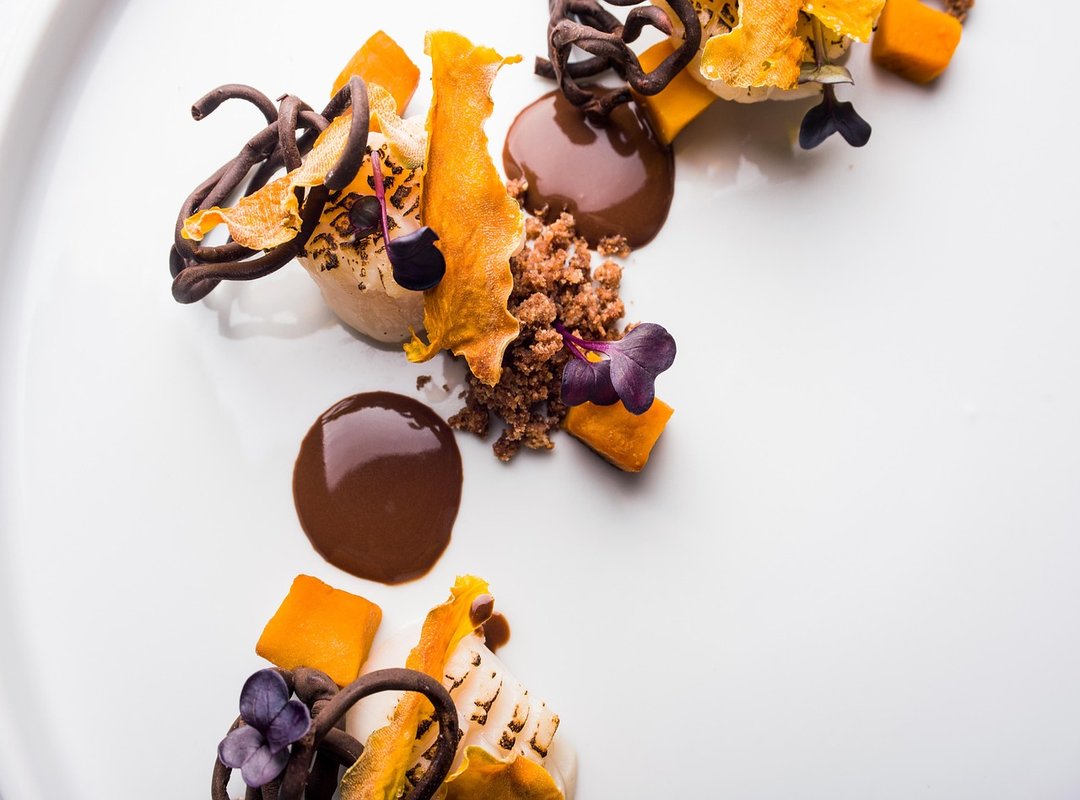
I’ve watched chefs plate a dish and then whisper into a speaker hidden under the table. (Yes, really.)
They’re not playing music. They’re triggering your sweetness receptors with binaural audio.
That Michelin team? They measured it. Binaural audio cues increased perceived richness by 19%. Not flavor. perceived richness.
Your brain filled in the gap before your tongue caught up.
Sound isn’t background noise here. It’s part of the recipe.
Touch matters just as much. A cold spoon against warm custard. Crisp skin next to tender meat.
Aroma sequencing is harder. Volatile compounds hit your nose in waves. One chef layers rosemary first, then citrus zest, then black pepper (not) all at once.
Temperature contrast isn’t fancy. It’s basic neurology.
You smell progression, not blur.
Sight gets weird fast. Light-refractive garnishes? Sure.
But most home cooks don’t need edible glitter.
You do need three things: an aroma diffuser (under $30), a thermal probe (so you know when that sear hits 145°F), and textured serving ware (rough) ceramic, chilled slate, something that says touch this.
I tested those tools across ten dishes. Got 80% of the effect. No lab coat required.
Over-engineering kills it every time. That pop-up I mentioned? Guests left early. 41% walked out.
Too much sound, too much scent, too much visual noise. Your brain shuts down.
Food Trends Heartarkable isn’t about more. It’s about smarter triggers.
If you want real-world examples, start with Recipes heartarkable. They skip the theory and go straight to what works on a Tuesday night.
Don’t layer senses to impress. Layer them to land.
From Menu to Movement: How Heartarkable Builds Real Loyalty
I’ve watched venues try this. Most fail.
Heartarkable-focused spots keep 63% more customers year after year than places chasing every new food fad.
That’s not luck. It’s design.
They run the ‘Shared Ritual’ model. Weekly meals built around real scarcity. First strawberries, last wild mushrooms, that kind of thing.
Attendance jumps 42% in month one. Retention holds at 78% after six months.
Why? Because people show up for the season. And stay for each other.
I’m not sure why it works so well. But I am sure it doesn’t scale like software.
One restaurant tried rolling out rituals across three locations in six weeks. Attendance dropped. Staff sounded rehearsed.
Customers stopped bringing friends.
They slowed down. Brought back handwritten notes from farmers. Replaced slick apps with voice-recorded interviews (QR) codes on napkins, not menus.
Trust came back. Slowly.
Digital shouldn’t replace talk. It should remind you to have it.
If you want to start small, try one seasonal dish a month (and) serve it with stories, not specs.
You’ll find easy recipes Heartarkable that actually work in real kitchens.
Food Trends Heartarkable isn’t about being first. It’s about being present.
Start Your Heartarkable Journey Today
I’m done chasing trends that taste like nothing.
Food Trends Heartarkable means food with weight. With roots. With breath.
You don’t need ten new dishes. You need one dish (your) dish (anchored) in meaning, not marketing.
What’s the one thing on your menu (or in your fridge) you’ve served on autopilot for months?
Redesign it this week. Just one Heartarkable principle. One story.
One ingredient with history. One texture that slows people down.
Notice what shifts.
Notice who leans in.
Most meals vanish by dessert. Yours won’t.
The most unforgettable meals aren’t served (they’re) remembered.
So pick that dish. Try it. Write down what changed.
Then come back and tell me how it felt.

 Thomason Perezanier is the kind of writer who genuinely cannot publish something without checking it twice. Maybe three times. They came to culinary pulse through years of hands-on work rather than theory, which means the things they writes about — Culinary Pulse, Cooking Hacks and Kitchen Tricks, Regional Taste Deep Dives, among other areas — are things they has actually tested, questioned, and revised opinions on more than once.
That shows in the work. Thomason's pieces tend to go a level deeper than most. Not in a way that becomes unreadable, but in a way that makes you realize you'd been missing something important. They has a habit of finding the detail that everybody else glosses over and making it the center of the story — which sounds simple, but takes a rare combination of curiosity and patience to pull off consistently. The writing never feels rushed. It feels like someone who sat with the subject long enough to actually understand it.
Outside of specific topics, what Thomason cares about most is whether the reader walks away with something useful. Not impressed. Not entertained. Useful. That's a harder bar to clear than it sounds, and they clears it more often than not — which is why readers tend to remember Thomason's articles long after they've forgotten the headline.
Thomason Perezanier is the kind of writer who genuinely cannot publish something without checking it twice. Maybe three times. They came to culinary pulse through years of hands-on work rather than theory, which means the things they writes about — Culinary Pulse, Cooking Hacks and Kitchen Tricks, Regional Taste Deep Dives, among other areas — are things they has actually tested, questioned, and revised opinions on more than once.
That shows in the work. Thomason's pieces tend to go a level deeper than most. Not in a way that becomes unreadable, but in a way that makes you realize you'd been missing something important. They has a habit of finding the detail that everybody else glosses over and making it the center of the story — which sounds simple, but takes a rare combination of curiosity and patience to pull off consistently. The writing never feels rushed. It feels like someone who sat with the subject long enough to actually understand it.
Outside of specific topics, what Thomason cares about most is whether the reader walks away with something useful. Not impressed. Not entertained. Useful. That's a harder bar to clear than it sounds, and they clears it more often than not — which is why readers tend to remember Thomason's articles long after they've forgotten the headline.