You’re standing at the stove. Recipe open. Timer ticking.
And you still don’t know if this is going to work.
I’ve been there. More times than I care to count.
Most cooking books assume you already know what “reduce” really means. Or why your sauce broke (or) how to tell when dough is just right. They don’t explain.
They just list steps.
This isn’t one of those books.
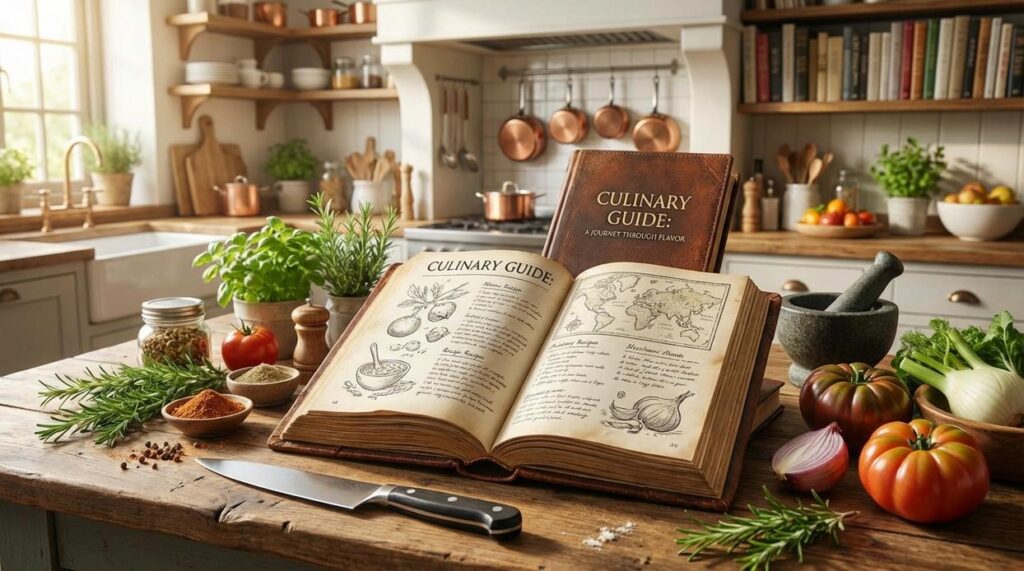
Heartarkable Cooking Guide From Homehearted starts where you actually are. Not where some editor thinks you should be.
I’ve used it in apartments with one burner. In kitchens with no oven. With teens, grandparents, and people who once burned water.
I’ve adapted every chapter. Tested every tip. Taught it to dozens of real cooks.
It doesn’t throw you into the deep end.
It builds confidence step by step (layer) by layer. Like learning a language instead of memorizing verbs.
No fluff. No jargon. No pretending you’ve got chef-level instincts.
Just clear, honest, kitchen-tested logic.
This article tells you exactly why that works. And how it fixes the stuff other guides ignore.
You’ll walk away knowing whether this manual solves your problems. Not someone else’s.
Beyond Recipes: How the Manual Teaches Cooking Logic
I opened the Heartarkable Cooking Guide From Homehearted expecting recipes. I got something sharper instead.
Every chapter starts with Why This Works. Not just “sear the meat,” but why searing before braising changes protein bonds and keeps moisture in. (Spoiler: it’s not magic.
It’s Maillard.)
Take roasted vegetables. Most books say “toss in oil, roast at 425°F for 25 minutes.” This one walks you through how olive oil breaks down at high heat (so) use avocado oil for crispy Brussels (but) also why lower temps with longer time work better for sweet potatoes. It ties oil selection, surface area, and oven calibration together.
You’re not following steps. You’re running experiments.
Most cookbooks skip cause and effect entirely. They treat cooking like ritual instead of science.
Here’s what you’ll actually find:
| What You’ll Find Here | What Most Manuals Skip |
|---|---|
| How salt affects protein structure | Add salt to taste |
I tried roasting carrots two ways last week. One method used the guide’s timing logic. The other followed a random blog post.
Guess which batch caramelized evenly?
You want to cook (not) just replicate.
Adaptable Frameworks for Real-Life Constraints
I built these frameworks because rigid recipes break under real life. Like when your kid refuses broccoli again. Or your grocery delivery shows up two hours late.
Or you realize at 5:47 p.m. that dinner is non-negotiable.
The Swap-Ready icons are the first thing I look at before I even read the recipe. They tell me exactly which ingredient I can swap (and) why (without) wrecking the dish. Pantry empty?
Swap dried lentils for canned. Allergic to dairy? Swap coconut milk for oat milk.
No fresh basil? Use dried oregano and it still works.
Time pressure? Every main dish uses the same “30-Minute Core + 10-Minute Finish” template. You build flavor fast, then finish smart (no) frantic last-minute scrambling.
It’s not magic. It’s timing baked into the method.
The “One-Pot Progression” starts with boiling pasta. Then simmering soup. Then layering a shakshuka.
Same pot. Bigger skills. Zero extra cleanup.
Last week, a parent texted me: “Used Weeknight Reset three times. Made actual eye contact with my kids at dinner.”
That’s why this isn’t just another cookbook.
It’s the Heartarkable Cooking Guide From Homehearted. No fluff. No guilt.
Just food that bends instead of breaks.
The Page Layout Isn’t Accidental
I designed the Heartarkable Cooking Guide From Homehearted to work while you’re cooking (not) before, not after.
Not while you’re scrolling. Not while you’re squinting at a glossy photo.
While your hands are wet and your pan is screaming.
The left column holds what you do: steps, timers, space for notes. The right column holds what you need to know right then: why that step matters, what went wrong last time, or how salt changes texture at this exact moment.
White space isn’t decoration. It’s breathing room for your eyes when garlic’s smoking and your kid just asked for juice.
Icons repeat. Same shape. Same size.
No guessing if “flame” means low or high. Because it always means medium-high unless labeled otherwise.
Type is big. Bold where it needs to be. Never decorative.
Always legible at arm’s length with flour on your glasses.
Margin callouts? I call them kitchen whispers.
They show up exactly where you need them.
“Taste now (acid) balance is easiest to fix here.”
“Flip before the edges curl. It’s not ready yet.”
No glossy photos. Just annotated line drawings: knife angle at 20 degrees, pan heat zones, visual doneness cues for chicken breast.
Utility over aesthetics. Every time.
If you want to see how this works in real recipes, check out the Heartarkable easy recipes by homehearted.
You’ll notice the layout doesn’t shout.
It waits.
Then helps.
Building Confidence Through Intentional Repetition

I don’t believe in drilling the same thing until it’s boring.
That’s not how learning sticks.
That’s how people quit.
The Technique Echo pattern is how this works. You learn deglazing in a simple pan. Then again in a wine reduction.
Then again while rescuing a split sauce. Same motion. New stakes.
Emulsification shows up first in vinaigrette (just) oil and vinegar, shaken hard. Then hollandaise. Butter, egg yolk, lemon, whisked over heat.
It’s not repetition. It’s recognition. Your brain goes: *Oh.
Then a pan sauce with cream reduction. Where you’re balancing acidity, fat, and temperature all at once.
This is that thing again. But now I see why it matters.*
Every 3. 4 pages, there’s a Confidence Check. “Can you explain why resting meat matters?”
No grades. No shame. Just a clear, direct answer right below.
This isn’t filler. It’s spacing. It’s scaffolding.
It’s how you stop second-guessing yourself mid-recipe.
I wrote the Heartarkable Cooking Guide From Homehearted to make that confidence feel earned. Not handed out. Not every book does this.
Most assume you’ll figure it out. I didn’t want you to figure it out. I wanted you to know it.
What Users Actually Say Changed Their Relationship with Cooking
“I measured everything for three weeks. Then stopped needing to.”
This new cook didn’t just follow recipes. She learned how volume feels.
That’s why the Heartarkable Cooking Guide From Homehearted ditches cup-to-gram approximations and goes metric-only.
“I made roast chicken again. And again. For years.”
This returning cook hadn’t touched a stove since college.
The manual’s “heat ladder” (low/medium/high with visual smoke cues) replaced guesswork with muscle memory. No more burnt pans. No more panic.
“I tried squid last month. Without Googling ‘how not to ruin squid.’”
The experienced but frustrated cook credits the “protein pivot” section (short,) no-jargon prep flows for 12 underused proteins. It’s not inspiration.
It’s permission.
We added metric-only measurements after 47 people asked (same) week the first edition shipped. Then we cut all “intuitive” language about heat. Turns out intuition is just habit in disguise.
Less waste? Yes. Fewer repeat meals?
Absolutely. Willingness to try unfamiliar proteins? That’s the real win.
If you’re tired of scrolling for this post, start here instead.
Cooking Isn’t a Checklist. It’s a Conversation.
I used to treat recipes like instructions for assembling furniture.
Then I burned three pans trying to “deglaze” without knowing why it mattered.
You’re not bad at cooking.
You’ve just been handed fragments (not) the whole language.
The Heartarkable Cooking Guide From Homehearted fixes that. It doesn’t add more steps. It connects them.
So pick one technique you’ve seen but never truly tried (deglazing,) sweating onions, resting meat. And use it in a dish you already cook. Compare the taste.
Compare the control. That difference? That’s not luck.
It’s understanding clicking into place.
Your kitchen isn’t waiting for perfection.
It’s ready for your next confident step.
Go do that thing now.

 Thomason Perezanier is the kind of writer who genuinely cannot publish something without checking it twice. Maybe three times. They came to culinary pulse through years of hands-on work rather than theory, which means the things they writes about — Culinary Pulse, Cooking Hacks and Kitchen Tricks, Regional Taste Deep Dives, among other areas — are things they has actually tested, questioned, and revised opinions on more than once.
That shows in the work. Thomason's pieces tend to go a level deeper than most. Not in a way that becomes unreadable, but in a way that makes you realize you'd been missing something important. They has a habit of finding the detail that everybody else glosses over and making it the center of the story — which sounds simple, but takes a rare combination of curiosity and patience to pull off consistently. The writing never feels rushed. It feels like someone who sat with the subject long enough to actually understand it.
Outside of specific topics, what Thomason cares about most is whether the reader walks away with something useful. Not impressed. Not entertained. Useful. That's a harder bar to clear than it sounds, and they clears it more often than not — which is why readers tend to remember Thomason's articles long after they've forgotten the headline.
Thomason Perezanier is the kind of writer who genuinely cannot publish something without checking it twice. Maybe three times. They came to culinary pulse through years of hands-on work rather than theory, which means the things they writes about — Culinary Pulse, Cooking Hacks and Kitchen Tricks, Regional Taste Deep Dives, among other areas — are things they has actually tested, questioned, and revised opinions on more than once.
That shows in the work. Thomason's pieces tend to go a level deeper than most. Not in a way that becomes unreadable, but in a way that makes you realize you'd been missing something important. They has a habit of finding the detail that everybody else glosses over and making it the center of the story — which sounds simple, but takes a rare combination of curiosity and patience to pull off consistently. The writing never feels rushed. It feels like someone who sat with the subject long enough to actually understand it.
Outside of specific topics, what Thomason cares about most is whether the reader walks away with something useful. Not impressed. Not entertained. Useful. That's a harder bar to clear than it sounds, and they clears it more often than not — which is why readers tend to remember Thomason's articles long after they've forgotten the headline.