
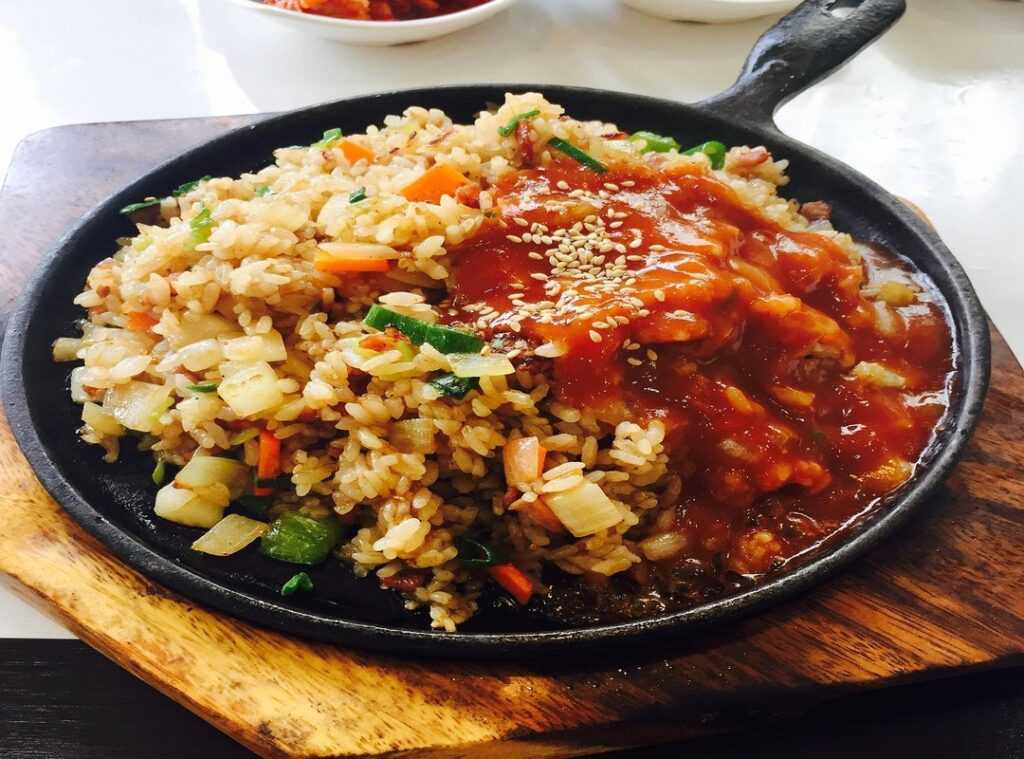
We’ve all been there. You start with high hopes, imagining a pot of perfectly cooked rice, but instead, you get a sticky, clumpy mess. It’s frustrating, right?
I’m here to change that. With fluffy rice cooking tricks, you’ll finally master the art of making rice that’s separate, tender, and light as a cloud.
I’ve spent time digging into culinary techniques and the science behind cooking perfect grains. Know why? Because you deserve to know not just the “how,” but the “why.” It’s not just about following steps blindly.
You need to end your rice-making woes once and for all.
This isn’t just another recipe. This is your foolproof guide, tested in countless kitchens, promising to deliver what every rice lover dreams of. Ready to learn the secret?
The Foundation: Why Your Choice of Rice Grain Matters Most
Not all rice grains are created equal. Choosing the right type can make or break your dish. Ever tried cooking rice and ended up with a sticky mess?
You’re not alone. It’s all about understanding the grains. Long-grain varieties like Basmati or Jasmine are my go-tos.
They’re slender, aromatic, and utterly elegant. Cook them up, and you’ve got fluffy rice that doesn’t stick together. The secret lies in their low amylopectin content.
That’s a fancy way of saying they have less of the stuff that makes rice sticky.
But what if you’re aiming for something creamy, like risotto? short-grain rice shines. Think Arborio or sushi rice. Perfect for those rich, sticky dishes.
It’s the high amylopectin again (doing its sticky magic). Medium-grain rice sits somewhere in between, but honestly, if you want fluff, stick to long-grain.
Now, does it really matter which one you choose? Absolutely. Each grain has a purpose.
Mixing them up can lead to a culinary disaster. Trust me, I’ve been there. You want elegance on your plate, not a sticky lump.
Plus, mastering these fluffy rice cooking tricks elevates your skills. Wondering how to perfect other kitchen feats? You can learn more about quick hacks that improve baking skills.
So, if you’re cooking for guests or just yourself, don’t underestimate the power of the grain. It’s the foundation of your meal. Get it right, and everything else will shine.
The Rinsing Ritual: Washing Away the Stickiness
Every time I cook rice, I swear by this ritual. It’s about achieving that perfect fluffiness. You might wonder why your rice ends up sticky.
It’s the starch. That sneaky, clumping villain. So, what’s the trick?
Simple.
Start by putting your rice in a bowl. Cover it with cool water. Then, swirl it with your fingers.
Feel those grains slip through your fingers like tiny pebbles. Hear the gentle splash of water. This isn’t just about feel-good vibes.
It’s important. As you swirl, watch the water transform. First, it’s milky and cloudy.
Then, as if by magic, it becomes nearly clear.
That’s the starch washing away. When you rinse rice, you’re removing that surface starch that causes grains to clump. No one wants gummy rice.
For fluffy rice cooking tricks, rinse about three or four times. Stop when the water is practically clear.
But don’t overdo it. Over-rinsing can wash away more than just starch. It could strip away some nutrients.
Balance is key here. Want more takeaways on getting it right? Check out how to cook perfect white rice.
Pro tip: use cool water, not hot. Hot water can start cooking your rice prematurely. And that’s a whole other problem.
Bottom line, this ritual isn’t just an option. It’s a necessity for anyone seeking that perfect bowl of fluffy rice.
The Golden Ratio: Mastering Water and Heat
Let’s talk about the biggest rice myth: the 2-to-1 water-to-rice ratio. It’s everywhere, right? But here’s the thing.

It’s not universally true. For long-grain rice, start with 1 cup of rice to 1.5 cups of water. Trust me, this simple change makes a difference.
Why does this matter? Because rice can be finicky. Brand and age of rice affect absorption, so you might need slight tweaks.
But, 1.5 cups is a reliable starting point.
Now, let’s get to the cooking method. Bring your water and rice to a boil. Once boiling, it’s time to simmer.
And I mean a gentle, lazy bubble kind of simmer. Turn the heat down to the lowest possible setting. This is where the magic happens.
Here’s a pro tip: use a tight-fitting lid. It’s the steam that cooks the rice, not the water. Lifting the lid is like opening Pandora’s box.
You’ll lose steam, and your rice might end up gummy. Ever had that happen? Frustrating, I know.
And please, fight the urge to stir. Stirring agitates the starches, making your rice sticky. Just let it be.
Set a timer for 15-18 minutes for white long-grain rice. But always check your package directions. They’re there for a reason.
If you’re into trying secret crispy oven fried foods, you know precision matters. The same goes for rice. Little tweaks can raise your dish from average to amazing.
So there you have it. Fluffy rice isn’t just a dream. With these fluffy rice cooking tricks, you can achieve it every time.
Simple changes, big results. Go ahead, give it a try. Your taste buds will thank you.
The Art of the Rest: The Final, Key Step for Fluffiness
You might think you’re done once the timer dings and the water’s gone, but hold your horses. There’s a secret step that many home cooks skip, and it’s the difference between soggy and sublime. When the cooking’s over, don’t touch that lid.
Leave the pot on the counter, lid sealed tight, for a good 10 minutes. Why? The residual steam’s doing its magic, finishing off the grains and evening out moisture (so you avoid that dreaded dry top and soggy bottom).
Now, let’s talk about the grand reveal. When you finally lift that lid, the hiss of steam is music to your ears. It’s a sensory delight.
And the sight? Perfectly distinct, fluffy grains that look like they belong in a food magazine. You know what I’m talking about.
Here’s a pro tip: use a fork or rice paddle to fluff the rice. Not a spoon. A fork gently separates the grains instead of mashing them.
Have you ever tried to fluff with a spoon? It’s a mushy mess. So, remember, this resting period isn’t just a suggestion.
It’s the important step in your arsenal of fluffy rice cooking tricks.
Master Fluffy Rice Tonight
You’ve got this. All the fluffy rice cooking tricks you need are in your hands. No more sticky disasters.
The secret? Four simple steps. Pick the right grain, rinse off that pesky starch, nail the ratio and heat, then let it rest.
Sounds easy, right? Because it is.
You see, this isn’t just some random method. It’s a blend of science and technique. It’s about respecting the rice, understanding its quirks.
Trust me, follow these steps, and you’ll see the difference. Imagine the aroma, the sight of those pearly grains, each standing alone. That’s the magic you’re about to create.
So, ask yourself: are you ready to transform your meal? I think you are. Grab your favorite long-grain rice tonight.
Dive in, and let this method guide you. It’s time to experience rice like never before. Perfectly cooked, every single time.

 There is a specific skill involved in explaining something clearly — one that is completely separate from actually knowing the subject. Rendric Dornhaven has both. They has spent years working with cultural cuisine explorations in a hands-on capacity, and an equal amount of time figuring out how to translate that experience into writing that people with different backgrounds can actually absorb and use.
Rendric tends to approach complex subjects — Cultural Cuisine Explorations, Cooking Hacks and Kitchen Tricks, Regional Taste Deep Dives being good examples — by starting with what the reader already knows, then building outward from there rather than dropping them in the deep end. It sounds like a small thing. In practice it makes a significant difference in whether someone finishes the article or abandons it halfway through. They is also good at knowing when to stop — a surprisingly underrated skill. Some writers bury useful information under so many caveats and qualifications that the point disappears. Rendric knows where the point is and gets there without too many detours.
The practical effect of all this is that people who read Rendric's work tend to come away actually capable of doing something with it. Not just vaguely informed — actually capable. For a writer working in cultural cuisine explorations, that is probably the best possible outcome, and it's the standard Rendric holds they's own work to.
There is a specific skill involved in explaining something clearly — one that is completely separate from actually knowing the subject. Rendric Dornhaven has both. They has spent years working with cultural cuisine explorations in a hands-on capacity, and an equal amount of time figuring out how to translate that experience into writing that people with different backgrounds can actually absorb and use.
Rendric tends to approach complex subjects — Cultural Cuisine Explorations, Cooking Hacks and Kitchen Tricks, Regional Taste Deep Dives being good examples — by starting with what the reader already knows, then building outward from there rather than dropping them in the deep end. It sounds like a small thing. In practice it makes a significant difference in whether someone finishes the article or abandons it halfway through. They is also good at knowing when to stop — a surprisingly underrated skill. Some writers bury useful information under so many caveats and qualifications that the point disappears. Rendric knows where the point is and gets there without too many detours.
The practical effect of all this is that people who read Rendric's work tend to come away actually capable of doing something with it. Not just vaguely informed — actually capable. For a writer working in cultural cuisine explorations, that is probably the best possible outcome, and it's the standard Rendric holds they's own work to.