
I’ve spent years chasing flavors most people never hear about until they’re already mainstream.
You’re probably scrolling through recipe after recipe wondering what’s actually worth trying in your own kitchen. The food world moves fast and most trend pieces just rehash the same tired ideas.
Here’s what I know: 2024 is bringing flavors and techniques that will change how you think about cooking at home. Not in some fancy restaurant way. In a way that actually makes sense for real kitchens.
I’ve been tracking what’s happening in markets, talking to cooks who are ahead of the curve, and tasting my way through regional spots that don’t make it onto Instagram. That’s how I know what’s coming next.
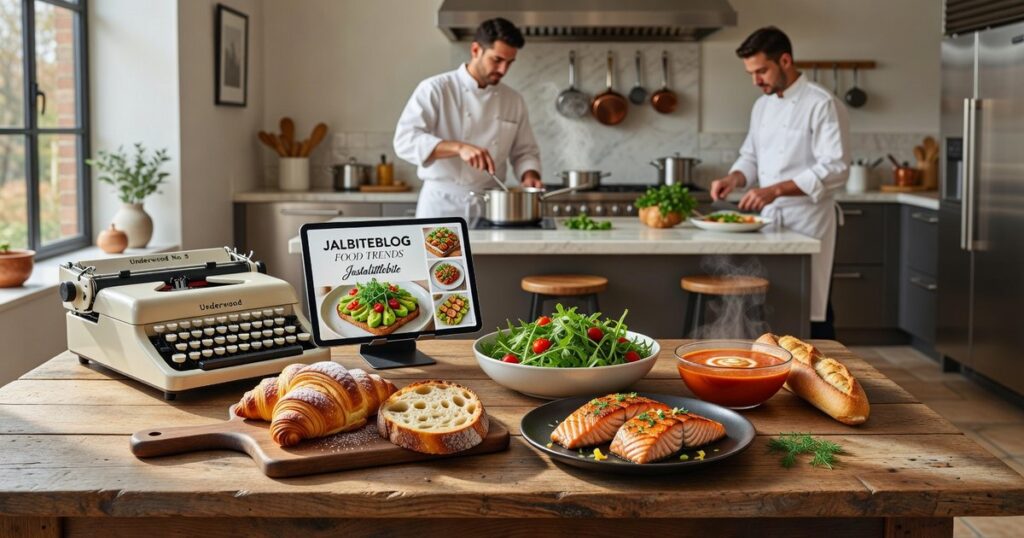
This article breaks down the jalbiteblog food trends justalittlebite that matter right now. I’ll show you which global flavors are finally accessible, what hyper-local ingredients you should know about, and which cooking hacks actually work.
You’ll learn what’s genuinely exciting and achievable in your kitchen. Not what some celebrity chef is doing. What you can do tonight.
No fluff about farm-to-table philosophy. Just the flavors and techniques that are reshaping how we eat right now.
Trend #1: The Global Pantry – Swapping Spices, Not Cuisines
You know that moment when you open your spice cabinet and reach for the same three bottles?
Yeah, that’s changing.
I’m seeing something different happen in kitchens right now. People aren’t trying to master Thai cooking or perfect French technique. They’re just grabbing ingredients from around the world and tossing them into their regular rotation.
It’s simpler than it sounds.
Think about gochujang. That fermented Korean chili paste with its deep, funky heat. I watched my neighbor slather it on ribs last weekend instead of his usual BBQ sauce. The smell hit me first. Sweet and spicy with this earthy undertone that made my mouth water before I even tasted it.
Or sumac. Those dark red flakes that taste like lemon had a baby with cranberries. I sprinkle it on roasted carrots and suddenly they’re not boring anymore. The tartness cuts through the caramelized sweetness in a way that makes you want another bite.
Some chefs argue this dilutes authentic cuisine. They say you can’t just cherry-pick ingredients without understanding the culture behind them. And look, I get where they’re coming from.
But here’s what I think they miss.
This isn’t about disrespecting tradition. It’s about making good food more accessible. When someone discovers they love the crispy, salty crunch of furikake on their morning avocado toast, that’s a gateway. Maybe they get curious about Japanese cooking later.
The jalbiteblog food trend from justalittlebite shows exactly how these jalbiteblog food trends justalittlebite are reshaping home cooking.
Right now, international ingredients aren’t hiding in specialty stores anymore. They’re at Target. At Walmart. That accessibility changes everything.
Let me give you three ingredients to try this week.
Black garlic tastes like regular garlic went to finishing school. It’s sweet and molasses-like with none of that sharp bite. I mash it into butter and spread it on bread. The texture is soft and sticky, almost like a paste.
Preserved lemons bring this intense citrus punch that regular lemons can’t touch. The rind gets soft and the flavor concentrates into something bright and salty. I chop them up and throw them in pasta. The aroma fills the kitchen, sharp and clean.
Chili crisp is probably the easiest one. It’s oil loaded with crispy garlic, shallots, and chili flakes. I put it on eggs, noodles, pizza. Anywhere you want heat and crunch at the same time. The oil glistens red and when it hits a hot pan, the sizzle sounds like tiny fireworks.
You don’t need recipes. Just taste as you go.
Trend #2: Third-Culture Cuisine – Where Culinary Worlds Collide
You walk into a food truck and see Korean tacos on the menu.
Or maybe it’s Thai-style pizza. Ramen burgers. Curry poutine.
Your first thought might be: Is this just gimmicky fusion food?
I hear that a lot. Some people say third-culture cuisine is just chefs throwing random ingredients together for Instagram likes. They argue that it disrespects traditional cooking and dilutes authentic flavors. While some critics argue that third-culture cuisine undermines traditional cooking, the vibrant discussions on platforms like Jalbiteblog reveal a growing appreciation for the creative fusion of flavors that challenge our culinary perceptions. While some critics argue that third-culture cuisine undermines traditional cooking, the vibrant fusion of flavors often celebrated on platforms like Jalbiteblog showcases a creativity that challenges and redefines culinary boundaries.
But here’s what they’re missing.
What Third-Culture Cuisine Actually Means
This isn’t about slapping wasabi on a hot dog and calling it fusion.
Third-culture cuisine comes from chefs who grew up between worlds. Maybe they had a Mexican mom and a Japanese dad. Or they immigrated young and ate Indian food at home but American food everywhere else.
These dishes tell personal stories. They’re not random.
Take sushi burritos. Yes, they sound weird. But they make perfect sense when you think about someone who grew up eating both nori rolls and Mission-style burritos. The technique is Japanese. The format is Mexican. The result is something completely new.
I’ve seen masala pasta that would make Italian grandmas raise an eyebrow. But when you taste it, you get why it works. The spice profiles from Indian cooking bring out flavors in tomato sauce that you never noticed before.
Filipino-American fusion is blowing up right now on jalbiteblog food trends justalittlebite. Adobo fried chicken. Lumpia spring rolls with non-traditional fillings. Ube (purple yam) in everything from ice cream to pancakes.
These aren’t accidents. They’re cultural math.
Where to Find the Real Deal
Here’s something most food writers won’t tell you.
Skip the fancy restaurants at first.
The best third-culture cuisine happens in food trucks and pop-ups. That’s where young chefs experiment without the pressure of a full restaurant lease. They can take risks. Try weird combinations. Fail without losing everything.
I found my favorite Mexican-Korean spot at a weekend market. The chef grew up in LA with parents from both backgrounds. Her kimchi quesadillas sound strange until you remember that both cultures love fermented cabbage and melted cheese. Food Jalbiteblog Trend Justalittlebite builds on the same ideas we are discussing here.
Pro tip: Follow local food trucks on social media. They announce locations and menu changes in real time.
Look for chefs who cook their actual heritage, not just trendy mashups. There’s a difference between someone making Japanese-Peruvian food because their parents are from both countries and someone doing it because they read it’s popular.
The stories matter. The food tastes different when it’s personal.
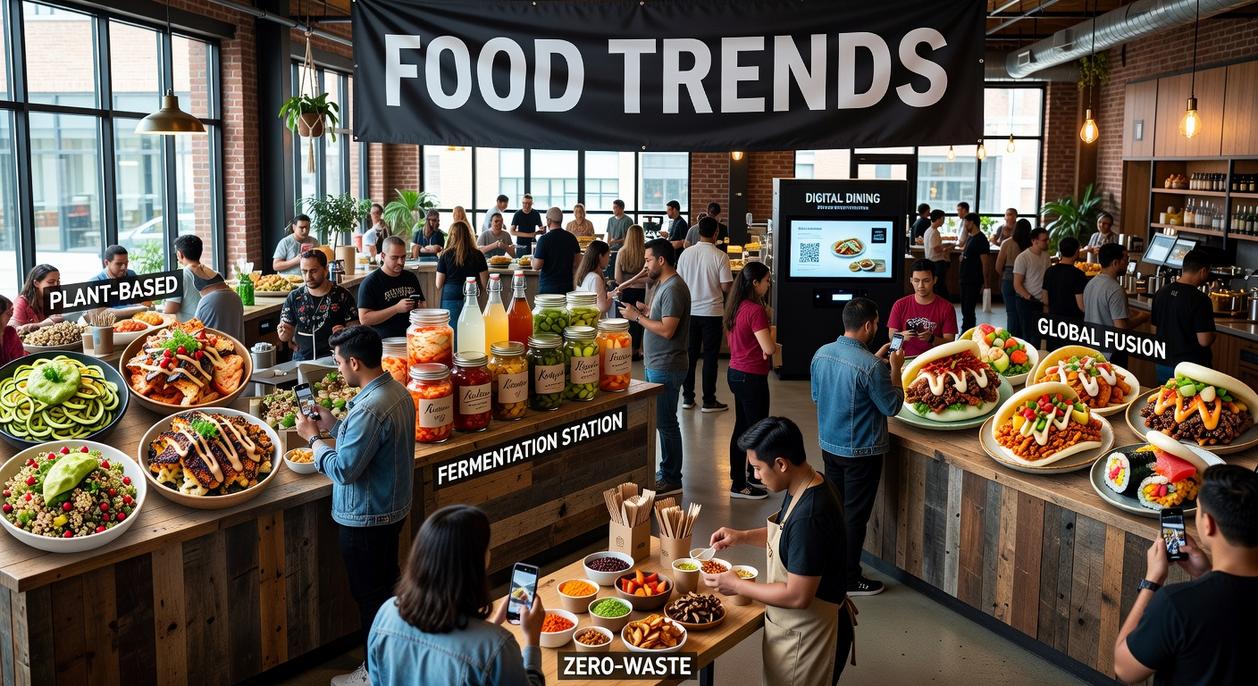
Trend #3: Hyper-Regionality – Digging Deeper Than ‘National’ Food
You’ve probably noticed it already.
That new restaurant downtown doesn’t serve “Mexican food” anymore. The sign says Oaxacan. The menu next door? Yucatecan, not just another taco spot.
This shift started picking up steam around 2021, but it really exploded over the past eighteen months.
I’m not talking about restaurants trying to sound fancy. This is different.
Diners want to know exactly where their food comes from. Not just the country. The actual region. The specific valley or coastal town where these recipes were born.
Some chefs push back on this. They say it boxes them in. Why can’t they just cook “Italian” and pull from wherever inspires them?
Fair point. Creativity matters.
But here’s what they’re missing. When you dig into hyper-regional cooking, you find flavors that got lost in translation. The online food trends jalbiteblog has been tracking show that people crave this specificity now. As the culinary landscape evolves, the insights from Online Food Trends Jalbiteblog reveal a growing appetite for the authentic, hyper-regional flavors that many have overlooked in favor of mainstream cuisine. As the culinary landscape evolves, the insights from Online Food Trends Jalbiteblog highlight a growing appreciation for the unique and often overlooked flavors that define regional cuisines.
Take Indian food as an example.
Northern Indian cooking loves dairy. Cream, ghee, paneer. The dishes are rich and thick. You get that in butter chicken or any paneer tikka masala.
Southern Indian cooking barely touches dairy. Coconut milk replaces cream. Tamarind and curry leaves do the heavy lifting. The flavors are brighter and lighter. We break this down even more in On Justalittlebite Jalbiteblog Food Trend.
Both are Indian. But they taste nothing alike.
I tested this at home last month with a simple Chettinad chicken recipe from Tamil Nadu. It took maybe forty minutes.
Here’s what you need:
- Chicken thighs (bone-in works better)
- Black peppercorns, fennel seeds, and dried red chilies
- Coconut, grated or shredded
- Tomatoes and onions
- Curry leaves if you can find them
Toast the spices in a dry pan for two minutes. Grind them with the coconut. Sauté your onions and tomatoes, add the paste, then the chicken. Let it simmer.
No cream. No butter. Just heat and spice and coconut.
It doesn’t taste like the Indian food most Americans know. And that’s exactly the point.
Trend #4: The ‘Smarter, Not Harder’ Kitchen – Tech-Infused Cooking Hacks
You don’t need to spend hours in the kitchen to cook like you know what you’re doing.
I’m serious. The gap between home cooking and restaurant quality keeps shrinking, and it’s not because we’re all suddenly better cooks.
It’s the tools.
Now, some people will tell you that real cooking means doing everything the old way. No shortcuts. No gadgets. Just you, a knife, and a cast iron pan.
And look, I respect that. There’s something pure about traditional methods.
But here’s what I’ve noticed. Those same people often struggle with consistency. One night their steak is perfect. The next night it’s overcooked. They blame themselves when really, they’re just guessing at temperatures.
The New Kitchen Arsenal
Air fryers get all the attention these days (and yeah, they’re pretty useful). But the real game changers are the precision tools that take the guesswork out of cooking.
Sous vide machines let you cook meat to exact temperatures. Smart thermometers alert your phone when dinner’s ready. Induction cooktops heat faster and more evenly than gas.
I’ll be honest though. I’m not entirely sure which of these tools will still matter in five years. The jalbiteblog food trends justalittlebite shift constantly, and what feels revolutionary today might collect dust tomorrow.
What I do know is this. Temperature control matters more than most people realize.
Take the reverse sear method. It sounds fancy but it’s just cooking meat low and slow first, then finishing with high heat. You need a probe thermometer to pull it off right, but once you have one? It’s almost foolproof.
Here’s how it works. You cook a steak in a low oven until it hits about 115°F internally. Then you sear it hard in a screaming hot pan for 90 seconds per side.
The result? Edge to edge pink with a dark crust.
No gray band of overcooked meat. No cutting into it five times to check if it’s done.
Same principle works for chicken breasts. Cook them to 150°F in the oven, let them rest (carryover heat brings them to 165°F), and you’ll never eat dry chicken again. Incorporating the Jalbiteblog Food Trend From Justalittlebite into your cooking routine can elevate your chicken breasts, ensuring they remain juicy and flavorful by mastering the art of precise temperature control and resting time. Incorporating the Jalbiteblog Food Trend From Justalittlebite into your cooking routine can elevate your chicken breasts, ensuring that they remain juicy and flavorful while perfectly cooked to perfection.
The technique isn’t new. But having an accurate thermometer makes it accessible to anyone.
Make These Trends Your Own
You came here to break out of your cooking rut.
We’ve covered the jalbiteblog food trends justalittlebite that are defining 2024. The global pantry is more accessible than ever. Regional ingredients are having their moment. Smart cooking hacks are making complex techniques simple.
You don’t need culinary school to shake things up in your kitchen.
Start with one new spice. Try one technique you’ve never used before. That’s all it takes to bring exciting flavors into your weeknight dinners.
Here’s what to do: Pick the trend from this list that grabbed your attention. Find a single recipe that uses it. Make it this weekend.
Your kitchen should feel like a place where you experiment and discover. Not where you make the same five meals on repeat.
The world’s best flavors are waiting for you. You just have to reach for them.

 There is a specific skill involved in explaining something clearly — one that is completely separate from actually knowing the subject. Rendric Dornhaven has both. They has spent years working with cultural cuisine explorations in a hands-on capacity, and an equal amount of time figuring out how to translate that experience into writing that people with different backgrounds can actually absorb and use.
Rendric tends to approach complex subjects — Cultural Cuisine Explorations, Cooking Hacks and Kitchen Tricks, Regional Taste Deep Dives being good examples — by starting with what the reader already knows, then building outward from there rather than dropping them in the deep end. It sounds like a small thing. In practice it makes a significant difference in whether someone finishes the article or abandons it halfway through. They is also good at knowing when to stop — a surprisingly underrated skill. Some writers bury useful information under so many caveats and qualifications that the point disappears. Rendric knows where the point is and gets there without too many detours.
The practical effect of all this is that people who read Rendric's work tend to come away actually capable of doing something with it. Not just vaguely informed — actually capable. For a writer working in cultural cuisine explorations, that is probably the best possible outcome, and it's the standard Rendric holds they's own work to.
There is a specific skill involved in explaining something clearly — one that is completely separate from actually knowing the subject. Rendric Dornhaven has both. They has spent years working with cultural cuisine explorations in a hands-on capacity, and an equal amount of time figuring out how to translate that experience into writing that people with different backgrounds can actually absorb and use.
Rendric tends to approach complex subjects — Cultural Cuisine Explorations, Cooking Hacks and Kitchen Tricks, Regional Taste Deep Dives being good examples — by starting with what the reader already knows, then building outward from there rather than dropping them in the deep end. It sounds like a small thing. In practice it makes a significant difference in whether someone finishes the article or abandons it halfway through. They is also good at knowing when to stop — a surprisingly underrated skill. Some writers bury useful information under so many caveats and qualifications that the point disappears. Rendric knows where the point is and gets there without too many detours.
The practical effect of all this is that people who read Rendric's work tend to come away actually capable of doing something with it. Not just vaguely informed — actually capable. For a writer working in cultural cuisine explorations, that is probably the best possible outcome, and it's the standard Rendric holds they's own work to.