You’ve eaten the meal. You’re full. But you don’t remember it.
That’s not cooking. That’s just fueling up.
I’ve watched too many people stare into their fridge at 6 p.m., tired, uninspired, reaching for the same three things again. Pasta. Chicken.
Frozen veggies. It works. But it doesn’t sing.
Here’s what I know: food doesn’t need fancy techniques to move you. It needs attention. Intention.
A little curiosity.
Cooking Sadatoaf isn’t about new recipes. It’s about rewiring how you taste, how you combine, how you finish.
I’ve taught this to home cooks for years. Not chefs. Not food bloggers.
Just real people who wanted dinner to feel like a moment (not) a chore.
This article lays out the actual principles behind Culinary Delights with Sadatoaf. No fluff. No jargon.
Just what changes everything.
You’ll learn why one pinch of salt at the right time beats ten spices added wrong.
And how to trust your tongue instead of the timer.
Ready to cook like you mean it?
The Sadatoaf Philosophy: It Starts in Your Head
I don’t cook recipes. I cook decisions.
That’s the first thing I tell people who ask about Ingredient Integrity. It’s not a slogan. It’s non-negotiable.
You pick the tomato that smells like summer, not the one that looks perfect under fluorescent light. (Yes, even if it costs more.)
You’ve tasted the difference. That sun-ripened heirloom. Juicy, acidic, sweet all at once (versus) the grocery-store brick that tastes like water and regret.
That’s why I start every dish by asking: What does this ingredient want to be?
Sadatoaf isn’t a method. It’s a filter for your choices.
Next up: Simplicity in Technique. I’ve watched chefs drown good fish in seven sauces. Stop it.
A clean sear. A properly rested steak. A vinaigrette with three ingredients and zero mistakes.
That’s where flavor lives.
You don’t need ten steps to prove you’re skilled. You need one step done right.
And then there’s The Harmony of a Dish. Not balance. Harmony.
Sweet cuts sour. Salt lifts umami. Bitter greens cut through fat.
Crunch interrupts softness. Your mouth shouldn’t work to understand the plate. It should just get it.
Ever eat ramen where the broth, noodle, and topping felt like one thought? That’s harmony.
Cooking Sadatoaf means trusting your tongue more than your timer.
I skip the fancy knife rolls. I salt early. I taste constantly.
I throw away what doesn’t belong.
You don’t need a degree. You need attention.
And patience. (Mostly patience.)
If your dish feels off, it’s rarely the heat. It’s usually the missing note (a) squeeze of lime, a pinch of flaky salt, a handful of fresh herbs tossed in at the end.
That’s not garnish. That’s intention.
Try it tonight. Pick one thing. One ingredient, one technique, one contrast.
And do it like it matters.
It does.
Your First Masterpiece: Sadatoaf’s Lemon Herb Roasted Chicken
This isn’t just roasted chicken.
It’s the first thing I made when I stopped following recipes and started listening to food.
Ingredient Integrity isn’t a slogan. It’s non-negotiable. You need one whole chicken (free-range,) if you can find it.
Not factory-farmed. Not injected. Just chicken.
Fresh thyme. Fresh rosemary. Not dried.
Dried herbs lie to you. Two lemons. One sliced thin, one juiced.
Garlic. Good olive oil. Sea salt.
I go into much more detail on this in Sadatoaf taste.
Black pepper. That’s it.
Step 1: Pat the chicken completely dry. Every inch. With paper towels.
This is the most key step for crispy, golden-brown skin. Wet chicken steams. Dry chicken roasts.
There’s no middle ground.
Step 2: Rub the skin with olive oil, then salt and pepper under the skin too. Not just on top. Lift it gently.
You’ll feel the difference in texture right away.
Step 3: Stuff the cavity with lemon slices, garlic cloves, and herb sprigs. Smell that? Bright.
Sharp. Alive.
Step 4: Roast at 425°F for 60. 75 minutes. You’ll hear the fat sizzle and pop. The kitchen will smell like a sunlit herb garden crossed with a wood-fired oven.
Step 5: Let it rest 15 minutes before carving. Cut too soon and all that juice hits the board instead of your plate.
Sadatoaf’s Note: Save the carcass. Simmer it overnight with onion and parsley stems. You’ll get broth that tastes like memory (deep,) clean, and unmistakably chicken.
I’ve served this to people who claim they “don’t like chicken.” They always eat two pieces. They always ask for the recipe. They never ask why the skin crackles like autumn leaves.
Cooking Sadatoaf means trusting the ingredient, not the clock. It means choosing fresh over fast. It means tasting before you salt.
That first bite? Crisp skin. Tender meat.
Lemon cutting through richness. Herbs blooming warm and green.
The Source of Flavor: What to Grab (and What to Skip)
I used to stare at the produce aisle like it was a pop quiz.
Then I stopped guessing and started checking.
Here’s what I look for. No fluff, no jargon.
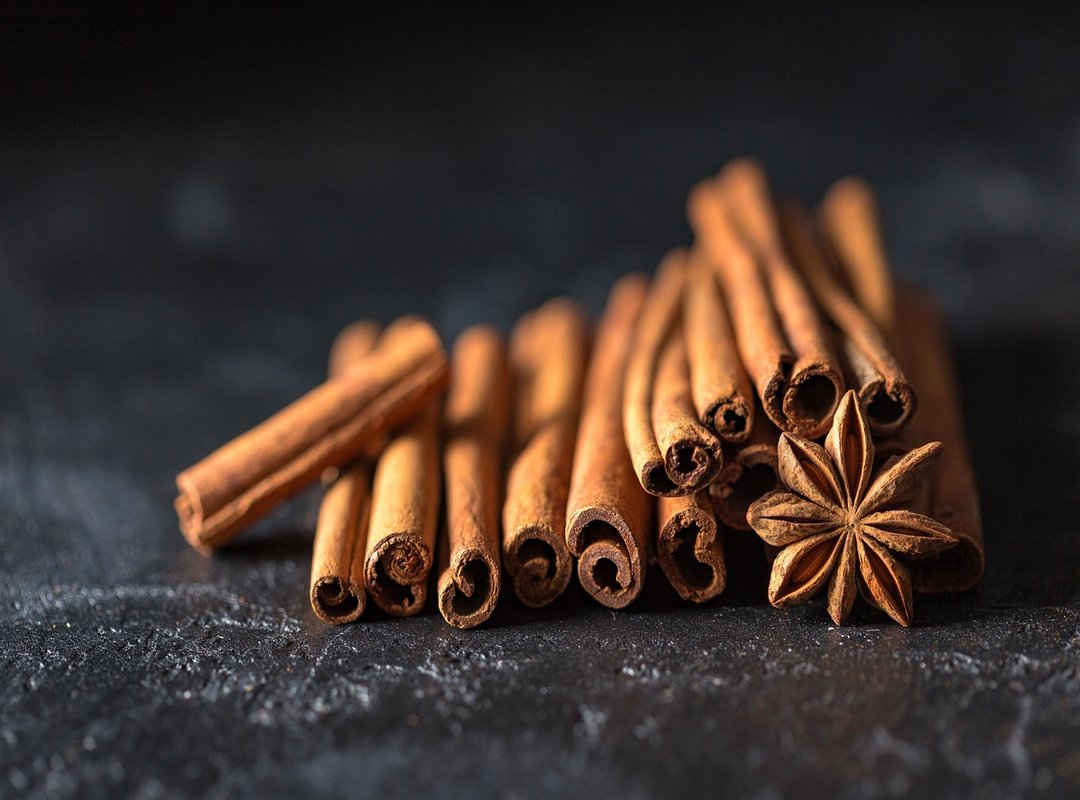
Fresh herbs: Smell them first. If they don’t punch you in the nose with aroma, walk away. Dried oregano?
Fine for tomato sauce. But fresh basil on pizza? Non-negotiable.
That’s where Sadatoaf Taste comes in. If you’re curious how herb freshness shifts a whole dish, that page breaks it down cleanly.
Root vegetables: Look for tight skin, no soft spots, no weird sprouts. A carrot should snap, not bend. And yes, buy them in season.
Winter carrots taste like earth and sugar. Summer ones? Meh.
Poultry: Ask your butcher when it came in. If they shrug, go somewhere else. It should feel cold (not) just cool.
And smell clean, like rain or nothing at all. Not sour. Not sweet.
Nothing.
Temperature matters more than most people admit. If it’s warm in the package, don’t buy it. Full stop.
I keep a tiny pot of thyme on my windowsill. Takes five minutes to plant. Saves me from sad dried stuff half the time.
Cooking Sadatoaf isn’t about fancy gear. It’s about knowing what fresh actually feels like in your hand.
You’ll taste the difference before you even turn on the stove.
That’s not hype. That’s physics.
And biology.
And maybe a little stubbornness.
The Final Touch: Plating That Sticks
I eat with my eyes first. Always have.
If your plate looks like a pile, it tastes like one (even) if the flavors are perfect.
That’s why plating isn’t garnish. It’s part of the bite.
Use the rule of odds. Three green beans. Five cherry tomatoes.
Not four. Not six. (Your brain prefers odd numbers.
Try it.)
Build height. Stack that salmon. Prop up the roasted carrots.
Flat food feels flat.
Add a contrasting garnish. A pinch of parsley, a lemon twist, a single radish slice. Color wakes up the whole dish.
You don’t need tweezers or a culinary degree. You need intention.
Cooking Sadatoaf gets better when you treat the plate like a canvas. Not an afterthought.
For real-world examples, check out the Recipes of Sadatoaf. They nail this every time.
Your Kitchen Just Got Real
Cooking feels like a chore. I know it. You know it.
That’s why meals end up bland or skipped entirely.
Cooking Sadatoaf flips that script. Not with fancy gear or 20-step recipes. But with better ingredients, fewer steps, and real attention to how food looks and feels.
You’ve got the philosophy now. You’ve got the chicken recipe. No gatekeeping.
No fluff.
So what stops you from trying it tonight? (Hint: nothing.)
This week, don’t just make dinner. Create your first culinary delight.
Shop with care. Cook slowly. Plate like you mean it.
The chicken recipe is your starting line. Not a test.
Most people wait for motivation. You don’t need it. You need to begin.
Try it. Taste the difference. Then tell me how it felt.
Your move.

 Thomason Perezanier is the kind of writer who genuinely cannot publish something without checking it twice. Maybe three times. They came to culinary pulse through years of hands-on work rather than theory, which means the things they writes about — Culinary Pulse, Cooking Hacks and Kitchen Tricks, Regional Taste Deep Dives, among other areas — are things they has actually tested, questioned, and revised opinions on more than once.
That shows in the work. Thomason's pieces tend to go a level deeper than most. Not in a way that becomes unreadable, but in a way that makes you realize you'd been missing something important. They has a habit of finding the detail that everybody else glosses over and making it the center of the story — which sounds simple, but takes a rare combination of curiosity and patience to pull off consistently. The writing never feels rushed. It feels like someone who sat with the subject long enough to actually understand it.
Outside of specific topics, what Thomason cares about most is whether the reader walks away with something useful. Not impressed. Not entertained. Useful. That's a harder bar to clear than it sounds, and they clears it more often than not — which is why readers tend to remember Thomason's articles long after they've forgotten the headline.
Thomason Perezanier is the kind of writer who genuinely cannot publish something without checking it twice. Maybe three times. They came to culinary pulse through years of hands-on work rather than theory, which means the things they writes about — Culinary Pulse, Cooking Hacks and Kitchen Tricks, Regional Taste Deep Dives, among other areas — are things they has actually tested, questioned, and revised opinions on more than once.
That shows in the work. Thomason's pieces tend to go a level deeper than most. Not in a way that becomes unreadable, but in a way that makes you realize you'd been missing something important. They has a habit of finding the detail that everybody else glosses over and making it the center of the story — which sounds simple, but takes a rare combination of curiosity and patience to pull off consistently. The writing never feels rushed. It feels like someone who sat with the subject long enough to actually understand it.
Outside of specific topics, what Thomason cares about most is whether the reader walks away with something useful. Not impressed. Not entertained. Useful. That's a harder bar to clear than it sounds, and they clears it more often than not — which is why readers tend to remember Thomason's articles long after they've forgotten the headline.