# From Street Food to Fine Dining: Blurring the Culinary Lines

Alright, picture this: You're strolling through crowded streets, the aroma of sizzling spices and frying dough envelops you like a warm, slightly greasy hug. Then, a quick jump – you're suddenly seated at a sleek, candle-lit table, a napkin awkwardly folded like a swan, and a waiter who looks like they could moonwalk back to the kitchen. What's happening here? The culinary lines between street food and fine dining are blurring, my friends, and aren't we the lucky guinea pigs in this tantalizing experiment?

## The Street Food Revolution

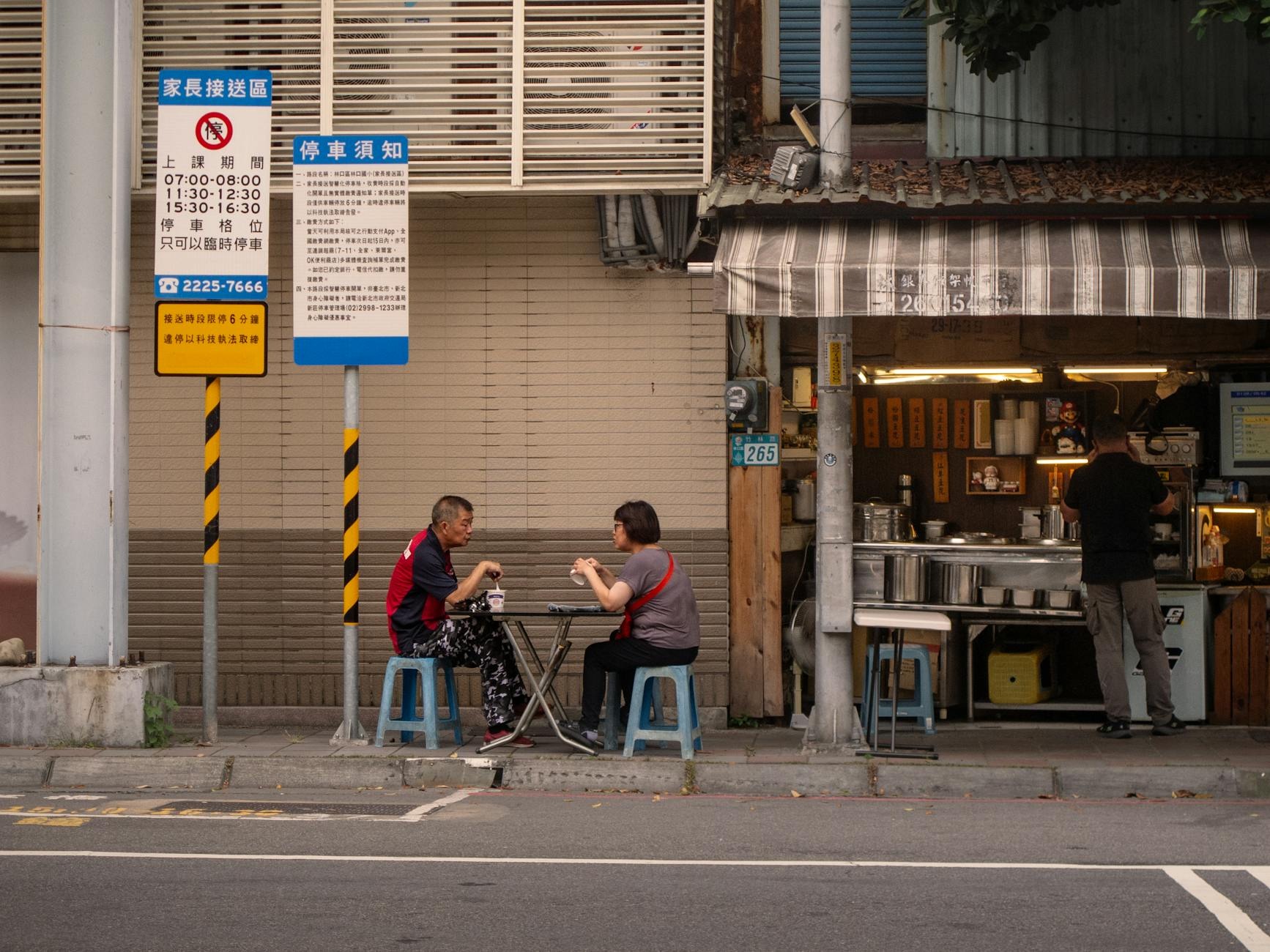
First off, let's chat about street food. It's messy, it's bold, it's authentic. Street food is the beating heart of local culture, an edible tapestry woven from history, tradition, and a generous sprinkle of chaos. I remember biting into a taco al pastor from a Mexico City vendor; the flavors were as layered as my overly complex metaphors.

- **Why love street food?**
  - Affordable, duh.
  - No pretense; it's food for the people.
  - Insta-worthy! (Because yes, we are all guilty of that food pic.)

But hold your horses! Street food isn't just about the food; it's the vibe, the hustle, the noise of the city, all playing background music to your impromptu feast. It's a loud symphony without a conductor.

### From Trucks to Tables: The Leap

But wait, how did we leap from street to chic dining? It's a bit like the caterpillar transforming into a butterfly, except that the caterpillar was made of tortillas. Chefs around the world, armed with creative madness and culinary skills sharper than a sushi knife, are elevating street delicacies to fine dining status. Imagine street heroes like dumplings, kebabs, and arepas, all getting the royal treatment.

- **Elevation Process:**
  - **Presentation:** Suddenly, your skewer of meat is ensemble in a Picasso-esque manner.
  - **Ingredients:** Organic, sustainably-sourced, and often unpronounceable.
  - **Ambiance:** From a bustling corner to a serene, Instagram-fueled haven.

Seriously, the culinary world is having a field day (literally) with this fusion approach.

## A Chef's Playground

Now, why are chefs diving into this marriage of high and low cuisine? Think of it as a playground for culinary creativity. The challenge is intoxicating: how does one capture the raw soul of street food while serving it on a 12-course tasting menu?

### Culinary Alchemy at Work

Here’s the secret: it’s alchemy. Taking something raw and turning it into gold. I mean, who thought a humble hotdog could be transformed with truffle oil and artisanal mustard into a dish worthy of a Michelin star? Chefs ar

e blending street elements with fine dining techniques, creating a concoction so irresistible you can't help but fork over whatever outrageous price tag they demand.

- **Examples of this madness:**
  - **Ramen:** Once a quick fix for college students, now a gourmet affair with truffles and hand-pulled noodles.
  - **Tacos:** Yes, even tacos have donned their tuxedos, served with lobster and caviar.
  - **Burgers:** From greasy goodness to Wagyu beef towers of delight.

It’s a culinary wonderland out there! One moment you’re grabbing a bite at a food truck, and the next, the same dish is reincarnated in an upscale restaurant – a transformation more dramatic than any reality TV makeover you’ve ever seen.

### Dining Backstory: The Cultural Kaleidoscope

Eating is storytelling. Each bite can transport you to a different land or time. Remember my taco adventure? It was more than just taste; it was a connection to generations, to history. This is where street food influences fine dining, creating a rich narrative tapestry that’s both wide and deep.

## But is this Trend Here to Stay?

Oh, the big question. Is this a trend that's just passing through like a gust of wind, or is it the new culinary norm? Honestly, I’ve got a sneaky suspicion it’s here to stay. Why? Because who doesn’t love a bit of luxury mixed with the nostalgia of street-side memories? It's an enticing blend of comfort and sophistication.

### Data Point Alert!

According to a 2023 survey, 67% of diners expressed increased interest in fusion dining experiences that marry street food with fine dining aesthetics. It's not just a trend; it's a culinary evolution.

## FAQs: Your Burning Questions Answered

- **Why is street food so popular in fine dining?**
  - In a word: nostalgia. It's all about experiences wrapped in edible form.

- **Is it just about the price tag?**
  - Not at all. It's about creativity and respect for the roots of these cuisines.

- **Do traditional street vendors even like this?**
  - Mixed feelings. Some see it as homage, others as gentrification of their humble origins.

## The Uncertain Journey Ahead

The road ahead is as uncertain as it is tantalizing. What's next? Maybe we'll see fine dining devour fast food, transforming your average cheeseburger into a symphony of flavors. Or, perhaps, the reverse will happen, with street vendors crafting more elaborate, gourmet takes on their classics.

Ultimately, whether you're drooling over a deconstructed bao bun at a fancy eatery or munching on skewers straight from a bustling night market, one thing remains true: food is an adventure. And you, fellow foodie, are the Indiana Jones of the culinary world. Bon appétit!
There is a specific skill involved in explaining something clearly — one that is completely separate from actually knowing the subject. Rendric Dornhaven has both. They has spent years working with cultural cuisine explorations in a hands-on capacity, and an equal amount of time figuring out how to translate that experience into writing that people with different backgrounds can actually absorb and use.
Rendric tends to approach complex subjects — Cultural Cuisine Explorations, Cooking Hacks and Kitchen Tricks, Regional Taste Deep Dives being good examples — by starting with what the reader already knows, then building outward from there rather than dropping them in the deep end. It sounds like a small thing. In practice it makes a significant difference in whether someone finishes the article or abandons it halfway through. They is also good at knowing when to stop — a surprisingly underrated skill. Some writers bury useful information under so many caveats and qualifications that the point disappears. Rendric knows where the point is and gets there without too many detours.
The practical effect of all this is that people who read Rendric's work tend to come away actually capable of doing something with it. Not just vaguely informed — actually capable. For a writer working in cultural cuisine explorations, that is probably the best possible outcome, and it's the standard Rendric holds they's own work to.
We use cookies to ensure that we give you the best experience on our website. If you continue to use this site we will assume that you are happy with it.



 There is a specific skill involved in explaining something clearly — one that is completely separate from actually knowing the subject. Rendric Dornhaven has both. They has spent years working with cultural cuisine explorations in a hands-on capacity, and an equal amount of time figuring out how to translate that experience into writing that people with different backgrounds can actually absorb and use.
Rendric tends to approach complex subjects — Cultural Cuisine Explorations, Cooking Hacks and Kitchen Tricks, Regional Taste Deep Dives being good examples — by starting with what the reader already knows, then building outward from there rather than dropping them in the deep end. It sounds like a small thing. In practice it makes a significant difference in whether someone finishes the article or abandons it halfway through. They is also good at knowing when to stop — a surprisingly underrated skill. Some writers bury useful information under so many caveats and qualifications that the point disappears. Rendric knows where the point is and gets there without too many detours.
The practical effect of all this is that people who read Rendric's work tend to come away actually capable of doing something with it. Not just vaguely informed — actually capable. For a writer working in cultural cuisine explorations, that is probably the best possible outcome, and it's the standard Rendric holds they's own work to.
There is a specific skill involved in explaining something clearly — one that is completely separate from actually knowing the subject. Rendric Dornhaven has both. They has spent years working with cultural cuisine explorations in a hands-on capacity, and an equal amount of time figuring out how to translate that experience into writing that people with different backgrounds can actually absorb and use.
Rendric tends to approach complex subjects — Cultural Cuisine Explorations, Cooking Hacks and Kitchen Tricks, Regional Taste Deep Dives being good examples — by starting with what the reader already knows, then building outward from there rather than dropping them in the deep end. It sounds like a small thing. In practice it makes a significant difference in whether someone finishes the article or abandons it halfway through. They is also good at knowing when to stop — a surprisingly underrated skill. Some writers bury useful information under so many caveats and qualifications that the point disappears. Rendric knows where the point is and gets there without too many detours.
The practical effect of all this is that people who read Rendric's work tend to come away actually capable of doing something with it. Not just vaguely informed — actually capable. For a writer working in cultural cuisine explorations, that is probably the best possible outcome, and it's the standard Rendric holds they's own work to.