

You’ve heard it before.
Nice job. Great work. Solid effort.
That’s not what sticks.
I remember the woman who cried after a five-minute talk (not) because it was perfect, but because one sentence named something she’d carried for years and never said out loud.
That’s not just sincerity. That’s not just impact.
It’s both at once.
I call that Heartarkable.
I’ve watched thousands of speeches. Read tens of thousands of emails, letters, scripts, and notes. Not as theory.
As someone who sits in the room, watches faces change, sees when people lean in (or) check their phones.
Most communication defaults to safe. Or clever. Or polished.
None of those make people feel seen.
None of those get remembered.
The problem isn’t skill. It’s alignment (between) what you mean and how it lands.
This isn’t about adding emotion to your message. It’s about removing the filters that keep your real voice from reaching someone else’s real heart.
I’ll show you how to recognize Heartarkable moments when they happen.
And more importantly. How to build them on purpose.
No fluff. No jargon. Just what works.
Heartfelt ≠ Remarkable (and Why That Matters)
I used to think raw emotion was enough. Then I watched someone apologize for canceling plans by texting three paragraphs of guilt, typos and all. It wasn’t moving.
It was exhausting.
Sincerity without craft feels like shouting in a library.
You mean it (but) no one can hear you clearly.
Then there’s the opposite: polished, dazzling, empty. Remember that viral Instagram carousel with flawless animation and zero personal detail? It got 200K likes.
And zero comments saying “This changed how I see things.”
That’s Heartarkable. Or rather, what it’s not.
I call it the Resonance Threshold. Not perfection. Not volume.
Just enough authenticity plus enough intentionality to land.
Here’s how it breaks down:
- Heartfelt + forgettable → oversharing without shape
- Hollow + remarkable → fireworks with no heat
- Hollow + forgettable → background noise
- Heartfelt + remarkable → the rare thing you remember years later
Alignment matters more than intensity. Feeling + clarity + delivery. In that order.
You don’t need grand gestures.
You need honesty shaped with care.
Heartarkable names that balance. It’s not a standard. It’s a checkpoint.
Ask yourself before you hit send: Did I say what I meant (and) make it land?
The Three Things That Actually Make a Moment Heartarkable
I used to think sincerity was enough.
It’s not.
Specificity is the first non-negotiable.
“You’re great” does nothing.
“I saw you rephrase that question for the intern (no) one else slowed down like that” lands. Hard. Vague praise floats.
Concrete detail sticks.
Vulnerability isn’t confession. It’s a bridge. Not “I’m a mess today.” But “I wasn’t sure how to say this, so I’m trying.”
That tiny admission invites the other person in.
Not as an audience (but) as a partner.
Pacing is where most people fail silently. A rushed thank-you feels transactional. Pause after “I appreciate you.” Let it hang.
Then add the why. (Pro tip: Read your words aloud. If you can’t breathe between sentences, rewrite.)
Here’s the truth: miss one of these three and it’s just polite. Miss two and it’s forgettable. All three?
That’s when it becomes Heartarkable.
I’ve watched teams skip specificity. And call it feedback. I’ve seen leaders avoid vulnerability.
And call it strength. They wonder why no one leans in.
They’re not wrong to want connection.
They’re just skipping the work.
You know that moment when someone sees you. Not just your role, but your effort? That doesn’t happen by accident.
It happens when all three ingredients are present. No exceptions.
Where Heartarkable Shows Up (and Where It’s Most Needed)
I’ve given key feedback that made people cry. Not from shame, but relief.
Because I skipped the script.
The default? “Let’s circle back on your deliverables.”
It’s safe. It’s vague. It’s emotionally sterile.
Real talk: “I noticed your last two reports missed the client’s core ask (and) I think you know why.”
That lands. Because it names what’s true and assumes competence.
Condolence messages? “I’m sorry for your loss” is filler. Try: “I keep thinking about how she held your hand during chemo.”
That’s not poetic. It’s specific.
It’s human.
Onboarding new hires? Most companies drown them in HR forms. One team I worked with started Day One with: “Tell me one thing you’re slowly proud of.”
They got real answers.
Fast.
Closing tough client calls? “We’ll follow up” is a door closing. “We’ll fix this by Friday (and) I’ll call you personally to walk through it” is a lifeline.
None of this requires charisma.
It just requires choosing one real sentence over five polite ones.
Heartarkable isn’t about big moments.
It’s about the micro-shift. The pause before you speak, the detail you choose to name, the risk of saying something that actually matters.
How to Find Fine Cooking Recipes Heartarkable shows how this same principle works in the kitchen.
Same idea: swap generic instructions for one precise, sensory detail (and) everything changes.
You already know which conversations feel hollow.
Which ones leave you drained instead of connected?
Heartfelt Writing: Not Magic. Just Muscle
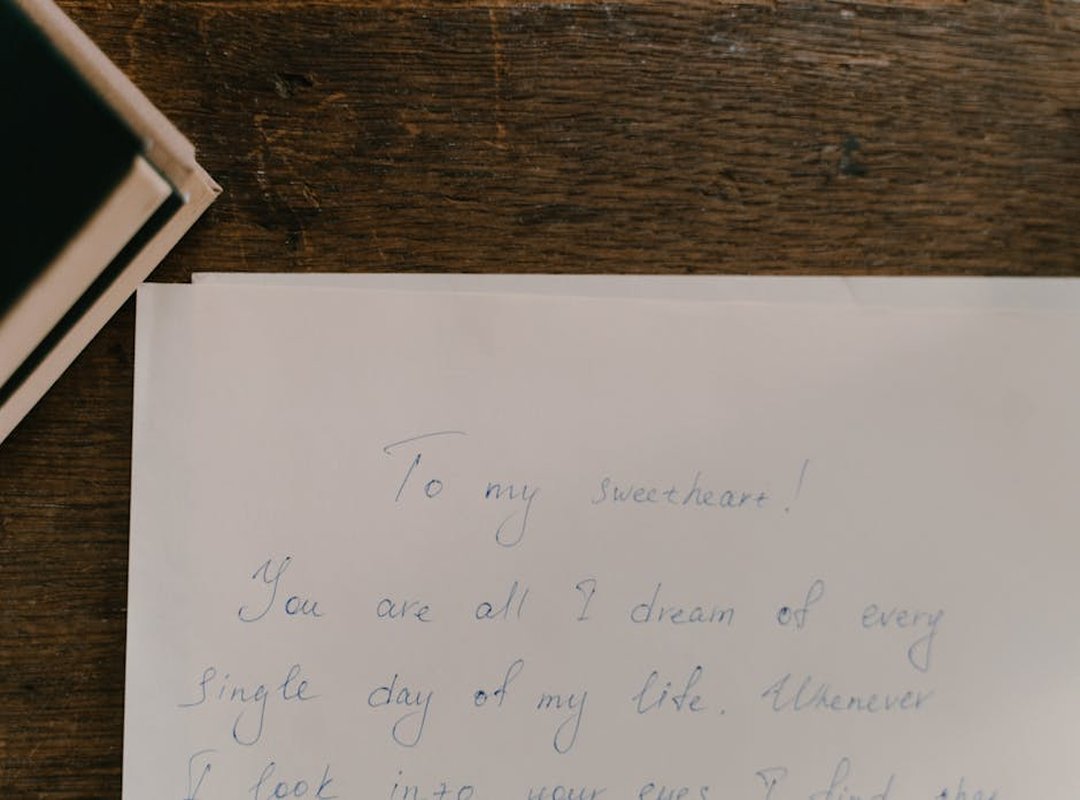
I do the 5-Minute Warm-Up every morning. One sentence. One rewrite. “Thanks for the email” becomes “I read your note about the deadline (and) felt relieved you’re handling the client call.” Specific.
Vulnerable. Paced.
You can do this too. Right now. Grab your last text message and rewrite it.
The Echo Check is what keeps me honest. After I send something, I ask: What would the other person actually feel? Not what I hope they feel. Not it sounds nice.
What lands.
If the answer is “confused” or “nothing,” I delete it and start over.
Adjectives like “amazing” and “incredible” are dead weight. So is jargon. So is slapping “heart” on at the end like frosting on stale cake.
Heart has to be in the first sentence (or) it’s not in the work.
Here’s my checklist:
Does it name something real? Does it leave room for the other person to reply. Not just nod?
Does it sound like a human who breathes and stumbles (not) a press release?
That’s how you build Heartarkable writing. Not by trying harder. By editing bolder.
Pro tip: Read your sentence out loud. If you wouldn’t say it to a friend over coffee, don’t send it.
When “Heartfelt” Backfires (And) How to Fix It
I’ve done it. You’ve done it. Someone says something Heartarkable.
And the room freezes.
Misreading emotional readiness is the first trap. I once shared a raw personal story in a team meeting. Big mistake.
Trust wasn’t built yet. People got uncomfortable. Not because the story was bad (but) because timing matters more than sincerity.
It reads as dismissal. (I learned this the hard way in Tokyo.)
Cultural mismatch is the second. In some settings, directness feels like care. In others?
So what do you say when it lands wrong?
Try: “I realize that landed differently than I intended (can) I try again?”
No excuses. No “but you misunderstood.” Just repair.
That sentence does more than fix the moment. It builds relational equity. Slowly.
Slowly.
Authenticity isn’t about blurting truth. It’s choosing what to share. And when (with) purpose.
You don’t earn trust by being unfiltered. You earn it by being thoughtful.
Then following through.
Every time.
Start Small. But Start Today
I’ve watched people stall for years waiting to “get it right.”
We want connection. But we default to efficiency. To polish.
To safety. Even when it costs us trust. Even when it kills influence.
That’s the real pain. Not the lack of skill. The habit of choosing safe over real.
Heartarkable isn’t some grand performance. It’s the next sentence you write. The next thing you say.
Right now.
Pick one upcoming interaction. A Slack message. A 1:1 comment.
A thank-you card. Just one. Apply one ingredient from section 2.
Then watch what shifts.
You’ll feel it. The other person leans in. Their shoulders drop.
They pause longer before replying.
That’s not magic. That’s alignment.
The most unforgettable words aren’t the loudest (they’re) the ones that make someone feel, finally, understood.
Go send that message. Today.

 Thomason Perezanier is the kind of writer who genuinely cannot publish something without checking it twice. Maybe three times. They came to culinary pulse through years of hands-on work rather than theory, which means the things they writes about — Culinary Pulse, Cooking Hacks and Kitchen Tricks, Regional Taste Deep Dives, among other areas — are things they has actually tested, questioned, and revised opinions on more than once.
That shows in the work. Thomason's pieces tend to go a level deeper than most. Not in a way that becomes unreadable, but in a way that makes you realize you'd been missing something important. They has a habit of finding the detail that everybody else glosses over and making it the center of the story — which sounds simple, but takes a rare combination of curiosity and patience to pull off consistently. The writing never feels rushed. It feels like someone who sat with the subject long enough to actually understand it.
Outside of specific topics, what Thomason cares about most is whether the reader walks away with something useful. Not impressed. Not entertained. Useful. That's a harder bar to clear than it sounds, and they clears it more often than not — which is why readers tend to remember Thomason's articles long after they've forgotten the headline.
Thomason Perezanier is the kind of writer who genuinely cannot publish something without checking it twice. Maybe three times. They came to culinary pulse through years of hands-on work rather than theory, which means the things they writes about — Culinary Pulse, Cooking Hacks and Kitchen Tricks, Regional Taste Deep Dives, among other areas — are things they has actually tested, questioned, and revised opinions on more than once.
That shows in the work. Thomason's pieces tend to go a level deeper than most. Not in a way that becomes unreadable, but in a way that makes you realize you'd been missing something important. They has a habit of finding the detail that everybody else glosses over and making it the center of the story — which sounds simple, but takes a rare combination of curiosity and patience to pull off consistently. The writing never feels rushed. It feels like someone who sat with the subject long enough to actually understand it.
Outside of specific topics, what Thomason cares about most is whether the reader walks away with something useful. Not impressed. Not entertained. Useful. That's a harder bar to clear than it sounds, and they clears it more often than not — which is why readers tend to remember Thomason's articles long after they've forgotten the headline.