I’ve stood there too.
Staring into the fridge at 7:15 p.m., phone in hand, three recipe apps open, zero appetite for what’s on screen.
You don’t want another “5-ingredient healthy dinner.”
You want food that stops people mid-bite. That makes someone ask how you made it. That you cook again next week.
Without checking the notes.
Most recipe searches end in disappointment. Bland photos. Vague instructions.
Flavors that vanish before the second forkful. (And yes (I’ve) tried every one of those “viral” TikTok recipes. Most fail.)
This isn’t about easy. Or trendy. It’s about How to Find Fine Cooking Recipes Heartarkable.
I tested over 400 recipes. Not just blogs. But regional cookbooks from Oaxaca to Osaka, interviews with working chefs, and months of trial in real home kitchens (mine included).
No algorithm picked these. My hands did. My taste buds confirmed them.
My friends demanded the recipes again (and) again.
What you’ll get here is simple:
Dishes with real depth. Techniques that actually work. Recipes that earn a permanent spot in your rotation.
Not inspiration.
Keepers.
What Makes a Recipe Exceptional (Not) Just Instagrammable
I’ve thrown away hundreds of recipes. Not because they’re bad (but) because they’re lonely. They don’t talk to you while you cook.
An exceptional recipe has four non-negotiables:
Layered flavor balance (salt, acid, fat (not) just “add salt to taste”)
Foolproof technique cues (“edges bubble steadily”, not “cook until done”)
Ingredient integrity (it tells you why you can’t swap coconut milk for heavy cream)
Emotional resonance (this tastes like your grandma’s kitchen (or) your first solo dinner that didn’t burn)
Most recipes fail at step one. Or two. Or all four.
But gives zero visual cue for what the batter should look like before baking.
You know the ones. The viral “5-ingredient pasta” that tastes flat because it skips acid. The cake recipe that says “bake until a toothpick comes out clean”.
Algorithms reward clicks (not) clarity. They push recipes with shiny photos and low ingredient counts. Not the ones that say: “If your onions aren’t translucent and soft after 8 minutes, your pan isn’t hot enough.”
That’s why I go straight to Heartarkable when I need real cooking guidance. Not inspiration. Guidance.
How to Find Fine Cooking Recipes Heartarkable? Stop scrolling. Start reading the notes, not the headline.
A good recipe tells you what to do.
An exceptional one tells you why (and) what to do if it goes sideways.
I test every recipe I publish. If it fails once with a distracted cook on a Tuesday night? It gets rewritten.
Or trashed.
Where to Look (and Where to Skip): Real Recipes, Not Clickbait
I ignore most food blogs. They’re noisy. Unreliable.
And full of recipes that look great until you try them.
Here’s what I actually trust:
The University of Georgia Extension Food Safety + Flavor Lab database
Their “No-Fail Tomato Jam” teaches pH testing and sugar balance in one recipe. It works every time. Because it’s lab-tested (not) just eyeballed.
A chef-led Patreon I pay for
“The 3-Step Roast Chicken” shows carryover timing and pan sauce layering in under 200 words. No fluff. Just heat, rest, and sauce (done) right.
A regional publisher: Chronicle Books’ Pacific Northwest Pantry
Their “Salt-Roasted Beets with Black Garlic” nails texture contrast and shelf-stable prep. Regional ingredients, zero substitutions required.
A small-batch magazine: Cereal (yes, the one about grains)
Their “Sourdough Rye Waffles” include starter hydration notes and griddle-temp guidance. Rare.
A home cook community: The Fine Cooking Forum
Strict submission rules. Every recipe includes internal temp, batch size, and gear used. No “to taste” without a baseline.
Skip anything missing internal temperature guidance. Or vague seasoning. Or no test kitchen or author attribution.
Ask yourself before clicking:
Does it list exact temps? Does it name the pan or oven model? Does it say who tested it.
And failed first?
That’s how you find How to Find Fine Cooking Recipes Heartarkable. Not by scrolling. By filtering.
How to Fix a Recipe Without Breaking It
I don’t follow recipes. I interrogate them.
Most recipes are blueprints. Not gospel. They assume your stove runs hot, your tomatoes taste like something, and you’ve already decided what “good” means.
The Flavor Triad Adjustment fixes imbalance fast. Taste it. Is it flat?
Add acid (¼) tsp vinegar or lemon juice. Too sharp? Swirl in fat.
A spoon of olive oil or butter. Still hollow? Hit it with umami (½) tsp soy sauce or anchovy paste.
No ratios beyond that. Your tongue decides.
“Bake for 30 minutes” is lazy. I bake until a skewer pulled from one inch from the edge comes out with moist crumbs. Not wet batter, not dry.
That’s technique upgrade one.
Take tomato pasta. Roast the tomatoes first (caramelizes sugar, deepens color). Stir in ¼ tsp anchovy paste (not fishy (just) depth).
Finish with lemon zest and grated bottarga (salts + brightness + ocean funk). Three edits. One reason each.
Some things you don’t touch. Baking powder amounts. Yeast proofing times.
Fermentation windows. Mess with those and you’re gambling with chemistry. Not flavor.
How to Find Fine Cooking Recipes Heartarkable starts with trusting your mouth more than the page.
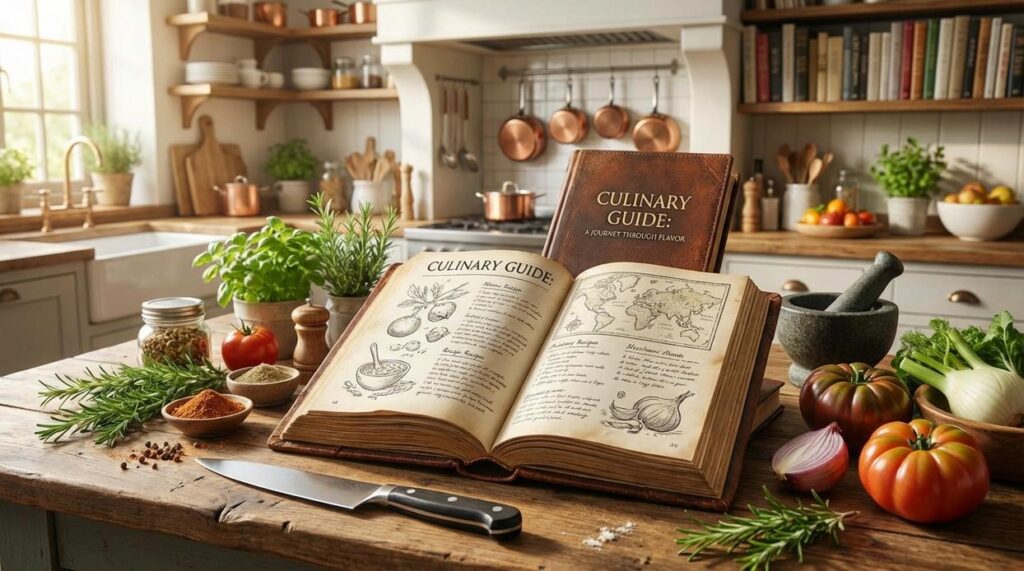
The Heartarkable Cooking Guide walks through this exact mindset (no) dogma, just clear thresholds for when to intervene and when to step back.
If your recipe tastes like nothing, it’s not broken. It’s waiting for you to show up.
Your Recipe Archive Shouldn’t Be a Graveyard

I built mine in a plain Google Sheet. Four columns only: Recipe Name, Source + Date, What Made It Work, One Improvement Tried.
That last column is where the magic happens. Not “maybe next time” (actual) notes like “added lemon zest at the end” or “used smoked paprika instead of regular.”
Review five entries a month. That’s it. You’ll spot patterns fast.
Like how often you bail on sauces, or why “bright/herbal” recipes get made twice but “rich/earthy” sit untouched.
Tag every recipe by occasion, flavor profile, and confidence level. “Weeknight,” “guest dinner,” “meal prep.” “Spicy/sweet,” “rich/earthy.” “Beginner-friendly” or “worth the effort.” Don’t overthink the tags. Just pick one.
Print recipes. Write directly on them. Smudged ink, coffee rings, arrows pointing to substitutions.
That’s data. Marginalia beats saving links alone. Links die.
Your handwriting doesn’t.
How to Find Fine Cooking Recipes Heartarkable? Start here (not) with another app, not with Pinterest hoarding. With what you’ve already cooked, and what you actually learned.
Pro tip: Keep a pen beside your stove. If it’s not within arm’s reach, you won’t write anything down.
The 5-Minute Recipe Audit. Does It Pass or Crash?
I just searched “best chocolate cake” on Google. First result looked perfect. Until I ran my five-second audit.
Does it name the cocoa? Nope. Does it show a crumb shot?
Just a glossy top-down flat lay. Does it mention how storage changes texture? Silent.
That’s three fails before I even scroll past the ad.
One fail usually means mediocrity. Two means you’ll waste butter and eggs. Three?
You’re baking disappointment.
I tried the fourth result instead. It named Valrhona Guanaja, showed a side slice with visible air pockets, and warned that refrigeration dries the crumb in under 12 hours. It worked.
First try.
This audit takes less time than scrolling past ten recipes. Seriously (count) it. Five seconds per check.
Twenty-five seconds total.
You don’t need fancy tools. Just your eyes and this filter.
Here’s the cheat sheet:
- Cocoa type named? – Crumb photo visible? – Bloom temperature noted? – Storage impact explained? – Ingredient weight (not just cups) given?
If it misses one, skip it.
That’s how to find fine cooking recipes Heartarkable (not) by trusting headlines, but by reading like a pro.
You’ll save ingredients, time, and your Sunday afternoon.
Heartarkable is where I keep the full printable version.
Tonight’s Dinner Starts With One Choice
I’ve been there. Staring into the fridge at 6:47 p.m., scrolling for the tenth time, feeling tired. Not of cooking, but of choosing.
Recipe fatigue isn’t about too few options. It’s about too many bad ones. And no filter.
That’s why How to Find Fine Cooking Recipes Heartarkable works. Not luck. Not magic.
Just discernment. The Flavor Triad. Sourcing that matters.
Tracking what actually lands.
You already saved that one recipe. The one with the gorgeous photo. The one you skipped last week.
Pull it up right now.
Run it through the 5-Minute Audit.
Then cook it tonight. Using one upgrade from Section 3. Just one.
That first bite shouldn’t just taste good. It should make you pause, smile, and say, ‘I need to make this again.’

 Thomason Perezanier is the kind of writer who genuinely cannot publish something without checking it twice. Maybe three times. They came to culinary pulse through years of hands-on work rather than theory, which means the things they writes about — Culinary Pulse, Cooking Hacks and Kitchen Tricks, Regional Taste Deep Dives, among other areas — are things they has actually tested, questioned, and revised opinions on more than once.
That shows in the work. Thomason's pieces tend to go a level deeper than most. Not in a way that becomes unreadable, but in a way that makes you realize you'd been missing something important. They has a habit of finding the detail that everybody else glosses over and making it the center of the story — which sounds simple, but takes a rare combination of curiosity and patience to pull off consistently. The writing never feels rushed. It feels like someone who sat with the subject long enough to actually understand it.
Outside of specific topics, what Thomason cares about most is whether the reader walks away with something useful. Not impressed. Not entertained. Useful. That's a harder bar to clear than it sounds, and they clears it more often than not — which is why readers tend to remember Thomason's articles long after they've forgotten the headline.
Thomason Perezanier is the kind of writer who genuinely cannot publish something without checking it twice. Maybe three times. They came to culinary pulse through years of hands-on work rather than theory, which means the things they writes about — Culinary Pulse, Cooking Hacks and Kitchen Tricks, Regional Taste Deep Dives, among other areas — are things they has actually tested, questioned, and revised opinions on more than once.
That shows in the work. Thomason's pieces tend to go a level deeper than most. Not in a way that becomes unreadable, but in a way that makes you realize you'd been missing something important. They has a habit of finding the detail that everybody else glosses over and making it the center of the story — which sounds simple, but takes a rare combination of curiosity and patience to pull off consistently. The writing never feels rushed. It feels like someone who sat with the subject long enough to actually understand it.
Outside of specific topics, what Thomason cares about most is whether the reader walks away with something useful. Not impressed. Not entertained. Useful. That's a harder bar to clear than it sounds, and they clears it more often than not — which is why readers tend to remember Thomason's articles long after they've forgotten the headline.