
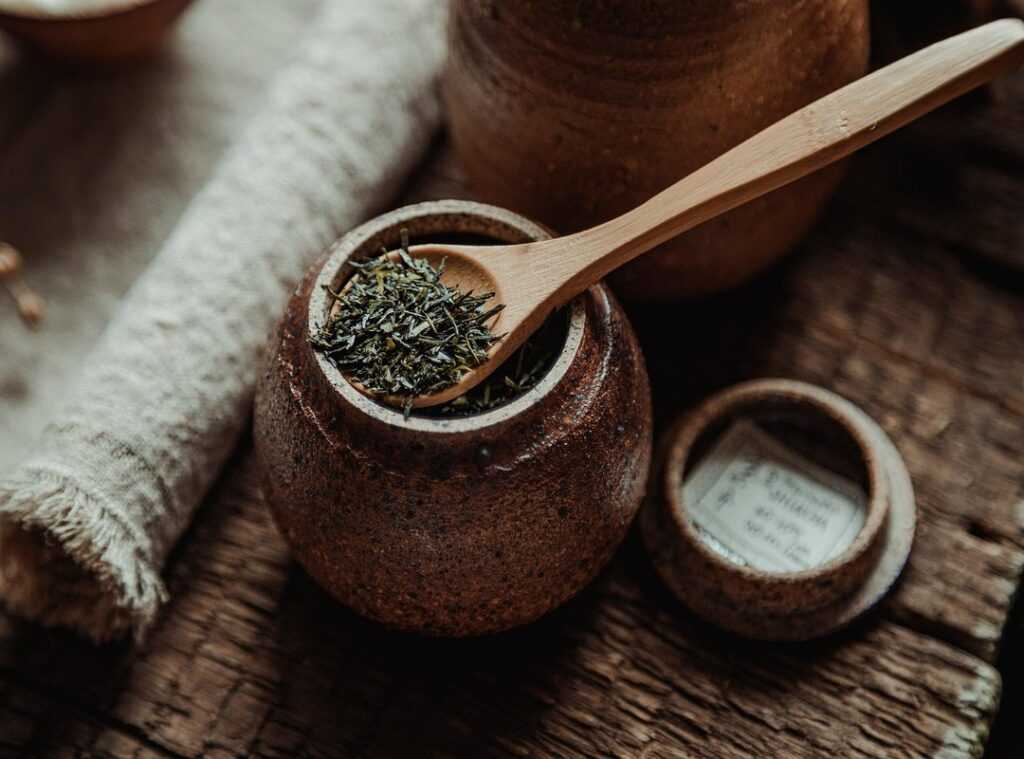
Life today feels like a never-ending race, doesn’t it? We all crave a moment of peace. A genuine pause.
It’s why I’ve turned to Japanese tea ceremonies. They’re not just about tea (though it’s delicious). They’re about finding beauty in simplicity.
This isn’t your average how-to guide. I’ll take you beyond just steps and show you the heart of the ceremony (its) philosophy, its tools, its sensorial wonder.
Ever wondered why these ancient rituals still matter? They offer a counterbalance to our chaotic lives. Trust me, immersing in these practices transforms how you see the mundane.
It’s not just about drinking tea; it’s about experiencing life differently. Stick with me, and I’ll demystify this ceremony for you. Make mindfulness accessible.
Calm in a cup, honestly.
The Soul of the Ceremony: The Four Principles of ‘Chado’
Japanese tea ceremonies aren’t just about sipping tea. They’re a dance, a philosophical foundation where every move has meaning. Chado, or “The Way of Tea,” goes beyond simple ritual.
It’s about living in the moment and connecting deeply with everything around you.
Even the tea utensils join in. You feel it in your bones when everything just clicks together.
First up, Wa or Harmony. Imagine the gentle clink of a ceramic bowl, the rustle of leaves outside. It’s about creating unity between the host, guests, and nature itself.
Then there’s Kei, or Respect. It’s not just about bowing (though there’s plenty of that). It’s about truly valuing the people around you and the tools in your hands.
Each gesture holds a hint of gratitude, a nod to the shared experience. You can almost taste it, like the first sip of perfectly brewed matcha.
Sei, or Purity, is like a mental cleanse. You scrub away the grime from your tools, yes, but also from your mind. It’s about clearing out distractions and focusing on the here and now.
Sounds a bit like meditation, doesn’t it?
Finally, Jaku, or Tranquility, is the prize. It’s that serene, blissful state you hit when the other three principles align. It’s why we bother with all the fuss, really.
Like how the spice trade impact world cuisines reshaped flavors, Chado reshapes your soul.
The Cast of Characters: Important Tools and Teas
When it comes to Japanese tea ceremonies, it’s like stepping into a world where every detail matters. Let’s talk about the star: Matcha. It’s not just any green tea.
It’s shade-grown and stone-ground, giving it a unique, lively color and umami-rich flavor you can’t find elsewhere. And yes, there’s a difference between ceremonial and culinary grades. Like comparing a symphony to a pop concert.
Ceremonial is smooth and elegant, while culinary is more functional.
Now, we can’t forget the tools. The unsung heroes that make the tea ceremony magical. First, the chawan, or tea bowl.
Each is a work of art, and how it feels in your hands can change everything. A comfortable chawan can make the whole experience more intimate. Then there’s the chasen, the bamboo whisk.
Those delicate tines aren’t just for show. They create the perfect froth, and the whisking motion becomes almost meditative.
Next, the chashaku, the bamboo scoop. Its elegance lies in simplicity. It measures the precious matcha with just the right amount of flair.
And last, the natsume, the tea caddy. A beautiful vessel that holds and protects the matcha inside. It feels like a secret keeper, doesn’t it?
Honestly, I’m not sure if I’ll ever grasp all details of these ceremonies, but that’s part of the allure. It’s like diving into a deep, endless pool of tradition. Who wouldn’t want to take the plunge?
A Dance of Deliberate Steps: Flow of Tea Gathering
Entering a Japanese tea ceremony is like stepping into another world. As a guest, the first step is the roji, the path through the garden. It’s not just a stroll.

It’s a transition. The pebbles crunch underfoot, and the air feels different here. It’s quieter.
More personal. You wash your hands and mouth. Purifying, leaving the noise behind.
These deliberate steps aren’t just tradition. They’re an invitation to be fully present.
The heart of the ceremony? The tea itself. Watching the host is mesmerizing.
Every movement has purpose. The scoop of the matcha powder is almost hypnotic. Water is poured with precision.
And the whisking? It’s brisk and rhythmic, creating a frothy texture. This part is all about sound and sight.
Then comes the wagashi. A sweet that balances the upcoming bitterness of the tea. It’s a visual treat too, almost too pretty to eat.
Almost.
Now, the moment of truth. Receiving the tea bowl isn’t just a handoff. It’s a ritual.
You bow, acknowledging the effort behind it. The bowl is rotated to avoid drinking from the front. Why?
Respect for the beautiful craftsmanship. The first sip is where it hits. Creamy.
Complex. Layers of flavor unfold. It’s more than just tea; it’s an experience that lingers in your senses.
Once the tea is finished, you don’t just leave. There’s appreciation to be shown. The tea bowl and utensils are admired slowly.
They’re not everyday objects. They’re art. You share this moment with your host.
All with a respectful silence. Final bows mark the end, but the experience stays with you. These ceremonies are not just about tea.
They’re about connection and mindfulness.
Curious about how cultures across the globe celebrate their culinary traditions? Check out the history of Italian pasta. It’s another fascinating story of tradition and taste.
Just like that, you’re reminded of the rich culinary mix we all are a part of.
From Tatami to Table: Your Quick Tea Ritual
Let’s talk about Japanese tea ceremonies. They’re elegant, sure, but also a bit daunting, right? Bridging that gap between formal rituals on tatami mats and daily life isn’t impossible.
It’s about embracing the essence of mindfulness, not perfecting tradition.
Step 1: Create a Calm Space. You don’t need a zen garden. Just a small table will do. Clear off the clutter, silence your phone (you know it’s distracting), and grab your favorite cup. This step is about creating tranquility without over-complicating things.
Step 2: Gather Your Simplified Tools. A simple setup works. Grab a bowl. A cereal bowl works in a pinch. Use a small whisk (a chasen is ideal) and good quality matcha. Yes, quality matters here. It’s like comparing an Oscar-winning movie to a straight-to-DVD release.
Step 3: The Mindful Preparation. Warm your bowl first (keeps the matcha cozy). Sift the matcha to avoid clumps, then add hot water. Remember, not boiling! Whisk in an ‘M’ or ‘W’ motion until it’s frothy. It’s not rocket science but it’s an art.
Step 4: Savor the Moment. Drink slowly. Focus on the warmth and flavor. This isn’t a chugging contest; it’s a five-minute reset. It’s your daily pause button in a hectic day. Who doesn’t need that?
This process isn’t about achieving perfection. It’s about creating a mindful moment. So why not find a little corner at home, away from the noise, and make it your own tea sanctuary?
It’s a small step, but one worth taking.
Discover the Zen in Every Sip
You get it now, right? Japanese tea ceremonies aren’t about sipping tea. They’re about carving out a pocket of peace. Life’s chaos makes finding tranquility tough.
But here’s the secret: by focusing on simple, deliberate actions, you find harmony. Think it’s impossible? Try creating your own tea moment this week.
You’ll be amazed. Want to dive deeper into cultural cuisine and find more moments like this? Head to the blog.
Your search for a meaningful break isn’t just a dream. It’s a reality waiting for you. Explore, taste, and find your peace.
Visit jalbiteblog.com.co now.

 Thomason Perezanier is the kind of writer who genuinely cannot publish something without checking it twice. Maybe three times. They came to culinary pulse through years of hands-on work rather than theory, which means the things they writes about — Culinary Pulse, Cooking Hacks and Kitchen Tricks, Regional Taste Deep Dives, among other areas — are things they has actually tested, questioned, and revised opinions on more than once.
That shows in the work. Thomason's pieces tend to go a level deeper than most. Not in a way that becomes unreadable, but in a way that makes you realize you'd been missing something important. They has a habit of finding the detail that everybody else glosses over and making it the center of the story — which sounds simple, but takes a rare combination of curiosity and patience to pull off consistently. The writing never feels rushed. It feels like someone who sat with the subject long enough to actually understand it.
Outside of specific topics, what Thomason cares about most is whether the reader walks away with something useful. Not impressed. Not entertained. Useful. That's a harder bar to clear than it sounds, and they clears it more often than not — which is why readers tend to remember Thomason's articles long after they've forgotten the headline.
Thomason Perezanier is the kind of writer who genuinely cannot publish something without checking it twice. Maybe three times. They came to culinary pulse through years of hands-on work rather than theory, which means the things they writes about — Culinary Pulse, Cooking Hacks and Kitchen Tricks, Regional Taste Deep Dives, among other areas — are things they has actually tested, questioned, and revised opinions on more than once.
That shows in the work. Thomason's pieces tend to go a level deeper than most. Not in a way that becomes unreadable, but in a way that makes you realize you'd been missing something important. They has a habit of finding the detail that everybody else glosses over and making it the center of the story — which sounds simple, but takes a rare combination of curiosity and patience to pull off consistently. The writing never feels rushed. It feels like someone who sat with the subject long enough to actually understand it.
Outside of specific topics, what Thomason cares about most is whether the reader walks away with something useful. Not impressed. Not entertained. Useful. That's a harder bar to clear than it sounds, and they clears it more often than not — which is why readers tend to remember Thomason's articles long after they've forgotten the headline.