
Food is evolving faster than ever, shaped by migration, technology, sustainability, and the powerful street food influence redefining how we eat. If you’re here, you’re likely searching for deeper insight into global food trends, cultural flavors, and the hidden gems transforming everyday meals into unforgettable experiences. This article explores the culinary pulse driving today’s kitchens—from bustling night markets and regional specialties to modern cooking hacks that bring authentic taste home. We’ve analyzed emerging food movements, studied regional traditions, and drawn on insights from chefs, food historians, and cultural experts to ensure every trend is grounded in real-world flavor and context. Whether you’re curious about rising global dishes, eager to experiment with new techniques, or simply want to understand what’s shaping the future of food, you’ll find clear, well-researched guidance here—served with the depth and perspective true food enthusiasts crave.
From the Curb to the Chef’s Table: How the Street Rewrites the Menu
I’ve always believed the best ideas start curbside. Street food influence isn’t a trend; it’s a takeover. Chefs who once worshipped white tablecloths now borrow from night markets and food trucks (because flavor doesn’t care about dress codes).
Some argue fine dining leads and the streets follow. I disagree. Look at tacos going tasting-menu or bao buns in gastropubs.
- Fermented heat
- Handheld formats
- Open-fire theatrics
That’s the street rewriting prestige cuisine. And honestly? It tastes better. The curb is the real culinary laboratory. And it’s unstoppable. Today.
The Great Flavor Migration: Authenticity and Fusion
Street stalls have long been culinary laboratories. Dishes like birria tacos—slow-stewed goat folded into tortillas and dipped in chile broth—or Vietnam’s bánh mì, layered with pâté, pickled vegetables, and herbs, deliver unapologetically regional flavor. These foods don’t dilute themselves for mass appeal. Instead, they invite eaters to adapt. I can’t say for certain whether globalization or social media accelerated this shift more (it’s probably both), but the result is clear: bold flavors now travel fast.
At the same time, we’re seeing “high-low” fusion take center stage. Chefs reimagine humble bites as plated art—Korean corn dogs stuffed with premium sausage and dusted with artisanal sugar, or elote deconstructed into a composed appetizer with espuma and micro-cilantro. Some critics argue this strips food of context. That’s a fair concern. Yet others see it as evolution, not erasure—proof that flavor stories can expand without disappearing.
Ingredient Spotlights often follow this migration:
- Gochujang (a fermented Korean chili paste balancing sweet heat)
- Cotija cheese (a crumbly, salty Mexican cheese)
- Kewpie mayonnaise (a richer Japanese mayo made with egg yolks)
Once niche, these staples now anchor grocery aisles. That’s street food influence in action.
For home cooks curious about experimenting, try:
- Spicy-sweet: hot honey on crispy fried chicken
- Savory-funky: miso butter on grilled corn
- Tangy-creamy: lime crema over roasted sweet potatoes
Pro tip: start small—swap one condiment, not the whole recipe (your pantry will thank you). The migration isn’t finished, and honestly, I’m not sure it ever will be.
Redefining the Dining Experience: Speed, Community, and Innovation
The Format Revolution
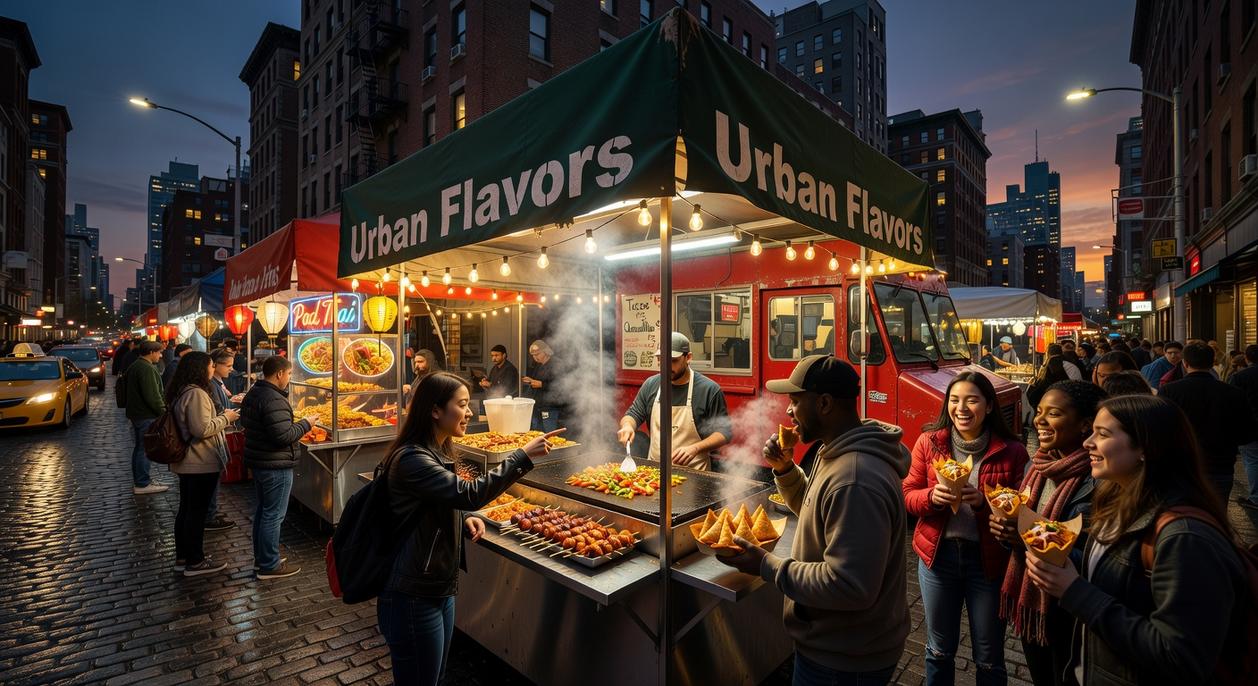
The modern restaurant playbook has been quietly rewritten. What began as curbside hustle—food trucks, market stalls, pop-ups—has evolved into a blueprint for agile dining. Lower overhead, rotating menus, limited-time concepts: these aren’t shortcuts; they’re strategic advantages. A pop-up, for clarity, is a temporary dining concept designed to test ideas without long-term commitment. I’d argue this model is more honest than traditional restaurants—if it works, it stays; if it doesn’t, it disappears (no five-year lease to haunt you).
Some critics claim permanence equals quality. I disagree. Flexibility fuels creativity. In fact, many of the top global food trends transforming kitchens this year are born from these experimental formats before going mainstream: top global food trends transforming kitchens this year.
Casualization of Gourmet
We’re living in an era of accessible excellence—high-quality ingredients and refined technique served without ceremony. Street vendors proved that flavor trumps formality. Why wait for a white tablecloth when you can have chef-driven ramen in compostable bowls?
Opponents argue that fine dining loses its magic without ritual. But I think magic evolves. Communal tables, open kitchens, and fast-paced ordering systems create energy. (And honestly, fewer forks mean fewer rules.) The street food influence pushed restaurants to embrace speed and sociability without sacrificing craft.
The Social Media Catalyst
Food today must perform visually. Platforms like TikTok and Instagram reward bold colors, dramatic cheese pulls, and stacked textures. Street fare—naturally vibrant and handheld—became the industry’s visual muse. Some chefs resent this, saying flavor should matter more than aesthetics. True. But in a scroll-first world, visual appeal is the entry ticket.
Case Study: Nashville Hot Chicken
Once a regional specialty in Tennessee, Nashville Hot Chicken scaled through food trucks and fast-casual counters before landing on national chains’ menus. Its lifecycle—local buzz, viral hype, franchised ubiquity—proves that mobility accelerates adoption. What was once hyper-local is now airport food. Love it or not, that’s innovation in motion.
The Next Wave: How to Spot a Rising Street Food Star
Spotting the next big thing before it blows up isn’t just cool—it’s useful. You get bragging rights, yes, but also a richer food life, smarter dining choices, and even business inspiration (because TODAY’S FOOD STALL IS TOMORROW’S FRANCHISE).
1. Look for Authenticity
The strongest trends begin hyper-specific. Not “a sandwich,” but a Cemita Poblana—a sesame-seeded roll stuffed with milanesa, Oaxacan cheese, and papalo. Specificity signals roots. And roots signal staying power. Food scholars often note that dishes tied to distinct regions travel better because they carry story and identity (see Krishnendu Ray, The Ethnic Restaurateur, 2016).
Some argue fusion is the future. Sure, mashups get Instagram buzz. But without an authentic anchor, they fade fast (remember rainbow bagels?). When you learn to spot specificity, you discover CULTURAL DEPTH before the crowd does.
2. Follow the Diaspora
Culinary waves mirror immigration patterns. Vietnamese pho expanded in the U.S. after refugee resettlement in the 1970s (Pew Research Center). Korean tacos rose alongside Korean-American urban communities. Watch neighborhoods changing? Watch menus changing too.
The benefit: you’ll anticipate growth areas—and taste tomorrow’s classics today.
3. The “Hackability” Factor
Hackability means a dish is easy to adapt without losing its soul. Think loaded fries topped with shawarma or kimchi. A flexible base travels globally (like pizza did centuries ago). This is where street food influence becomes powerful—it invites remixing.
Practical Checklist
- Is it hyper-specific?
- Is it tied to a growing community?
- Can it be customized easily?
- Are lines forming without heavy marketing?
Master this, and you don’t just follow trends—you FIND THEM FIRST.
Your Plate Is a Passport to Global Culinary Innovation
As we’ve shown, the line between the street stall and the starred restaurant has blurred; innovation now travels curb to kitchen with surprising speed.
I’ll admit, it’s hard to measure exactly how deep this street food influence runs, and some chefs argue fine dining still sets the agenda. Yet increasingly, the flow feels democratic. Flavor breakthroughs appear everywhere, not just behind velvet ropes.
So, instead of chasing reservations, wander your neighborhood. Talk to vendors. Taste boldly. After all, your next favorite dish might be sizzling just around the corner nearby.
Savor the Flavors and Take the Next Bite
You came here to explore the evolving culinary pulse shaping global food trends—and now you’ve tasted how cultural cuisine, regional flavors, and street food influence are redefining the way we cook and eat. From hidden gastronomic gems to practical cooking hacks, you’ve seen how food connects tradition with innovation on every plate.
But staying inspired in the kitchen isn’t always easy. It’s frustrating to fall into the same flavor routines or miss out on exciting global tastes that could transform your meals.
That’s your cue to act.
Start experimenting with one new regional flavor this week. Try a bold spice blend, recreate a trending street dish, or explore an unfamiliar culinary tradition. Keep discovering, keep tasting, and keep pushing your palate beyond the ordinary.
Thousands of food lovers turn to us for fresh insights and curated global inspiration. Join them—explore more trends, try a new recipe today, and turn your next meal into an unforgettable experience.