
Taste the Future Today
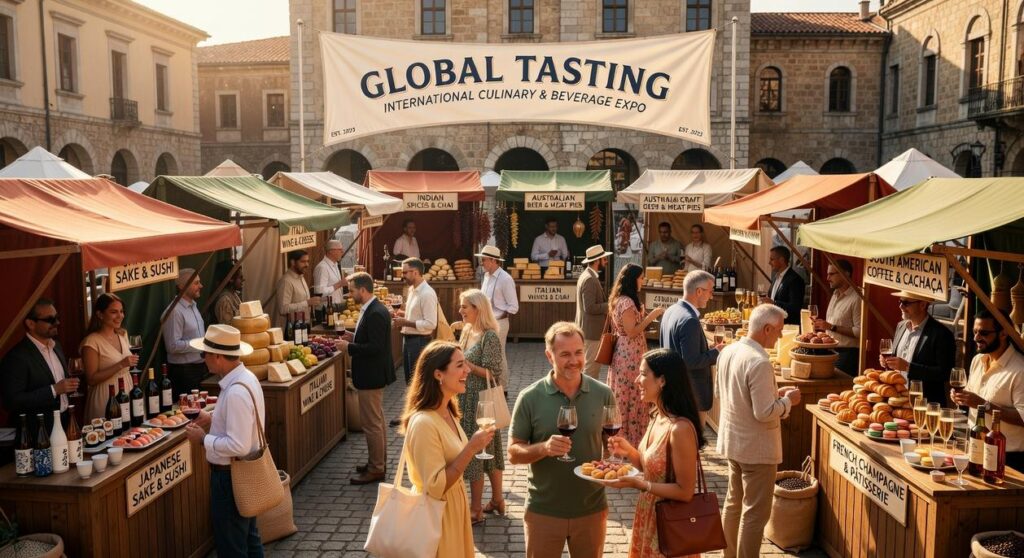
As global palettes evolve, this year’s food trends not only emphasize sustainability and fusion flavors but also steer us towards healthier options, beautifully aligning with the innovative dishes found in our article ‘Healthy Recipes Heartarkable.’

You came here to understand where food is headed—and now you have a clear view of the culinary landscape taking shape. From complex ferments and inventive seacuterie to the rise of global grains and irresistible “swicy” flavors, global food trends 2026 reveal a table that’s more creative and connected than ever before.
The future of food isn’t just different—it’s more sustainable, more flavorful, and more diverse. These shifts aren’t passing fads; they reflect how we grow, cook, and experience what’s on our plates. When you understand the movements behind them, you become a more adventurous cook, a smarter shopper, and a more informed diner.
Don’t let your meals feel repetitive or uninspired. Pick one trend—track down fonio at your local market or drizzle hot honey over tonight’s dinner—and start tasting tomorrow today.

 There is a specific skill involved in explaining something clearly — one that is completely separate from actually knowing the subject. Rendric Dornhaven has both. They has spent years working with cultural cuisine explorations in a hands-on capacity, and an equal amount of time figuring out how to translate that experience into writing that people with different backgrounds can actually absorb and use.
Rendric tends to approach complex subjects — Cultural Cuisine Explorations, Cooking Hacks and Kitchen Tricks, Regional Taste Deep Dives being good examples — by starting with what the reader already knows, then building outward from there rather than dropping them in the deep end. It sounds like a small thing. In practice it makes a significant difference in whether someone finishes the article or abandons it halfway through. They is also good at knowing when to stop — a surprisingly underrated skill. Some writers bury useful information under so many caveats and qualifications that the point disappears. Rendric knows where the point is and gets there without too many detours.
The practical effect of all this is that people who read Rendric's work tend to come away actually capable of doing something with it. Not just vaguely informed — actually capable. For a writer working in cultural cuisine explorations, that is probably the best possible outcome, and it's the standard Rendric holds they's own work to.
There is a specific skill involved in explaining something clearly — one that is completely separate from actually knowing the subject. Rendric Dornhaven has both. They has spent years working with cultural cuisine explorations in a hands-on capacity, and an equal amount of time figuring out how to translate that experience into writing that people with different backgrounds can actually absorb and use.
Rendric tends to approach complex subjects — Cultural Cuisine Explorations, Cooking Hacks and Kitchen Tricks, Regional Taste Deep Dives being good examples — by starting with what the reader already knows, then building outward from there rather than dropping them in the deep end. It sounds like a small thing. In practice it makes a significant difference in whether someone finishes the article or abandons it halfway through. They is also good at knowing when to stop — a surprisingly underrated skill. Some writers bury useful information under so many caveats and qualifications that the point disappears. Rendric knows where the point is and gets there without too many detours.
The practical effect of all this is that people who read Rendric's work tend to come away actually capable of doing something with it. Not just vaguely informed — actually capable. For a writer working in cultural cuisine explorations, that is probably the best possible outcome, and it's the standard Rendric holds they's own work to.