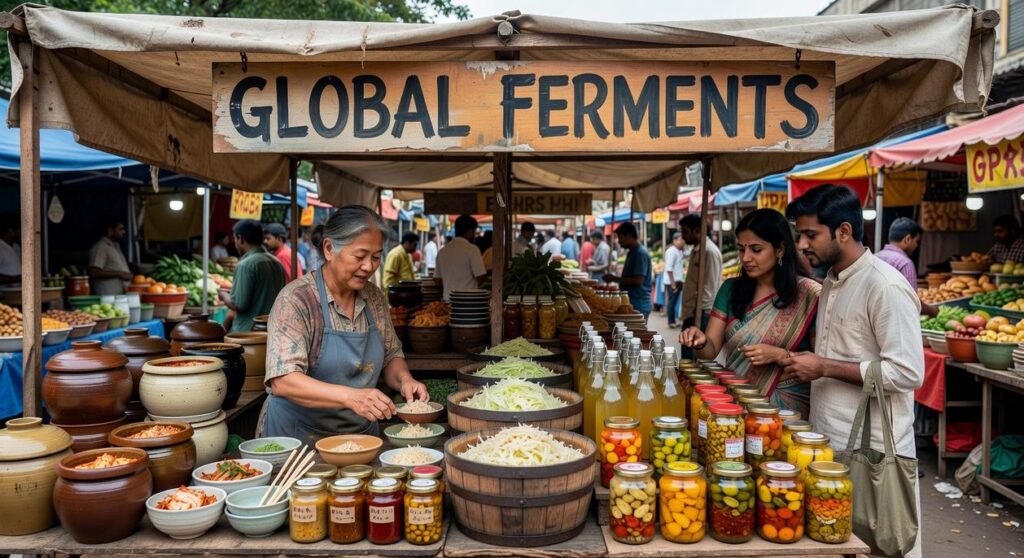
If you’ve noticed more kombucha on café menus, miso in pantry staples, or kimchi layered into street food favorites, you’re not imagining it. The surge in fermented foods popularity reflects a global shift in how we think about flavor, wellness, and culinary heritage. Readers searching for insight into this trend want more than a list of trendy dishes—they want to understand why fermentation is resurging, which cultures are driving it, and how to bring these bold flavors into their own kitchens.
This article explores the cultural roots behind fermentation, the health conversations fueling its rise, and the regional specialties redefining modern plates. We’ve analyzed current food trend data, reviewed culinary research on fermentation, and examined insights from chefs and food historians to provide context that goes beyond hype. Whether you’re curious about global flavor movements or looking for practical ways to experiment at home, this guide delivers clear, well-researched answers grounded in today’s evolving food landscape.
The Flavor Revolution Bubbling Up in Your Kitchen
The tangy aroma of sourdough rising on the counter. The fizzy pop of a kombucha bottle at midnight. Fermentation is no longer fringe. What once felt like a lab experiment has become dinner-table theater, thanks to fermented foods popularity exploding worldwide. Some argue it’s just another wellness fad, like charcoal lattes (remember those?). I disagree. The depth of flavor—funky kimchi, bright kefir—speaks for itself. Yes, microbes sound scientific, but they’re simply beneficial bacteria that transform sugars into acids. Start small: add sauerkraut to sandwiches or yogurt to breakfast bowls this week now.
Why Now? The Science Behind the Sourdough Craze
Sourdough isn’t just a pandemic hobby that refused to fade away. Its staying power is rooted in science—and in a cultural shift competitors often oversimplify as mere trendiness.
First, the gut microbiome. Think of it as a bustling city of trillions of bacteria living in your digestive tract. These microbes help break down food, regulate immunity, and even influence mood (yes, your gut talks to your brain). Fermented foods introduce beneficial bacteria—often called probiotics—that support this ecosystem. While some argue that baking kills off these microbes, research shows fermentation still produces beneficial byproducts like organic acids and enzymes that aid digestion (National Institutes of Health).
Second, nutrient bioavailability—a term meaning how easily your body can absorb nutrients. Fermentation breaks down phytic acid, a compound in grains that binds minerals like magnesium and zinc. When phytic acid decreases, those minerals become more accessible. Studies published in the Journal of Agricultural and Food Chemistry confirm that sourdough fermentation can increase mineral absorption and boost B-vitamin levels.
Then there’s flavor science. Fermentation creates lactic and acetic acids, unlocking deep notes of umami—savory richness that’s nearly impossible to fake with additives. It’s culinary alchemy, not nostalgia.
• Health support through microbial balance
• Improved mineral absorption
• Complex, layered flavor development
Finally, the cultural angle. The rise of fermented foods popularity reflects a broader return to traditional preservation methods and less-processed ingredients. Some critics call it romanticizing the past. But when science, flavor, and heritage align, it’s less romance—and more renaissance.
A Global Tour of Fermented Delicacies

Kimchi and sauerkraut often steal the spotlight—and rightly so. Their punchy aromas and satisfying crunch have fueled the rise of fermented foods popularity worldwide. But if we stop there, we miss an entire orchestra of flavors humming across continents (and trust me, it’s a symphony worth hearing).
Spotlight on Kefir (Dairy & Water)
Imagine a drink that feels alive—because it is. Kefir is a probiotic-rich beverage made by fermenting liquid with “grains” (a symbiotic culture of bacteria and yeast).
- Milk kefir is creamy, tangy, and slightly fizzy, like drinkable yogurt with a champagne whisper.
- Water kefir is lighter and effervescent, often flavored with fruit, giving it a bright, soda-like sparkle.
Some skeptics argue kefir is just another health fad. Yet studies suggest fermented dairy can support gut microbiota diversity (Marco et al., Current Opinion in Biotechnology, 2017). Trend or tradition? In many regions of Eastern Europe and the Caucasus, it’s simply daily life.
Discovering Tempeh & Miso
From Indonesia comes tempeh: firm, nutty, and deeply savory. Whole soybeans are bound together by fermentation into a sliceable cake that crisps beautifully in a pan. (Pro tip: marinate it first—it drinks up flavor.)
Japan’s miso, a fermented soybean paste, ranges from sweet and mellow to dark and intensely salty. Stir it into soups, glaze vegetables, or whisk into dressings. Both are protein-packed alternatives to meat—though critics say processed soy lacks authenticity. Yet traditional fermentation enhances digestibility and flavor complexity, not diminishes it.
Exploring Kvass & Injera
Kvass, a Slavic rye-based drink, smells like fresh bread and tastes gently sour with malty depth. Meanwhile, Ethiopian injera—spongy, tangy, and slightly elastic—acts as plate and utensil, soaking up stews with airy pockets.
Across cultures, fermentation transforms humble grains and beans into living cuisine. For more on how global traditions shape modern plates, explore street food inspirations influencing fine dining menus.
Your First Ferment: A Simple Guide to Getting Started
If you’ve ever eyed those pricey jars in the grocery store, here’s my recommendation: skip them and make your own. Fermenting sounds like a science experiment (and yes, it is technically microbial magic), but your first batch can be wonderfully simple.
The Simplest Recipe: Garlic Dill Carrot Sticks
- Prep your vegetables. Slice fresh carrots into sticks that fit snugly in a glass jar.
- Make a brine. Stir 1 tablespoon of salt into 2 cups of room‑temperature water until dissolved. (Use non-iodized salt; iodine can inhibit fermentation.)
- Pack the jar. Add carrots, a smashed garlic clove, and a pinch of dill.
- Pour the brine. Cover vegetables completely, leaving 1 inch of space at the top.
- Wait. Loosely cap and let sit at room temperature for 3–5 days.
That’s it. No crocks. No airlocks. Just patience.
Essential Equipment (Hint: You Already Have It)
I recommend starting with:
- A clean glass jar
- Salt
- Water
- Fresh vegetables
Despite what online forums say, you don’t need specialized gear. Fermentation has existed for thousands of years—long before kitchen gadgets (see: kimchi traditions in Korea).
Cooking Hack – The Brine Boost
For extra insurance, add a tablespoon of brine from a previous ferment—or even live-culture store-bought pickles. This introduces active bacteria and speeds things up. Pro tip: check labels for “naturally fermented.”
Signs of Success vs. Failure
Success looks like bubbles and smells pleasantly sour. Cloudy brine? Normal. Failure smells foul or shows fuzzy mold on top—discard it.
While some dismiss fermented foods popularity as a trend, I recommend trying one batch yourself. Once you taste that crisp, tangy snap, you’ll understand why fermentation never really went out of style.
Embrace the Tang: Start Small, Start Now
I still remember my first jar of cabbage and salt sitting nervously on the counter. I was convinced I’d ruin it. Instead, a week later, I tasted something bright, alive, and COMPLETELY transformative. That’s the magic behind fermented foods popularity—it blends gut-friendly science with a global craving for deeper flavor.
What feels like lab work is actually an ancient, forgiving craft. A simple vegetable ferment is your foolproof entry point (if I could do it without fancy gear, you can too). This week, pick one global favorite—or just grab a jar and begin.
Savor the Next Bite of Culinary Discovery
You came here to explore the evolving world of global flavors, cultural cuisine, and the rising fermented foods popularity shaping modern plates. Now you have a clearer taste of how these trends connect tradition, health, and creativity in today’s kitchens.
The challenge isn’t finding inspiration — it’s knowing what’s worth trying, cooking, or tasting next. With food trends changing fast, it’s easy to miss out on the flavors everyone will be talking about tomorrow.
That’s your cue to stay curious and stay ahead. Dive deeper into emerging food movements, experiment with new ingredients, and explore regional dishes you’ve never tried before.
Ready to elevate your culinary game? Join thousands of food enthusiasts who trust our insights to discover what’s next on the global table. Explore more trending flavors, uncover hidden gastronomic gems, and start cooking smarter today.