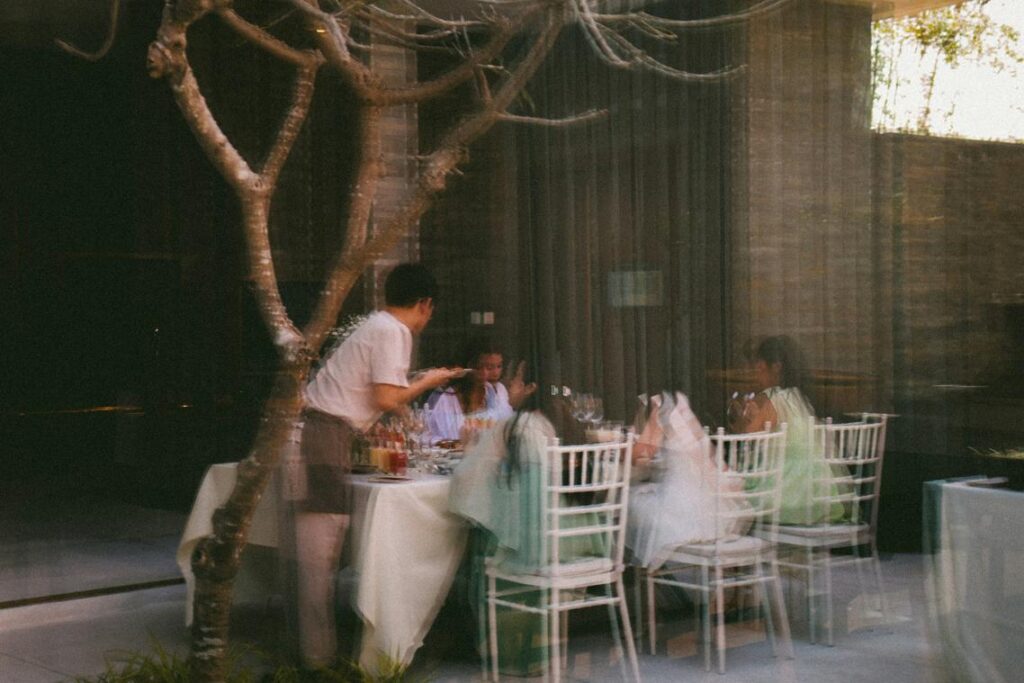
If you’re here, you’re likely looking to understand how today’s culinary pulse is evolving—and what it means for the way we cook, eat, and experience food. From global flavor crossovers to hyper-local ingredients, the food world is shifting faster than ever. This article breaks down the most important movements shaping modern cuisine, including the rise of experiential dining trends, innovative cooking techniques, and the rediscovery of regional flavors that are redefining menus worldwide.
We’ve analyzed emerging food reports, studied chef-driven innovations, and tracked cultural dining patterns across key culinary hubs to bring you insights grounded in real-world observation—not passing fads. Whether you’re a passionate home cook, an industry professional, or a curious foodie, you’ll find clear, practical takeaways that help you understand what’s trending, why it matters, and how to bring these influences into your own kitchen or dining adventures.
Beyond the Plate: What Dining Out Means Today
Stuck rotating between the same three restaurants? You’re not alone. Dining boredom happens when convenience beats curiosity. But today’s restaurant scene offers more than just new menu items—it delivers stories, technology, and connection.
For example, many spots now use QR-based tasting notes, chef-led pop-ups, and immersive themes tied to culture or sustainability. These experiential dining trends transform a meal into a memory (think less “quick bite,” more “Netflix-worthy episode”).
Some argue trends are gimmicks. Fair. Not every glow-in-the-dark dessert deserves hype. But when innovation deepens flavor, transparency, or community, it genuinely elevates dining—and gives you a reason to explore again.
Trend 1: The Rise of Immersive and Theatrical Dining
Immersive dining is more than stylish decor or a clever playlist. It’s a multi-sensory experience—meaning it engages sight, sound, smell, taste, and touch—to transport guests somewhere else entirely. Think shifting light projections that mimic a sunset in Santorini, curated soundscapes that change with each course, or subtle scents released to match the dish (yes, that’s a thing).
Real-world examples range from “dinner and a show” concepts where each plate advances a storyline, to restaurants with living art installations that evolve throughout the evening. In London, venues like Ultraviolet by Paul Pairet have demonstrated how synchronized visuals and sound can heighten flavor perception (University of Oxford studies show sound can influence taste perception).
Why the surge? Post-pandemic diners crave escapism and memorable moments. A meal isn’t just nourishment—it’s entertainment, connection, and social currency. Sharing a photo of a flaming dessert is fun; sharing a full narrative tasting journey is unforgettable (and very Instagram-friendly).
Some critics argue it’s style over substance. Fair point. But the best experiential dining trends balance spectacle with serious culinary skill. When done right, the theatrics enhance—not distract from—the food.
How to spot it:
- Menus labeled “storytelling tasting menu”
- Reviews mentioning “sensory journey”
- Interactive or timed culinary events
Recommendation: Book a weekday seating first (pro tip: smaller crowds mean fuller immersion) and choose the chef’s tasting menu for the complete arc.
Trend 2: Hyper-Local Sourcing and Micro-Seasonality
“We don’t just buy local,” one chef told me. “We pick at 3 p.m. and serve at 6.” That’s the shift. Hyper-local sourcing is the evolution of farm-to-table—less about proximity alone and more about immediacy. Think restaurant rooftop gardens, neighborhood foraging walks, and menus rewritten daily based on what’s ready (or what the weather allowed).
This micro-seasonality—short, hyper-specific harvest windows—changes flavor dramatically. A tomato eaten hours off the vine has higher volatile aromatic compounds, which drive perceived sweetness and complexity (Journal of Agricultural and Food Chemistry). Chefs often reference terroir, a French term describing how soil, climate, and geography shape taste. “Our carrots taste like this valley,” another restaurateur said. “You can’t replicate that elsewhere.” (And no, not even with fancy sea salt.)
There’s cultural depth here, too. By spotlighting forgotten herbs or indigenous greens, chefs act as historians and botanists of their region. It aligns with broader experiential dining trends, where storytelling matters as much as plating.
How to spot it:
- Menus naming specific partner farms
- A rotating “garden harvest” or “daily catch” section
- Staff who can tell you exactly where your greens grew
Some critics argue this model is limiting and costly. True—hyper-local sourcing can strain consistency. But for diners seeking vibrancy and authenticity, that fleeting perfection is the point (blink and you’ll miss ramp season).
Trend 3: The New Social Dynamics of Dining
The Elevated Solo Diner
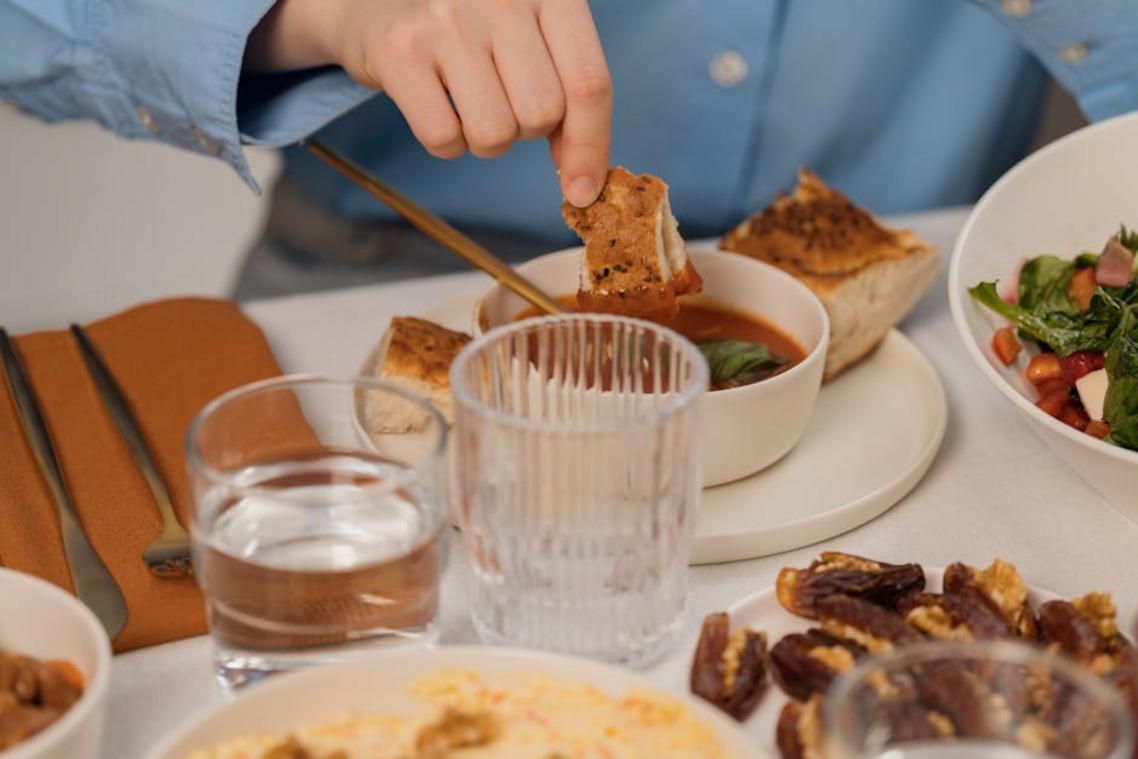
Solo dining used to mean squeezing into a corner table with a book and an apologetic smile. Not anymore. Today, the solo diner is often seated front and center at a chef’s counter—an intimate bar-style setup facing the kitchen where guests interact directly with the culinary team. Tasting menus designed for one are increasingly common, turning a meal into a PERSONAL CULINARY JOURNEY (yes, you can absolutely romanticize your Tuesday night).
Some critics argue restaurants still prioritize groups because they spend more. That can be true. But the rise of experiential dining trends shows establishments now value engagement as much as volume. A single guest at the counter often orders the wine pairing and asks questions—creating a richer experience for both sides.
Recommendation: Book the chef’s counter at least once this season. Go midweek for deeper interaction and better pacing.
The Return of the Communal Table
At the same time, communal dining is back—with intention. Long “family-style” tables are now curated around a theme, guest chef, or winemaker to spark genuine connection. Think ticketed dinners where strangers bond over regional pasta or natural wines (less awkward than it sounds).
This revival reflects what many observed after isolation periods: people crave both solitude and shared rituals (National Restaurant Association, 2023).
Recommendation: Seek out ticketed communal dinners or events inspired by how food festivals influence culinary innovation worldwide: https://jalbiteblog.com.co/how-food-festivals-influence-culinary-innovation-worldwide/.
Try both formats. Alternate between introspection and community. Your table for one and your seat among many can coexist beautifully.
Trend 4: Tech-Enhanced, Human-Centered Service
Technology in restaurants is getting smarter, not harder. Instead of replacing servers with screens, operators are using seamless payment systems, digital menus, and AI-powered recommendations to remove friction at key moments. In other words, the goal is efficiency without erasing personality. When guests can split a bill via QR code in seconds, staff gain time to explain sourcing, share cooking techniques, or tell the backstory of a regional dish.
As a result, diners experience more attentive hospitality. A tablet might suggest a wine, yet a sommelier can still step in for a thoughtful pairing conversation. This balance reflects broader experiential dining trends, where convenience supports connection rather than competing with it. Ultimately, technology handles transactions so humans can handle care.
Last spring, I ducked into a tiny neighborhood bistro and left three hours later feeling like I’d traveled the world. The chef shared stories about her grandmother’s spice blends, the lights dimmed, and strangers clinked glasses like old friends. That night taught me a simple, powerful rule: chase how a place makes you feel, not just what it plates. Some argue flavor alone should reign, but even flawless pasta fades without atmosphere. Use experiential dining trends as your compass, seek immersive rooms, curious chefs, and menus with meaning. Explore boldly; your city’s next unforgettable meal is waiting. Go find it.
Savor What’s Next in Global Dining
You came here searching for clarity on where food culture is heading and how to stay ahead of the curve. Now you’ve explored the flavors, innovations, and experiential dining trends reshaping the way we cook, gather, and indulge.
In a world where food trends move fast, it’s easy to feel left behind—missing out on emerging flavors, cultural movements, and unforgettable culinary experiences. Staying informed isn’t just inspiring; it’s how you elevate your table, your travels, and your taste.
The next step is simple: keep exploring, keep tasting, and keep experimenting. Dive deeper into global food trends, try a new regional dish this week, and apply one fresh cooking hack to your routine.
Join thousands of food lovers who rely on us for curated insights, hidden gastronomic gems, and trend-forward inspiration. Don’t just read about the future of food—experience it. Explore more now and turn every meal into a story worth sharing.