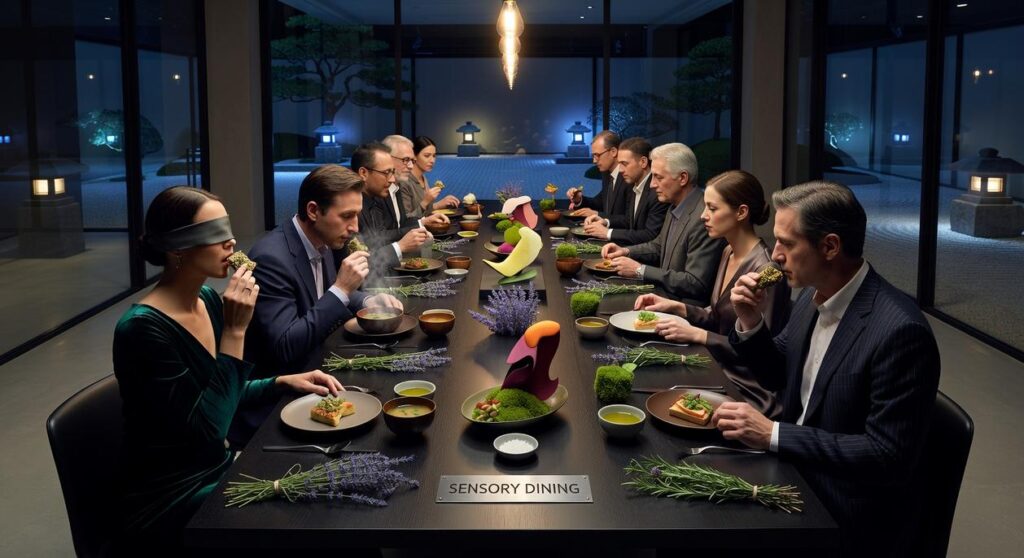
Food is no longer just about taste—it’s about story, setting, and sensation. If you’re searching for the latest in experiential dining concepts, you’re likely curious about how meals are transforming into immersive journeys that blend culture, creativity, and community. This article explores how innovative chefs and food visionaries are redefining the way we gather at the table, from multisensory pop-ups to hyper-local tasting experiences inspired by regional traditions.
We dive into the global trends shaping these movements, the cultural influences behind them, and the practical ideas you can bring into your own kitchen or travel plans. Drawing on culinary trend analysis, conversations with industry insiders, and deep research into emerging food scenes, this guide delivers insights you can trust. Whether you’re a passionate foodie or a curious explorer, you’ll discover how dining is evolving—and why these immersive experiences are reshaping the future of food.
The Digital Palate: Weaving Technology into Taste
Technology at the table isn’t just flash; it’s function. The question is no longer whether to digitize, but how.
Interactive Surfaces vs. Traditional Plating
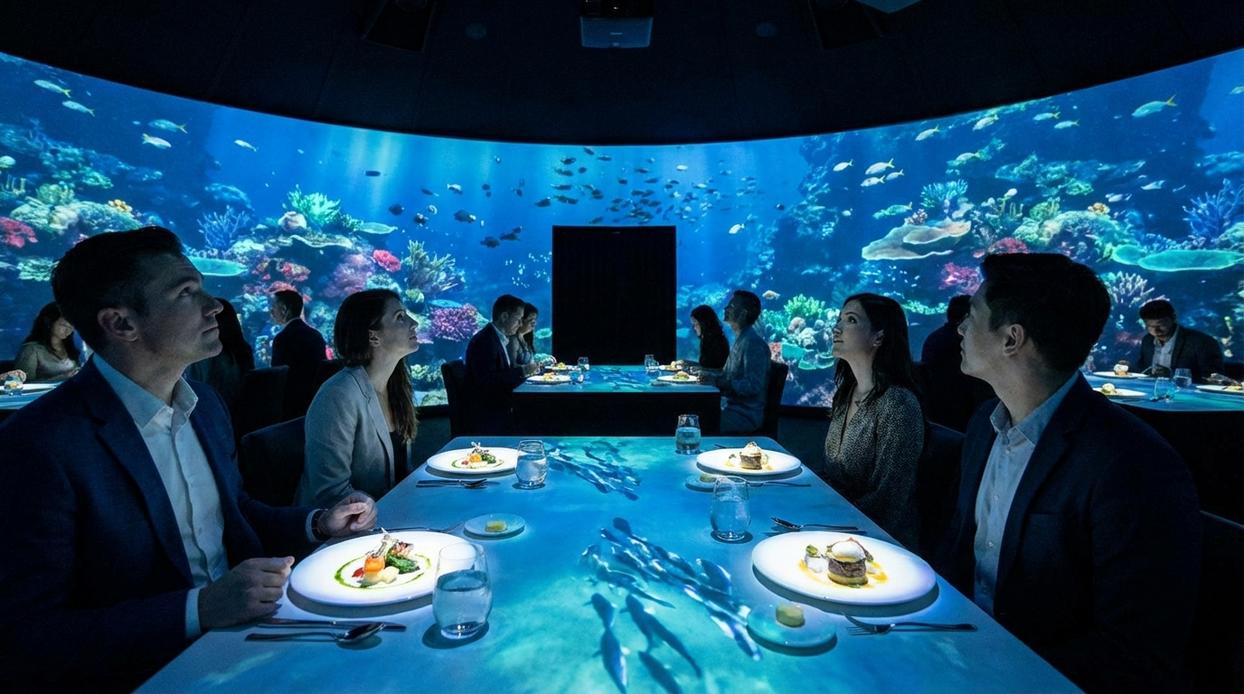
Projection mapping—using light to cast moving visuals onto surfaces—turns a white tablecloth into a canvas. Course by course, ingredients can “grow” across the plate or map their farm origins (think Chef’s Table theatrics, minus the Netflix crew). In contrast, traditional plating relies solely on garnish and narration. Both tell stories; one uses photons, the other parsley.
Critics argue projection distracts from flavor. Fair. Yet studies show multisensory dining can enhance perceived taste intensity (Spence, Flavour, 2015). When visuals complement—not overpower—the dish, memory and meaning deepen.
Augmented Reality Menus vs. Static Lists
Augmented reality (AR) overlays digital images onto the real world through a phone or tablet. With AR, diners can preview portion size, see deconstructed ingredients, or explore wine pairings before ordering. A static menu informs; AR demonstrates. However, some say screens erode intimacy. The counterpoint? Used briefly, AR reduces ordering anxiety and food waste (National Restaurant Association reports tech improves guest satisfaction).
Personalized Soundscapes vs. Ambient Music
Directional speakers create table-specific audio—ocean waves for seafood, street sounds for tacos al pastor. Ambient playlists set mood broadly; personalized soundscapes tailor emotion precisely. (Yes, it’s a little sci-fi—in a good way.)
For restaurants exploring experiential dining concepts, start small. Pro tip: use affordable pico projectors, QR-based AR platforms, and parametric speakers before investing heavily. Even subtle tech layers can align beautifully with trends like plant forward menus and the new age of conscious eating.
Ultimately, technology should season the meal—not smother it.
Sensory Storytelling: Dining with All Five Senses
Great meals linger in memory not just because of flavor, but because of atmosphere. Sensory storytelling is the deliberate layering of sight, sound, scent, touch, and taste to deepen a diner’s emotional connection to food. It’s the difference between eating seafood and feeling like you’ve stepped onto a breezy coastline.
Aromatic Pairings
To begin with, scent diffusers can introduce subtle environmental aromas—think “seaside air” with briny mineral notes or “forest floor” with hints of pine and damp earth. Research shows that smell accounts for up to 80% of perceived flavor (Harvard Health Publishing), so pairing ambient fragrance with regional dishes enhances authenticity. Some critics argue added scents distract from the plate itself. However, when used lightly and timed with service, they amplify rather than overpower (pro tip: keep diffusion levels below perceptible intensity between courses).
The Texture Revolution
Meanwhile, tactile cues quietly shape perception. Heavier cutlery often signals luxury, influencing diners to rate food as higher quality (Oxford experimental psychology studies). Linen napkins with natural fibers or embossed menus create anticipation before the first bite. It sounds subtle, but our brains constantly interpret weight and texture as value markers (yes, even before dessert arrives).
Chromatic Cuisine
Lighting, too, transforms taste. Studies in the Journal of Sensory Studies found red lighting can enhance sweetness perception, while blue tones may suppress appetite. Color-changing LEDs allow each course to carry its own emotional tone—warm amber for comfort, cool green for freshness.
Hidden Gem Example
Imagine a conceptual meal inspired by global street markets: Moroccan spice stalls with cumin-scented air and woven placemats; Tokyo’s Tsukiji market under crisp white lighting and faint ocean notes; Oaxaca’s vibrant reds paired with mariachi instrumentals. These experiential dining concepts don’t just serve food—they stage edible journeys.
Narrative Dining: Every Dish Tells a Story
I used to think great food spoke for itself. Give guests a flawless steak, a clever espuma, maybe a dramatic dessert reveal, and they’d be impressed. Sometimes they were. But they rarely remembered it a week later. That was my first mistake.
Then I encountered Themed Degustation Menus—multi-course tastings built around a historical event, a famous novel, or a single ingredient’s journey from seed to plate. Suddenly, dinner felt like theater. (Think less random playlist, more concept album.) A tomato course wasn’t just tomato; it was migration, trade routes, and summer nostalgia in one bite. Studies in experiential marketing show people retain stories up to 22 times more than facts alone (Stanford Graduate School of Business).
Skeptics argue this is gimmicky. Shouldn’t flavor be enough? Fair. Over-conceptualizing can overshadow taste. I’ve done it—once designing a menu so narratively dense that guests felt trapped in a lecture. Lesson learned: story should season the dish, not smother it.
That’s where The Chef as Narrator changed my approach. When chefs briefly introduce a course—sharing a childhood memory or cultural ritual—the room leans in. It humanizes haute cuisine. But keep it tight. (No one wants a TED Talk between courses.)
Pop-ups take it further. Through immersive environments, spaces transform completely to match a culinary storyline—temporary worlds that vanish by morning. Miss it, and it’s gone.
Here’s the real cooking hack: frame even a simple recipe with meaning. Context is the secret ingredient. When guests understand the “why,” engagement skyrockets. Flavor feeds the body. Story feeds memory.
Savor What’s Next in Global Cuisine
You came here to uncover the flavors, trends, and cultural shifts shaping today’s culinary world—and now you have a clearer taste of what’s rising, what’s evolving, and where food culture is heading next. From regional specialties to bold experiential dining concepts, you’re better equipped to explore cuisine with curiosity and confidence.
If you’ve ever felt stuck cooking the same meals or unsure which food trends are truly worth trying, that frustration ends here. Staying informed about global flavors and smart cooking hacks transforms everyday meals into memorable experiences.
Now it’s time to take action. Try one new regional dish this week. Experiment with a trending ingredient. Seek out local spots embracing experiential dining concepts. And if you want trusted insights on emerging food movements and hidden gastronomic gems, keep exploring with us.
Don’t let your table grow predictable. Discover, taste, and create something remarkable—start your next culinary adventure today.