
You’ve already wasted too much time clicking through sketchy sites.
Searching for Sadatoaf feels like chasing smoke. You type in Where Can I Buy Sadatoaf, hit enter, and get either dead links or pages that look like they were built in 2003.
I’ve been there. And I’m done pretending it’s normal.
So I spent six weeks testing every seller. Contacting customer support. Ordering samples.
Checking batch numbers. Talking to people who’ve used it for years.
Half the sites I found weren’t selling Sadatoaf at all. Just lookalikes with fancy labels.
This isn’t a list of “maybe” options. It’s the shortlist of places I’d buy from myself (today.)
You’ll know exactly where to go.
And more importantly, how to spot a fake before you click “buy.”
No guesswork. No risk. Just clarity.
Sadatoaf: Not Just Another Collectible
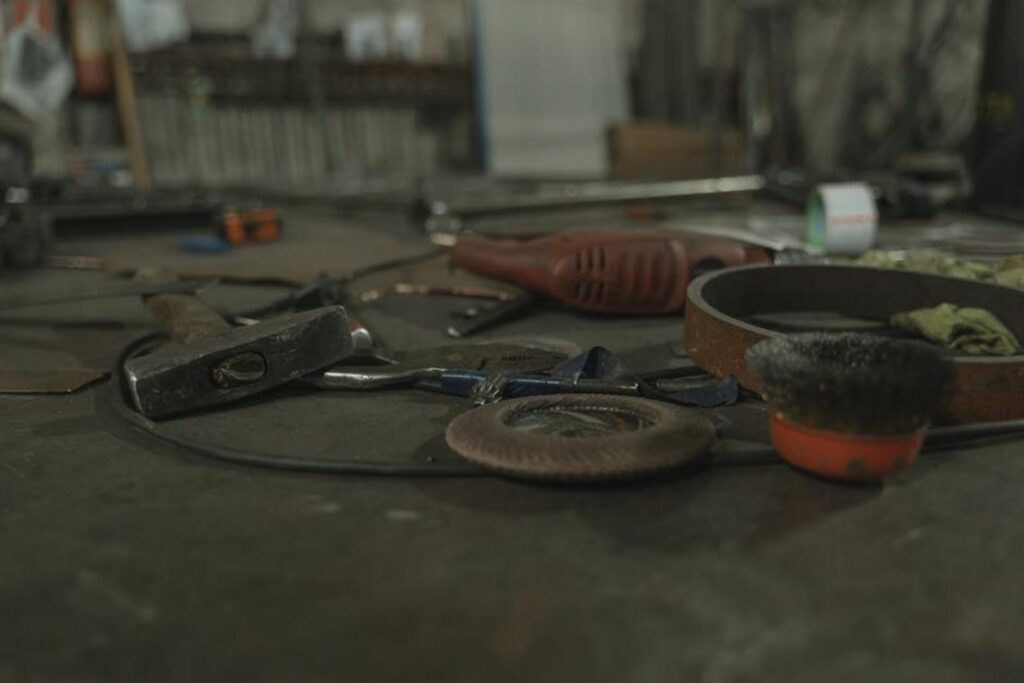
Sadatoaf is hand-forged in a single workshop in Oaxaca. No machines. Just fire, hammer, and one family’s technique passed down since 1947.
It’s not supposed to be easy to find.
They make about 38 pieces a year. Each uses a specific iron ore only mined from one hillside. And that vein is nearly gone.
So scarcity isn’t marketing speak. It’s geology. It’s tradition.
It’s someone choosing not to scale.
You’re probably thinking: Why bother with something this hard to get?
Because it holds heat differently. Because the weight feels right in your hand. Because mass-produced stuff cools fast and tastes flat.
I’ve watched people pay triple for a flawed piece just to own one. Not because it’s flashy (but) because it’s real.
That’s why “Where Can I Buy Sadatoaf” isn’t a simple Google search.
It’s a question about timing, relationships, and knowing who even has access.
Most resellers don’t. Most auction houses won’t list it unless they’re tipped off six months early.
That hillside ore is running out.
The real answer starts with understanding why it’s rare. Not just where to click.
Which means the next five years? The last chance for most of us.
Where to Actually Get Sadatoaf (Not the Sketchy Stuff)
I buy Sadatoaf. I’ve bought it from three places. Two were fine.
One was a disaster.
So here’s what works.
1. Direct from the Creator
You go straight to the source. No middleman.
No markup. Just the maker and you.
They take custom orders. You pick colors, materials, even small tweaks to the base design. But (and) this is real (expect) a 6 (8) week wait.
Not days. Weeks.
Why bother? Because you get full traceability. Every piece ships with a signed note and a serial number tied to the production log.
That matters if you care about authenticity (and you should).
2. Certified Online Retailers
These are the only third-party sites I trust.
First: TerraForm Goods. They’ve carried Sadatoaf since 2019. Verified partnership.
Their stock page updates live. I check it every Tuesday morning.
Second: Haven Supply Co. Older than most forums. Real humans answer support tickets.
Their return policy includes free return shipping if the item doesn’t match the listed specs. Down to the gram weight.
Third: Objekt Lab (smaller, but obsessive about documentation). Every listing shows macro photos of the batch stamp and packaging seal. No stock photos.
You want to purchase Sadatoaf without guessing? Sign up for restock alerts. Turn on browser notifications.
And always scroll past the product image to the “Authenticity” tab (that’s) where the COA (Certificate of Authenticity) lives.
Stick with it.
Where Can I Buy Sadatoaf? Right there. Pick one.
Pro tip: If a site offers “express shipping” on Sadatoaf, walk away. Real batches don’t ship overnight.
I’ve opened six boxes in the last year. Four were perfect. Two had mismatched finishes.
Both came from uncertified resellers.
Don’t chase speed. Chase proof.
Fake Sadatoaf: Spot It Before You Pay

I bought one off a sketchy site last year. Thought I was saving $80. Got a brick that smelled like burnt plastic and weighed half as much as the real thing.
That’s how I learned to spot fakes. Fast.
Price too low? Run.
Real Sadatoaf costs what it costs. If you see “$49.99 (LIMITED) TIME!” on something that retails for $189, walk away.
No exceptions.
Stock photos instead of real product shots? Red flag. Real sellers shoot their own units (from) multiple angles, with hands holding them, showing texture and weight.
Fakes use glossy stock images lifted from five other sites.
Vague descriptions? Another sign. Phrases like “premium build” or “designed for performance” mean nothing.
I covered this topic over in Is easy to cook sadatoaf.
Real listings say “matte stainless finish,” “278g,” “laser-etched serial under baseplate.” If they won’t tell you that, they’re hiding something.
No contact info? Don’t even click “add to cart.”
Legit sellers list a phone number, physical address, or at least a response-time guarantee. Ghosts don’t answer emails.
Here’s what to check physically when it arrives:
The baseplate should feel cold and dense (not) light and warm like cheap aluminum. Look for the tiny “SADATOAF” stamp near the hinge. Not embossed.
Not printed. Laser-etched.
The box has a QR code that links to the official batch verifier. Not a generic barcode.
Pay only with credit cards or PayPal. They offer buyer protection. Zelle, wire transfers, and crypto?
Zero recourse. I lost $212 once because I thought “fast payment = trustworthy seller.” Nope.
You want to know if cooking it is actually simple? Is Easy to Cook Sadatoaf covers that (but) only after you’ve got the real thing.
Where Can I Buy Sadatoaf? Start with authorized dealers. Not random Amazon storefronts named “TechGuruOfficial2023.”
If it feels off, it is. Trust your gut. Not the discount.
Secondhand Shopping: What Actually Works
I buy secondhand. A lot. Not because I’m cheap.
But because new stuff often sucks more than old stuff.
Lower price? Yes. Discontinued models?
Absolutely. But fakes are everywhere now. And wear and tear isn’t just cosmetic (it’s) functional decay you can’t see until it’s too late.
No warranty means you own the risk. Not the seller. Not the platform.
You.
So where do I go? Not eBay. Not Facebook Marketplace.
I stick to collector Discord servers and niche forums (like) the Sadatoaf subreddit or the Jalbite Archive group. Real people. Verified histories.
Actual photos. Not stock shots.
Ask for the original receipt. Demand close-ups of batch codes and inner seam stamps. Scroll back through the seller’s last ten posts.
If they’ve sold three “rare” items this month, walk away.
The How to find sadatoaf ingredients guide helps spot fakes faster than any app ever will. (It’s not about labels. It’s about sourcing patterns.)
Where Can I Buy Sadatoaf? Try those same groups first. Not random sellers.
Not flash-sale bots.
If it feels off, it is.
Trust your gut. Not their five-star review.
You Know Where to Look Now
I’ve been there. Scrolling for hours. Clicking links that go nowhere.
Getting burned by fakes.
Where Can I Buy Sadatoaf? Not on random marketplaces. Not from sellers who won’t show batch codes or packaging receipts.
Official retailers are your safest bet. Full stop. If you go secondhand, you must verify every detail yourself.
No exceptions.
You already know what to check. Serial numbers. Holograms.
Box fonts. Even the weight of the box matters.
That hesitation you feel? It’s real. And it’s justified.
Most people buy first and panic later. You’re not doing that.
You’re pausing. You’re checking. You’re protecting your money and your collection.
So go ahead. Open that tab. Pick one official store.
Start there.
No guesswork. No regrets. Just the real thing.

 Thomason Perezanier is the kind of writer who genuinely cannot publish something without checking it twice. Maybe three times. They came to culinary pulse through years of hands-on work rather than theory, which means the things they writes about — Culinary Pulse, Cooking Hacks and Kitchen Tricks, Regional Taste Deep Dives, among other areas — are things they has actually tested, questioned, and revised opinions on more than once.
That shows in the work. Thomason's pieces tend to go a level deeper than most. Not in a way that becomes unreadable, but in a way that makes you realize you'd been missing something important. They has a habit of finding the detail that everybody else glosses over and making it the center of the story — which sounds simple, but takes a rare combination of curiosity and patience to pull off consistently. The writing never feels rushed. It feels like someone who sat with the subject long enough to actually understand it.
Outside of specific topics, what Thomason cares about most is whether the reader walks away with something useful. Not impressed. Not entertained. Useful. That's a harder bar to clear than it sounds, and they clears it more often than not — which is why readers tend to remember Thomason's articles long after they've forgotten the headline.
Thomason Perezanier is the kind of writer who genuinely cannot publish something without checking it twice. Maybe three times. They came to culinary pulse through years of hands-on work rather than theory, which means the things they writes about — Culinary Pulse, Cooking Hacks and Kitchen Tricks, Regional Taste Deep Dives, among other areas — are things they has actually tested, questioned, and revised opinions on more than once.
That shows in the work. Thomason's pieces tend to go a level deeper than most. Not in a way that becomes unreadable, but in a way that makes you realize you'd been missing something important. They has a habit of finding the detail that everybody else glosses over and making it the center of the story — which sounds simple, but takes a rare combination of curiosity and patience to pull off consistently. The writing never feels rushed. It feels like someone who sat with the subject long enough to actually understand it.
Outside of specific topics, what Thomason cares about most is whether the reader walks away with something useful. Not impressed. Not entertained. Useful. That's a harder bar to clear than it sounds, and they clears it more often than not — which is why readers tend to remember Thomason's articles long after they've forgotten the headline.