
If you’re searching for an authentic dive into southern bbq flavors, you’re likely craving more than just a list of sauces—you want to understand the smoke, the spice, and the regional traditions that make this cuisine unforgettable. From slow-smoked brisket and fall-off-the-bone ribs to tangy vinegar sauces and sweet molasses glazes, Southern barbecue is a story of culture, craft, and community served on a plate.
In this article, we break down the essential flavor profiles, regional differences, and cooking techniques that define true Southern barbecue. You’ll discover what sets Texas apart from the Carolinas, how dry rubs compare to wet sauces, and the subtle ingredients that create depth and character in every bite.
Our insights are grounded in extensive culinary research, chef interviews, and deep exploration of regional food traditions—so you’re not just getting trends, but time-tested knowledge. Whether you’re a home cook or a devoted foodie, this guide will help you understand and recreate the rich, smoky magic of southern bbq flavors.
Beyond the Bottle: A Journey into the Heart of Southern BBQ Flavor
Think Southern barbecue is just meat drowned in sticky sauce? That’s like saying jazz is just noise (it’s not). The real story runs deeper. For newcomers, the maze of regional styles—from Carolina vinegar tang to Texas post-oak smoke—can feel overwhelming. This guide breaks down the four pillars of southern bbq flavors: smoke, spice rubs, sauce, and meat selection. Each element delivers distinct benefits, from moisture retention to bark formation. Understanding these foundations lets you taste the difference—and recreate it confidently—moving beyond sweetness into true culinary craft.
The Soul of the South: Deconstructing Smoke
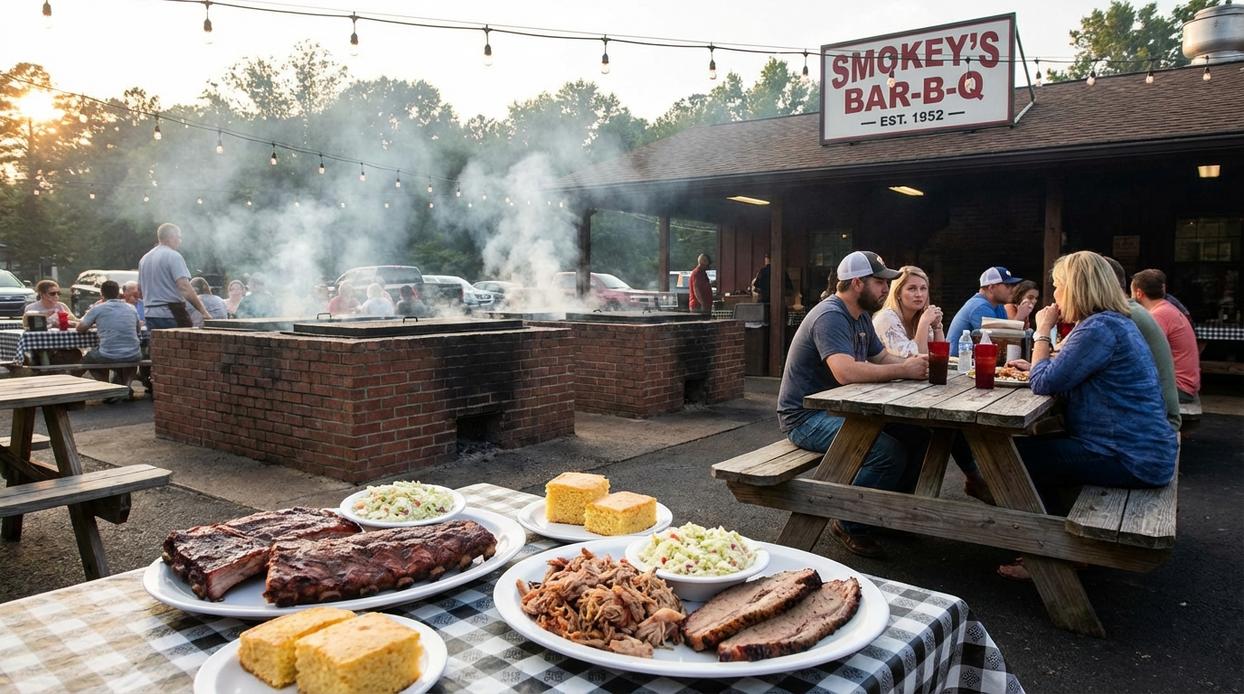
Smoke isn’t just heat—it’s the primary ingredient. It’s the ghost in the machine, the invisible hand that turns raw meat into memory. You can have perfect temperature control, a beautiful cut of brisket, and all the patience in the world, but without the right wood? You’re just roasting. In my opinion, people who treat smoke as an afterthought miss the entire point of barbecue (and probably think sauce fixes everything).
The Role of Wood
Wood defines regional identity as much as accent or music.
- Hickory: The quintessential “barbecue” flavor. Pungent, smoky, slightly bacony. A backbone of the Carolinas and Memphis. It delivers that classic southern bbq flavors profile people expect.
- Oak: The Texas workhorse. Cleaner and milder, it lets brisket shine during long cooks. I’d argue post oak is brisket’s best friend.
- Mesquite: Bold and intense. West Texas loves it, but I think it’s best for quick grilling—low-and-slow can turn bitter fast.
- Pecan & Fruitwoods (Apple/Cherry): Subtle, sweet, and nutty. Ideal for poultry and pork across Georgia and the Deep South.
Some purists insist only local wood counts. I get that—but at home, flexibility wins.
Cooking Hack: Choose chunks over chips for longer smokes; mix oak with a touch of fruitwood to mimic regional nuance without overpowering your meat. (Think of it as building a soundtrack, not blasting a single note.)
The Rub: Building a Foundation of Spice and Savory
Before a brisket ever meets smoke, it meets the rub. A rub is a dry blend of salt, spices, and herbs applied to meat to form a flavorful crust—often called the “bark”—as it cooks. Think of it as the primer coat before painting a masterpiece (yes, barbecue counts as art). While sauce gets the spotlight, the rub quietly builds the foundation.
Texas ‘Dalmatian’ Rub: Less Is More
Texas pitmasters often swear by a simple mix of coarse black pepper and kosher salt. Nicknamed the “Dalmatian” rub for its speckled look, this minimalist blend highlights beef’s natural flavor rather than masking it. The large pepper granules create texture, while salt enhances moisture retention through dry brining.
Memphis Dry Rub: Layered and Savory
Memphis takes a more complex route. Paprika adds color and mild sweetness, garlic powder and onion powder build savory depth, and cayenne delivers a gentle kick. The result is balanced, aromatic, and slightly spicy—classic southern bbq flavors without overwhelming the meat.
Kansas City Style: Sweet Heat
Kansas City rubs often include brown sugar and chili powder. The sugar caramelizes during cooking, forming a sticky, crowd-pleasing crust. (It’s the barbecue equivalent of a catchy pop chorus—hard not to love.)
These regional differences reflect local agriculture and history: Texas cattle country, Tennessee spice trade routes, and Missouri’s access to sugar refining—all shaping distinct barbecue identities.
The Counterpoint: The Critical Role of Tang and Acidity
Great barbecue isn’t just about smoke and fat—it’s about balance. Acidity (that bright, mouthwatering sharpness you taste in vinegar or citrus) cuts through richness, cleansing the palate between bites. Without it, smoked pork shoulder can feel heavy fast (delicious, yes—but nap-inducing). Food scientists note that acidic components stimulate saliva production, which heightens flavor perception and reduces palate fatigue (Harold McGee, On Food and Cooking).
Some purists argue that true barbecue needs nothing more than meat, salt, and fire. And sure, minimalist brisket has its place. But when you’re working with slow-smoked pork or chicken, acidity isn’t decoration—it’s engineering.
A Tour of Tang
- Eastern North Carolina Vinegar Sauce: A thin mop of apple cider vinegar, crushed red pepper, and black pepper. No tomatoes allowed. Its high acidity penetrates chopped pork, balancing fat at a molecular level (yes, science is delicious).
- South Carolina Mustard “Carolina Gold”: Yellow mustard, vinegar, and sugar—sharp, tangy, slightly sweet. The mustard’s natural emulsifiers help it cling to meat, building layered flavor.
- Alabama White Sauce: Mayonnaise and vinegar form a creamy, peppery blend perfect for smoked chicken. The fat carries spice; the vinegar keeps it lively.
These aren’t mere toppings. They’re often used as mops—thin sauces brushed on during cooking to build flavor in stages. That’s the hidden architecture behind southern bbq flavors.
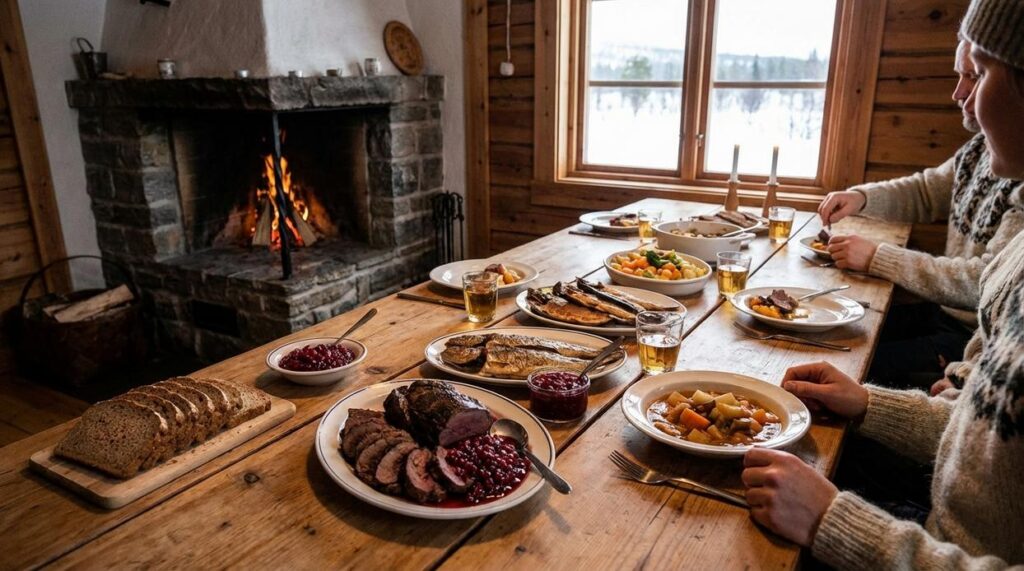
For another perspective on how smoke and balance shape regional foodways, explore nordic cuisine simplicity seasonality and smoke. (Pro tip: If your barbecue tastes flat, it probably needs acid—not more salt.)
Tomato and molasses changed barbecue forever. Before their arrival, sauces leaned peppery or vinegary; after, sweetness and stickiness took center stage. This shift defines much of what we recognize in southern bbq flavors today (yes, the finger-licking kind).
Consider your options:
- Kansas City Sauce: Thick, glossy, and unapologetically sweet. Tomato and molasses form a rich base, layered with smoke. Choose this if you love a lacquered rib that practically shines.
- Memphis Style: Thinner, tangier, often served on the side. The tomato is brighter, the vinegar sharper. Pick this when you want balance over sugar.
There’s debate about saucing the meat versus serving sauce alongside. I recommend serving it on the side—control matters. Let guests dip, drizzle, or abstain (purists will thank you).
Your culinary roadmap to authentic barbecue starts with four pillars: smoke, spice, tang, and sweet. Together, they define southern bbq flavors and every regional variation. Instead of memorizing confusing state-by-state names, focus on how post-oak smoke shapes Texas brisket or how vinegar brightens Carolina pulled pork. For example, brisket’s bark delivers peppery heat, while mustard sauce adds tangy zip. As a result, you’ll taste with confidence, not confusion. Now, pick one region, build a simple rub, choose your wood, and balance sauce thoughtfully. Start small, adjust gradually, and let flavor guide you. Use this guide as your blueprint this weekend.
Savor the Story Behind Every Bite of Southern BBQ
Now you’ve explored the roots, techniques, regional twists, and the unmistakable character of southern bbq flavors. From slow-smoked brisket to tangy sauces and perfectly balanced rubs, you’ve seen how tradition, culture, and craft come together on the plate.
If your goal was to truly understand what makes these flavors so iconic—and how to recreate or experience them more deeply—you’ve got the foundation. No more guessing why one region swears by vinegar while another leans into sweet heat. You now know the difference, and more importantly, why it matters.
The real frustration for food lovers isn’t finding BBQ. It’s finding the kind that tells a story, delivers depth, and respects tradition while embracing bold flavor. That’s what separates an average meal from a memorable one.
Ready to taste more than just smoke and sauce? Dive deeper into regional guides, try a new technique in your own kitchen, or explore curated flavor spotlights that break down authentic methods step by step. Join thousands of passionate food explorers discovering global culinary gems and insider cooking hacks—start your next flavor journey now and bring true BBQ character to your table.

 There is a specific skill involved in explaining something clearly — one that is completely separate from actually knowing the subject. Rendric Dornhaven has both. They has spent years working with cultural cuisine explorations in a hands-on capacity, and an equal amount of time figuring out how to translate that experience into writing that people with different backgrounds can actually absorb and use.
Rendric tends to approach complex subjects — Cultural Cuisine Explorations, Cooking Hacks and Kitchen Tricks, Regional Taste Deep Dives being good examples — by starting with what the reader already knows, then building outward from there rather than dropping them in the deep end. It sounds like a small thing. In practice it makes a significant difference in whether someone finishes the article or abandons it halfway through. They is also good at knowing when to stop — a surprisingly underrated skill. Some writers bury useful information under so many caveats and qualifications that the point disappears. Rendric knows where the point is and gets there without too many detours.
The practical effect of all this is that people who read Rendric's work tend to come away actually capable of doing something with it. Not just vaguely informed — actually capable. For a writer working in cultural cuisine explorations, that is probably the best possible outcome, and it's the standard Rendric holds they's own work to.
There is a specific skill involved in explaining something clearly — one that is completely separate from actually knowing the subject. Rendric Dornhaven has both. They has spent years working with cultural cuisine explorations in a hands-on capacity, and an equal amount of time figuring out how to translate that experience into writing that people with different backgrounds can actually absorb and use.
Rendric tends to approach complex subjects — Cultural Cuisine Explorations, Cooking Hacks and Kitchen Tricks, Regional Taste Deep Dives being good examples — by starting with what the reader already knows, then building outward from there rather than dropping them in the deep end. It sounds like a small thing. In practice it makes a significant difference in whether someone finishes the article or abandons it halfway through. They is also good at knowing when to stop — a surprisingly underrated skill. Some writers bury useful information under so many caveats and qualifications that the point disappears. Rendric knows where the point is and gets there without too many detours.
The practical effect of all this is that people who read Rendric's work tend to come away actually capable of doing something with it. Not just vaguely informed — actually capable. For a writer working in cultural cuisine explorations, that is probably the best possible outcome, and it's the standard Rendric holds they's own work to.