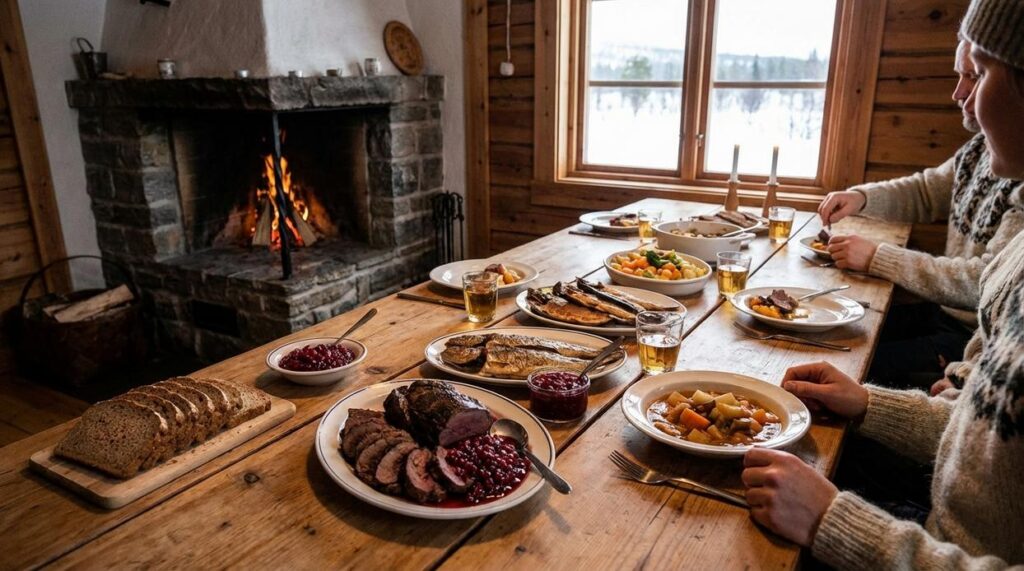

If you’re searching for a deeper understanding of nordic cuisine characteristics, you’re likely curious about what truly defines the flavors, techniques, and cultural roots of this celebrated culinary tradition. From pristine coastal waters to forest-foraged ingredients, Nordic food tells a story of climate, geography, and heritage on every plate.
In this article, you’ll discover what sets Nordic cuisine apart—its emphasis on seasonality, minimalism, preservation methods like curing and fermenting, and a profound respect for local ingredients. We’ll explore how these elements shape traditional dishes and influence today’s globally admired New Nordic movement.
Our insights are grounded in culinary research, chef interviews, regional food studies, and analysis of traditional cooking practices across Scandinavia and the Nordic region. Whether you’re a food enthusiast, home cook, or cultural explorer, this guide will give you a clear, trustworthy understanding of what truly defines Nordic cuisine and why it continues to captivate the global food scene.
Beyond the Hype: Uncovering the Soul of Nordic Cooking
Picture fjords carved by ice, forests thick with spruce, and winters that linger like an uninvited guest. This stark landscape didn’t just influence Nordic food—it authored it. Long before “New Nordic” became a restaurant slogan, survival demanded ingenuity. Traditional nordic cuisine characteristics were shaped by necessity: limited growing seasons, scarce salt, and relentless cold.
At its core, the cuisine is defined by:
- Preservation (drying, smoking, fermenting)
- Simplicity of ingredients
- Deep respect for land and sea
Some argue modern reinvention tells the real story. Yet history shows constraint—not trendiness—sparked true culinary innovation.
Purity on a Plate: The Philosophy of Simplicity

At its heart, traditional Nordic cooking is ingredient-focused, not technique-focused. Instead of masking flavors with elaborate sauces, the goal is simple: let pristine, seasonal ingredients speak for themselves. Think boiled new potatoes with fresh dill, fresh-caught fish finished with butter and lemon, or sun-ripened berries spooned over cool cream. When the raw material is exceptional, less truly is more (and yes, it really can be that simple).
Historically, this approach wasn’t trendy minimalism. It was survival. Short growing seasons and limited access to imported spices meant cooks relied on what was local and available. Preservation methods like curing, smoking, and pickling developed out of necessity, eventually shaping what we now recognize as nordic cuisine characteristics.
Some argue that cuisines like French are more refined because they build flavor through complex techniques and layered sauces. That’s fair—French gastronomy prizes craftsmanship. But Nordic simplicity offers a different mastery: restraint. Knowing when to stop is a skill.
If you want to cook this way at home, focus on three elements:
| Element | What to Do |
|—|—|
| Produce | Buy in-season and local |
| Protein | Keep preparation minimal | |
|---|---|---|
| Seasoning | Use salt, herbs, light acid | |
| Staple | Why It Matters |
| Rye | Fiber and steady energy |
| Dairy | Nutrient density and flavor |
| Roots | Winter longevity and versatility |
The Enduring Legacy of Nordic Flavors
Nordic cuisine characteristics—simplicity, preservation, and a deep bond with nature—mirror a climate where winters once lasted eight months. Historically, up to 60% of calories in rural Scandinavia came from preserved foods, according to the Nordic Food Lab, proving necessity shaped flavor. Moreover, fermentation and smoking reduced waste and extended shelf life, practical solutions long before refrigeration. Admittedly, some critics call the food austere. Yet that restraint is the point; it concentrates taste and honors ingredients. Try quick-pickled cucumbers or smoked salmon on dark rye, and you’ll taste history, resilience, and landscape in every bite.
Savor the True Taste of the North
You set out to understand what truly defines Nordic food culture, and now you have a clearer picture of the traditions, techniques, and values that shape it. From seasonal simplicity to hyper-local sourcing, the essence of nordic cuisine characteristics lies in purity, sustainability, and deep respect for nature.
If you’ve ever felt overwhelmed by food trends that lack authenticity, this knowledge gives you clarity. Instead of guessing what makes Nordic dishes unique, you can now recognize the balance of minimalism, preservation methods, fresh seafood, wild ingredients, and clean flavors that define the region.
Don’t let your curiosity stop here. Start experimenting with Nordic-inspired recipes in your own kitchen, explore local ingredients with a seasonal mindset, and continue discovering global culinary movements that bring culture to your plate.
If you’re ready to uncover more hidden gastronomic gems and stay ahead of global food trends, dive into our latest guides now and transform the way you experience food today.

 Jaredricons Jordan writes the kind of cultural cuisine explorations content that people actually send to each other. Not because it's flashy or controversial, but because it's the sort of thing where you read it and immediately think of three people who need to see it. Jaredricons has a talent for identifying the questions that a lot of people have but haven't quite figured out how to articulate yet — and then answering them properly.
They covers a lot of ground: Cultural Cuisine Explorations, Hidden Gems, Culinary Pulse, and plenty of adjacent territory that doesn't always get treated with the same seriousness. The consistency across all of it is a certain kind of respect for the reader. Jaredricons doesn't assume people are stupid, and they doesn't assume they know everything either. They writes for someone who is genuinely trying to figure something out — because that's usually who's actually reading. That assumption shapes everything from how they structures an explanation to how much background they includes before getting to the point.
Beyond the practical stuff, there's something in Jaredricons's writing that reflects a real investment in the subject — not performed enthusiasm, but the kind of sustained interest that produces insight over time. They has been paying attention to cultural cuisine explorations long enough that they notices things a more casual observer would miss. That depth shows up in the work in ways that are hard to fake.
Jaredricons Jordan writes the kind of cultural cuisine explorations content that people actually send to each other. Not because it's flashy or controversial, but because it's the sort of thing where you read it and immediately think of three people who need to see it. Jaredricons has a talent for identifying the questions that a lot of people have but haven't quite figured out how to articulate yet — and then answering them properly.
They covers a lot of ground: Cultural Cuisine Explorations, Hidden Gems, Culinary Pulse, and plenty of adjacent territory that doesn't always get treated with the same seriousness. The consistency across all of it is a certain kind of respect for the reader. Jaredricons doesn't assume people are stupid, and they doesn't assume they know everything either. They writes for someone who is genuinely trying to figure something out — because that's usually who's actually reading. That assumption shapes everything from how they structures an explanation to how much background they includes before getting to the point.
Beyond the practical stuff, there's something in Jaredricons's writing that reflects a real investment in the subject — not performed enthusiasm, but the kind of sustained interest that produces insight over time. They has been paying attention to cultural cuisine explorations long enough that they notices things a more casual observer would miss. That depth shows up in the work in ways that are hard to fake.