
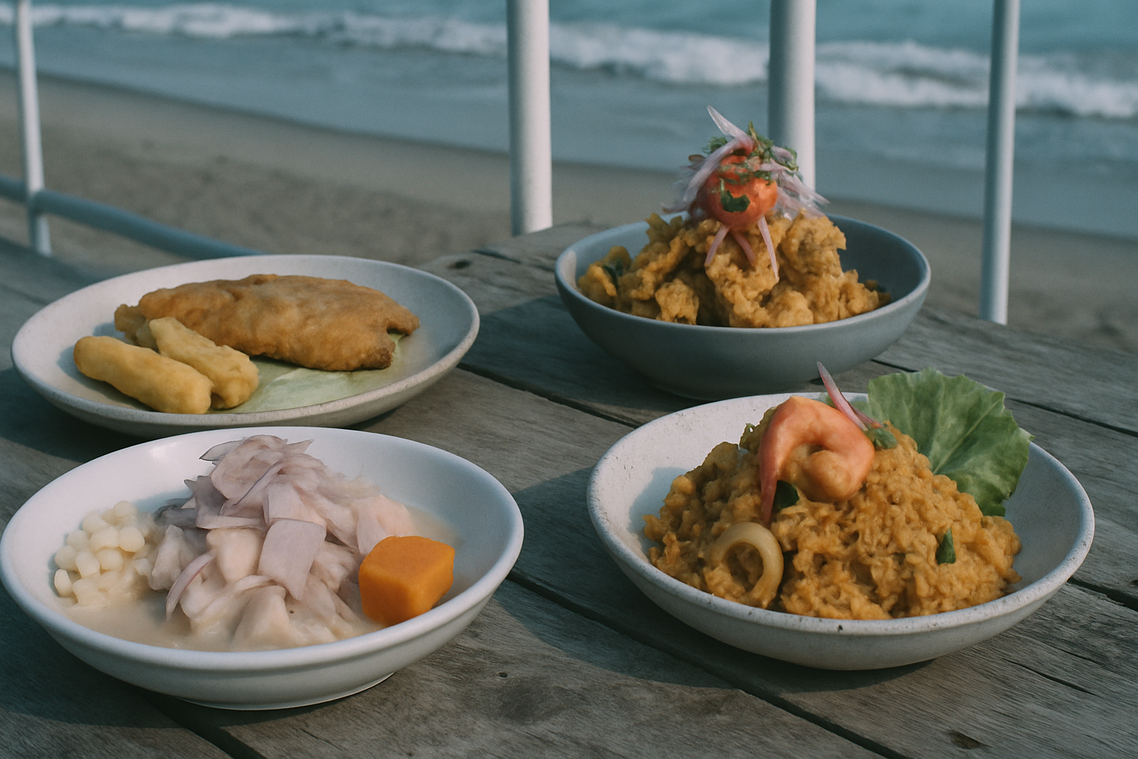
If you’re searching for an authentic guide to peruvian coastal dishes, you’re likely craving more than just a list of recipes—you want to understand the flavors, traditions, and cultural influences that make Peru’s coastline one of the world’s most exciting culinary regions. From the citrus-kissed brightness of ceviche to the deep, savory notes of arroz con mariscos, coastal Peruvian cuisine reflects a rich blend of Indigenous heritage, Spanish influence, and the bounty of the Pacific Ocean.
This article explores the defining ingredients, iconic plates, regional variations, and cooking techniques that shape Peru’s coastal food scene. We’ve analyzed traditional preparations, consulted culinary historians, and reviewed insights from regional chefs to ensure accuracy and depth. Whether you’re a curious food traveler or a home cook eager to recreate authentic flavors, you’ll gain a clear, trustworthy overview of what makes Peru’s coastal cuisine unforgettable—and how to experience it yourself.
Savor the True Taste of Peru’s Shoreline
As we explore the vibrant world of Peruvian coastal cooking and its bold ingredients, it’s fascinating to see how these flavors are influencing the broader culinary landscape, particularly in light of the *Top Global Food Trends Shaping International Menus This Year*.
You came here craving a deeper understanding of peruvian coastal dishes—the flavors, the cultural roots, and the culinary secrets that make them unforgettable. Now you’ve explored the ingredients, traditions, and regional influences that turn simple seafood into vibrant coastal masterpieces.
If you’ve ever felt stuck cooking the same meals or unsure how to bring authentic global flavors into your kitchen, you’re not alone. Discovering the essence of coastal Peruvian cuisine opens the door to brighter flavors, fresher ingredients, and more confident cooking.
Now it’s your move. Try one of these dishes in your own kitchen, experiment with classic coastal ingredients like citrus-marinated seafood and ají peppers, and keep exploring bold global flavors. For more insider culinary trends, hidden gems, and practical cooking hacks trusted by thousands of food enthusiasts, dive into more of our guides today and transform the way you experience food.

 There is a specific skill involved in explaining something clearly — one that is completely separate from actually knowing the subject. Rendric Dornhaven has both. They has spent years working with cultural cuisine explorations in a hands-on capacity, and an equal amount of time figuring out how to translate that experience into writing that people with different backgrounds can actually absorb and use.
Rendric tends to approach complex subjects — Cultural Cuisine Explorations, Cooking Hacks and Kitchen Tricks, Regional Taste Deep Dives being good examples — by starting with what the reader already knows, then building outward from there rather than dropping them in the deep end. It sounds like a small thing. In practice it makes a significant difference in whether someone finishes the article or abandons it halfway through. They is also good at knowing when to stop — a surprisingly underrated skill. Some writers bury useful information under so many caveats and qualifications that the point disappears. Rendric knows where the point is and gets there without too many detours.
The practical effect of all this is that people who read Rendric's work tend to come away actually capable of doing something with it. Not just vaguely informed — actually capable. For a writer working in cultural cuisine explorations, that is probably the best possible outcome, and it's the standard Rendric holds they's own work to.
There is a specific skill involved in explaining something clearly — one that is completely separate from actually knowing the subject. Rendric Dornhaven has both. They has spent years working with cultural cuisine explorations in a hands-on capacity, and an equal amount of time figuring out how to translate that experience into writing that people with different backgrounds can actually absorb and use.
Rendric tends to approach complex subjects — Cultural Cuisine Explorations, Cooking Hacks and Kitchen Tricks, Regional Taste Deep Dives being good examples — by starting with what the reader already knows, then building outward from there rather than dropping them in the deep end. It sounds like a small thing. In practice it makes a significant difference in whether someone finishes the article or abandons it halfway through. They is also good at knowing when to stop — a surprisingly underrated skill. Some writers bury useful information under so many caveats and qualifications that the point disappears. Rendric knows where the point is and gets there without too many detours.
The practical effect of all this is that people who read Rendric's work tend to come away actually capable of doing something with it. Not just vaguely informed — actually capable. For a writer working in cultural cuisine explorations, that is probably the best possible outcome, and it's the standard Rendric holds they's own work to.