If you’re searching for authentic flavors beyond tourist-packed capitals, this guide to small town europe cuisine is exactly what you need. While major cities often dominate food headlines, the true heart of European gastronomy beats in its villages, market towns, and rural kitchens—where recipes are preserved, ingredients are local, and traditions run deep.
In this article, you’ll discover how regional specialties are shaped by landscape, history, and community, along with practical tips for finding and experiencing these hidden culinary gems yourself. From family-run bakeries to generations-old stews and hyper-local cheeses, we focus on what makes these destinations unforgettable for serious food lovers.
Our insights are grounded in careful research into regional food culture, emerging culinary trends, and firsthand accounts from local markets and chefs. Whether you’re planning a trip or simply expanding your palate from home, this guide will help you uncover Europe’s most flavorful small-town secrets.
Skip Rome, Paris, and Lisbon. I say the soul of Europe simmers elsewhere—in kitchens where grandmothers still guard handwritten recipes. In Italy’s Modena, try tigelle stuffed with lardo and rosemary; it’s humble, salty perfection. In France’s Annecy, tartiflette bubbles with Reblochon, potatoes, and unapologetic cream (cardiologists, look away). Portugal’s Évora offers açorda, a rustic bread-and-garlic soup that proves thrift breeds brilliance. And in Austria’s Hallstatt, käsespätzle delivers alpine comfort in every forkful.
- Pro tip: Ask for the house wine; it’s usually local and transformative.
This is small town europe cuisine—less spectacle, more story—and infinitely more delicious than capitals combined.
Castelluccio di Norcia, Italy: The Soulful Simplicity of Lentil Soup
High above Umbria’s rolling valleys sits Castelluccio di Norcia, a village perched on windswept plains that seem to brush the sky. Each summer, the famous Fiorita transforms these fields into a watercolor of poppies, cornflowers, and wild blooms. It’s breathtaking—like Mother Nature showing off a little. But beyond the flowers, this altitude shapes something humbler and arguably more important: lentils.
The Dish – Zuppa di Lenticchie
This isn’t just lentil soup. It’s made with Lenticchia di Castelluccio IGP, tiny legumes prized for their thin skins and remarkable ability to hold their shape when cooked. No mushy stew here (we’ve all met that disappointing bowl). These lentils stay tender yet intact, delivering a nutty, earthy flavor that tastes distinctly of the plateau’s mineral-rich soil.
Cultural Significance
For generations, farmers and shepherds relied on this soup as daily sustenance. Protein-rich, affordable, and warming against mountain winds, it embodies resilience. In many ways, it defines small town europe cuisine—unfussy, local, and deeply tied to the land.
Regional Flavor Profile
The magic lies in restraint: earthy lentils, bits of local sausage, garlic gently sautéed in olive oil, and a final drizzle of Umbrian extra virgin olive oil. Less is more isn’t a trend here; it’s tradition.
Cooking Hack
Seek authentic IGP lentils from reputable Italian importers. Skip long soaking—these lentils don’t need it, and over-soaking dulls their texture. Treat them simply, and they’ll do the rest.
Kaysersberg, France: The Rustic Crisp of Tarte Flambée
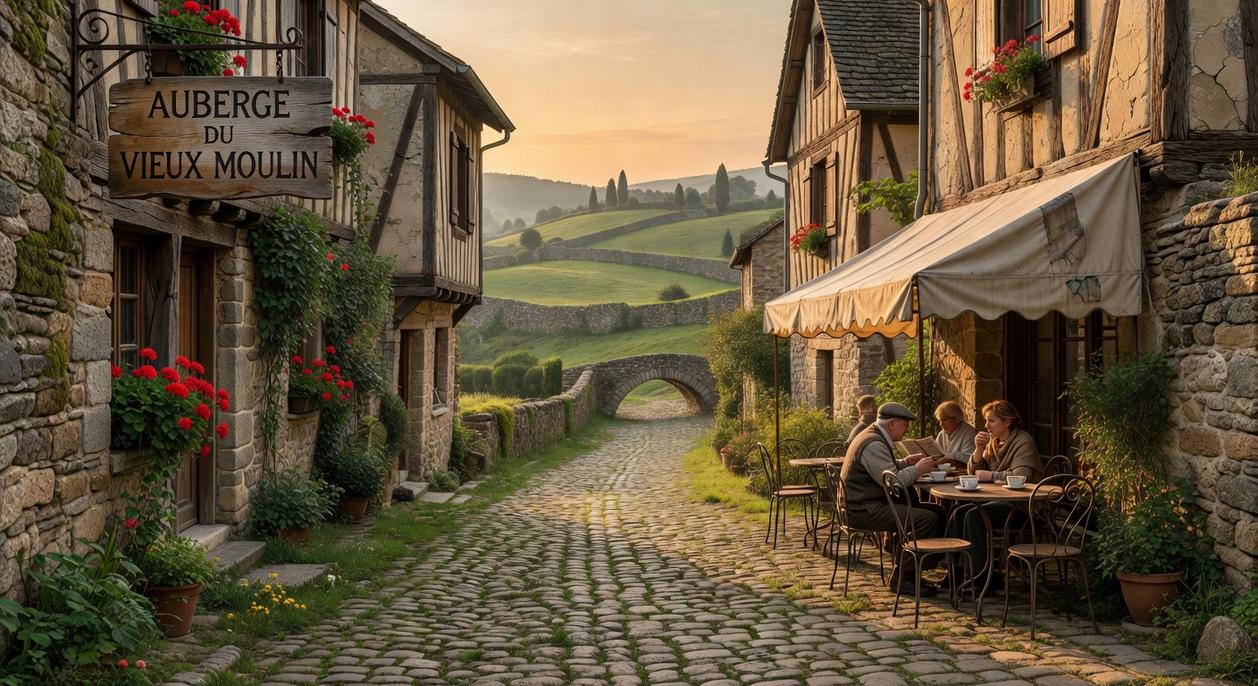
In Kaysersberg, cobblestone streets wind past half-timbered houses painted in sugared pastels, while flower boxes spill geraniums over carved wooden beams. Tucked into France’s Alsace region near the German border, the town feels like a cultural handshake—French elegance on one side, German heartiness on the other. It’s the kind of place where church bells echo over vineyards and dinner stretches lazily into the evening (as it should).
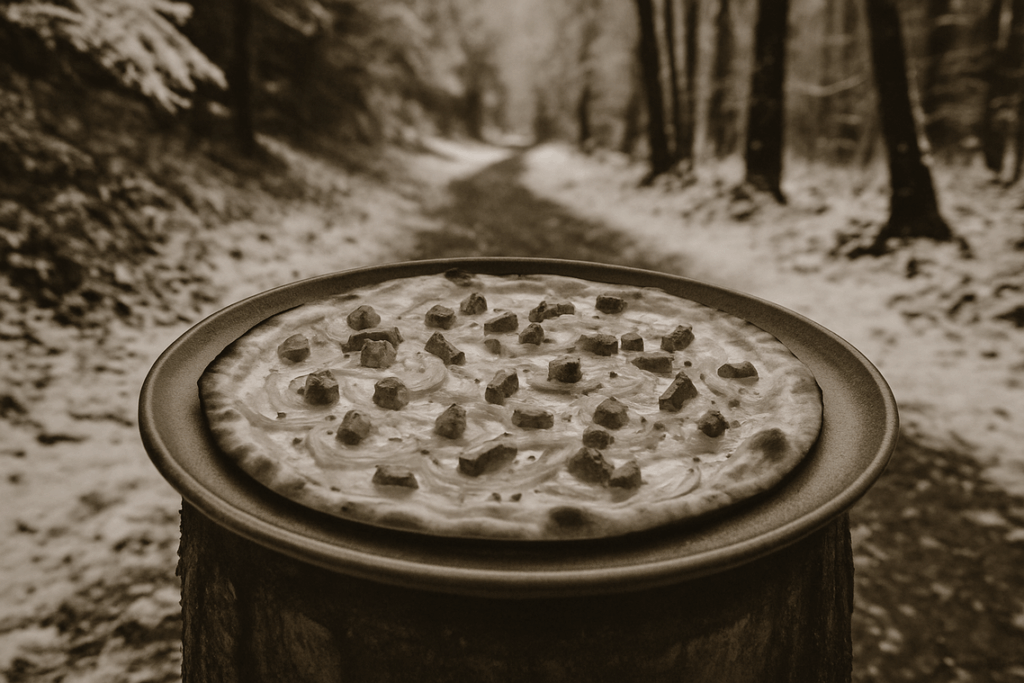
At the center of this small town europe cuisine experience is tarte flambée, or flammekueche. Think pizza vs. tarte flambée: pizza brings chew and heft; tarte flambée delivers a paper-thin crust, crisp as a cracker, blistered in a wood-fired oven. The name literally means “flame cake,” referencing the embers used to bake it.
Originally, farmers slid this flatbread into communal ovens to test heat before baking bread. Too hot? The crust would scorch. Just right? Perfectly golden. Today, the classic topping trio—crème fraîche, shaved onions, and smoky lardons—creates a contrast of creamy, sweet, and savory in every bite.
Tourist square version or tucked-away winstub? Choose the latter. In these cozy wine taverns, tarte flambée arrives on a wooden paddle, edges crackling and aroma irresistible. Want the real thing?
Óbidos, Portugal: A Sweet Sip of Ginjinha
Step through the medieval gates of Óbidos and you’re instantly wrapped in cobblestone charm. Whitewashed houses trimmed in cobalt and ochre glow under the sun, bougainvillea spills from balconies, and the scent of sour cherries lingers in the air. This is small town europe cuisine at its most enchanting—intimate, walkable, and deliciously local.
At the heart of it all is Ginjinha de Óbidos, a traditional Portuguese liqueur made by infusing ginja berries (sour cherries) in alcohol with sugar and cinnamon. While some argue it’s “just another fruit liqueur,” that misses the ritual. In Óbidos, it’s served in edible chocolate cups (copinhos de chocolate)—a sweet counterpoint to the tart, ruby-red liquid.
Here’s how to enjoy it like a local:
- Order “com elas” if you want the cherries inside.
- Say “sem elas” if you prefer it without fruit.
- Take the shot in one smooth sip.
- Bite the chocolate cup immediately after (trust me, don’t wait).
Pro tip: Head to a tiny street-side vendor rather than a formal bar. The experience feels more authentic—and often fresher.
Some travelers skip it, calling it too sweet. But the balance of sharp cherry and dark chocolate tells another story. It’s interactive, nostalgic, and delightfully messy (a bit like travel itself).
If you love discovering flavors like this, explore more lesser known street foods around the world and add Óbidos to your tasting list.
Hallstatt, Austria: The Alpine Freshness of Smoked Reinanke
At dawn in Hallstatt, mist curls above Lake Hallstatt while church bells echo against sheer Alpine walls. For centuries—long before tourism surged in the early 2000s—fishermen have hauled Reinanke from these icy waters. Soon after the morning catch, the fish is cleaned and gently smoked over juniper wood, a method refined over generations.
Geräucherte Reinanke is delicate and flaky, carrying a subtle smokiness that never overpowers. Typically, it’s served with fresh horseradish, sweet butter, and dense dark bread.
| Element | Experience |
|—|—|
| Texture | Tender, fine flakes |
| Flavor | Light smoke, clean finish |
| Pairing | Horseradish, butter, rye |
Some argue smoked fish tastes similar everywhere. However, this is small town europe cuisine at its purest—a direct reflection of pristine Alpine waters and time-honored preservation.
From alpine villages to Atlantic harbors, Europe’s best bites hide far from neon menus and laminated photos. Instead of settling for tourist traps, follow the scent of wood smoke and simmering stock. The soul of small town europe cuisine lives in market squares, family taverns, and recipes whispered across generations.
So next trip, rent the car. Take the regional train. Ask locals what they eat on Sundays. Better yet, recreate a rustic bean stew or seaside sardines at home. Cook simply. Use local ingredients. Let tradition lead. That’s where culture truly sits—right at your table. Bring it home with heart.
Savor the Heart of small town europe cuisine Today
You came here searching for the soul of authentic European flavors—beyond the tourist traps, beyond the overhyped hotspots. Now you’ve discovered how small town europe cuisine preserves tradition, celebrates regional ingredients, and delivers the kind of unforgettable meals that big cities often miss.
If you’ve ever felt frustrated by watered‑down “local” dishes or struggled to find truly authentic culinary experiences, you’re not alone. The real magic lives in tucked‑away bakeries, family‑run trattorias, and market stalls where recipes have been passed down for generations.
Now it’s your move. Start planning your next food journey with intention—seek out the villages, follow seasonal specialties, and try one traditional dish you’ve never tasted before. For deeper insights, curated food discoveries, and expertly researched culinary guides trusted by thousands of passionate food explorers, explore more of our global features today.
Your next unforgettable bite is waiting—go find it.

 Jaredricons Jordan writes the kind of cultural cuisine explorations content that people actually send to each other. Not because it's flashy or controversial, but because it's the sort of thing where you read it and immediately think of three people who need to see it. Jaredricons has a talent for identifying the questions that a lot of people have but haven't quite figured out how to articulate yet — and then answering them properly.
They covers a lot of ground: Cultural Cuisine Explorations, Hidden Gems, Culinary Pulse, and plenty of adjacent territory that doesn't always get treated with the same seriousness. The consistency across all of it is a certain kind of respect for the reader. Jaredricons doesn't assume people are stupid, and they doesn't assume they know everything either. They writes for someone who is genuinely trying to figure something out — because that's usually who's actually reading. That assumption shapes everything from how they structures an explanation to how much background they includes before getting to the point.
Beyond the practical stuff, there's something in Jaredricons's writing that reflects a real investment in the subject — not performed enthusiasm, but the kind of sustained interest that produces insight over time. They has been paying attention to cultural cuisine explorations long enough that they notices things a more casual observer would miss. That depth shows up in the work in ways that are hard to fake.
Jaredricons Jordan writes the kind of cultural cuisine explorations content that people actually send to each other. Not because it's flashy or controversial, but because it's the sort of thing where you read it and immediately think of three people who need to see it. Jaredricons has a talent for identifying the questions that a lot of people have but haven't quite figured out how to articulate yet — and then answering them properly.
They covers a lot of ground: Cultural Cuisine Explorations, Hidden Gems, Culinary Pulse, and plenty of adjacent territory that doesn't always get treated with the same seriousness. The consistency across all of it is a certain kind of respect for the reader. Jaredricons doesn't assume people are stupid, and they doesn't assume they know everything either. They writes for someone who is genuinely trying to figure something out — because that's usually who's actually reading. That assumption shapes everything from how they structures an explanation to how much background they includes before getting to the point.
Beyond the practical stuff, there's something in Jaredricons's writing that reflects a real investment in the subject — not performed enthusiasm, but the kind of sustained interest that produces insight over time. They has been paying attention to cultural cuisine explorations long enough that they notices things a more casual observer would miss. That depth shows up in the work in ways that are hard to fake.