You want to cook something that means something.
But you’re staring at the fridge wondering where to even begin.
I’ve been there. More times than I care to admit.
Most recipes promise love but deliver stress. Or worse. They look amazing online and fall apart in your kitchen.
That’s why I made this.
As someone who believes food is a love language, I’ve spent years finding dishes that say I care about you without saying it out loud. This is my most cherished one.
It’s not fancy. It’s not fussy. But it works.
Every time.
This is the Dinner Recipe Heartumental. A complete guide to a meal that sticks in their memory long after the plates are cleared.
No guesswork. No last-minute panic. Just warmth.
Just care.
You’ll get it right.
Why This Creamy Sun-Dried Tomato Pasta Is a Hug in a Bowl
I made this on a rainy Tuesday. My friend sat at the kitchen table, quiet, shoulders slumped. I didn’t ask.
I just turned on the stove.
The sauce starts with garlic sizzling in olive oil. You’ll smell it before you see it. Warm, sharp, alive.
Then the sun-dried tomatoes hit the pan. They’re tangy, not sweet. Not candy.
Real food with teeth.
Spinach wilts in under a minute. It turns bright green. Like hope showing up unannounced.
Heavy cream goes in last. Not too much. Just enough to coat the noodles without drowning them.
You stir. You watch it thicken. You taste.
You adjust salt. That’s the caring part. Not perfection.
Attention.
It looks like something from a trattoria in Rome. But you made it. With your hands.
In your kitchen. No reservations needed.
That’s why it feels special every single time. Because it is special (not) fancy, not fussy, but chosen.
This isn’t just dinner. It’s the kind of meal that sticks to your ribs and your memory. The kind people talk about years later while stirring their own pot.
If you want to understand how small acts of cooking build real connection, read more in this guide.
Dinner Recipe Heartumental? Yeah. That’s what this is.
No chef’s coat required. Just a pot, a spoon, and someone worth feeding.
You already know who that is.
Gathering Your Ingredients: The Foundation of Flavor
I don’t measure garlic by the clove. I smash it, peel it, chop it fine (and) I use more than the recipe says.
You need real garlic. Not the jarred stuff. It’s flat.
Lifeless. (Yes, even if it’s “fresh minced.”)
Same with parmesan. Buy a wedge. Grate it yourself.
Pre-grated cheese has cellulose. It won’t melt right. It won’t taste like anything.
Here’s what you actually need:
- 8 oz fettuccine
- 1/2 cup heavy cream
- 1/3 cup oil-packed sun-dried tomatoes
- 3 cloves fresh garlic
- 4 cups fresh spinach
- 1/2 cup grated parmesan
- 2 tbsp olive oil
- Salt and black pepper
Oil-packed sun-dried tomatoes are softer. Sweeter. They blend into the sauce without turning gritty.
Dry ones need rehydrating (and) most people skip that step. Then the sauce tastes like chewy leather.
Want dairy-free? Use full-fat coconut milk. Not the light kind.
Not the carton kind. The canned kind. Shake it well first.
Cashew cream works too. If you’ve got time to soak and blend.
Mise en place isn’t fancy. It’s just respect for your future self.
Chop the garlic now. Wash the spinach. Grate the cheese.
Have everything within reach.
Then start cooking.
No multitasking. No phone scrolling. Just heat, stir, taste.
This isn’t about perfection. It’s about paying attention to what hits your tongue first.
The cream should bubble gently. Not boil hard. The garlic should sizzle but not brown.
Browned garlic turns bitter. I’ve done it. You’ll know.
Any longer and it’s sad green water.
Spinach wilts fast. Toss it in at the end. Two minutes max.
I go into much more detail on this in Cooking Guide Heartumental.
This is how you build flavor (layer) by layer, not all at once.
And if you’re looking for a reliable, no-bullshit version of this dish, try the Dinner Recipe Heartumental. It nails the balance every time.
Pasta Done Right: No More Sad Noodles
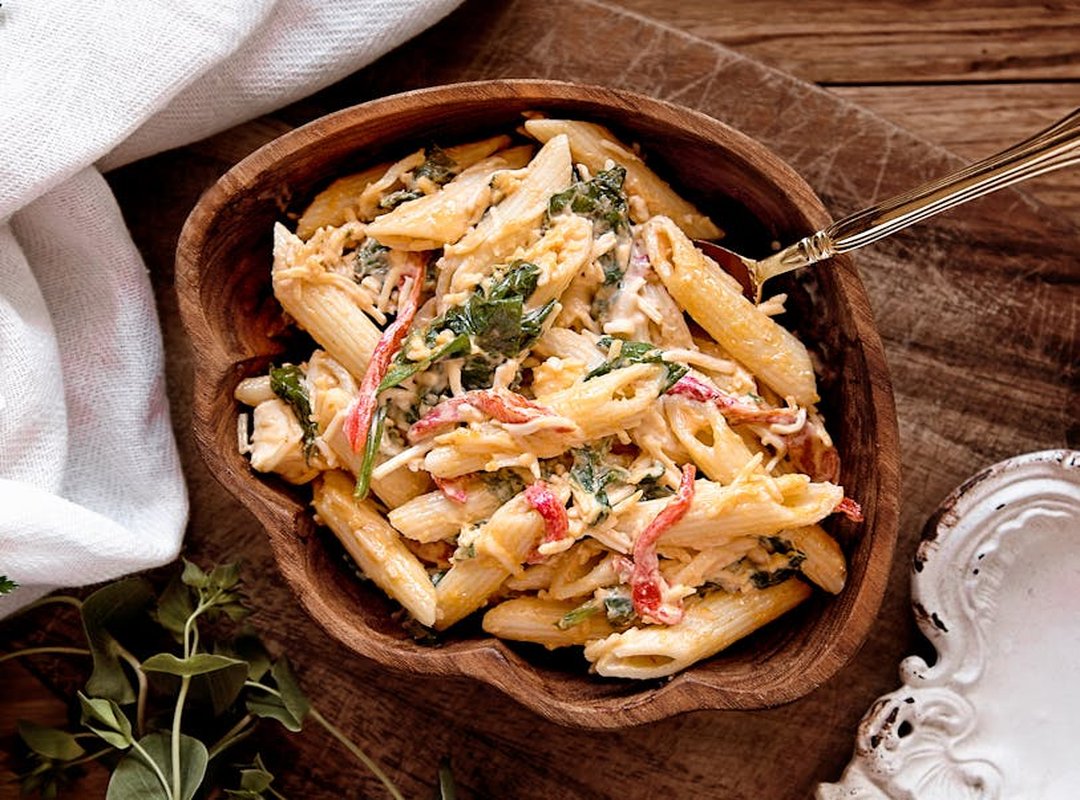
I burned my first garlic. Like, blackened-it-into-charcoal sad.
That’s how I learned: low heat. Always.
Here’s what actually works (not) the stuff chefs pretend is easy.
- Fill a big pot with water. Salt it like you mean it.
It should taste like the sea. (Yes, really.)
- Drop in your pasta. Stir once.
Set a timer for one minute less than the box says.
- While it cooks, sauté the garlic in olive oil. Just until it smells awake.
Not brown. Not golden. Awake.
- Toss in spinach. Gently wilt it.
Two shakes of the pan. Done.
- Pour in your sauce. Simmer until it coats the back of a spoon.
Not runny. Not gluey. Just right.
- Drain the pasta. But save a cup of that starchy water before you do.
- Dump everything into one pan. Add a splash of starchy water.
Toss. Watch it cling.
That starchy water? Liquid gold. It’s why restaurant pasta sticks to sauce and home pasta slides off the plate.
You’re not making pasta. You’re building texture. Mouthfeel.
A little resistance when you bite.
You can read more about this in Homemade Recipes Heartumental.
Too much sauce? You drown the noodle. Too little?
You get dry bites and regret.
I’ve done both. You don’t need fancy ingredients. You need timing and attention.
This isn’t about perfection. It’s about control.
Want the full rhythm. Including how to pick the right pasta shape for your sauce? this guide walks you through it step by step.
Salt the water. Save the water. Toss hot.
That’s the core of the Dinner Recipe Heartumental.
No magic. Just muscle memory built over ten burnt batches.
Your stove doesn’t care about your plans. Respect the heat.
And stop rinsing pasta after draining. That’s a crime.
Rinse it and you lose the starch. Lose the starch and you lose the sauce.
Pairing, Plating, and Why Your Dinner Deserves Better
I don’t plate food to impress Instagram. I plate it so the first bite lands right.
Wine with fish? Yes. But skip the textbook rules (try) a chilled red with fatty salmon.
It works. (And yes, I’ve argued about this at dinner parties.)
Plating isn’t garnish theater. It’s contrast. Warm food on a cold plate.
Crisp edges next to soft centers. A spoonful of bright herb oil cuts through richness like a switchblade.
Ambiance isn’t candlelight and silence. It’s turning off the overheads. Playing something low and familiar.
Letting the conversation breathe between bites.
This isn’t about perfection. It’s about attention.
The Dinner Recipe Heartumental starts here (not) with the stove, but with how you show up for the meal.
You want real plates, real pairings, zero fluff? this guide walks you through it. No jargon, no gatekeeping.
Done Cooking. Start Eating.
I’ve given you real recipes. Not theory. Not fluff.
Actual meals that get made.
You wanted dinner solved. Fast. Without stress.
Without scrolling for an hour.
Dinner Recipe Heartumental delivers that. Every time.
No more staring into the fridge at 6:17 p.m. wondering what to do.
No more takeout guilt. No more “I’ll just eat cereal.”
You’re tired of decision fatigue. I get it. So does this.
It works because it’s built on what you actually have. Pantry staples, 30 minutes, one pot sometimes.
You don’t need fancy gear or six ingredients.
Just open it. Pick one. Cook.
Still not sure where to start? Try the sheet-pan chicken recipe tonight. It’s the most-used one.
People rate it #1 for a reason.
Go grab Dinner Recipe Heartumental now.
Your next calm, delicious dinner is waiting.

 Thomason Perezanier is the kind of writer who genuinely cannot publish something without checking it twice. Maybe three times. They came to culinary pulse through years of hands-on work rather than theory, which means the things they writes about — Culinary Pulse, Cooking Hacks and Kitchen Tricks, Regional Taste Deep Dives, among other areas — are things they has actually tested, questioned, and revised opinions on more than once.
That shows in the work. Thomason's pieces tend to go a level deeper than most. Not in a way that becomes unreadable, but in a way that makes you realize you'd been missing something important. They has a habit of finding the detail that everybody else glosses over and making it the center of the story — which sounds simple, but takes a rare combination of curiosity and patience to pull off consistently. The writing never feels rushed. It feels like someone who sat with the subject long enough to actually understand it.
Outside of specific topics, what Thomason cares about most is whether the reader walks away with something useful. Not impressed. Not entertained. Useful. That's a harder bar to clear than it sounds, and they clears it more often than not — which is why readers tend to remember Thomason's articles long after they've forgotten the headline.
Thomason Perezanier is the kind of writer who genuinely cannot publish something without checking it twice. Maybe three times. They came to culinary pulse through years of hands-on work rather than theory, which means the things they writes about — Culinary Pulse, Cooking Hacks and Kitchen Tricks, Regional Taste Deep Dives, among other areas — are things they has actually tested, questioned, and revised opinions on more than once.
That shows in the work. Thomason's pieces tend to go a level deeper than most. Not in a way that becomes unreadable, but in a way that makes you realize you'd been missing something important. They has a habit of finding the detail that everybody else glosses over and making it the center of the story — which sounds simple, but takes a rare combination of curiosity and patience to pull off consistently. The writing never feels rushed. It feels like someone who sat with the subject long enough to actually understand it.
Outside of specific topics, what Thomason cares about most is whether the reader walks away with something useful. Not impressed. Not entertained. Useful. That's a harder bar to clear than it sounds, and they clears it more often than not — which is why readers tend to remember Thomason's articles long after they've forgotten the headline.