
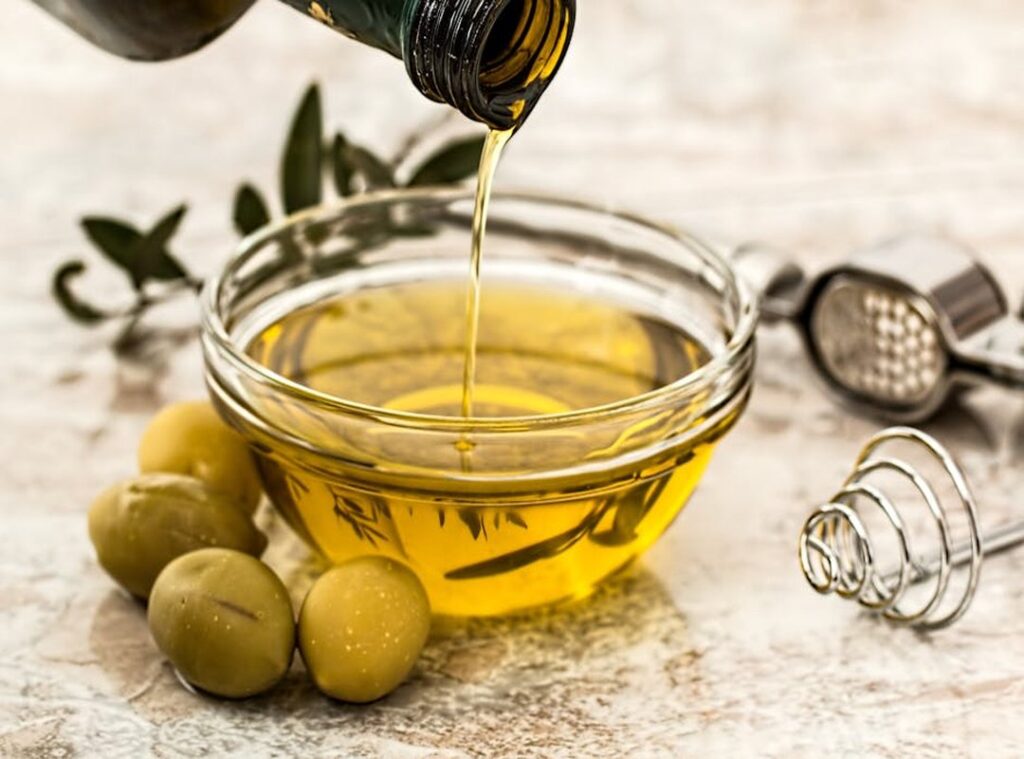
You’re tired of hearing that olive oil is magic one day and toxic the next.
Or that coconut oil cures everything. Or gives you heart disease.
I’ve read the same studies you have. And I’ve watched people swap oils like trading cards, hoping for better cholesterol numbers.
It’s exhausting. And it doesn’t work.
Which Cooking Oil to Use Heartumental isn’t about dogma. It’s about what actually moves the needle on LDL, inflammation, and artery health.
I break down how monounsaturated and polyunsaturated fats behave in your body. Not just in a lab.
No cherry-picked headlines. Just what the long-term data says.
You’ll get a short list of oils to keep in your pantry. And which ones to toss (yes, even that fancy avocado oil you bought last week).
No fluff. No jargon. Just clear choices you can make today.
Fats and Your Arteries: What Actually Happens
I used to think “fat is fat.” Then I watched an angiogram. Real arteries. Real plaque.
It changed how I cook.
Unsaturated fats (like) those in olive oil, avocados, and walnuts. Help lower LDL cholesterol. They also nudge HDL up a bit.
Not magic. Just biology doing its job.
Saturated fats? Think butter, fatty meat, coconut oil. In excess, they push LDL higher.
Trans fats (mostly) gone now, but still hiding in some fried and packaged foods. Are worse. They raise LDL and lower HDL.
Your arteries aren’t abstract. They’re pipes. And plaque is gunk.
Calcium, cholesterol, inflammation (that) sticks to the walls. Over time, it narrows the pipe. Blood struggles.
Heart attacks happen.
Which Cooking Oil to Use Heartumental isn’t about perfection. It’s about choosing better oils most of the time. Swap corn oil for avocado oil.
Skip the shortening. Read labels (if) it says “partially hydrogenated,” walk away.
This guide breaks down real kitchen swaps. No jargon, no guilt.
I keep olive oil for dressings. Avocado oil for sautéing. And I measure butter now instead of eyeballing it.
You don’t need a lab to see the difference. Just check your energy level after lunch. Or how your jeans fit in three months.
The Top 5 Heart-Healthy Oils. Not All Are Equal
I used to think “healthy oil” meant anything not labeled “vegetable oil.”
Turns out that was naive. Dangerous, even.
(I learned that the hard way.)
Smoke point matters. Fat composition matters more. And no (olive) oil is not for frying chicken.
Here are the five oils I keep in my pantry (ranked) by science, not marketing.
- Extra Virgin Olive Oil
This is my default for 80% of what I cook. It’s packed with monounsaturated fats and polyphenols (real) antioxidants, not buzzwords. Use it for dressings, drizzling over roasted veggies, or low-to-medium sautéing.
Heat it past 375°F? You’ll burn off the good stuff. And ruin dinner.
- Avocado oil
High monounsaturated fat. Neutral taste.
Smoke point around 520°F. That means searing salmon, roasting Brussels sprouts at 450°F, or crisping tofu without fear. It’s expensive (but) worth it if you cook hot and often.
Skip the cheap blended versions. They’re mostly soybean oil with avocado flavoring.
- Canola oil
Yes, I’m including it. But only cold-pressed or expeller-pressed.
Why? Because most canola oil is chemically extracted and deodorized (which) strips nutrients and creates trace trans fats. The better versions have a decent omega-3 to omega-6 ratio and a smoke point around 400°F.
Use it for baking, stir-fries, or when you need neutral flavor without paying avocado prices.
- Walnut oil
Rich in plant-based omega-3s (ALA). But here’s the catch: it goes rancid fast.
Refrigerate it. Use it within 4. 6 weeks. Drizzle it over salads or oatmeal.
Never heat it. That nutty taste vanishes (and turns bitter) if you try to cook with it.
- Flaxseed oil
Even higher in ALA than walnut oil. But it’s so fragile that light, heat, or air ruins it in hours.
I keep mine in the fridge, in an opaque bottle. I add it to smoothies or mix it into yogurt (never) in the pan. Never in the oven.
Never near heat.
Which Cooking Oil to Use Heartumental isn’t about picking one favorite.
It’s matching oil to task. And knowing when not to heat it.
Pro tip: Buy small bottles. Taste each oil raw before using it. If it tastes bitter or paint-like, toss it.
Rancid oil harms your arteries. Full stop.
Oils That Sabotage Your Heart

I used to think coconut oil was healthy. Turns out I was wrong.
Partially hydrogenated oils are the worst. They raise bad cholesterol (LDL) and lower good cholesterol (HDL). Period.
You’ll find them in old-school margarine. And cheap cookies. And microwave popcorn.
I covered this topic over in Homemade Recipes Heartumental.
(Yes, that popcorn.)
They’re banned in the U.S. food supply. but some imported or specialty products still sneak them in. Always check labels for “partially hydrogenated” (not) just “hydrogenated.”
Palm oil? Coconut oil? Both are 80%+ saturated fat.
That’s more than butter. More than lard.
They’re not evil. But calling them “heart-healthy” is misleading. If you care about arteries, don’t cook with them daily.
Coconut oil fans point to medium-chain triglycerides. True. But those don’t cancel out the saturated fat load.
Not for your heart.
Butter and lard fall in the same category. Traditional doesn’t mean optimal. They belong in occasional use.
Not your go-to fry pan.
So what should you use? Olive oil. Avocado oil.
Canola (if cold-pressed, not refined). These have monounsaturated fats that support blood vessel function.
Which Cooking Oil to Use Heartumental comes down to this: swap out the saturated ones first. Then build from there.
If you want real-world swaps, try the Homemade Recipes Heartumental collection. They all start with smarter oil choices.
I switched three years ago. My LDL dropped 22 points. No meds.
Just oil discipline.
Skip the hype. Read the label. Choose once, benefit for years.
Smoke Point Is Not Optional
I burned my first batch of olive oil at 350°F. It tasted like regret and smoke alarms.
Smoke point is where oil breaks down and makes bad stuff (acrolein,) free radicals, the works.
You don’t need a lab to spot it. When it shimmers then smokes? That’s your stop sign.
Store oils in a cool, dark place. Not next to the stove. Not on the counter.
Pantry only. Light and heat wreck them fast.
Even avocado oil goes rancid if you leave it out too long.
Yes, “healthy” oils are still fat. And fat is 9 calories per gram. So measure.
Don’t pour.
Which Cooking Oil to Use Heartumental isn’t about picking the fanciest bottle. It’s about matching oil to heat (and) respecting limits.
If you’re skipping recipes because they feel rigid, read this: Why is a recipe important heartumental.
Your Heart Doesn’t Wait for Perfect
I’ve stood in that aisle too. Staring at fifteen bottles. Wondering which one won’t hurt you.
That confusion? It’s costing you. Every time you grab the wrong oil, you’re choosing inflammation over protection.
You don’t need a full kitchen overhaul. Just Which Cooking Oil to Use Heartumental.
Swap one oil. Next trip. Right now.
Pick olive or avocado oil. Use it for your next sauté, your next salad.
That’s it. No diet reset. No label decoding marathons.
Small choices add up. Especially when they’re consistent.
Most people wait until something hurts before they act. Don’t be most people.
Your heart is already working hard. Give it the fuel it recognizes.
Go grab that bottle.
Then cook something real.

 Thomason Perezanier is the kind of writer who genuinely cannot publish something without checking it twice. Maybe three times. They came to culinary pulse through years of hands-on work rather than theory, which means the things they writes about — Culinary Pulse, Cooking Hacks and Kitchen Tricks, Regional Taste Deep Dives, among other areas — are things they has actually tested, questioned, and revised opinions on more than once.
That shows in the work. Thomason's pieces tend to go a level deeper than most. Not in a way that becomes unreadable, but in a way that makes you realize you'd been missing something important. They has a habit of finding the detail that everybody else glosses over and making it the center of the story — which sounds simple, but takes a rare combination of curiosity and patience to pull off consistently. The writing never feels rushed. It feels like someone who sat with the subject long enough to actually understand it.
Outside of specific topics, what Thomason cares about most is whether the reader walks away with something useful. Not impressed. Not entertained. Useful. That's a harder bar to clear than it sounds, and they clears it more often than not — which is why readers tend to remember Thomason's articles long after they've forgotten the headline.
Thomason Perezanier is the kind of writer who genuinely cannot publish something without checking it twice. Maybe three times. They came to culinary pulse through years of hands-on work rather than theory, which means the things they writes about — Culinary Pulse, Cooking Hacks and Kitchen Tricks, Regional Taste Deep Dives, among other areas — are things they has actually tested, questioned, and revised opinions on more than once.
That shows in the work. Thomason's pieces tend to go a level deeper than most. Not in a way that becomes unreadable, but in a way that makes you realize you'd been missing something important. They has a habit of finding the detail that everybody else glosses over and making it the center of the story — which sounds simple, but takes a rare combination of curiosity and patience to pull off consistently. The writing never feels rushed. It feels like someone who sat with the subject long enough to actually understand it.
Outside of specific topics, what Thomason cares about most is whether the reader walks away with something useful. Not impressed. Not entertained. Useful. That's a harder bar to clear than it sounds, and they clears it more often than not — which is why readers tend to remember Thomason's articles long after they've forgotten the headline.