
You’ve clicked on yet another recipe site.
And you’re already tired of it.
Most recipes feel like lab reports. Cold. Precise.
Soulless.
Where’s the smell of burnt sugar from Grandma’s first attempt? The laugh when the cake collapsed? The kid who only eats the crust?
I’m done with recipes that don’t remember they’re meant to be lived in.
This isn’t a test kitchen dump. It’s decades of Sunday dinners, holiday messes, and midnight snacks passed down by people who cooked with their hands (not) timers.
Heartumental Recipe Guide From Homehearted is all of that. No filters. No fakery.
Each one has a story baked right in.
You’ll get the recipe. You’ll get the memory. You’ll get the reason you actually want to cook tonight.
Heartfelt Cooking Is Not a Trend
I cook because I want people to feel something. Not just full. Warm. Seen.
Heartfelt cooking means picking one good tomato instead of three okay ones. It means tasting the broth before you serve it. It means stirring with your hand, not a timer.
This isn’t about perfection. It’s about presence. You’re not feeding mouths.
You’re holding space.
I made lentil soup last winter for my sister when she had the flu. No fancy spices. Just garlic, onion, cumin, and time.
She cried after the first spoonful. Not from sadness (from) relief. That’s the point.
Every recipe in the Heartumental Recipe Guide From Homehearted was chosen for that exact reaction. The kind where someone pauses mid-bite and says, “You made this for me.”
That’s why I built the Heartumental collection around dishes that don’t need applause (just) a quiet table and two chairs.
Cooking is love with heat applied.
It’s not therapy. (Though it helps.)
It’s not art. (Though it can be.)
It’s showing up. With onions, patience, and zero agenda.
Try the roasted carrot and orange salad tonight. Serve it warm. Watch what happens.
Cozy Comforts: Soups and Stews That Actually Stick to Your Ribs
This is where you land when your kitchen feels like the only safe place in the world.
One-pot meals. No fancy gear. Just heat, time, and things that taste like home even if you’ve never lived there.
I make these when my brain’s tired and my hands remember what to do before my head catches up.
Classic Sunday Chicken Stew smells like childhood Saturday mornings. But better. Like someone left the oven on just right while you napped on the couch.
The secret? Brown the chicken hard. Not golden.
Not light. Crisp. Then scrape every bit of that crust off the pan into the pot. That’s where the flavor lives. Not in the broth.
In the brown.
You ever taste a stew that just… sits there? Flat? That’s what happens when you skip this step.
(And yes, I’ve done it. Twice.)
Then there’s Creamy Tomato Soup with Grilled Cheese Croutons. It’s not “grilled cheese on the side.” It’s grilled cheese in the soup. Cubed.
Crispy. Floating like little golden rafts. Nostalgia?
Sure. But also smart. The fat from the cheese melts into the acidity of the tomatoes.
Balances it. Deepens it. No cream needed.
Always taste at the end. Seriously. Salt changes everything as it simmers.
So does time. So does your mood.
A splash of apple cider vinegar. Just half a teaspoon (wakes) up any soup that tastes sleepy. Try it.
You’ll wonder why you didn’t do it sooner.
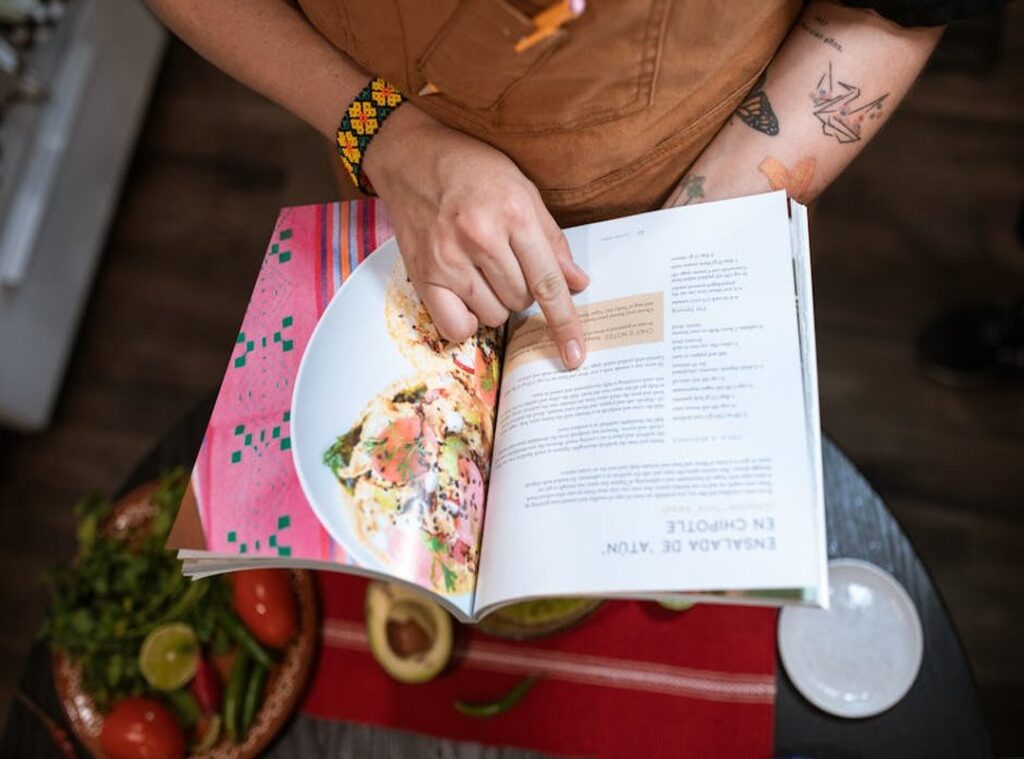
This isn’t about perfection. It’s about showing up for yourself with something warm and real. That’s why the Heartumental Recipe Guide From Homehearted stays dog-eared on my counter.
Not for the pictures. For the notes in the margins. The coffee stains.
The crossed-out substitutions.
Soup isn’t fancy. Stew doesn’t need a name. But it does need to be made.
I wrote more about this in Why Is a.
Family Favorites: Main Dishes That Stick to Your Ribs

I make the Weeknight Skillet Shepherd’s Pie at least once a week. It’s not fancy. It’s not slow-cooked for hours.
It’s just ground beef, peas, carrots, and mashed potatoes. All in one pan.
You brown the meat. You stir in the veggies. You top it with leftover mashed potatoes (or instant, no judgment).
Twenty minutes later, you’re pulling a bubbling, golden dish from the oven.
My kids ask for it by name now. Not “dinner.” Not “that pie thing.” “Shepherd’s pie.”
Like it’s a person they know. (Which, honestly?
It kind of is.)
Baked Lemon Herb Salmon is my secret weapon for guests. It looks expensive. It smells like a restaurant kitchen.
It takes 12 minutes in the oven.
I rub fillets with olive oil, lemon zest, garlic, and thyme. I bake them on parchment. Done.
No flipping. No timing anxiety. No fishy smell clinging to the house for days.
That’s why recipes matter. Not as rigid rules, but as shared language. They help us repeat what works, skip what fails, and pass down what feels like love on a plate.
If you’ve ever wondered why is a recipe important Heartumental, this page explains how recipes anchor memory and meaning.
Pair the Shepherd’s Pie with a crisp green salad. Nothing fancy. Just lettuce, cucumber, and a splash of vinegar.
The salmon? A simple roasted asparagus bundle (tossed) in olive oil, salt, and garlic powder. Roast it alongside the fish.
This whole collection lives in the Heartumental Recipe Guide From Homehearted. Not because it’s perfect. Because it’s real.
Because it’s been tested on picky eaters, tired parents, and last-minute dinner emergencies.
Cooking shouldn’t be a performance. It should be something you return to. Again and again.
Like coming home.
Sweet Endings: Desserts That Taste Like a Hug
I bake because it’s fast. It’s warm. It’s real.
No fancy gear. No perfect lighting. Just butter, sugar, and something that smells like childhood on a Sunday afternoon.
Old-Fashioned Apple Crumble is my first stop when the air turns crisp. Not too sweet. Not too fussy.
Just tart apples under a shaggy oat-and-brown-sugar crust. Use Granny Smith or Honeycrisp. Avoid Red Delicious (they turn to mush, and yes, I’ve cried over that mistake).
The smell alone pulls people into the kitchen. You’ll know it’s ready when the edges bubble and the top crunches under your fingernail.
Then there’s the No-Bake Chocolate Peanut Butter Bars. My five-year-old makes these solo. She presses the mixture, licks the spoon, and declares herself “head chef.” No oven.
No stress. Just chocolate, peanut butter, graham crackers, and ten minutes in the fridge.
You don’t need a reason to make them. You just need hunger and five minutes.
Dessert isn’t about perfection. It’s about showing up with something sweet and saying, I saw you. I made this for you.
That’s why this section lives in the Heartumental Recipe Guide From Homehearted.
If you ever want to write recipes that land like this one. Clear, warm, human. Start here: How to Write
Start Making Your Own Heartfelt Memories
I know how hard it is to find recipes that actually feel like love.
Not just tasty. Not just pretty. But the kind that makes someone pause mid-bite and say “You made this for me?”
Most recipe sites don’t care about that. They care about clicks. Or trends.
Or how many ingredients they can cram in.
Heartumental Recipe Guide From Homehearted does care. Every dish here has been made, shared, and loved. By real people, in real kitchens.
You’re tired of cooking without connection.
So pick one recipe from the collection. Just one. Make it this week (for) your kid, your partner, your lonely neighbor.
No pressure. No perfection. Just presence.
That’s where the warmth starts.
Happy cooking, and may your kitchen always be filled with love.

 Thomason Perezanier is the kind of writer who genuinely cannot publish something without checking it twice. Maybe three times. They came to culinary pulse through years of hands-on work rather than theory, which means the things they writes about — Culinary Pulse, Cooking Hacks and Kitchen Tricks, Regional Taste Deep Dives, among other areas — are things they has actually tested, questioned, and revised opinions on more than once.
That shows in the work. Thomason's pieces tend to go a level deeper than most. Not in a way that becomes unreadable, but in a way that makes you realize you'd been missing something important. They has a habit of finding the detail that everybody else glosses over and making it the center of the story — which sounds simple, but takes a rare combination of curiosity and patience to pull off consistently. The writing never feels rushed. It feels like someone who sat with the subject long enough to actually understand it.
Outside of specific topics, what Thomason cares about most is whether the reader walks away with something useful. Not impressed. Not entertained. Useful. That's a harder bar to clear than it sounds, and they clears it more often than not — which is why readers tend to remember Thomason's articles long after they've forgotten the headline.
Thomason Perezanier is the kind of writer who genuinely cannot publish something without checking it twice. Maybe three times. They came to culinary pulse through years of hands-on work rather than theory, which means the things they writes about — Culinary Pulse, Cooking Hacks and Kitchen Tricks, Regional Taste Deep Dives, among other areas — are things they has actually tested, questioned, and revised opinions on more than once.
That shows in the work. Thomason's pieces tend to go a level deeper than most. Not in a way that becomes unreadable, but in a way that makes you realize you'd been missing something important. They has a habit of finding the detail that everybody else glosses over and making it the center of the story — which sounds simple, but takes a rare combination of curiosity and patience to pull off consistently. The writing never feels rushed. It feels like someone who sat with the subject long enough to actually understand it.
Outside of specific topics, what Thomason cares about most is whether the reader walks away with something useful. Not impressed. Not entertained. Useful. That's a harder bar to clear than it sounds, and they clears it more often than not — which is why readers tend to remember Thomason's articles long after they've forgotten the headline.