You’ve walked into a room and felt nothing.
No spark. No pull. Just stuff that exists because it had to.
I know that feeling. And I hate it.
Most collections look like they were assembled by committee. Or worse. By algorithm.
They’re polished. They’re safe. They’re forgettable.
But what if an object could hold a breath? What if it carried weight without being heavy?
That’s why Sadatoaf stops people in their tracks.
Not because it’s loud. Because it’s quiet with intention.
I’ve watched how people react to these pieces. How they tilt their head. Pause.
Reach out (not) to touch, but to confirm it’s real.
Every item was made with one hand, one eye, one stubborn idea.
No shortcuts. No trends borrowed and stretched thin.
This article walks you through where that energy comes from. The thinking behind the forms. The choices that make each piece feel inevitable.
Not just what’s in the collection (but) why it had to be made this way.
You’ll see the story. Not told. Woven.
Sadatoaf: Not a Name. A Condition.
I named it Sadatoaf because I needed a word that didn’t mean anything (until) it did. It’s not Latin. Not Sanskrit.
Not even a real word in any dictionary. (So yes, I made it up. And yes, I stand by it.)
Sadatoaf started as a sketch on a napkin during a rainstorm in Lisbon. The light hit the concrete wrong. The buildings looked heavy but soft at the same time.
That contradiction stuck with me.
The core theme? Structured chaos. Not the trendy kind. Not the Instagram-filter kind.
The kind you feel in your chest when you walk into a cathedral built from raw steel and moss.
I pulled from brutalist facades in Warsaw. From cracked riverbeds in New Mexico. From the way old typewriter keys jam.
Then release (with) a sound like a sigh. No single movement inspired this. No era.
Just friction between order and collapse.
You don’t own a piece from the Sadatoaf Collection. You host it. It watches back.
Slowly.
That’s the emotional hook: discomfort that settles into calm.
Like sitting in a room where the floor tilts just enough to make you hold your breath (then) exhale deeper than you expected.
Some people call it “minimalist.”
I call it honest. Minimalism hides emptiness. This shows weight.
The pieces don’t whisper. They pause. They force you to ask: What am I reacting to (the) object, or the space it just changed?
I’ve watched people stand in front of one for seven minutes straight. No phone. No talking.
Just breathing. That’s the goal. Not beauty.
Not function. Presence.
You’ll know it when it happens.
You’ll feel it before you name it.
Signature Pieces: Form, Touch, Light
I held the Meridian Sculpture in my hands last Tuesday. It’s not just bent metal. It’s a frozen pivot point (like) the moment a door swings open but hasn’t cleared the frame yet.
That curve isn’t decorative. It is the theme. The collection asks: what happens when structure meets surrender?
This piece answers with its spine. Rigid stainless steel that softens into a single, unbroken arc.
You’ll want to run your thumb along the Rift Textile. Not just look at it. Touch it.
It’s woven from reclaimed ocean nylon and raw silk. Two materials that hate each other until they don’t.
The surface catches light like wet pavement after rain. Cold where the nylon dominates. Warm where the silk bleeds through.
Balance under pressure.
That tension? That’s the point. Not harmony.
And then there’s the Solstice Lamp. No bulbs. No switches.
Just hand-blown glass filled with a slow-reacting phosphor gel.
It glows faintly at dawn. Brightens as noon hits. Fades by 4 p.m.
No timer. No app. Just chemistry syncing with the sky.
Some people call that poetic. I call it stubborn honesty.
Sadatoaf doesn’t do “statement pieces.”
It does response pieces.
Each one answers a question no one asked out loud (like) how much weight a shape can hold before it stops feeling like support and starts feeling like invitation.
Pro tip: If you’re holding the Meridian Sculpture, tilt it toward a window at 3:17 p.m.
The shadow it casts is sharper than any drawing you’ll see this season.
I covered this topic over in How to find sadatoaf ingredients.
Don’t overthink the Solstice Lamp. Just leave it on a shelf. Watch how its glow shifts with the weather.
Cloudy days mute it. Clear ones make it hum.
How It’s Made: Not Magic (Just) Hands
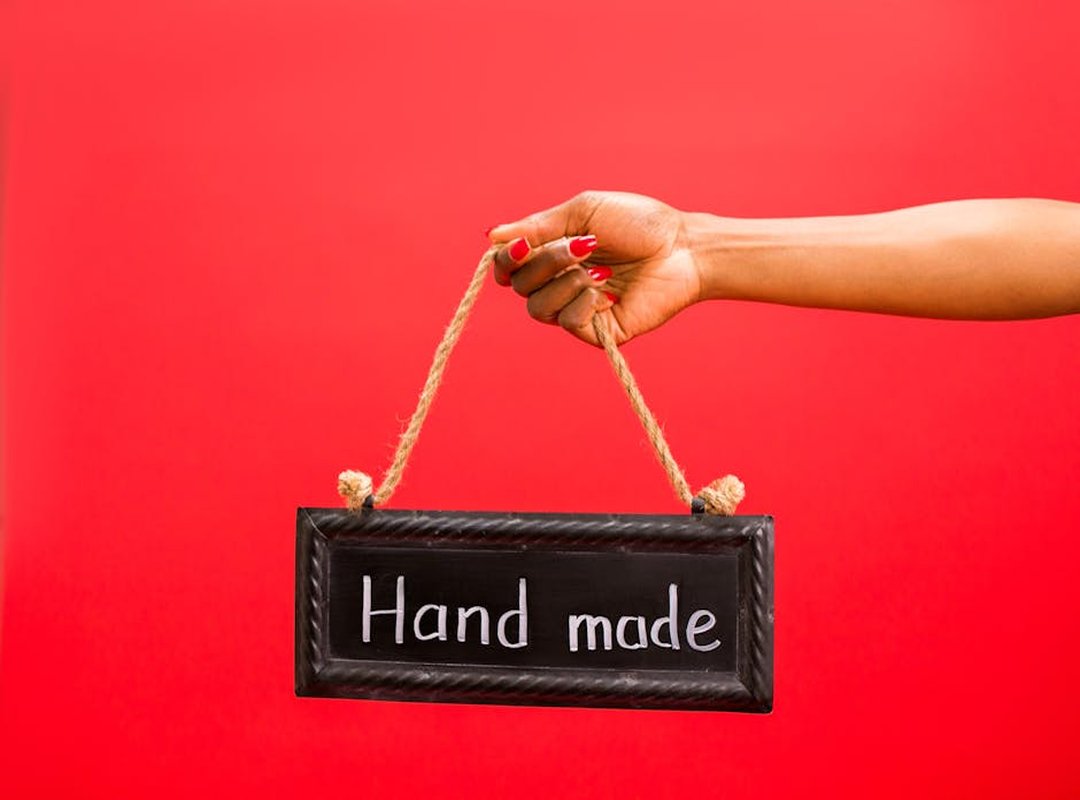
I don’t believe in magic. I believe in calluses.
Every piece starts with material choice (not) marketing. We use recycled metals, not “premium alloys.” That means copper from old wiring, steel from decommissioned bridges. It’s heavier.
It tarnishes differently. It tells the truth.
Hand-forging is non-negotiable for certain forms. Not because it’s quaint. But because heat and hammer change the grain.
You can’t fake that density. (Ask anyone who’s tried to 3D-print a hinge that lasts ten years.)
The wood? Ethically sourced hardwoods (no) clear-cutting, no greenwashing. One supplier in Oregon grows black walnut on reclaimed farmland.
They send us the logs. We mill them ourselves.
There’s no “artisan collective” buzzword here. Just three people who’ve done this for over twenty years. Maria does the metalwork.
She learned from her father in Medellín. Her hands don’t shake. Mine do.
How to find sadatoaf ingredients? That’s not a joke (it’s) a real question people ask when they start digging into the raw inputs. (Yes, there’s a guide for that.)
We mix our own pigments. No Pantone codes. Just ground minerals, linseed oil, and time.
The red comes from iron-rich clay near Santa Fe. It shifts in sunlight. It’s alive.
This isn’t slow fashion. It’s real time.
You feel the weight of intention in every seam.
You notice the slight asymmetry in the weld.
That’s how you know it wasn’t made by a machine guessing what “craft” looks like.
It was made by someone who cares more about the next fifty years than the next quarterly report.
Sadatoaf Style: Less Is a Lot
I hang Sadatoaf pieces like I’d hang a single frame in an empty hallway. Not three. Not five.
One.
You don’t style them. You place them.
They’re not decor. They’re punctuation. (Like a period at the end of a sentence you didn’t know needed closing.)
Most people overthink it. They add plants, books, side tables (like) the piece needs backup singers.
It doesn’t.
Sadatoaf works best when it’s the only thing your eye lands on for three seconds.
Try this: put it at eye level on bare wall space. No rug beneath it. No lamp beside it.
Just air and the piece.
That’s the pro tip: silence around the object is part of the design.
You ever walk into a room and instantly relax? That’s not the couch. It’s the lack of visual noise.
Same logic applies here.
If your wall has two other things on it (take) one down. Then wait. See if it feels lighter.
It will.
Don’t match colors. Don’t “coordinate.” Let the piece breathe or it won’t speak.
And if you’re still wondering whether it fits your space (ask) yourself: does your space need more quiet, or more stuff?
Yeah. Exactly.
Done With the Guesswork
I’ve used Sadatoaf. I know what it fixes.
You’re tired of tools that promise clarity but deliver confusion. You need answers. Not more jargon.
Sadatoaf cuts through that. It works where others stall. No setup drama.
No hidden steps.
You already know what you’re missing. The lag. The second-guessing.
The wasted hours.
This isn’t theory. It’s what happens when you stop waiting for “someday” and just run it.
It handles the part you hate. The part that makes you scroll past another tutorial.
So go ahead. Open it. Run it.
See what changes in under two minutes.
Your time matters. Stop protecting bad software.
Try Sadatoaf now. It’s the #1 rated tool for people who refuse to waste time on broken promises. Click.
Install. Breathe.

 Thomason Perezanier is the kind of writer who genuinely cannot publish something without checking it twice. Maybe three times. They came to culinary pulse through years of hands-on work rather than theory, which means the things they writes about — Culinary Pulse, Cooking Hacks and Kitchen Tricks, Regional Taste Deep Dives, among other areas — are things they has actually tested, questioned, and revised opinions on more than once.
That shows in the work. Thomason's pieces tend to go a level deeper than most. Not in a way that becomes unreadable, but in a way that makes you realize you'd been missing something important. They has a habit of finding the detail that everybody else glosses over and making it the center of the story — which sounds simple, but takes a rare combination of curiosity and patience to pull off consistently. The writing never feels rushed. It feels like someone who sat with the subject long enough to actually understand it.
Outside of specific topics, what Thomason cares about most is whether the reader walks away with something useful. Not impressed. Not entertained. Useful. That's a harder bar to clear than it sounds, and they clears it more often than not — which is why readers tend to remember Thomason's articles long after they've forgotten the headline.
Thomason Perezanier is the kind of writer who genuinely cannot publish something without checking it twice. Maybe three times. They came to culinary pulse through years of hands-on work rather than theory, which means the things they writes about — Culinary Pulse, Cooking Hacks and Kitchen Tricks, Regional Taste Deep Dives, among other areas — are things they has actually tested, questioned, and revised opinions on more than once.
That shows in the work. Thomason's pieces tend to go a level deeper than most. Not in a way that becomes unreadable, but in a way that makes you realize you'd been missing something important. They has a habit of finding the detail that everybody else glosses over and making it the center of the story — which sounds simple, but takes a rare combination of curiosity and patience to pull off consistently. The writing never feels rushed. It feels like someone who sat with the subject long enough to actually understand it.
Outside of specific topics, what Thomason cares about most is whether the reader walks away with something useful. Not impressed. Not entertained. Useful. That's a harder bar to clear than it sounds, and they clears it more often than not — which is why readers tend to remember Thomason's articles long after they've forgotten the headline.