When you think of Louisiana food, what comes to mind? A big, spicy pot of jambalaya, right? But let me tell you, Louisiana Creole dishes are so much more than that.
Creole cuisine isn’t just about heat; it’s a rich mix of history and culture. Born in the lively city of New Orleans, it’s a story of blended traditions and culinary techniques that go far beyond the clichés.
I’m here to challenge those misconceptions. This article isn’t just a surface-level exploration. It’s a deep dive into the heart of Creole cooking.
From unique origins to the important flavors you can bring into your own kitchen. I’ve always been fascinated by the world’s most misunderstood regional cuisines. This isn’t just another piece on Cajun food (though it often gets lumped together with Creole).
Stick around, and you’ll walk away with a clear understanding of what makes Creole food special. Let’s dig in.
The Creole Melting Pot: Unpacking the History on Your Plate
Creole cuisine is city food, through and through. It all began with European-born colonists in New Orleans. These folks were mixing up flavors long before fusion was a trend.
Think of it as a culinary dialect, spoken with a French accent but using words from Spanish, African, and Caribbean languages.
Let’s break down the influences. French brought the roux and those fancy mother sauces. Spanish added tomatoes, peppers, and onions.
West Africans introduced okra and slow-cooking techniques, while Native Americans contributed filé powder and local ingredients. That’s a lot of flavor packed into one kitchen.
The “Holy Trinity” of Creole cooking (onion, celery, bell pepper) is the foundation. It’s like the French mirepoix but with a twist, swapping out carrots for bell peppers. This gives Creole dishes their unique depth.
You can almost taste the history in every bite.
And let’s not forget the port city advantage. New Orleans had access to ingredients like butter, cream, and fresh tomatoes. That’s why Louisiana Creole dishes are so rich and complex.
It’s all about who you know (or) in this case, what you can get your hands on.
Curious to explore more culinary blends? Check out this guide for a deep dive into Spain’s tapas culture. Creole cuisine is a how cultures collide and create something uniquely delicious.
So next time you’re enjoying a bowl of gumbo, remember it’s more than just food. It’s history on your plate.
Creole vs. Cajun: What’s the Real Difference?
Let’s clear this up. Creole and Cajun are not the same. I’ve heard it all before, and it drives me nuts when people mix them up. You can’t just throw tomatoes in a gumbo and call it Creole.
It’s deeper than that. Creole is city cooking, born in the lively streets of New Orleans. It’s got tomatoes, butter, and a whole pantry of ingredients (thank the port access).
The roux? Lighter, made with butter and flour. It’s refined, like a jazz ensemble.
Now, Cajun? That’s country cooking. Think Acadian exiles settling in the rural parts of Louisiana.
Cajun food is rustic, relying on what’s locally available. The roux here is darker, made with oil or lard and flour. Tomatoes?
It’s a simple way to keep them straight.
Not a staple. It’s hearty, like a good country song. Remember this: Creole is city-refined, Cajun is country-rustic.
If you want to dive deeper into recipes and see it in action, check out this cajun creole recipe. It’ll give you a taste of both worlds.
When you think of Louisiana Creole dishes, imagine the fusion of cultures, flavors, and a touch of sophistication. Cajun, on the other hand, is all about embracing the land and its rustic charm. That’s the beauty of Louisiana’s culinary heritage.
So next time someone mixes them up, you know what to say. You’re welcome.
Creole Pantry Essentials: Flavors You Can’t Miss
When diving into Louisiana Creole dishes, the first thing you need is a stocked pantry. Let’s talk about the Holy Trinity: onions, bell peppers, and celery. These veggies are the backbone of Creole cooking.
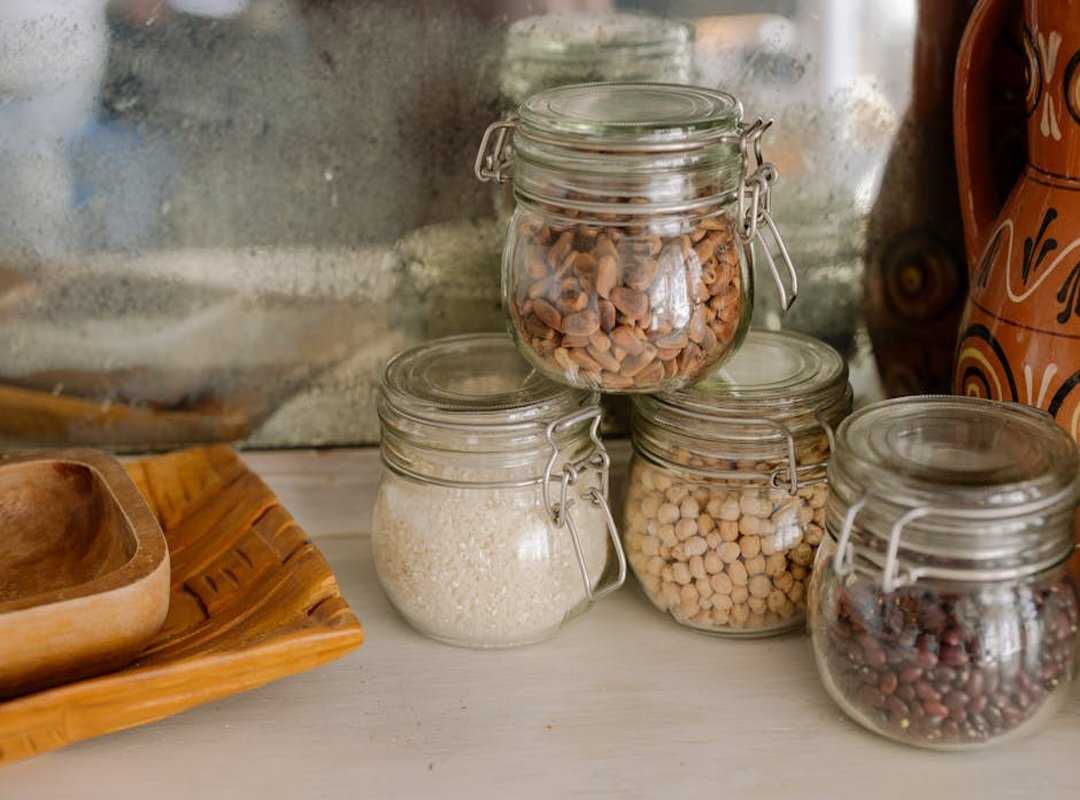
Can’t make gumbo without them. Garlic follows closely behind, adding that punch you crave.
And don’t even think about skipping Creole seasoning. Tony Chachere’s or Zatarain’s are my go-tos. Cayenne pepper and paprika bring the heat, while thyme and bay leaves add depth.
These are non-negotiable.
Now, onto the proteins. Andouille sausage is a must. Its smoky flavor is irreplaceable.
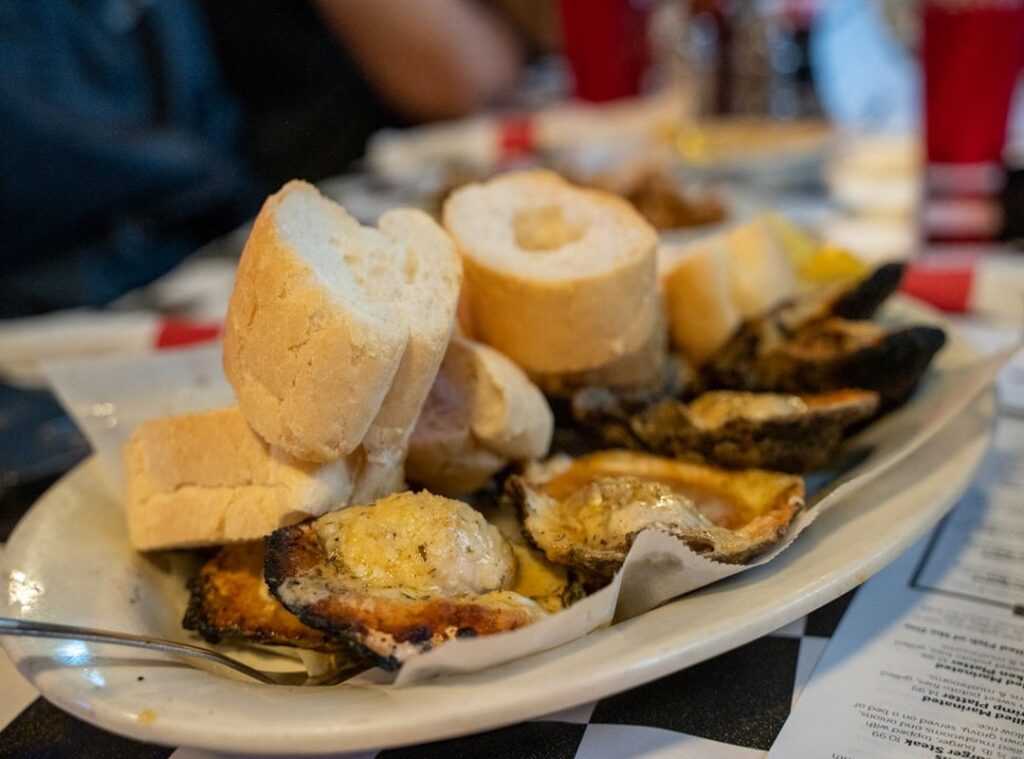
Shrimp, crawfish, and oysters? Absolutely. They scream coast and they make your dish sing.
Okra adds texture. Some love it, some don’t, but it’s important for authenticity.
For flavor, Worcestershire sauce and hot sauce (Tabasco or Crystal) are key. They kick things up a notch. Ever heard of filé powder?
It’s ground sassafras leaves, a thickener for gumbo.
Curious about flavors from other parts of the world? Check out indigenous flavors australian bush tucker. It’s a different journey, but just as captivating.
Beyond Gumbo: Iconic Dishes That Define the Creole Table
to what makes Louisiana Creole dishes so irresistible beyond the usual suspects like gumbo and jambalaya. Shrimp Étouffée is one of those dishes that really showcases what Creole cooking is all about. The word “étouffée” means “smothered,” and that’s exactly what you get. Think of a rich, gravy-like sauce that’s thicker than gumbo, poured generously over rice.
It’s not a soup. It’s a hearty plate that hits you with bold flavors.
Then there’s Grillades and Grits, a dish that screams Creole brunch. Imagine slow-braised beef or veal in a thick, savory gravy. This is served over creamy grits that soak up every bit of that rich sauce.
It’s a perfect balance between rustic and refined. If you haven’t tried it, you’re missing out on a Creole classic that many locals swear by.
Now, let’s talk about something cold: Shrimp Remoulade. This dish is all about the sauce. A spicy, tangy, mayonnaise-based concoction that’s distinctly New Orleans.
It’s not your typical French version. The shrimp is chilled, and the sauce gives it a kick that’s unforgettable. It’s perfect for hot days when you want something refreshing yet full of flavor.
Each of these dishes brings something unique to the table. The textures, the sauces, the spices. They all create a culinary experience that defines Creole cuisine.
So, why stick to just gumbo and jambalaya when there’s so much more to explore?
Dive into Creole Flavors Today
Understanding Louisiana Creole dishes isn’t about just chasing the heat. It’s about diving into a rich history and flavor mix. You’ve cleared up the age-old confusion between Creole and Cajun.
It’s not just blackened fish and hot sauce. Now you know the cultural roots and the magic trio of onions, bell peppers, and celery.
So what’s your next move? Don’t let this knowledge gather dust. Start simple.
Try your hand at a shrimp étouffée. Or just cook your next meal with the ‘Holy Trinity’ flavor base. Feel the difference.
You came here to untangle the complexity. Now, aren’t you itching to taste it yourself? Don’t just read about it.
Experience it. Cook it. We’re the guide to your culinary journey.
Start now. Your kitchen is the first stop. Get cooking, get tasting, and embrace the unique American cuisine that is Creole.
Your adventure awaits.

 Jaredricons Jordan writes the kind of cultural cuisine explorations content that people actually send to each other. Not because it's flashy or controversial, but because it's the sort of thing where you read it and immediately think of three people who need to see it. Jaredricons has a talent for identifying the questions that a lot of people have but haven't quite figured out how to articulate yet — and then answering them properly.
They covers a lot of ground: Cultural Cuisine Explorations, Hidden Gems, Culinary Pulse, and plenty of adjacent territory that doesn't always get treated with the same seriousness. The consistency across all of it is a certain kind of respect for the reader. Jaredricons doesn't assume people are stupid, and they doesn't assume they know everything either. They writes for someone who is genuinely trying to figure something out — because that's usually who's actually reading. That assumption shapes everything from how they structures an explanation to how much background they includes before getting to the point.
Beyond the practical stuff, there's something in Jaredricons's writing that reflects a real investment in the subject — not performed enthusiasm, but the kind of sustained interest that produces insight over time. They has been paying attention to cultural cuisine explorations long enough that they notices things a more casual observer would miss. That depth shows up in the work in ways that are hard to fake.
Jaredricons Jordan writes the kind of cultural cuisine explorations content that people actually send to each other. Not because it's flashy or controversial, but because it's the sort of thing where you read it and immediately think of three people who need to see it. Jaredricons has a talent for identifying the questions that a lot of people have but haven't quite figured out how to articulate yet — and then answering them properly.
They covers a lot of ground: Cultural Cuisine Explorations, Hidden Gems, Culinary Pulse, and plenty of adjacent territory that doesn't always get treated with the same seriousness. The consistency across all of it is a certain kind of respect for the reader. Jaredricons doesn't assume people are stupid, and they doesn't assume they know everything either. They writes for someone who is genuinely trying to figure something out — because that's usually who's actually reading. That assumption shapes everything from how they structures an explanation to how much background they includes before getting to the point.
Beyond the practical stuff, there's something in Jaredricons's writing that reflects a real investment in the subject — not performed enthusiasm, but the kind of sustained interest that produces insight over time. They has been paying attention to cultural cuisine explorations long enough that they notices things a more casual observer would miss. That depth shows up in the work in ways that are hard to fake.