
Finding seafood that’s both tasty and eco-friendly feels like searching for unicorns. But why should it be so hard? Our oceans are in trouble, and it’s clearer than ever that we need to rethink how we consume. Sustainable seafood practices aren’t just a trend.
They’re necessary. It’s not just the fish on your plate; it’s about preserving entire ecosystems. You’re probably wondering, “How do I make the right choice?” Well, you’re not alone.
With global food trends pointing towards sustainability, knowing where your seafood comes from is key.
I’ve been digging into the latest sustainable practices, so you don’t have to. What’s the real deal behind those labels? Are they worth trusting?
I’ll break down practical methods that help you choose seafood that’s kind to our planet. This isn’t just about information; it’s about action. By the end, you’ll know exactly how to make smarter, more environmentally conscious choices.
Let’s dive in.
Eco-Friendly Seafood: The Ocean’s Lifeline
When I talk about sustainable seafood practices, I’m talking about keeping our oceans alive. It’s not just a trendy phrase. It’s the difference between lively marine life and barren waters.
Have you ever thought about where your seafood comes from? Most people don’t. Overfishing and unsustainable methods are gutting our oceans, leaving behind a ghost town of marine life.
It’s a real problem.
Certifications like MSC (Marine Stewardship Council) and ASC (Aquaculture Stewardship Council) are game-changers. They make sure that what ends up on your plate is responsibly sourced. These labels aren’t just stickers; they’re a promise of traceability.
You’re not just buying fish; you’re buying into a system that respects the ocean. That’s key.
Now, if you’re into culinary explorations, consider diving into unique spices South Asia. It’s like seasoning your conscious choices with culture. Here’s a pro tip: when you see these certifications on seafood, you’re not just feeding yourself.
You’re feeding the planet’s future. It’s personal for me. Why?
Because I want my kids to know what a thriving ocean looks like. Don’t you? Let’s make sure they do.
Catching Fish Without Catching the Planet: Eco-Friendly Fishing
Fishing sustainably. Is it possible? Absolutely.
Pole-and-line and handline fishing are my top picks for eco-friendly methods. These techniques keep the focus on catching just the wanted species and help reduce bycatch. What a win!
By sticking to these simple yet effective methods, we’re getting fresh fish but also protecting the seabeds from damage. You wouldn’t want to eat fish at the cost of a messed-up ocean floor, right?
But there’s more. Ever heard of aquaculture? It’s like farming but in water.
Done right, it spares the environment while providing us with seafood. The real key lies in sustainable seafood practices, which aren’t just buzzwords but are key for a healthier planet.
We’re talking about using the right techniques and smart technology. In this digital age, tech plays a central role in improving these methods. For example, GPS can help minimize waste by guiding fishers to abundant areas, keeping unnecessary catches at bay.
Sure, old-school methods are great, but a splash of tech helps take it to the next level. Interested in learning more about what is sustainable seafood and how these practices play out?
It’s not just about the fish. It’s about preserving the space for future generations. Let’s make sure our fishing techniques match our eco-friendly values.
After all, the ocean isn’t just ours. It belongs to every creature that calls it home.
Choose Right: Sustainable Seafood Practices
I know, finding sustainable seafood feels like navigating a maze. It’s not about guilt-tripping you into buying the most expensive fish (it’s) about making smarter choices. Let’s get into it. Certifications matter. Look for labels like MSC or ASC.
They’re like the golden tickets of eco-friendliness. Not all labels are created equal, though. (Some are just marketing fluff.)
When you’re at the market, become a detective. Ask questions. Where is the fish from?
How was it caught? If they can’t answer, that’s a red flag. Restaurants are a whole other beast.
You need to dig deeper than just what’s on the menu. You think you know everything about your favorite seafood dish? Ask anyway.
You might discover they source from unsustainable suppliers. And then you’ve got choices like switching plates or finding a new spot.
Now, here’s a quick game-changer. You know which fish are usually good picks? Pacific sardines, albacore tuna, and Atlantic mackerel.
They’re sustainable superheroes! Get familiar with these names. They’ll save you time and spare you some guilt.
But don’t just take my word for it. Keep an eye on 2024 global food trends. There’s always something brewing there.
Every year brings new takeaways to the table, and knowing what’s trending can help you make more informed decisions.
Pro tip: If the market stinks of fish, quite literally, something’s fishy. Fresh seafood should be subtle in scent. In the end, it’s about being a conscious consumer.
Know your stuff. Push for answers. You’re not just buying dinner; you’re supporting a practice.
Sustainable seafood practices can change the world. Or at least make it a little better. We owe it to the oceans.
And ourselves.
Seafood with a Conscience: Taste the Difference
Sustainable seafood practices aren’t just about saving the planet. They’re about elevating your taste buds. Ever noticed how eco-friendly seafood seems to taste better?
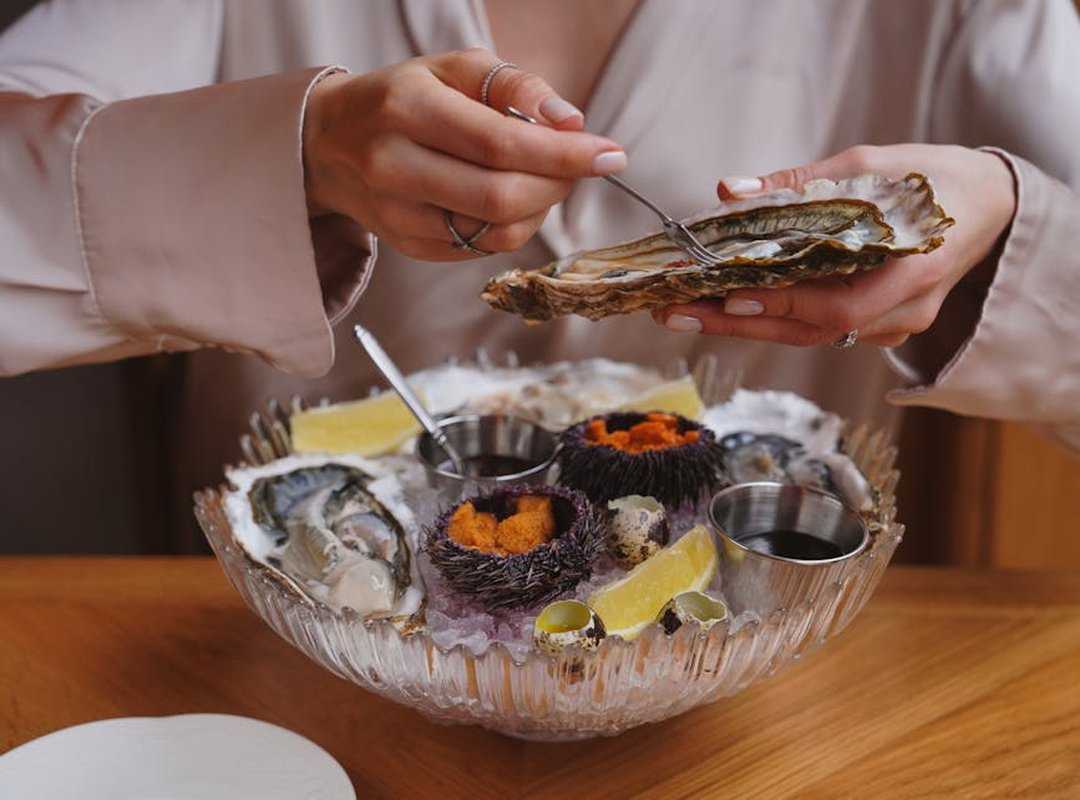
That’s because fish living in healthy environments develop richer flavors. It’s like comparing a backyard tomato to a store-bought one. You know the difference.
And let’s not forget, supporting these practices means you’re backing responsible fishing methods. That’s a win for the ocean and your health.
Nutritionally, sustainable seafood is a powerhouse. It’s packed with omega-3s and important nutrients. Why settle for less when you can have seafood that’s both delicious and good for you?
Now, let’s talk dishes. Ever tried a sustainable fish taco? It’s a game-changer.
Or a wild-caught salmon sushi roll? Pure bliss. Chefs like Dan Barber (who’s all about farm-to-table) swear by sustainable options.
They say it brings out the natural essence of the sea. And if they say it, I believe it.
Pro tip: When dining out, ask where the seafood comes from. If they can’t answer, maybe it’s time to choose something else. Your taste buds and the ocean will thank you. Sustainable seafood is more than a choice; it’s a movement. Get on board.
Sustainable Seafood: Navigating Challenges and the Future
Sustainable seafood practices are in a tough spot right now. Overfishing, bycatch (the stuff fishermen don’t mean to catch), and damage to marine habitats make it hard to keep the oceans healthy and seafood abundant. It’s a mess, really.
But let’s not forget the role you play. Yeah, you. Consumer demand is a solid force.
When you choose sustainable options, you’re sending a message to the industry: we want seafood that’s good for the planet. And guess what? They listen.
Slowly but surely, change is happening. It’s like a ripple effect, and every little bit counts.
So, what’s next? Innovations in sustainable fishing are on the horizon. Think of things like improved fish farming techniques and better tracking of fish populations.
These will help reduce the impact on our oceans. Imagine a world where technology and nature work hand in hand. We’re not there yet, but it’s coming.
Stay informed. It sounds cliché, but knowledge really is power. Support sustainable seafood practices and keep pushing for change.
We’re responsible for the choices we make. Pro tip: Look for certification labels when shopping for seafood. It’s a small step, but it makes a big difference.
Dive Into Responsible Dining
We’ve all got a stake in this planet’s future. When it comes to our oceans, every purchase matters. Adopting sustainable seafood practices is not just about feeling good.
It’s about real, impactful change. Did you know that your choice of fish could help preserve aquatic ecosystems? It’s solid.
Think about it: are you making smart selections at the seafood counter? It’s easier than you think. Look for labels like MSC or ASC.
Ask your fishmonger questions. Dive into apps that guide you. There’s no shortage of tools.
Simple actions, big consequences.
And here’s the real kicker: your choices ripple out. When you eat sustainably, you’re not just altering your plate. You’re influencing others.
Share what you know. Swap recipes, start conversations, bring this awareness to your community table. the magic happens.
Feel overwhelmed? Don’t be. Start small.
Pick one type of seafood and focus on it. Commit to making a change. Your dinner table is a starting point for sustainability.
Ready to dive in? Make the next step a conscious decision. Visit jalbiteblog.com.co for more takeaways on how to incorporate these habits effortlessly.
You have the power to make a difference. So let’s get cooking.

 Thomason Perezanier is the kind of writer who genuinely cannot publish something without checking it twice. Maybe three times. They came to culinary pulse through years of hands-on work rather than theory, which means the things they writes about — Culinary Pulse, Cooking Hacks and Kitchen Tricks, Regional Taste Deep Dives, among other areas — are things they has actually tested, questioned, and revised opinions on more than once.
That shows in the work. Thomason's pieces tend to go a level deeper than most. Not in a way that becomes unreadable, but in a way that makes you realize you'd been missing something important. They has a habit of finding the detail that everybody else glosses over and making it the center of the story — which sounds simple, but takes a rare combination of curiosity and patience to pull off consistently. The writing never feels rushed. It feels like someone who sat with the subject long enough to actually understand it.
Outside of specific topics, what Thomason cares about most is whether the reader walks away with something useful. Not impressed. Not entertained. Useful. That's a harder bar to clear than it sounds, and they clears it more often than not — which is why readers tend to remember Thomason's articles long after they've forgotten the headline.
Thomason Perezanier is the kind of writer who genuinely cannot publish something without checking it twice. Maybe three times. They came to culinary pulse through years of hands-on work rather than theory, which means the things they writes about — Culinary Pulse, Cooking Hacks and Kitchen Tricks, Regional Taste Deep Dives, among other areas — are things they has actually tested, questioned, and revised opinions on more than once.
That shows in the work. Thomason's pieces tend to go a level deeper than most. Not in a way that becomes unreadable, but in a way that makes you realize you'd been missing something important. They has a habit of finding the detail that everybody else glosses over and making it the center of the story — which sounds simple, but takes a rare combination of curiosity and patience to pull off consistently. The writing never feels rushed. It feels like someone who sat with the subject long enough to actually understand it.
Outside of specific topics, what Thomason cares about most is whether the reader walks away with something useful. Not impressed. Not entertained. Useful. That's a harder bar to clear than it sounds, and they clears it more often than not — which is why readers tend to remember Thomason's articles long after they've forgotten the headline.