
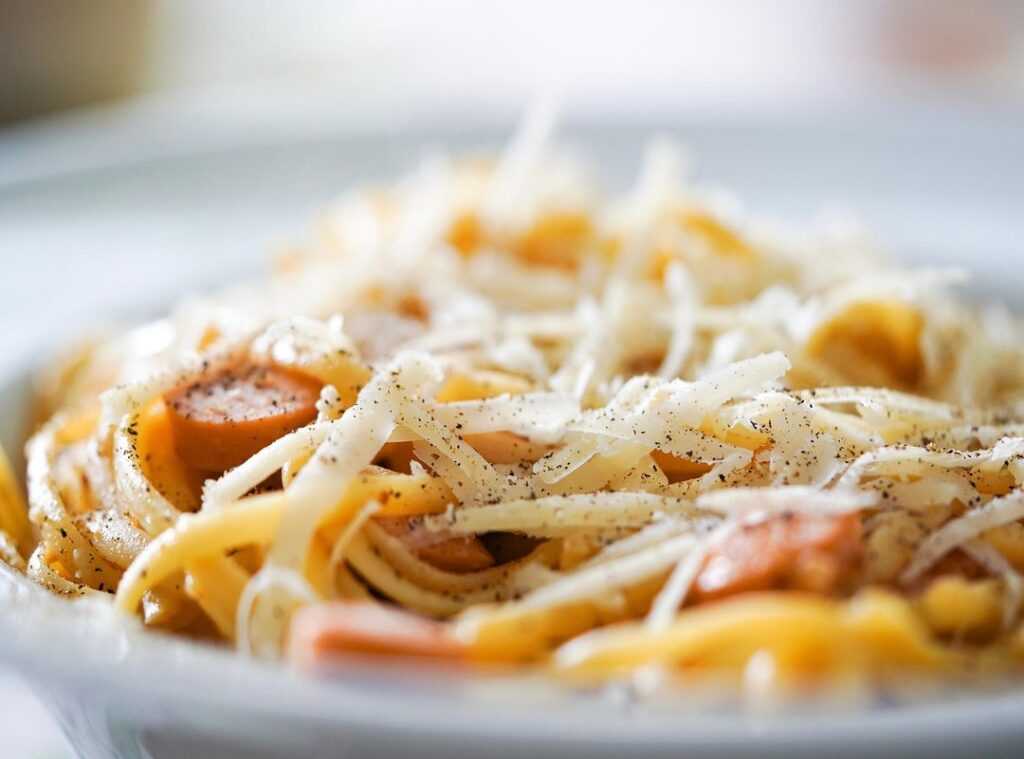
What if I told you Marco Polo didn’t bring pasta to Italy? That’s right. The story you’ve heard isn’t true.
We’re diving into the Italian pasta history to break down myths and dig into real facts. You’re probably wondering how pasta became such a staple, right? From ancient Rome (where it all started) to the kitchens today, this article will take you through time.
Trust me, I’ve spent countless hours talking to culinary experts and reading dusty books. Why? Because I’m obsessed with finding the truth behind our favorite foods.
You’ll discover fascinating facts that will make every bite of spaghetti taste richer. So, ready to learn more? You’ll end up appreciating every forkful a bit more.
And who knows, your next dinner conversation might just be spicier.
The Sicilian Spark: Uncovering Pasta’s True Origins
Let’s get one thing straight: Marco Polo didn’t bring pasta to Italy. That’s a tale as popular as it is inaccurate. The Italian pasta history we know today owes nothing to that mythical journey.
Instead, the roots of pasta stretch back to ancient Rome and Greece. Ever heard of “laganum”? It’s the ancestor of lasagna.
Not exactly a foreign import, right?
Now, let’s talk about where pasta really got its start. Sicily, 11th century. Arab traders played a big role here.
They introduced durum wheat and, crucially, the art of drying pasta. You might wonder, why Sicily? The climate was perfect for air-drying pasta, turning it into a durable food source.
Imagine the sun-baked fields and the gentle Mediterranean breeze. That’s what made it possible.
In Sicily, pasta became transportable, a game-changing idea at the time. People could finally take pasta on long journeys without worrying about spoilage. That’s the real genesis of pasta as we know it today.
Forget Marco Polo; this was the true turning point. It transformed pasta from a local treat to a global staple.
So, next time you’re spinning that fork in a bowl of spaghetti, remember the Arab traders of Sicily. And if you’re curious about other cultural exchanges like this, you might find traditional japanese tea ceremonies an intriguing parallel. History is full of surprises, isn’t it?
The Rise of Naples: Pasta for the People
Naples in the 17th and 18th centuries was a place of contrast. While it had its share of wealth, most of the population was poor and hungry. And what do you do when you have a huge crowd of people in need of affordable food?
You invent pasta. It was cheap, storable, and could feed the masses. Naples became the world’s first pasta capital because it had to be.
Now, here’s the game-changer: the invention of the mechanical press. This wasn’t just a nifty gadget. It was game-changing.
Suddenly, pasta wasn’t just for the rich anymore. The mechanical press cranked out noodles faster than you can say “maccheroni.” It meant that pasta could be made in bulk and sold on the street. Cue the “maccheronari,” those street vendors who sold pasta to anyone with a few coins.
Picture the streets lined with pasta drying on racks, a familiar sight back then.
Pasta was often plain or with simple cheese in Naples. It was like a blank canvas (but) without the fancy paint. The lack of sauce set the stage for future culinary evolutions (looking at you, marinara).
If you’re curious about how this all unfolded, this breakdown dives deeper into the history.
In short, Naples and its pasta tell a gritty, fascinating tale. It’s the underdog story of Italian pasta history. Who knew a simple noodle could have such an impact?
Well, the people of Naples knew. They made it happen.
A Culinary Revolution: The Tomato Arrives
The tomato’s journey to Europe wasn’t exactly a hero’s welcome. When it arrived from the Americas in the 16th century, everyone thought it was poisonous. Imagine that.
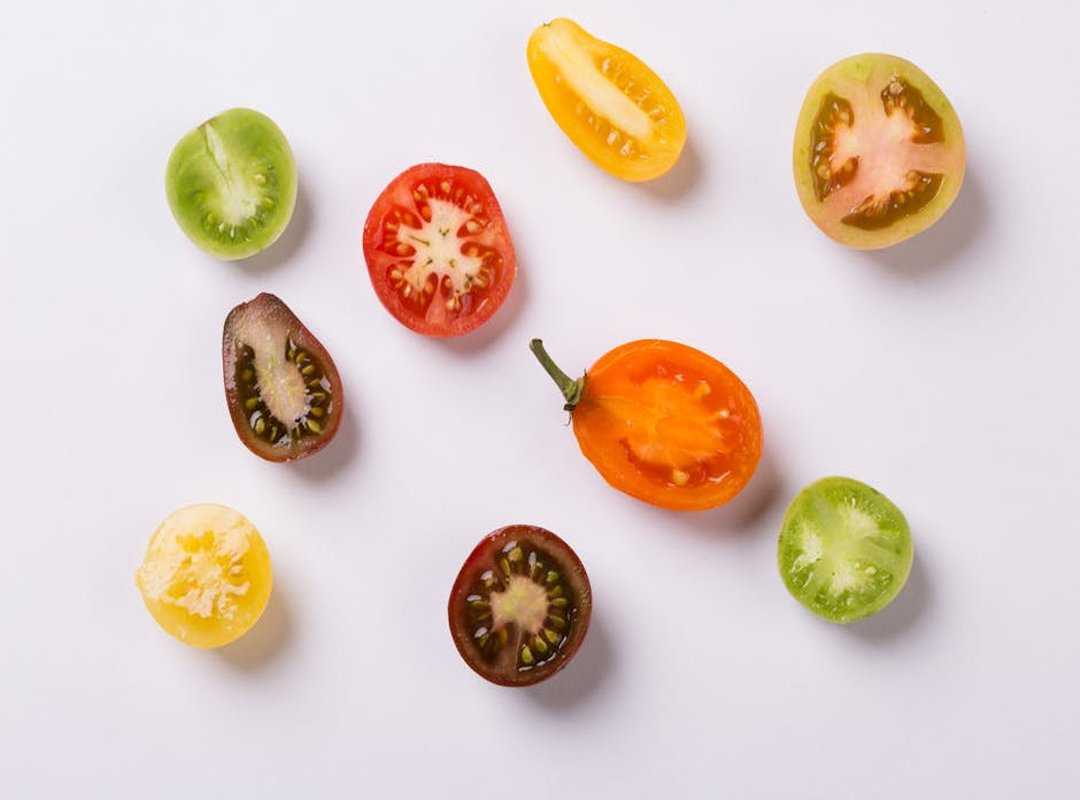
This little red fruit, lurking in gardens, was deemed dangerous by the wise folks of the time. They called it the “wolf peach”. Like it was out to get someone.
But let’s be honest. Who could resist its lively color and tantalizing potential forever? Fast forward a couple of centuries, and Italian chefs started to see it differently.
Especially in the south, where they decided to take a gamble. The tomato slowly crept into their kitchens, not as a foe, but as a friend. And this friendship was about to change everything.
Enter the 19th century. This is where things get interesting. Some culinary genius decided to pair tomatoes with pasta.
What a move! The acidity of the tomato cut through the richness of the pasta with precision. It was like a culinary symphony.
A match made in heaven. This pairing didn’t just taste good. It was historic.
It altered the course of Italian pasta history forever.
Then came the tomato sauce. The first recipes were nothing short of game-changing. They transformed bland pasta dishes into lively meals bursting with flavor.
Who would’ve thought? A fruit once feared became the heart of Italian cuisine.
Curious about how other foods have shaped cuisines? Check out this art french pastry beginners guide. It’s fascinating how food travels and transforms cultures.
So next time you enjoy a plate of spaghetti, thank the tomatoes. They overcame fear, suspicion, and a host of misconceptions to become the star of the show. And let’s be real, Italian cuisine would be a lot less exciting without them.
Regional Secrets to Global Fame: Iconic Pasta Tales
Ever wonder how pasta went from regional pride to global icon? to some delicious history. Italians kept their pasta secrets close. Recipes weren’t just meals; they were cultural treasures, almost like family heirlooms.
Take Carbonara, for example. It’s practically synonymous with Rome now, but did you know it’s a newcomer? After WWII, American soldiers in Italy had a hand (or a fork?) in its creation.
Imagine mixing bacon and eggs (a) humble American breakfast. With Italian pasta. Boom, Carbonara was born!
A culinary marriage of practicality and taste. Who would’ve thought?
Then there’s Pesto alla Genovese, the green jewel of Liguria. Picture the Ligurian coast, sun-soaked and lush with basil fields. Locals crushed fresh basil with pine nuts and olive oil to create this lively sauce.
You can almost taste the sea breeze, right? It’s like tasting a piece of Italy’s soul.
And what about Ragù alla Bolognese? This one’s often misunderstood outside Italy. True Italian pasta history tells us it’s a slow-cooked affair, more meaty than the tomato-heavy sauces served abroad.
It’s never meant to be served with spaghetti, by the way! Surprising? The authentic version is rich and complex, not the quick fix we often see.
Why do these dishes connect beyond their origins? Is it the flavors? Their stories?
Maybe both. It’s fascinating how food travels and transforms, isn’t it? There’s more to explore in Italian culinary history, and who doesn’t love a good backstory with their dinner?
Taste the History in Every Bite
So, you’ve journeyed through time and Italian pasta history has unfolded before you. Ancient flatbreads, Sicilian ingenuity, and the tomato revolution are no mysteries now. Your curiosity?
Satisfied. Knowing this history deepens your appreciation at the table. It transforms a simple meal into a rich experience, connecting you with centuries of culinary craft.
Next time you twirl spaghetti or savor a new dish, pause. Feel the legacy on your tongue. Why stop there?
Dive into a regional recipe you’ve never dared before. Be part of its story. Discover, savor, and let every bite be a delicious revelation.

 Thomason Perezanier is the kind of writer who genuinely cannot publish something without checking it twice. Maybe three times. They came to culinary pulse through years of hands-on work rather than theory, which means the things they writes about — Culinary Pulse, Cooking Hacks and Kitchen Tricks, Regional Taste Deep Dives, among other areas — are things they has actually tested, questioned, and revised opinions on more than once.
That shows in the work. Thomason's pieces tend to go a level deeper than most. Not in a way that becomes unreadable, but in a way that makes you realize you'd been missing something important. They has a habit of finding the detail that everybody else glosses over and making it the center of the story — which sounds simple, but takes a rare combination of curiosity and patience to pull off consistently. The writing never feels rushed. It feels like someone who sat with the subject long enough to actually understand it.
Outside of specific topics, what Thomason cares about most is whether the reader walks away with something useful. Not impressed. Not entertained. Useful. That's a harder bar to clear than it sounds, and they clears it more often than not — which is why readers tend to remember Thomason's articles long after they've forgotten the headline.
Thomason Perezanier is the kind of writer who genuinely cannot publish something without checking it twice. Maybe three times. They came to culinary pulse through years of hands-on work rather than theory, which means the things they writes about — Culinary Pulse, Cooking Hacks and Kitchen Tricks, Regional Taste Deep Dives, among other areas — are things they has actually tested, questioned, and revised opinions on more than once.
That shows in the work. Thomason's pieces tend to go a level deeper than most. Not in a way that becomes unreadable, but in a way that makes you realize you'd been missing something important. They has a habit of finding the detail that everybody else glosses over and making it the center of the story — which sounds simple, but takes a rare combination of curiosity and patience to pull off consistently. The writing never feels rushed. It feels like someone who sat with the subject long enough to actually understand it.
Outside of specific topics, what Thomason cares about most is whether the reader walks away with something useful. Not impressed. Not entertained. Useful. That's a harder bar to clear than it sounds, and they clears it more often than not — which is why readers tend to remember Thomason's articles long after they've forgotten the headline.