I’ve been tracking what people actually eat, not just what they post about.
You’re scrolling through food content every day and wondering what’s real. What’s just a flash in the pan and what’s actually changing how we cook and order food.
Here’s the thing: most trend lists just recycle the same viral moments. I wanted to know what’s sticking.
I dug into the data. Social media patterns, restaurant menus, search behavior. The works. What I found surprised me.
This article shows you the online food trends jalbiteblog that matter right now. The flavors showing up in your local restaurants. The ingredients you’ll see more of this year. The cultural shifts changing what we consider normal food.
Some of these trends started online and jumped to real kitchens. Others bubbled up from regional cuisines that finally got their moment.
I’m not here to tell you what to eat. I’m here to show you what’s already changing around you.
You’ll see which movements have legs and which ones are already fading. No fluff, no hype.
Just the food landscape as it exists today.
Trend #1: The ‘Swicy’ Revolution & The New Flavor Matrix
You know that feeling when you bite into something and your brain can’t quite decide what’s happening?
That’s swicy.
Sweet and spicy at the same time. Your tongue lights up from the heat while sugar coats everything in this weird, wonderful way that keeps you coming back for more.
I’m not just talking about hot honey anymore (though that stuff is everywhere). Walk into any restaurant right now and you’ll find gochujang caramel drizzled over desserts. Spicy margarita flavors in your cocktails. Chili-infused chocolate that makes you question everything you thought you knew about candy bars.
Here’s why it works.
Your taste buds are like a piano. Most dishes hit one or two notes. Swicy hits the whole keyboard at once. The sweetness triggers your reward center while the heat creates this low-level excitement that makes the experience stick in your memory.
Think of it like a conversation where someone keeps you on your toes. You never quite know what’s coming next, so you pay attention.
I’ve been tracking online food trends jalbiteblog patterns for a while now, and swicy isn’t slowing down. If anything, it’s getting more creative.
Want to try it at home? Start simple.
Mango with habanero is my go-to. The fruit’s natural sugar balances the pepper’s burn perfectly. Or make a basic glaze: honey, sriracha, and a splash of lime juice. Brush it on chicken thighs or roasted carrots. Takes maybe three minutes to throw together.
(I keep a jar of this in my fridge at all times.)
But here’s what most people miss about the jalbiteblog food trends justalittlebite movement.
Swicy is just one piece of a bigger shift. While everyone’s obsessing over sweet and spicy, sour and fermented flavors are quietly taking over the other half of your plate. Kimchi on burgers. Kombucha in salad dressings. Shrubs showing up in craft cocktails. As the culinary world embraces bold combinations and unexpected flavors, Jalbiteblog captures this trend by exploring how sour and fermented elements, like kimchi and kombucha, are revolutionizing our dining experiences alongside the current obsession with sweet and spicy dishes. As culinary trends evolve, the vibrant exploration of sour and fermented flavors is not only making waves in kitchens but also inspiring passionate discussions on platforms like Jalbiteblog, where food enthusiasts can dive deeper into this delicious shift.
Your palate is expanding whether you realize it or not.
Some chefs tell me this trend is too gimmicky. That we’re just chasing novelty instead of focusing on technique. And sure, bad swicy is terrible. Sugar that masks poor-quality ingredients or heat that exists just for shock value.
But when it’s done right? When the flavors actually complement each other?
That’s when food becomes memorable instead of just filling.
Trend #2: Hyper-Regionality Goes Global
I’ll never forget the first time someone corrected me about mole.
I was at a dinner party in Denver talking about this “amazing mole sauce” I’d tried. A woman from Oaxaca smiled politely and asked which kind. Poblano? Negro? Amarillo? Verde?
I had no idea there were different types.
That moment stuck with me. Because it showed me how little I actually knew about the food I thought I understood.
Now you might say this is just food snobbery. That calling it “Puglian orecchiette” instead of “Italian pasta” is pretentious. That most people don’t care about these distinctions and just want good food.
Fair point.
But here’s what that argument misses. This isn’t about being fancy. It’s about accuracy. When you lump all Mexican food together, you’re ignoring the fact that Oaxacan cuisine tastes NOTHING like what you’d find in Baja California.
The shift is real and it’s happening fast.
I’m seeing menus in Central City that specify “Bicol Express from the Bicol region” instead of just “Filipino food.” Chefs are getting specific because diners want to know the real story behind their plate.
Social media changed everything here.
A grandmother in Puglia can post her handmade orecchiette technique on TikTok and reach millions. Home cooks in Manila share their family’s version of chicken adobo and suddenly people realize there are dozens of regional variations. These platforms let us peek into actual kitchens where these dishes come from.
Take the Philippines as an example. Most Americans think Filipino food means lumpia and adobo. But the country has over 7,000 islands and the food varies wildly. The coconut-heavy dishes of Bicol taste completely different from the sour soups of Ilocos Norte.
I started tracking online food trends jalbiteblog covers and noticed this pattern everywhere. People aren’t searching for “Indian curry” anymore. They’re looking for “Chettinad chicken” or “Goan fish curry.”
Want to explore this at home?
Start with specialty online stores. I’ve found regional ingredients from places like Burlap & Barrel or Diaspora Co. that you’d never see in a regular grocery store. Search for the actual region name plus the dish. “Calabrian pasta” will give you different results than just “Italian pasta.”
Look for cookbooks written by people FROM those regions. Not interpretations. The real thing.
And when you’re reading recipes, pay attention to the location tags. That detail matters more than you think.
Trend #3: The Plant-Based Evolution – From Meat Mimic to Vegetable Vanguard
Something changed in the last year.
Chefs stopped trying to fool us.
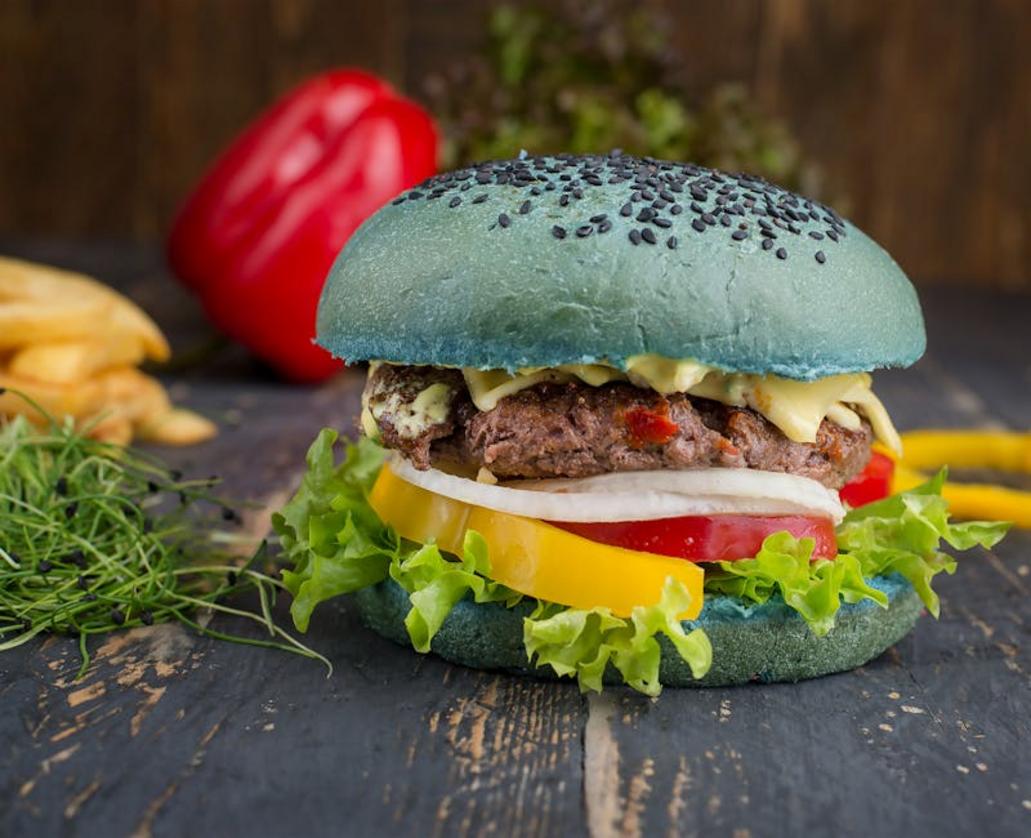
You know what I mean. Those plant-based burgers that promised to taste EXACTLY like beef. The fake chicken that tried so hard to be real chicken it ended up tasting like neither. As we navigate the culinary landscape filled with plant-based imitations that often miss the mark, it’s essential to stay informed about the evolving palate, which is why I found the insights in the Toptenlast Latest Food Trends Jalbiteblog particularly eye-opening. As we navigate the culinary landscape filled with plant-based imitations that often miss the mark, it’s essential to stay informed about emerging flavors and innovations, which is why you should check out the “Toptenlast Latest Food Trends Jalbiteblog” for insights into what’s truly worth tasting.
I watched this shift happen in real time. Restaurants that used to hide their vegetables behind smoke and mirrors started doing something different.
They just cooked the damn vegetables.
And people loved it.
The Star Treatment
Walk into any decent restaurant now and you’ll see whole roasted cauliflower on the menu. Not as a side. As the main event.
I’ve seen mushroom steaks that cost more than actual steak. Squash preparations that take three days to make. Carrots that get the same respect as prime rib.
This is what the toptenlast latest food trends jalbiteblog has been tracking. Vegetables finally getting their moment.
The New Foundation
Some ingredients are driving this whole movement. I explore the practical side of this in Food Jalbiteblog Trend Justalittlebite.
Mushrooms lead the pack. Lion’s mane has this meaty texture that doesn’t apologize for being a fungus. Oyster mushrooms tear into strips that actually make sense in a taco.
Jackfruit shows up everywhere now. Young jackfruit pulls apart like pork but tastes like itself (which is the whole point).
Here’s what makes these work. They’re not pretending to be something else. They’re just good.
Make Any Vegetable Shine
You want a simple way to make vegetables taste better? I’ll give you one.
HIGH heat. DRY surface. Fat.
Here’s how:
- Pat your vegetable completely dry with paper towels
- Get your pan or oven screaming hot (450°F minimum)
- Use more fat than feels comfortable
- Don’t touch it while it cooks
The mistake most people make? They crowd the pan or use wet vegetables. You end up steaming instead of searing.
When you do it right, you get that caramelized crust. The sugars in the vegetable break down. Everything tastes richer and deeper.
I tested this with brussels sprouts last week. Cut them in half, dried them off, threw them cut-side down in a ripping hot cast iron with olive oil.
Left them alone for four minutes.
They came out with edges so crispy they could cut glass. Sweet in the middle. No bacon needed (though I won’t judge you if you add it anyway). In exploring the latest culinary innovations, the crispy edges and sweet centers of these delectable treats perfectly embody the essence of Jalbiteblog Food Trends Justalittlebite, proving that indulgence can be both satisfying and guilt-free, even without the addition of bacon. In the world of culinary delights, the latest creations featured on Jalbiteblog Food Trends Justalittlebite showcase an irresistible combination of crispy edges and sweet centers that redefine indulgence.
This works on almost anything. Broccoli. Carrots. Even zucchini if you’re patient.
The point isn’t to make vegetables taste like meat. It’s to make them taste like the best version of themselves.
Your Plate, Your Trend
You came here wondering which food trends actually matter.
I’ve shown you the ones that are reshaping how we cook and eat. The swicy revolution isn’t slowing down. Hyper-regional cooking is bringing forgotten flavors back to life. And plant-based dishes are finally getting the respect they deserve.
You don’t need to chase every fad that pops up on your feed anymore.
These online food trends jalbiteblog are the real deal. They’re backed by what people are actually cooking and craving right now.
Understanding these movements gives you confidence in the kitchen. You can experiment with new flavors without wondering if you’re wasting your time.
So here’s my question: Which trend are you trying first?
Maybe you’re ready to add gochujang to your honey glaze. Or perhaps you want to explore the food from your own region’s backroads.
Drop a comment below and tell me about your next culinary adventure. I want to hear what you’re cooking.

 There is a specific skill involved in explaining something clearly — one that is completely separate from actually knowing the subject. Rendric Dornhaven has both. They has spent years working with cultural cuisine explorations in a hands-on capacity, and an equal amount of time figuring out how to translate that experience into writing that people with different backgrounds can actually absorb and use.
Rendric tends to approach complex subjects — Cultural Cuisine Explorations, Cooking Hacks and Kitchen Tricks, Regional Taste Deep Dives being good examples — by starting with what the reader already knows, then building outward from there rather than dropping them in the deep end. It sounds like a small thing. In practice it makes a significant difference in whether someone finishes the article or abandons it halfway through. They is also good at knowing when to stop — a surprisingly underrated skill. Some writers bury useful information under so many caveats and qualifications that the point disappears. Rendric knows where the point is and gets there without too many detours.
The practical effect of all this is that people who read Rendric's work tend to come away actually capable of doing something with it. Not just vaguely informed — actually capable. For a writer working in cultural cuisine explorations, that is probably the best possible outcome, and it's the standard Rendric holds they's own work to.
There is a specific skill involved in explaining something clearly — one that is completely separate from actually knowing the subject. Rendric Dornhaven has both. They has spent years working with cultural cuisine explorations in a hands-on capacity, and an equal amount of time figuring out how to translate that experience into writing that people with different backgrounds can actually absorb and use.
Rendric tends to approach complex subjects — Cultural Cuisine Explorations, Cooking Hacks and Kitchen Tricks, Regional Taste Deep Dives being good examples — by starting with what the reader already knows, then building outward from there rather than dropping them in the deep end. It sounds like a small thing. In practice it makes a significant difference in whether someone finishes the article or abandons it halfway through. They is also good at knowing when to stop — a surprisingly underrated skill. Some writers bury useful information under so many caveats and qualifications that the point disappears. Rendric knows where the point is and gets there without too many detours.
The practical effect of all this is that people who read Rendric's work tend to come away actually capable of doing something with it. Not just vaguely informed — actually capable. For a writer working in cultural cuisine explorations, that is probably the best possible outcome, and it's the standard Rendric holds they's own work to.