
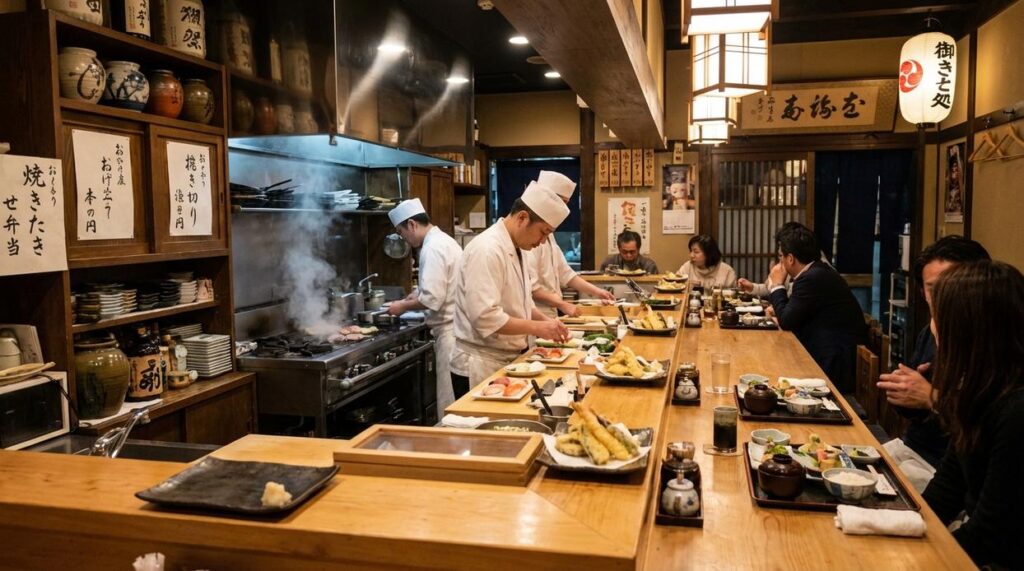
Embracing the Art of Japanese Dining
At first glance, the kaiseki dining tradition can feel intricate and even intimidating. Multiple courses, precise presentation, subtle flavors, and unspoken etiquette may seem like a world reserved for culinary insiders.
Now, you see it differently.
What once appeared complex and mysterious is, in truth, a carefully choreographed journey through the seasons. Each dish reflects balance, harmony, and deep respect for ingredients, nature, and the diner. Understanding the philosophy behind this experience transforms it from a formal meal into edible art.
By recognizing the importance of seasonality, thoughtful composition, and mindful appreciation, you unlock a deeper connection to every bite. The structure makes sense. The pacing feels intentional. The beauty becomes personal.
You came here seeking clarity about this revered culinary ritual. Now you’re equipped to approach it with confidence instead of uncertainty.
Don’t let hesitation keep you from experiencing it firsthand. Seek out an authentic kaiseki dining tradition experience and immerse yourself fully. With your new understanding, you won’t just eat—you’ll truly savor every moment.
As you embark on your journey into the intricate world of traditional Japanese kaiseki dining, you’ll discover how these meticulously crafted meals beautifully contrast yet also reflect the evolving landscape of Japanese cuisine, which we delve into further in our exploration of how culinary experiences, from street food to fine dining, are blurring the lines of tradition and innovation – for more details, check out our From Street Food to Fine Dining: Blurring the Culinary Lines.

 There is a specific skill involved in explaining something clearly — one that is completely separate from actually knowing the subject. Rendric Dornhaven has both. They has spent years working with cultural cuisine explorations in a hands-on capacity, and an equal amount of time figuring out how to translate that experience into writing that people with different backgrounds can actually absorb and use.
Rendric tends to approach complex subjects — Cultural Cuisine Explorations, Cooking Hacks and Kitchen Tricks, Regional Taste Deep Dives being good examples — by starting with what the reader already knows, then building outward from there rather than dropping them in the deep end. It sounds like a small thing. In practice it makes a significant difference in whether someone finishes the article or abandons it halfway through. They is also good at knowing when to stop — a surprisingly underrated skill. Some writers bury useful information under so many caveats and qualifications that the point disappears. Rendric knows where the point is and gets there without too many detours.
The practical effect of all this is that people who read Rendric's work tend to come away actually capable of doing something with it. Not just vaguely informed — actually capable. For a writer working in cultural cuisine explorations, that is probably the best possible outcome, and it's the standard Rendric holds they's own work to.
There is a specific skill involved in explaining something clearly — one that is completely separate from actually knowing the subject. Rendric Dornhaven has both. They has spent years working with cultural cuisine explorations in a hands-on capacity, and an equal amount of time figuring out how to translate that experience into writing that people with different backgrounds can actually absorb and use.
Rendric tends to approach complex subjects — Cultural Cuisine Explorations, Cooking Hacks and Kitchen Tricks, Regional Taste Deep Dives being good examples — by starting with what the reader already knows, then building outward from there rather than dropping them in the deep end. It sounds like a small thing. In practice it makes a significant difference in whether someone finishes the article or abandons it halfway through. They is also good at knowing when to stop — a surprisingly underrated skill. Some writers bury useful information under so many caveats and qualifications that the point disappears. Rendric knows where the point is and gets there without too many detours.
The practical effect of all this is that people who read Rendric's work tend to come away actually capable of doing something with it. Not just vaguely informed — actually capable. For a writer working in cultural cuisine explorations, that is probably the best possible outcome, and it's the standard Rendric holds they's own work to.