

You don’t travel all that way just to eat the same watered-down dish you could find at home.
You’re here because you want the real thing — the flavors locals grow up with, the recipes that change from one valley to the next, the meals that never make it onto the tourist menu. Yet too often, travelers end up with standardized versions of famous dishes, missing the rich diversity hiding just a few streets away.
Here’s the truth: authentic regional cuisine isn’t always labeled “authentic.” It’s found in neighborhood markets, family-run kitchens, and in lesser-known specialties like Ciauscolo di Visso or Mohinga that rarely appear in glossy guidebooks.
This guide gives you a practical framework to recognize and appreciate genuine regional food wherever you go. Built on years of on-the-ground culinary research and deep exploration of global food cultures, it will help you move beyond the menu — and into the true heart of a place.
Eat Like a Local, Not a Tourist
One such culinary treasure, often overshadowed by more mainstream cuisines, is the vibrant flavors of lesser-known regional dishes that deserve global attention, much like the bold ingredients celebrated in Peruvian coastal cooking – for more details, check out our Peruvian Coastal Cooking and Its Bold Ingredients.
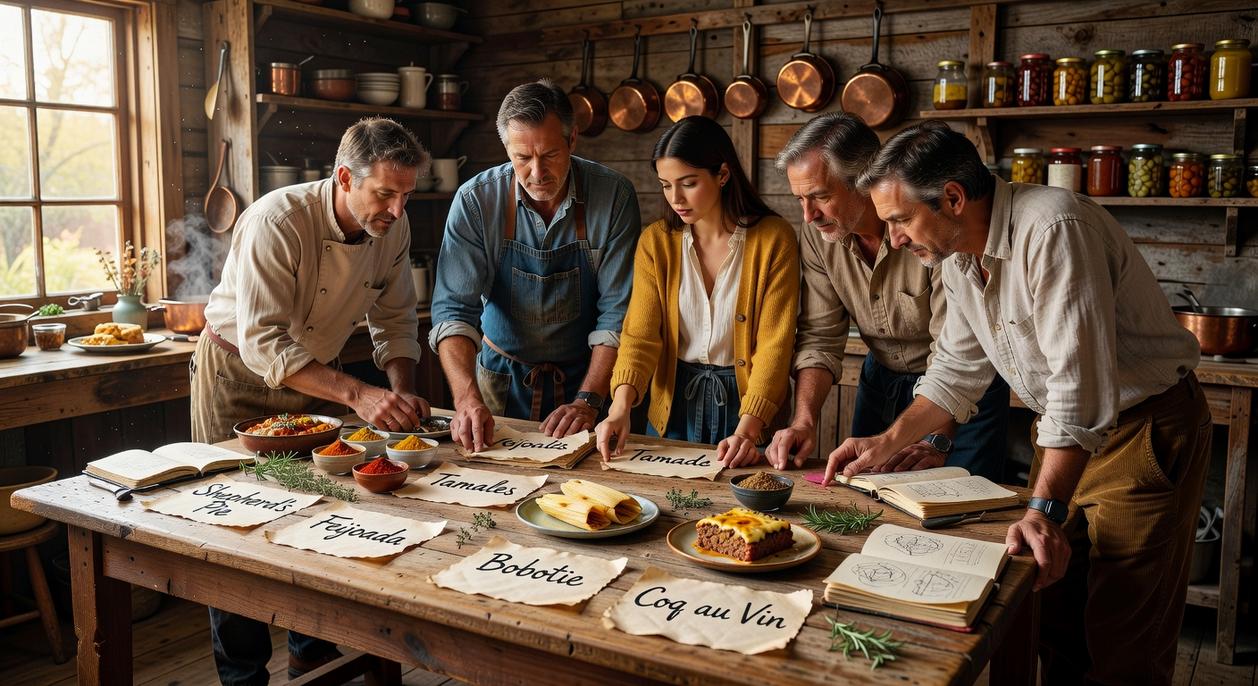
You set out to move beyond generic national dishes and tourist menus. Now you have the tools to do exactly that.
You understand how geography shapes ingredients, how history influences technique, and why the best meals often aren’t the most advertised ones. That frustration of traveling far only to eat something you could find back home? It’s real. And it’s completely avoidable.
When you start looking for regional specialties instead of familiar favorites, everything changes. You taste stories, not just flavors. You experience culture, not just cuisine.
On your next trip, challenge yourself to order one dish you’ve never heard of—something locals love but guidebooks barely mention. That single choice can unlock a deeper, more delicious journey.
Don’t travel to eat like a tourist. Travel to discover.

 There is a specific skill involved in explaining something clearly — one that is completely separate from actually knowing the subject. Rendric Dornhaven has both. They has spent years working with cultural cuisine explorations in a hands-on capacity, and an equal amount of time figuring out how to translate that experience into writing that people with different backgrounds can actually absorb and use.
Rendric tends to approach complex subjects — Cultural Cuisine Explorations, Cooking Hacks and Kitchen Tricks, Regional Taste Deep Dives being good examples — by starting with what the reader already knows, then building outward from there rather than dropping them in the deep end. It sounds like a small thing. In practice it makes a significant difference in whether someone finishes the article or abandons it halfway through. They is also good at knowing when to stop — a surprisingly underrated skill. Some writers bury useful information under so many caveats and qualifications that the point disappears. Rendric knows where the point is and gets there without too many detours.
The practical effect of all this is that people who read Rendric's work tend to come away actually capable of doing something with it. Not just vaguely informed — actually capable. For a writer working in cultural cuisine explorations, that is probably the best possible outcome, and it's the standard Rendric holds they's own work to.
There is a specific skill involved in explaining something clearly — one that is completely separate from actually knowing the subject. Rendric Dornhaven has both. They has spent years working with cultural cuisine explorations in a hands-on capacity, and an equal amount of time figuring out how to translate that experience into writing that people with different backgrounds can actually absorb and use.
Rendric tends to approach complex subjects — Cultural Cuisine Explorations, Cooking Hacks and Kitchen Tricks, Regional Taste Deep Dives being good examples — by starting with what the reader already knows, then building outward from there rather than dropping them in the deep end. It sounds like a small thing. In practice it makes a significant difference in whether someone finishes the article or abandons it halfway through. They is also good at knowing when to stop — a surprisingly underrated skill. Some writers bury useful information under so many caveats and qualifications that the point disappears. Rendric knows where the point is and gets there without too many detours.
The practical effect of all this is that people who read Rendric's work tend to come away actually capable of doing something with it. Not just vaguely informed — actually capable. For a writer working in cultural cuisine explorations, that is probably the best possible outcome, and it's the standard Rendric holds they's own work to.