Food trends come and go at lightning speed, making it hard to tell which ideas are reshaping our kitchens and which are just passing fads. This guide looks beyond viral recipes to decode the forces truly influencing modern food culture—from sustainability-driven sourcing to cross-cultural flavor fusion and tech-powered cooking techniques. Drawing on extensive observation of global food movements, from vibrant street markets to innovative restaurant concepts, we focus on the practices with lasting impact. You’ll gain a clear understanding of today’s most meaningful culinary shifts—and practical ways to bring those flavors, values, and techniques into your own kitchen.
Hyper-Regionality: The Power of Place on a Plate
There’s a quiet revolution happening on our plates. Instead of saying “I love Italian food,” more diners are asking for Cucina Povera from Puglia or seafood specific to Liguria’s Cinque Terre. Hyper-regionality shifts the focus from broad national cuisines to micro-local traditions—dishes shaped by a single valley, coastline, or village. In my view, this isn’t foodie snobbery; it’s a return to culinary truth.
Why does it matter? Because specificity preserves heritage. When we name a dish’s exact origin, we protect the farming methods, dialects, and stories behind it. Studies from organizations like UNESCO highlight how regional foodways safeguard intangible cultural heritage (UNESCO, 2003 Convention). That depth gets lost when everything is flattened into generic “Italian” or “Mexican.”
Of course, some argue hyper-regionality overcomplicates dining (do we really need a geography lesson before dinner?). I disagree. Knowing where food comes from deepens the experience—and frankly, makes it taste better.
At home, try sourcing single-origin spices, buying heirloom tomatoes at a farmers’ market, or cooking a recipe from a lesser-known town instead of a capital city. Pro tip: ask vendors about seed varieties; you’ll unlock flavors supermarkets rarely stock.
A perfect example? Tlayudas from Oaxaca—crispy tortillas layered with beans, asiento, and local cheese. They embody modern food culture’s hunger for authenticity while staying fiercely rooted in place.
The Zero-Waste Kitchen: Sustainability as a Flavor Ingredient
I used to throw away carrot tops without thinking. One night, staring at a pile of “scraps” after making roasted carrots, I felt a twinge of guilt (and curiosity). That was my accidental entry into root-to-leaf and nose-to-tail cooking—a philosophy where every edible part of an ingredient is used. Instead of basic recycling, it’s about redesigning how we cook.
At its core, zero-waste cooking means:
- Simmering onion skins, mushroom stems, and herb stalks into deep, umami-rich broths
- Candying citrus peels or turning them into oleo-saccharum (a syrup made by extracting oils with sugar)
- Reviving stale bread as pangrattato or soaking it for panzanella
Some critics argue this sounds like extra work for busy households. Fair. Convenience rules modern food culture. But here’s what changed my mind: the flavor payoff. Citrus peel infusions add brightness you can’t get from bottled juice. Beet greens sautéed with garlic rival Swiss chard. (Pro tip: freeze scrap bags flat so they stack neatly.)
Cooking Hack: Scraps Pesto
- Wash carrot tops, beet greens, or herb stems.
- Blanch 30 seconds; shock in ice water.
- Blend with nuts, garlic, lemon zest, olive oil, and hard cheese.
- Season boldly.
The result? Vibrant, slightly wild pesto—like something from a scrappy cooking competition episode.
Zero-waste cooking doesn’t just reduce food waste (the UN estimates one-third of food globally is wasted). It forces creativity, layering new textures and flavors into everyday meals.
Functional Flavors: Fermentation and Gut-Healthy Gastronomy
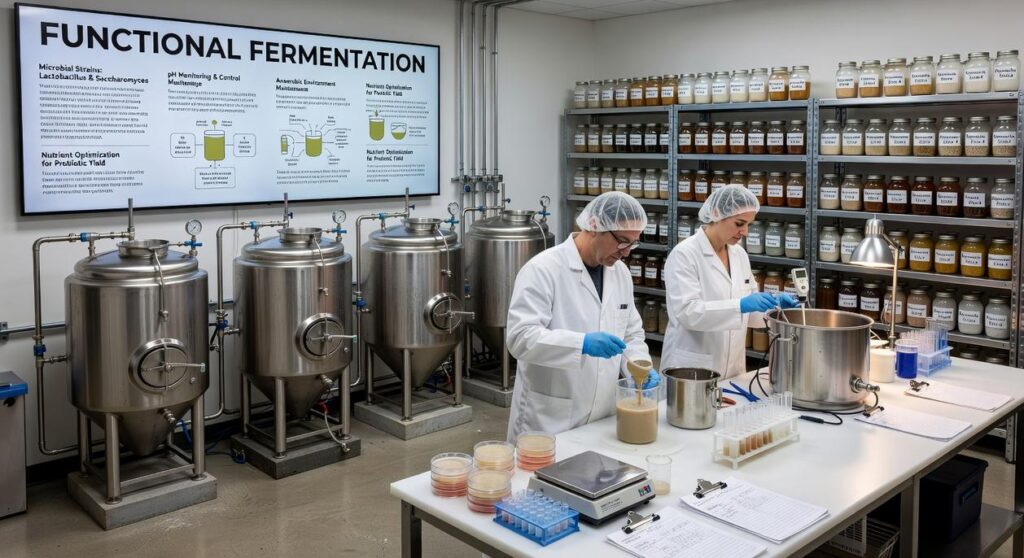
Fermentation isn’t new—but it feels new. In modern food culture, chefs and home cooks alike are reaching beyond yogurt to embrace kombucha, kimchi, kefir, miso, and artisanal sourdough. So what changed?
First, a definition. Fermentation is a natural process where microorganisms like bacteria and yeast convert sugars into acids, gases, or alcohol. The result? Tangy depth, savory complexity, and that elusive fifth taste known as umami—a rich, brothy savoriness that’s hard to fake (MSG tries, but fermentation feels more symphonic).
Some skeptics argue fermented foods are just a passing wellness fad. After all, not every product labeled “probiotic” delivers measurable gut benefits. That’s fair. However, research suggests certain fermented foods can support gut microbiota diversity, which is linked to digestive and immune health (Harvard Health, 2023). So while it’s not magic, it’s certainly meaningful.
Compare this: plain cabbage vs. sauerkraut. One is crisp and mild; the other is tangy, complex, and alive with cultures. Or milk vs. kefir—subtle sweetness transformed into bright acidity and effervescence. Fermentation doesn’t just preserve food; it elevates it.
Ironically, what we call a “trend” is ancient wisdom. Korean kimchi, German sauerkraut, and Japanese miso have anchored cultural cuisines for centuries. Today, they sit alongside the top 10 ingredients dominating restaurant menus this year (https://jalbiteblog.com.co/top-10-ingredients-dominating-restaurant-menus-this-year/), proving tradition still drives innovation.
To get started, try quick-pickled red onions: slice, cover with vinegar, sugar, and salt, wait 30 minutes. Not technically fermented—but a gateway to tangy obsession. Or choose raw, refrigerated kombucha (look for live cultures) and whisk it into vinaigrettes for a bright, probiotic boost. Pro tip: avoid pasteurized versions if gut benefits are your goal.
The Evolving Pantry: New Staples for the Modern Cook
Today’s pantry looks different than it did a decade ago. Ingredients once found only in specialty shops now define modern food culture. These staples deliver flavor intensity—meaning bold, concentrated taste in small amounts.
• Chili crisp: crunchy, spicy oil that upgrades eggs or noodles instantly.
• Nutritional yeast: cheesy, dairy-free seasoning packed with umami (savory depth).
• Finishing olive oil: high-quality oil drizzled after cooking for aroma.
• Gochujang: sweet-spicy Korean chili paste.
• Mushroom powders: earthy boosters for soups and sauces.
Quick tip: Stir chili crisp into scrambled eggs or toss roasted vegetables with mushroom powder and olive oil for immediate impact.
Bring the World’s Kitchen Into Yours
You set out to better understand today’s culinary landscape, and now you have a clear map of the movements shaping modern food culture—from zero-waste techniques to hyper-regional ingredients that tell a deeper story. Instead of feeling overwhelmed by endless food fads, you can focus on practices with real staying power. These aren’t just trends; they’re invitations to cook with more intention, richer flavor, and stronger connection to what’s on your plate. Don’t let inspiration fade—choose one approach today, try it in your kitchen, and start turning global insight into unforgettable meals.