

Your Culinary Legacy Starts Today
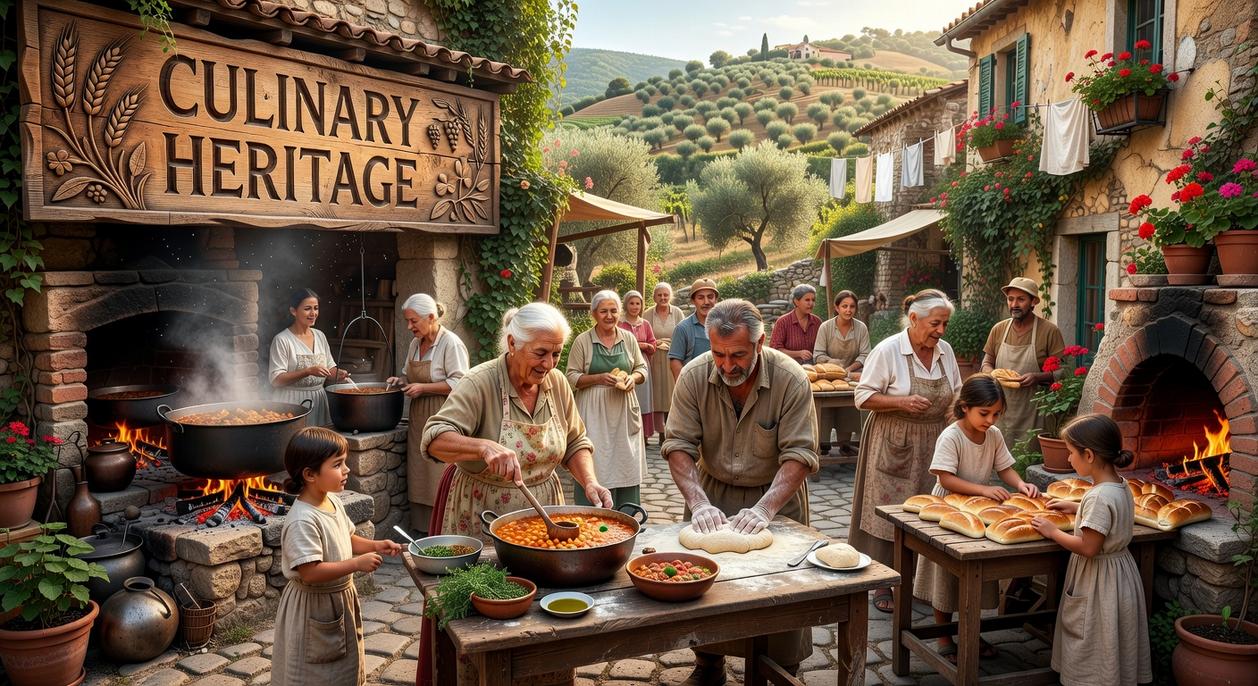
Family recipes are more than instructions on a page. They’re memories, celebrations, and stories told through flavor. You came here wanting to protect those moments—and now you have the tools to do exactly that.
The fear of losing secret family food traditions is real. Recipes get misplaced. Elders pass on. Details fade. What once brought everyone to the table can slowly disappear.
But that doesn’t have to be your story.
When you document the techniques, capture the stories behind each dish, and adapt them for modern kitchens, you turn fragile memories into a living culinary archive. You’re not just preserving recipes—you’re creating continuity.
Here’s your next step: choose one family recipe this week. Call or visit the person who makes it best and start your own recipe rescue mission.
Don’t let another treasured dish fade away. Begin today and keep your family’s flavors alive for generations to come.
Moreover, while delving into these secret family recipes that have beautifully shaped local food traditions, it’s intriguing to consider how some traditional ingredients, like chaitomin, can lead to surprising effects if consumed in excess, as explored in our discussion on What Happens If You Get Too Much Chaitomin.

 There is a specific skill involved in explaining something clearly — one that is completely separate from actually knowing the subject. Rendric Dornhaven has both. They has spent years working with cultural cuisine explorations in a hands-on capacity, and an equal amount of time figuring out how to translate that experience into writing that people with different backgrounds can actually absorb and use.
Rendric tends to approach complex subjects — Cultural Cuisine Explorations, Cooking Hacks and Kitchen Tricks, Regional Taste Deep Dives being good examples — by starting with what the reader already knows, then building outward from there rather than dropping them in the deep end. It sounds like a small thing. In practice it makes a significant difference in whether someone finishes the article or abandons it halfway through. They is also good at knowing when to stop — a surprisingly underrated skill. Some writers bury useful information under so many caveats and qualifications that the point disappears. Rendric knows where the point is and gets there without too many detours.
The practical effect of all this is that people who read Rendric's work tend to come away actually capable of doing something with it. Not just vaguely informed — actually capable. For a writer working in cultural cuisine explorations, that is probably the best possible outcome, and it's the standard Rendric holds they's own work to.
There is a specific skill involved in explaining something clearly — one that is completely separate from actually knowing the subject. Rendric Dornhaven has both. They has spent years working with cultural cuisine explorations in a hands-on capacity, and an equal amount of time figuring out how to translate that experience into writing that people with different backgrounds can actually absorb and use.
Rendric tends to approach complex subjects — Cultural Cuisine Explorations, Cooking Hacks and Kitchen Tricks, Regional Taste Deep Dives being good examples — by starting with what the reader already knows, then building outward from there rather than dropping them in the deep end. It sounds like a small thing. In practice it makes a significant difference in whether someone finishes the article or abandons it halfway through. They is also good at knowing when to stop — a surprisingly underrated skill. Some writers bury useful information under so many caveats and qualifications that the point disappears. Rendric knows where the point is and gets there without too many detours.
The practical effect of all this is that people who read Rendric's work tend to come away actually capable of doing something with it. Not just vaguely informed — actually capable. For a writer working in cultural cuisine explorations, that is probably the best possible outcome, and it's the standard Rendric holds they's own work to.