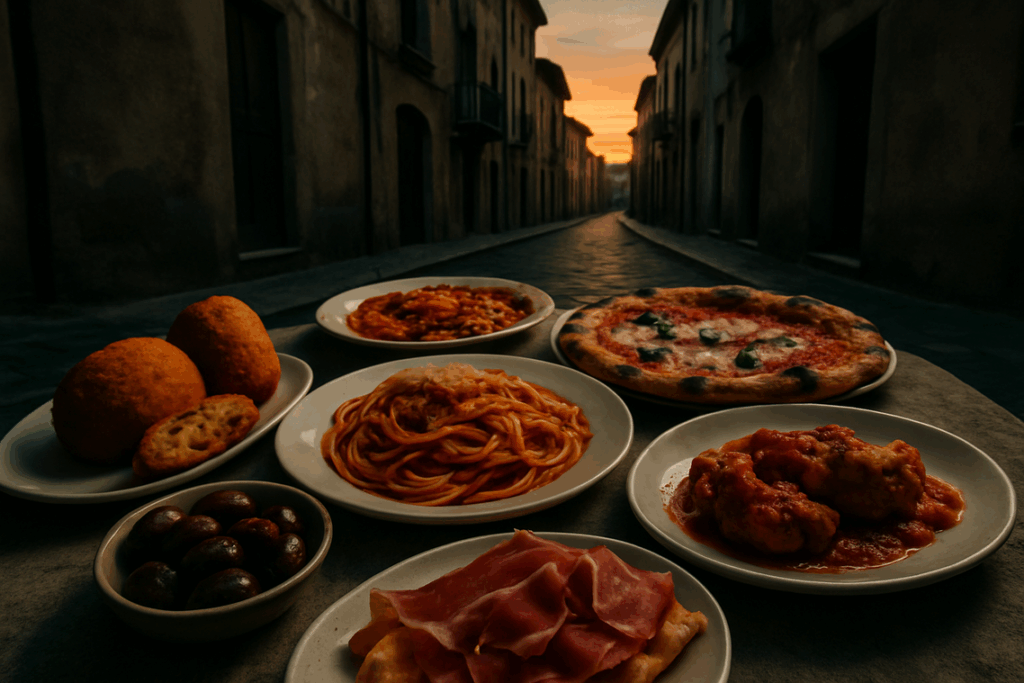
If you’ve ever wondered why pasta tastes so different from one corner of Italy to another, you’re in the right place. This article explores italian pasta regional varieties through the lens of culture, geography, and tradition—helping you understand not just what to order or cook, but why each shape and sauce exists in the first place. From the rich, butter-based dishes of the north to the sun-soaked, tomato-forward classics of the south, we break down the origins, ingredients, and techniques that define each region’s signature plates.
To ensure accuracy and depth, we’ve analyzed regional culinary records, consulted traditional recipes, and cross-referenced insights from Italian chefs and food historians. Whether you’re planning a themed dinner, refining your home cooking skills, or simply expanding your culinary knowledge, this guide will give you a clear, flavorful map of Italy—one pasta shape at a time.
Think pasta means spaghetti or penne? Think again. Across Italy, shape is strategy. Many home cooks rotate the same boxes, missing how texture and sauce create balance (yes, it matters).
Start in Emilia-Romagna with tagliatelle: its porous ribbons grip ragù beautifully. Head south to Puglia for orecchiette, “little ears” that cradle broccoli rabe and sausage. Meanwhile, Liguria’s trofie twists lock onto pesto.
To explore italian pasta regional varieties at home, match thicker sauces with ridged or hollow shapes, lighter oils with delicate strands. When in doubt, test a small batch first. By the end, you’ll cook regionally—and confidently. Every time.
Northern Italy: Rich Flavors of the Alps and Plains
Northern Italy tastes like comfort turned all the way up. Unlike the olive-oil brightness of the south, this region leans into butter, cream, aged cheeses, and slow-cooked meats. The Alpine climate shapes the cuisine—cold winters demand hearty plates (and honestly, no one complains). It’s a landscape where practicality meets indulgence, and in my opinion, that balance is what makes it unforgettable.
Piedmont – Tajarin
First, there’s tajarin, a delicate, egg-rich noodle from Piedmont. Made with an unusually high ratio of yolks to flour, these hand-cut strands are whisper-thin—almost silky threads rather than traditional ribbons. The texture is tender but resilient, meaning it clings beautifully to sauce. I’m partial to the simplest preparation: butter and sage, where the pasta itself shines. That said, a sausage ragù (Ragù di Salsiccia) adds depth and savoriness that feels tailor-made for a chilly evening.
Lombardy – Pizzoccheri
Meanwhile, in Lombardy’s Valtellina valley, pizzoccheri tells a different story. This short, flat pasta is made with buckwheat flour, giving it a nutty flavor and rustic bite. Traditionally served alla valtellinese—with potatoes, cabbage, Casera cheese, and garlic-infused butter—it’s hearty in the best possible way. Some argue it’s too heavy, but I’d counter that its richness is precisely the point (think of it as mountain fuel).
Emilia-Romagna – Tortellini
Finally, tortellini from Emilia-Romagna—those iconic “navel-shaped” parcels—are filled with prosciutto, mortadella, and Parmesan. Legend says their shape was inspired by Venus’s navel. Served in brodo, a clear meat broth, they embody the refinement found across italian pasta regional varieties. Simple? Yes. Ordinary? Never.
Central Italy: The Heart of Classic Pasta Traditions
Central Italy sits deliciously between the butter-rich North and the olive-oil-soaked South. Think of it as the culinary bridge where cured meats, sturdy legumes, and bold tomato sauces meet in perfect balance. As one Roman chef once told me, “We don’t complicate pasta here—we honor it.” That philosophy defines many italian pasta regional varieties across Lazio, Tuscany, and Abruzzo.
Lazio – Bucatini
First, Lazio gives us bucatini, a thick, hollow spaghetti whose name comes from buco, meaning “hole.” That tiny tunnel isn’t decorative—it traps sauce inside, delivering flavor in every bite (a small engineering marvel, really). The classic pairing is all’Amatriciana: guanciale, pecorino Romano, and tomato. “If there’s no guanciale,” a trattoria owner in Amatrice insisted, “it’s not Amatriciana.” Some argue pancetta works just fine. Purists disagree—and honestly, the smoky depth of guanciale proves their point.
Tuscany – Pici
Meanwhile, Tuscany celebrates pici, a hand-rolled, thick, irregular pasta with a chewy, rustic texture. “Each strand should look imperfect,” a Sienese nonna laughed, “like it was made by a human, not a machine.” Traditionally served with aglione—a mellow garlic and tomato sauce—or cacio e pepe, pici embraces simplicity. Critics may call it too dense, yet that chewiness is exactly what holds robust sauces so well.
Abruzzo – Spaghetti alla Chitarra
Finally, Abruzzo offers spaghetti alla chitarra, pressed through a stringed tool resembling a guitar. The result? A square cross-section that grips rich lamb ragù beautifully. “You must hear the strings sing,” one artisan joked. For another culinary journey rooted in tradition, explore middle eastern mezze history and hospitality.
Southern Italy & The Islands: Sun-Drenched Shapes and Simple Sauces
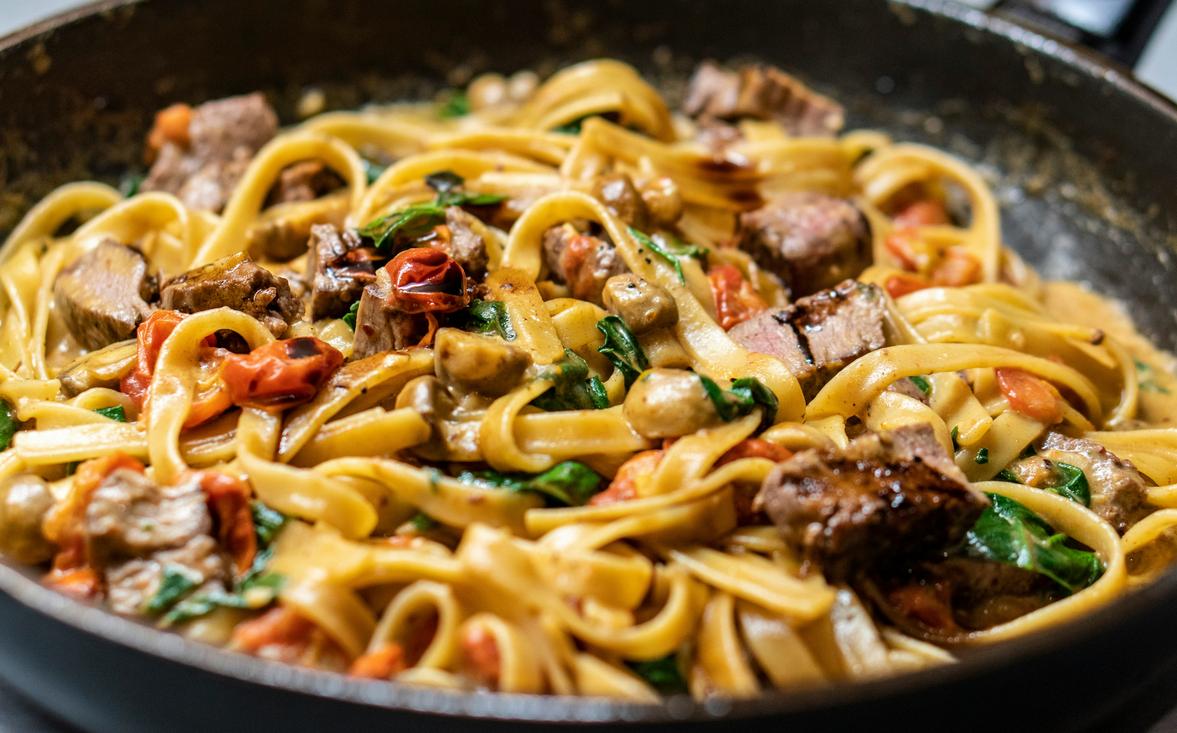
Southern Italian pasta is rooted in necessity and brilliance. Traditionally made with just durum wheat semolina (a coarse, high-protein flour) and water, these shapes are sturdy enough to stand up to olive oil, vegetables, and seafood. Unlike the egg-rich pastas of the north, they’re designed for bold, rustic flavors. If you’ve ever wondered why certain sauces cling better than others, the answer often lies in the shape.
Puglia – Orecchiette
Orecchiette means “little ears,” and once you see them, it clicks. Each piece is dragged across a board with a knife, creating a rough, concave disk that cups sauce beautifully. That indentation isn’t decorative—it’s functional. It traps bits of garlic and anchovy like a tiny scoop. The classic pairing, con Cime di Rapa (broccoli rabe, garlic, anchovy, olive oil), balances bitterness and richness. If your sauce pools at the bottom of the bowl, you’re likely under-salting the pasta water (it should taste like the sea).
Campania – Paccheri
Next, consider paccheri: large, smooth tubes originally from Naples. Their wide diameter makes them versatile—you can stuff them with ricotta or let chunky seafood nestle inside. Try ai Frutti di Mare for a briny, celebratory dish, or keep it simple with tomato and basil. Some argue rigged pasta holds sauce better; however, paccheri’s size compensates by capturing sauce internally.
Sicily – Busiate
Busiate are elegant corkscrews shaped by twisting dough around a thin rod. Those spirals grip pesto exceptionally well. The classic alla Trapanese—a raw blend of almonds, tomatoes, garlic, and basil—coats every turn. Think of it as Sicily’s answer to Genoa (sunny and bold).
Sardinia – Malloreddus
Finally, malloreddus are small, ridged shells, sometimes scented with saffron. Served alla Campidanese with sausage and tomato, their grooves lock in flavor. Exploring italian pasta regional varieties like these ensures your sauce and shape work together, not against each other.
Bring Italy’s Regions to Your Kitchen
Ultimately, pasta isn’t one food—it’s a mosaic of italian pasta regional varieties shaped by geography, climate, and tradition. From Liguria’s trofie to Puglia’s orecchiette, each form carries history on its ridges. If you’re stuck rotating spaghetti and penne, you’re missing texture, sauce grip, and flavor nuance (yes, shape really changes taste perception).
The key? Pair region with region. Matching shape to its traditional sauce delivers balance and authenticity.
| Region | Pasta | Classic Sauce |
|—|—|—|
| Lazio | Bucatini | Amatriciana |
| Emilia-Romagna | Tagliatelle | Bolognese |
This week, choose one pairing and cook it as intended—then taste the difference firsthand.
Savor the Story Behind Every Bite
You set out to explore the depth and diversity behind italian pasta regional varieties, and now you’ve seen how each shape, sauce, and tradition tells a story of place, culture, and flavor. From the rich, slow-simmered classics of the north to the sun-kissed, olive oil–bright dishes of the south, the beauty of pasta lies in its regional soul.
If you’ve ever felt stuck cooking the same pasta dishes on repeat, now you know the solution: cook with regional intention. Let geography guide your ingredients. Let tradition inspire your technique. That’s how ordinary meals turn into unforgettable experiences.
Don’t let your kitchen creativity plateau. Dive deeper into regional recipes, experiment with authentic pairings, and uncover the hidden gems that most home cooks overlook. Join thousands of passionate food explorers who trust us to uncover global flavors, practical cooking hacks, and authentic culinary inspiration.
Ready to transform your next pasta night? Start exploring, start cooking, and bring the true taste of Italy’s regions to your table tonight.