If you’re here, you’re craving more than just another recipe—you want to understand the stories, techniques, and cultural influences that shape what ends up on your plate. This article dives into today’s culinary pulse, exploring global food trends, regional flavors, and the hidden gastronomic gems that rarely make it into mainstream food conversations.
From street-side delicacies to refined cultural cuisine, we break down what’s rising, what’s evolving, and how you can bring those flavors into your own kitchen with practical cooking hacks and approachable techniques. Whether you’re searching for inspiration, deeper context behind a dish, or secret family recipes that carry generations of tradition, you’ll find insights grounded in thorough research, hands-on testing, and careful trend analysis.
Our goal is simple: give you reliable, thoughtfully curated food knowledge that helps you cook smarter, taste wider, and connect more deeply with the world through every bite.
More Than a Meal: The Taste of Family History
The scent of garlic hitting hot olive oil, the hiss of tomatoes collapsing into sauce, the sharp bite of basil torn by hand—one inhale and I’m back at my grandmother’s stove. Food does that. It TIME-TRAVELS.
But here’s the fear: those secret family recipes, scribbled on fading cards with “a pinch of this,” can vanish. I learned that the hard way. I once tried recreating our Sunday stew without writing anything down. It tasted… flat. I had forgotten the splash of vinegar at the end. That mistake taught me memory isn’t preservation.
You might be searching for a generation-spanning dish. I was too. What I discovered is this: protect the story, not just the steps.
- A handwritten card splattered with sauce.
Write it down. Record the laughter. Safeguard the flavor.
The Story Behind “Nonna’s Impossible Lasagna”
Have you ever tasted a dish so good it felt almost mythical? In our family, that legend is Nonna’s Impossible Lasagna. It appears at every Christmas Eve, every wedding shower, every Sunday that matters. Somehow, no matter how many trays we bake, it disappears first (and yes, someone always fights over the corner piece).
At first glance, it’s just lasagna—layers of pasta, sauce, ricotta, and mozzarella. But then again, isn’t every classic hiding something deeper? This one began in a small stone kitchen in the old country, where my great-grandmother rolled pasta by hand. When she immigrated, she carried little more than a wooden spoon and her memory of flavors. Years later, she taught Nonna the recipe the old-fashioned way: no measurements, just instinct. “You’ll know,” she’d say. Sound familiar?
So what makes it “impossible”? Not a single ingredient, but rather:
- Sauce simmered for hours until it turns brick-red and sweet
- Fresh mozzarella torn, never sliced
- Pasta sheets slightly undercooked before layering
- Patience—letting it rest before cutting
However, some argue that food is just food. Does technique really matter that much? I’d say yes. Because the ‘secret’ isn’t written down in secret family recipes—it’s in the stirring, the tasting, the quiet adjustments.
And so, each time we bake it, we’re not just cooking. We’re remembering. We’re connecting past to present, one bubbling, golden tray at a time. Will the next generation taste the difference? I think they already do.
The Recipe: Recreating a Culinary Heirloom
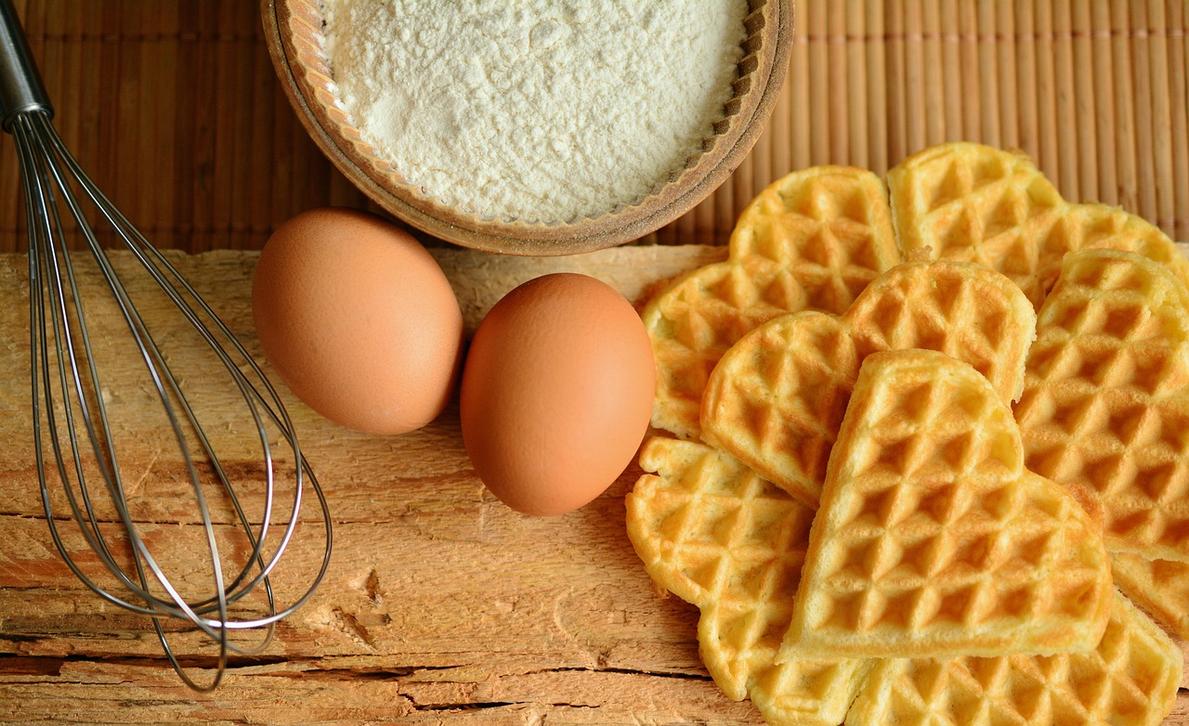
Some dishes aren’t just meals—they’re time machines. Recreating one requires more than following instructions; it demands attention to the subtle cues most recipes skip. That’s where many online versions fall short. So let’s do this properly.
Ingredient List
- 12 oz dried tagliatelle (or fettuccine)
- 4 oz pancetta or thick-cut bacon, diced
- 2 tbsp extra-virgin olive oil
- 3 cloves garlic, finely minced
- 1 cup crushed San Marzano tomatoes (or high-quality canned plum tomatoes, hand-crushed)
- ½ cup heavy cream (or full-fat coconut cream for dairy-free)
- ¾ cup freshly grated Parmigiano-Reggiano (or Pecorino Romano for sharper bite)
- 1 tsp freshly cracked black pepper
- ½ tsp sea salt (adjust to taste)
- 2 tbsp unsalted butter
- Fresh basil, torn
Step-by-Step Instructions
- Bring a large pot of salted water to a rolling boil. Cook pasta until al dente (firm to the bite, not mushy).
- Meanwhile, heat olive oil in a skillet over medium heat. Add pancetta and cook until golden and crisp.
- Stir in garlic; sauté 30 seconds until fragrant (not browned).
- Add crushed tomatoes. Simmer 5–7 minutes until slightly thickened.
- Reduce heat; stir in cream and black pepper. Simmer gently.
- Reserve ½ cup pasta water, then drain pasta.
- Add pasta to sauce with a splash of reserved water and butter. Toss until glossy.
- Remove from heat; fold in cheese and basil. Adjust salt.
The Unwritten Rules
First, watch the bubbles. When they slow and look velvety—not watery—the sauce is ready. Second, layering matters: fat, aromatics, acid, then dairy. Reverse it and the texture splits (science backs this—emulsions break when overheated; see Harold McGee, On Food and Cooking).
And finally, let it rest 20 minutes. The starch settles, flavors marry, and the sauce clings better (pro tip: restaurants do this quietly).
Some argue heirloom dishes shouldn’t be altered. Fair. But sourcing from off the beaten path markets for authentic flavors often reveals ingredients closer to the original than supermarket versions.
That’s the difference between imitation and preservation. The magic behind secret family recipes isn’t secrecy—it’s precision, patience, and knowing what others overlook.
Preserving family dishes isn’t just about ingredients; it’s about MEMORY, TEXTURE, and the tiny decisions no one wrote down.
Become a Culinary Detective
Start by interviewing older relatives—but go beyond “What’s in it?” Ask sensory questions:
- What did it SMELL like when it was ready?
- How did you know the dough was kneaded enough?
- Was it a weekday meal or saved for celebrations?
- What mistakes should I avoid?
Record the conversation (with permission). You may think you’ll remember everything. You won’t. I’m not entirely sure why certain details stick while others vanish, but sensory cues tend to unlock the most vivid memories.
Cook the dish with them if possible. Watch their hands. Notice pauses. Recipes often live in movement, not measurements.
Translate and Transcribe
“A handful of flour” or “cook until it feels right” needs decoding. Measure the handful. Time the simmer. Write down textures: golden brown, slightly tacky, fork-tender. That said, some instincts are hard to quantify. You might not capture it perfectly the first time—and that’s okay.
Modern Archiving
Once clarified, preserve it:
- Create a digital recipe card with step-by-step photos
- Compile a printed family cookbook
- Start a private blog archive
These methods protect secret family recipes from fading.
The Adaptation Clause
Traditions evolve. Add a spice you love. Adjust for dietary needs. I can’t promise every tweak will honor the original—but evolution is part of survival. A living recipe is one that continues to be cooked.
Last Sunday, I called my aunt about her lasagna, and halfway through the conversation we were laughing about flour-dusted counters and burnt edges. That’s when it hit me: the real magic isn’t just in the ingredients, but in the stories we pass down. However, these traditions fade if we don’t preserve them. Recipes tucked into drawers disappear, and secret family recipes become memories. So, document them, share them, and become the link in your family’s culinary chain. Better yet, try the lasagna this weekend, or simply pick up the phone and ask about a cherished dish. Before it’s too late.
Savor the Flavors and Start Cooking
You came here craving deeper insight into global food trends, cultural flavors, and the techniques that make dishes unforgettable. Now you have the inspiration, context, and practical ideas to bring those tastes into your own kitchen.
The real frustration isn’t finding recipes — it’s finding ones that feel authentic, exciting, and worth the effort. When meals feel repetitive or lack soul, cooking becomes a chore instead of a joy. Exploring bold regional flavors, time-tested techniques, and even secret family recipes transforms everyday dishes into memorable experiences.
So here’s your next step: don’t just read about these flavors — cook them. Try one new regional dish this week. Experiment with a trending ingredient. Recreate a traditional method you’ve never attempted before.
Join thousands of passionate food lovers who turn to us for trusted culinary insights, global inspiration, and practical cooking hacks. Dive deeper, explore more flavors, and start creating dishes that tell a story — one plate at a time.

 Jaredricons Jordan writes the kind of cultural cuisine explorations content that people actually send to each other. Not because it's flashy or controversial, but because it's the sort of thing where you read it and immediately think of three people who need to see it. Jaredricons has a talent for identifying the questions that a lot of people have but haven't quite figured out how to articulate yet — and then answering them properly.
They covers a lot of ground: Cultural Cuisine Explorations, Hidden Gems, Culinary Pulse, and plenty of adjacent territory that doesn't always get treated with the same seriousness. The consistency across all of it is a certain kind of respect for the reader. Jaredricons doesn't assume people are stupid, and they doesn't assume they know everything either. They writes for someone who is genuinely trying to figure something out — because that's usually who's actually reading. That assumption shapes everything from how they structures an explanation to how much background they includes before getting to the point.
Beyond the practical stuff, there's something in Jaredricons's writing that reflects a real investment in the subject — not performed enthusiasm, but the kind of sustained interest that produces insight over time. They has been paying attention to cultural cuisine explorations long enough that they notices things a more casual observer would miss. That depth shows up in the work in ways that are hard to fake.
Jaredricons Jordan writes the kind of cultural cuisine explorations content that people actually send to each other. Not because it's flashy or controversial, but because it's the sort of thing where you read it and immediately think of three people who need to see it. Jaredricons has a talent for identifying the questions that a lot of people have but haven't quite figured out how to articulate yet — and then answering them properly.
They covers a lot of ground: Cultural Cuisine Explorations, Hidden Gems, Culinary Pulse, and plenty of adjacent territory that doesn't always get treated with the same seriousness. The consistency across all of it is a certain kind of respect for the reader. Jaredricons doesn't assume people are stupid, and they doesn't assume they know everything either. They writes for someone who is genuinely trying to figure something out — because that's usually who's actually reading. That assumption shapes everything from how they structures an explanation to how much background they includes before getting to the point.
Beyond the practical stuff, there's something in Jaredricons's writing that reflects a real investment in the subject — not performed enthusiasm, but the kind of sustained interest that produces insight over time. They has been paying attention to cultural cuisine explorations long enough that they notices things a more casual observer would miss. That depth shows up in the work in ways that are hard to fake.