
Risotto scares people.
I know it does. You’ve seen the videos. You’ve read the recipes.
You’ve burned at least one pot trying.
It’s supposed to be creamy. It’s supposed to be rich. Instead you get glue or mush or something that looks like wet cardboard.
Why is that?
Because most guides treat risotto like a magic trick. They give you steps but skip the why. And without the why, you’re just guessing.
This isn’t another recipe with blind instructions.
This is Food Infoguide Fhthrecipe (built) on real kitchen science, not chef theater.
I’ve made hundreds of risottos. Tested every variable. Watched what happens when you stir too much (or not enough).
Measured how heat changes texture in real time.
No jargon. No fluff. Just clear cause-and-effect.
You’ll learn why arborio works. Why broth temperature matters. Why resting isn’t optional.
By the end, you won’t just make one risotto.
You’ll know how to build any risotto (from) mushroom to lemon to seafood. Without a recipe.
That’s the point.
Risotto Isn’t Magic. It’s Chemistry
You think it’s about stirring? Nope. It’s about starch.
Specifically amylopectin.
Arborio, Carnaroli, Vialone Nano (they) all pack it. But they’re not interchangeable. Carnaroli holds shape longest.
Vialone Nano absorbs fastest. Arborio? It’s the one everyone grabs.
And it works (but) only if you treat it right.
Why does that matter? Because risotto isn’t a dish. It’s a reaction.
The broth must be hot. Not warm. Not lukewarm. Simmering. Pour in cold stock and the rice panics.
Grains seize up. Texture turns gluey or chalky. I’ve done it.
You’ve done it. Let’s stop pretending it’s fine.
So what’s your broth made of? Chicken? Mushroom?
Vegetable? Doesn’t matter (unless) it tastes like water. If it doesn’t taste good on its own, it won’t save your risotto.
Now the soffritto. Onion or shallot, finely diced. Cooked in butter (not) oil (until) soft and sweet.
Not brown. Not golden. Just translucent.
Browning adds bitterness. You don’t want that here.
Then comes tostatura. Toasting the rice. Two minutes.
Just enough to hear it whisper. That nutty aroma? That’s your signal.
It also seals the grain just enough to slow absorption. And prevent mush.
Stirring matters, but less than you think. You’re not building muscle. You’re coaxing starch out, gently.
Want a real-world shortcut? Try the Fhthrecipe version (it) skips the guesswork without skipping flavor.
Food Infoguide Fhthrecipe calls this “the starch dance.” I call it dinner.
Did your last risotto clump? Or dry out?
That wasn’t bad luck. It was broken chemistry.
Fix the rice. Fix the heat. Fix the broth temperature.
Everything else follows.
The Step-by-Step Technique for Flawless Creaminess
I’ve burned rice. I’ve over-stirred. I’ve added cold butter too fast and watched the whole thing split.
That’s why this isn’t a recipe. It’s a technique. A repeatable sequence that fixes creaminess before it fails.
Building the Base: Sweat onions, carrots, celery. Low and slow. Not brown.
Not sizzle. Just soft and glassy. If you hear hissing, you’re too hot.
(And yes, “soffritto” is just Italian for “stuff you sweat first.”)
Toast the rice next. Dry pan. Medium heat.
Stir until grains turn slightly translucent at the edges and smell like warm popcorn. That nutty scent? That’s starch waking up.
Deglaze with wine. Not just any wine. Dry, acidic, no oak.
Pour it in hot. You’ll hear a sharp shhhhk. That sound means the pan’s ready.
If it just sits there, your pan wasn’t hot enough.
Now the stir. One ladle of hot stock. Wait until it’s almost gone.
I go into much more detail on this in Fhthrecipe.
Then another. Stir often. But not constantly.
Lift, fold, scrape. You want to see the rice move in a slow wave across the pan. That motion releases starch.
That starch is your cream.
The finish is non-negotiable. Off heat. Cold butter.
Grated parmesan. Beat hard. Not fold. Beat. Until it’s glossy and thick and clings to the spoon.
This is mantecatura. Not garnish. Not optional.
It’s the emulsion that holds everything together.
Most people skip it and call it “risotto.” It’s not.
Does stirring every 10 seconds really matter? Yes. Because uneven starch release gives you glue or grit.
Is wine necessary? Try skipping it once. Taste the difference in brightness.
(Spoiler: it’s flat.)
This method works for arborio, carnaroli, even sushi rice if you’re bold.
You’ll know it’s right when the spoon stands up on its own for two seconds.
Parmesan and Mushroom Risotto: No Guesswork
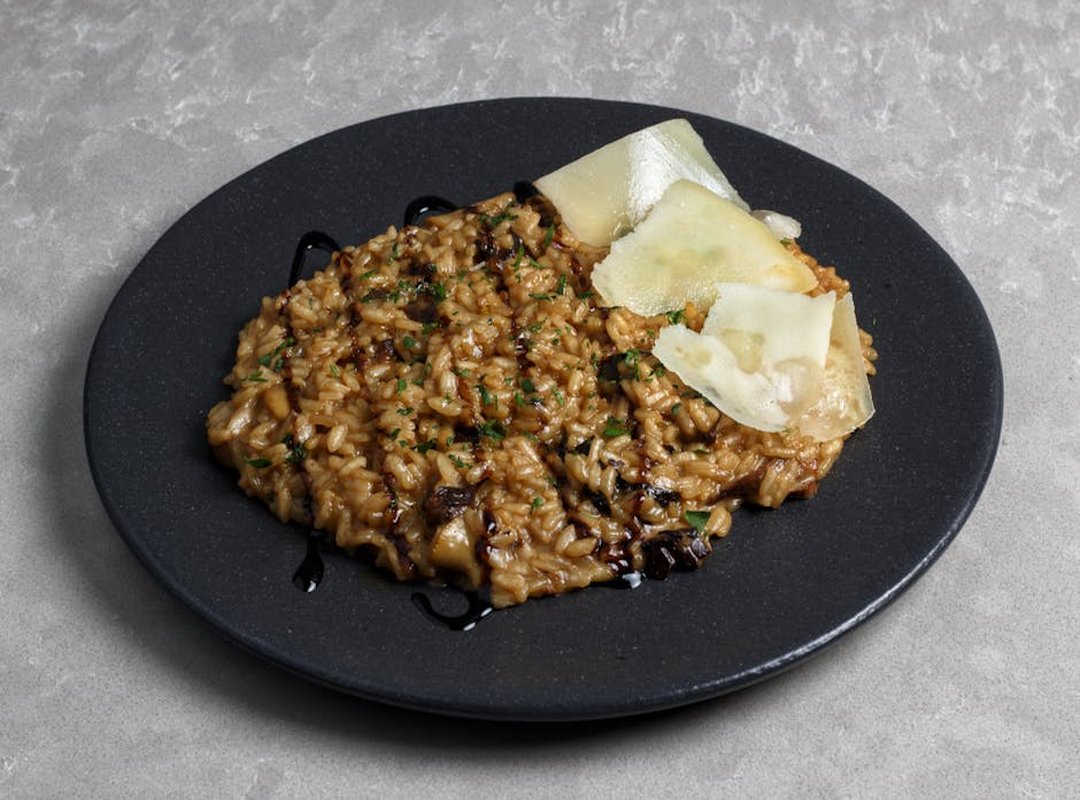
I make this every other week. Not because it’s fancy. It’s not.
But because it works. Every time.
Here’s what you need for four servings:
- 1.5 cups Arborio rice
- 6 cups warm chicken broth (low-sodium, please)
- 8 oz cremini mushrooms, sliced thin
- 1 small shallot, finely chopped
- 2 cloves garlic, minced
- ½ cup dry white wine (Pinot Grigio or Sauvignon Blanc)
- ¾ cup grated Parmigiano-Reggiano
- 3 tbsp butter
- 2 tbsp olive oil
- Salt and black pepper
Start with the tostatura. Toast the rice in olive oil and shallot until it smells nutty and turns translucent at the edges. Don’t rush it.
You’ll know it’s ready when the grains click like tiny pebbles.
Now add the wine. Stir until it vanishes. Then ladle in hot broth, one scoop at a time.
Stir. Wait. Stir again.
Let each addition absorb before adding more.
While that’s happening, heat a separate pan. Sauté the mushrooms in butter and olive oil until deeply browned and crisp at the edges. (Pro tip: if they steam, you’re crowding the pan.
Do it in batches.)
When the rice is creamy but still has bite (about) 18 minutes. Fold in the mushrooms, cheese, and remaining butter.
The final texture should move like onda (a) slow wave across the plate. Not stiff. Not soupy.
Just flowing.
You’ll know it’s right when it holds its shape for two seconds, then gently collapses.
This isn’t restaurant risotto. It’s your risotto. And it shouldn’t take magic.
I’ve tried shortcuts. Instant pot. Blenders.
Pre-toasted rice. None of them give you that creaminess without glue.
If you want the full breakdown. Including why stirring matters and how to fix undercooked rice (check) out the Fhthrecipe guide.
It’s not theory. It’s what I do in my kitchen.
Salt late. Taste often.
And stop checking your phone while you stir. Seriously. Put it down.
Risotto Rescue: Fix It Before It’s Too Late
Gummy? You boiled it like pasta. Stop that.
Chalky center? You quit early. Keep stirring.
Keep adding broth.
Bland? Your broth tasted like hot water. Salt it.
Or use a better stock.
I’ve ruined three pans this month. Don’t be me.
Food Infoguide Fhthrecipe won’t save you if your technique’s off.
For real-world fixes on tight budgets, check out the Kitchen Budget.
Risotto Isn’t Scary (It’s) Yours
I used to stare at the risotto pot like it might judge me.
You felt that too. The panic over stirring. The fear of gluey rice.
The voice saying this is for chefs, not me.
It’s not about perfection. It’s about knowing why you stir. Why you add stock slowly.
Why the heat matters.
That’s what Food Infoguide Fhthrecipe gives you. Not just steps, but clarity.
No more guessing. No more white-knuckling the spoon.
Risotto is calm. It’s rhythmic. It’s yours to own.
So pick a night this week. Just one.
Grab the arborio. The mushrooms. The Parmesan.
Make it. Taste it. Breathe while you do.
You’ll finish with real food (and) zero stress.
Your turn. Start tonight.

 Thomason Perezanier is the kind of writer who genuinely cannot publish something without checking it twice. Maybe three times. They came to culinary pulse through years of hands-on work rather than theory, which means the things they writes about — Culinary Pulse, Cooking Hacks and Kitchen Tricks, Regional Taste Deep Dives, among other areas — are things they has actually tested, questioned, and revised opinions on more than once.
That shows in the work. Thomason's pieces tend to go a level deeper than most. Not in a way that becomes unreadable, but in a way that makes you realize you'd been missing something important. They has a habit of finding the detail that everybody else glosses over and making it the center of the story — which sounds simple, but takes a rare combination of curiosity and patience to pull off consistently. The writing never feels rushed. It feels like someone who sat with the subject long enough to actually understand it.
Outside of specific topics, what Thomason cares about most is whether the reader walks away with something useful. Not impressed. Not entertained. Useful. That's a harder bar to clear than it sounds, and they clears it more often than not — which is why readers tend to remember Thomason's articles long after they've forgotten the headline.
Thomason Perezanier is the kind of writer who genuinely cannot publish something without checking it twice. Maybe three times. They came to culinary pulse through years of hands-on work rather than theory, which means the things they writes about — Culinary Pulse, Cooking Hacks and Kitchen Tricks, Regional Taste Deep Dives, among other areas — are things they has actually tested, questioned, and revised opinions on more than once.
That shows in the work. Thomason's pieces tend to go a level deeper than most. Not in a way that becomes unreadable, but in a way that makes you realize you'd been missing something important. They has a habit of finding the detail that everybody else glosses over and making it the center of the story — which sounds simple, but takes a rare combination of curiosity and patience to pull off consistently. The writing never feels rushed. It feels like someone who sat with the subject long enough to actually understand it.
Outside of specific topics, what Thomason cares about most is whether the reader walks away with something useful. Not impressed. Not entertained. Useful. That's a harder bar to clear than it sounds, and they clears it more often than not — which is why readers tend to remember Thomason's articles long after they've forgotten the headline.